-Exhibition Dates : October 14 ~ October 25, 2026
-Exhibition Space : Post Territory Ujeongguk (42, Dongmak-ro 20-gil, Mapo-gu, Seoul, Korea)
-Artist : Eum Kixung
-Text : Kwon Junghyun (Curator, Leeum Museum)
-Poster design : Park Chaehee
-Photograph : Choi Chulim
-Hosted and supervised : Eum Kixung
-Sponsor : Incheon Foundation for Arts & Culture (IFAC)
*This exhibition is supported by 2026 Support for Young Artists' Activities.
[Download PDF] Exhibition Catalog & Text

-Exhibition Dates : June 02 ~ June 13, 2026
-Exhibition Space : Buyeon (8, Gaehang-ro 106beon-gil, Jemulpo-gu, Incheon)
-Artist : Eum Kixung
-Poster Design : Park Chaehee
-Photograph : Choi Chullim
-Sound Assistance : Woojin Electronic
-Hosted and supervised : Eum Kixung
-Sponsor : Incheon Foundation for Arts & Culture (IFAC)
*This exhibition is supported by 2026 Support for Young Artists' Activities.
[Download PDF] Exhibition Text & Map
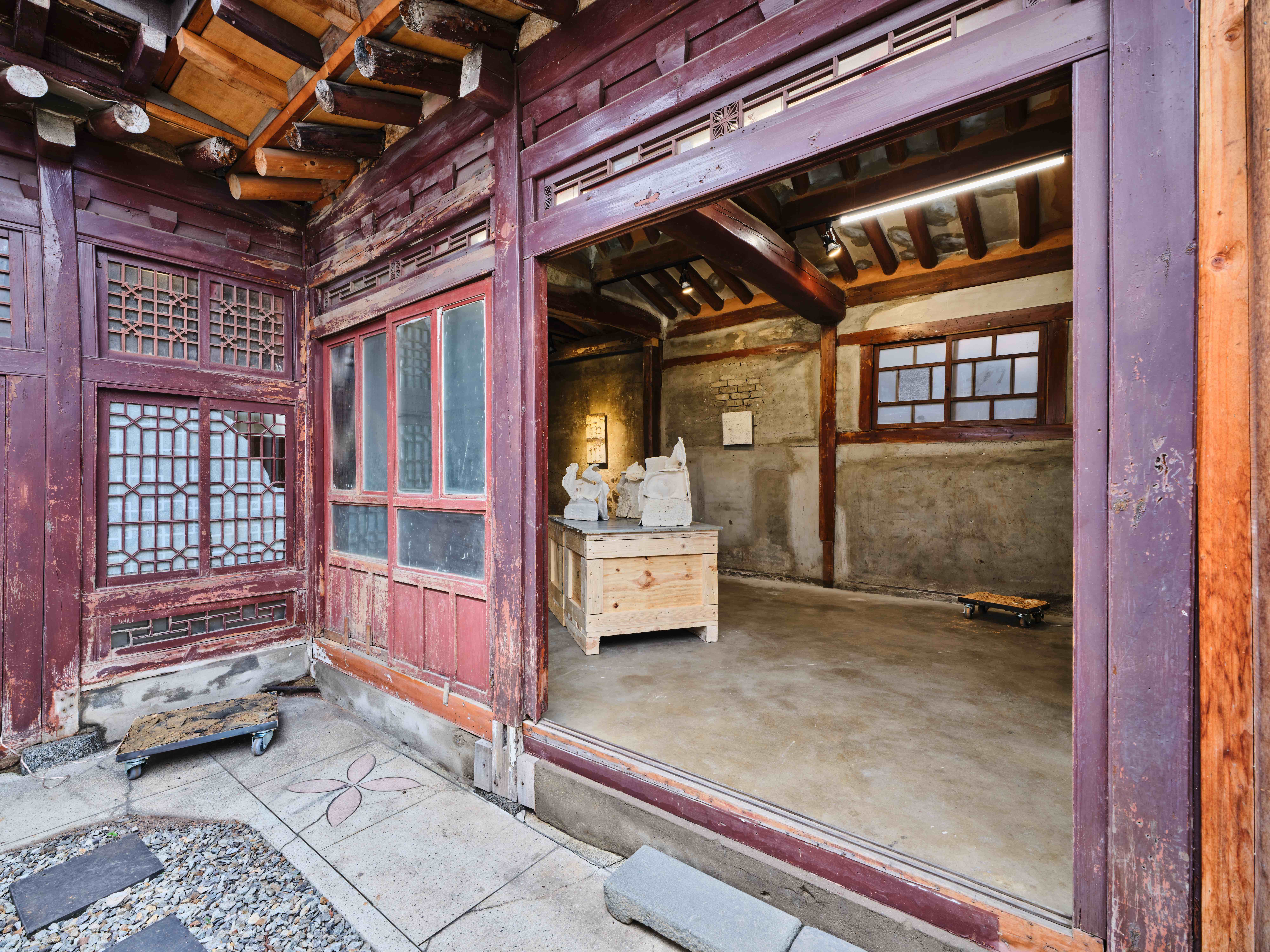
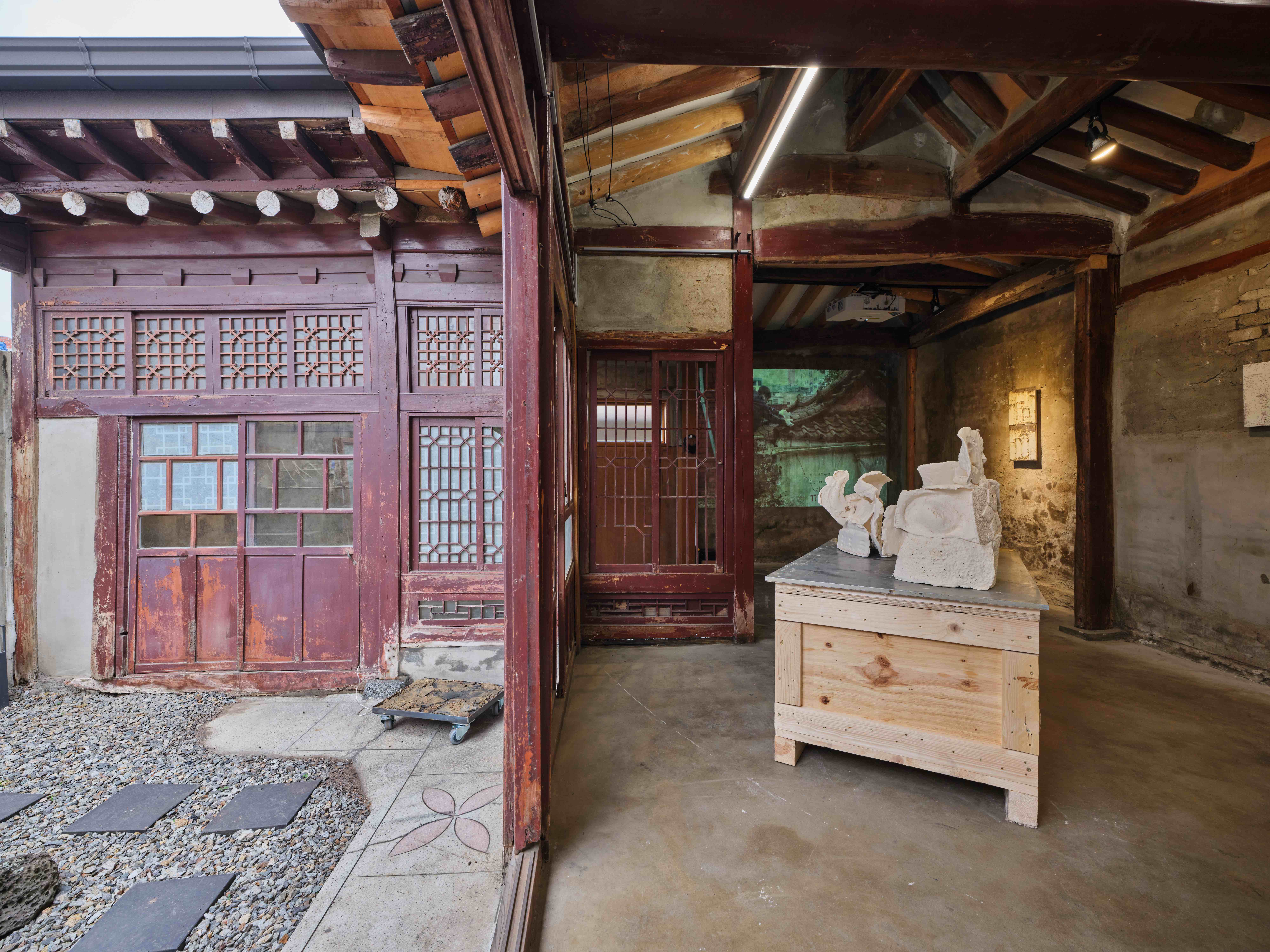
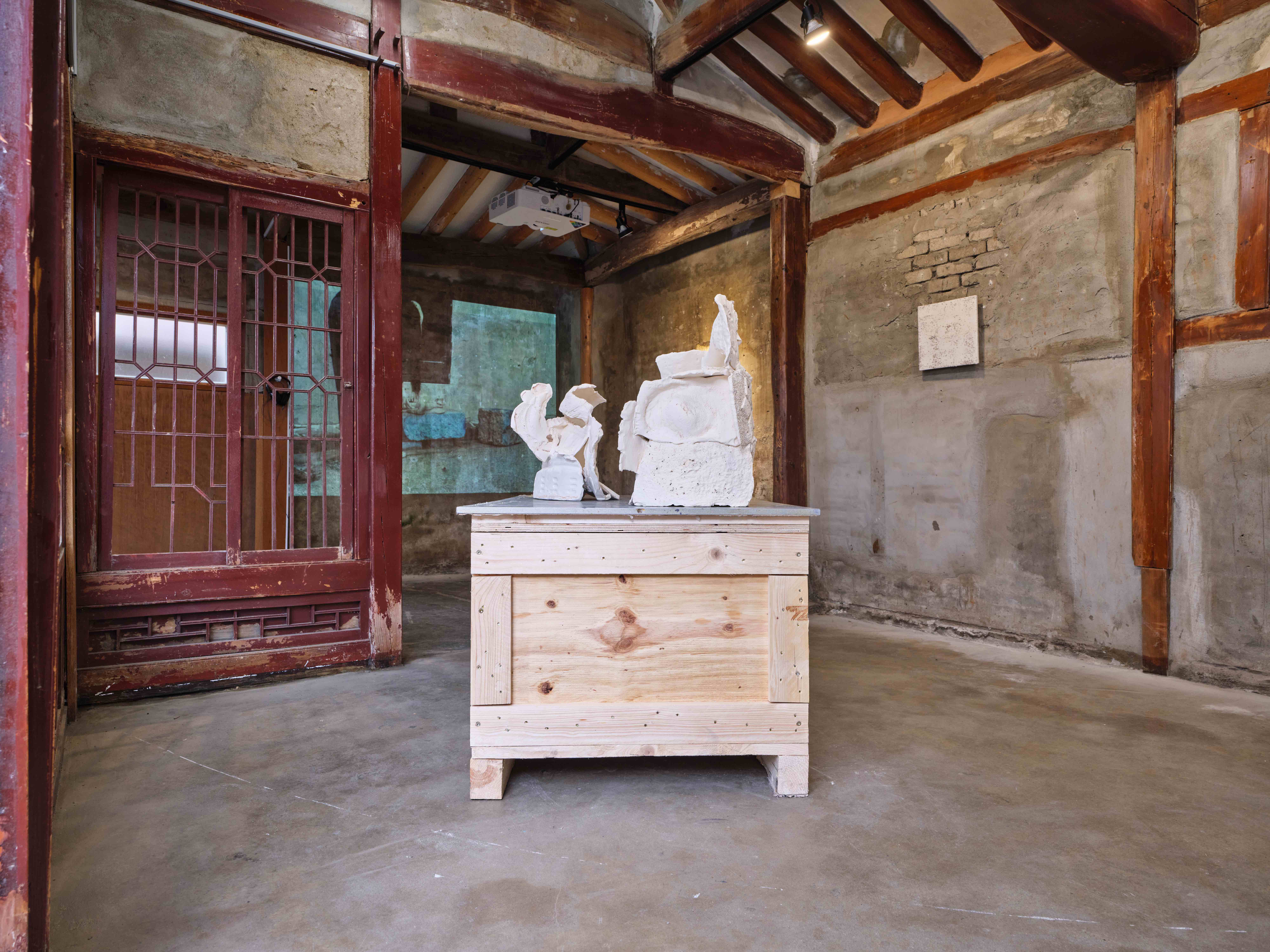
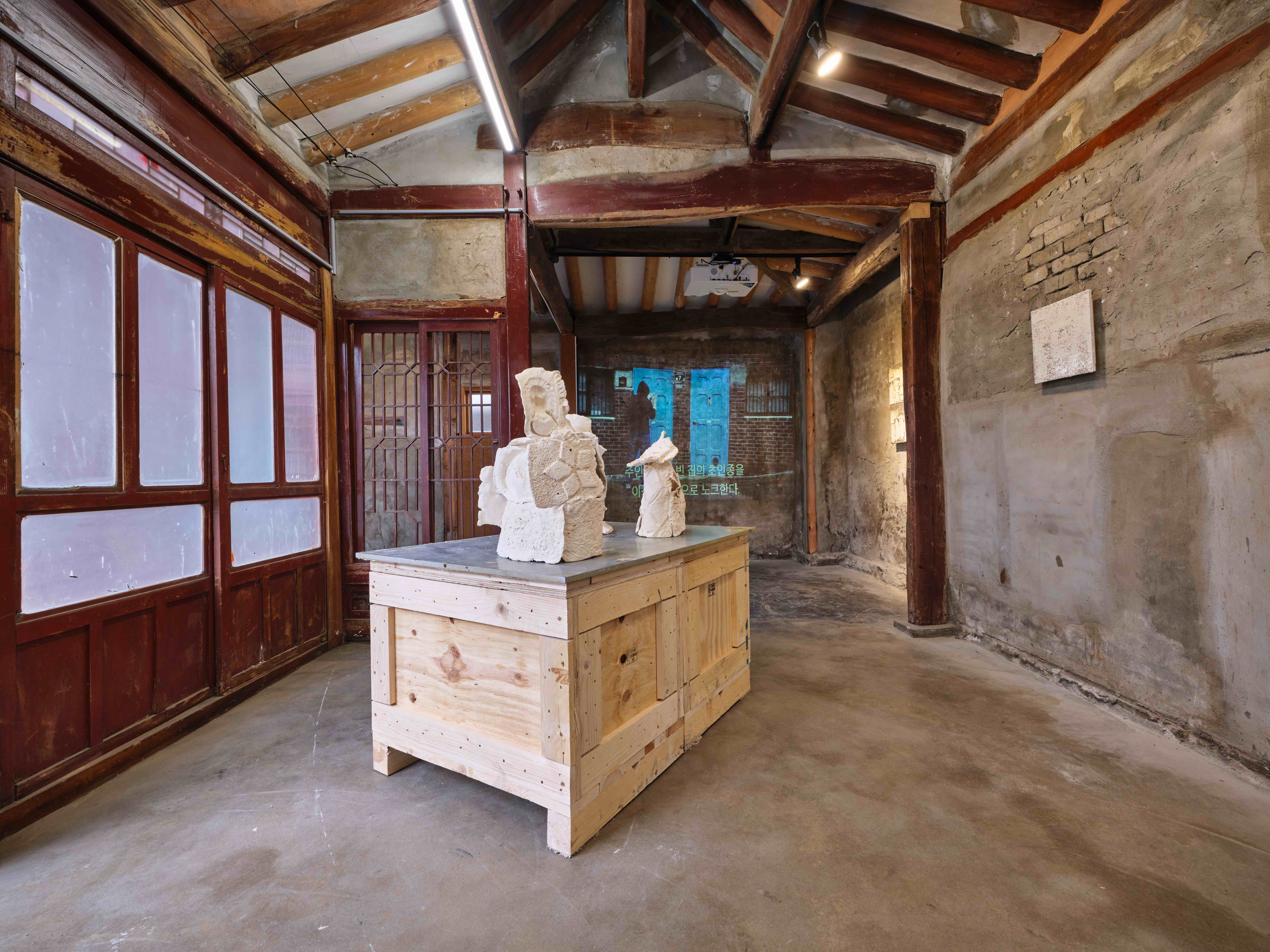
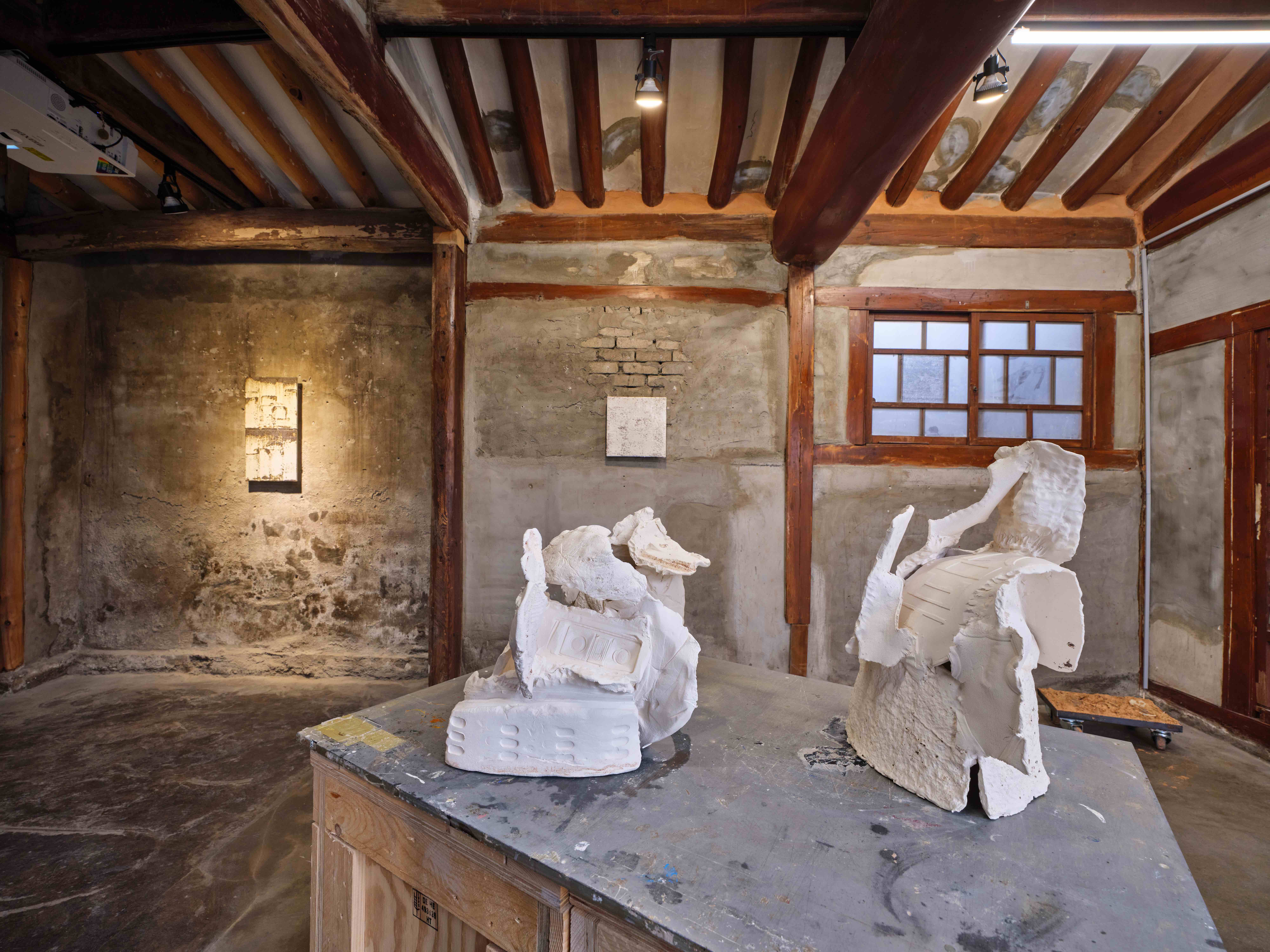
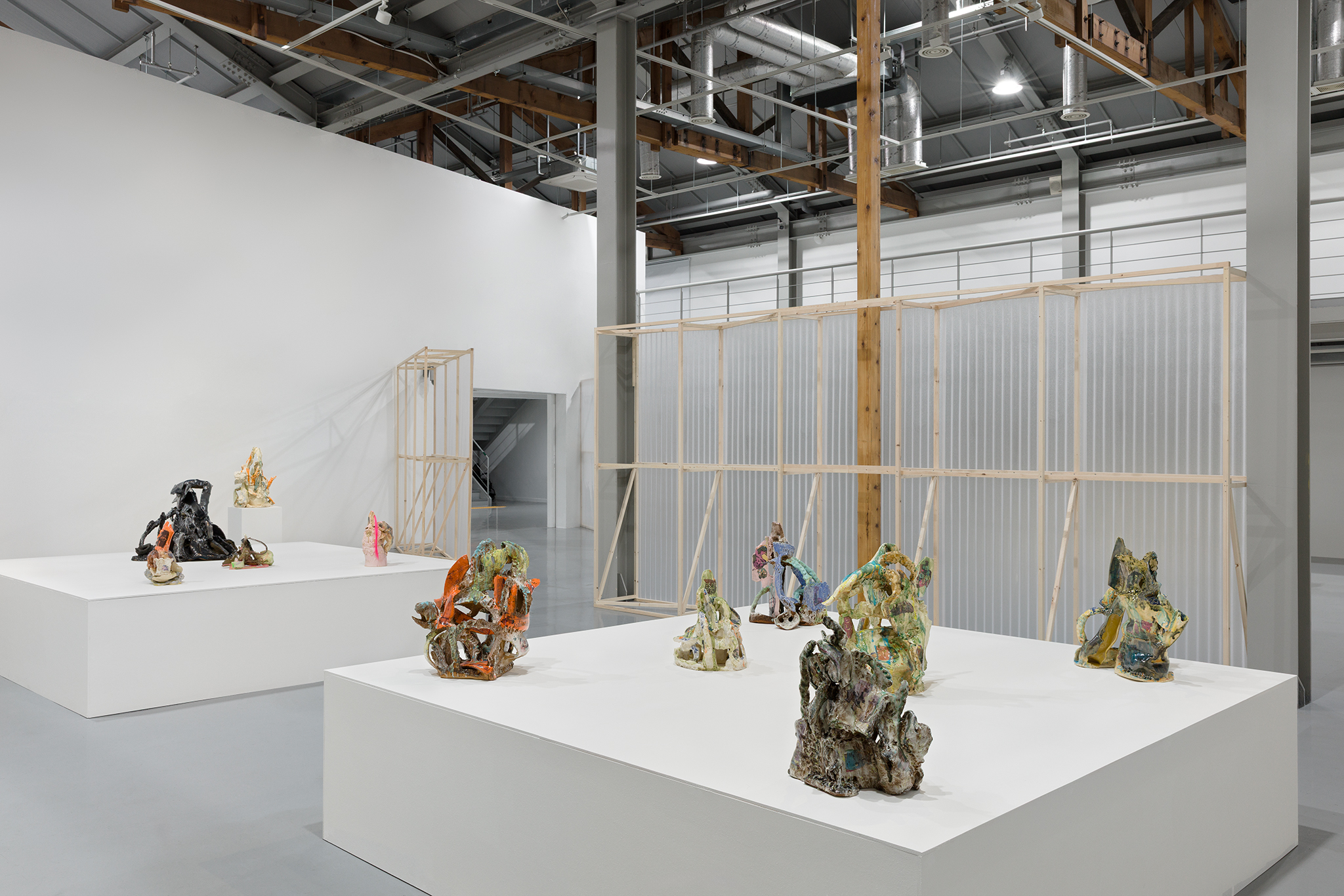
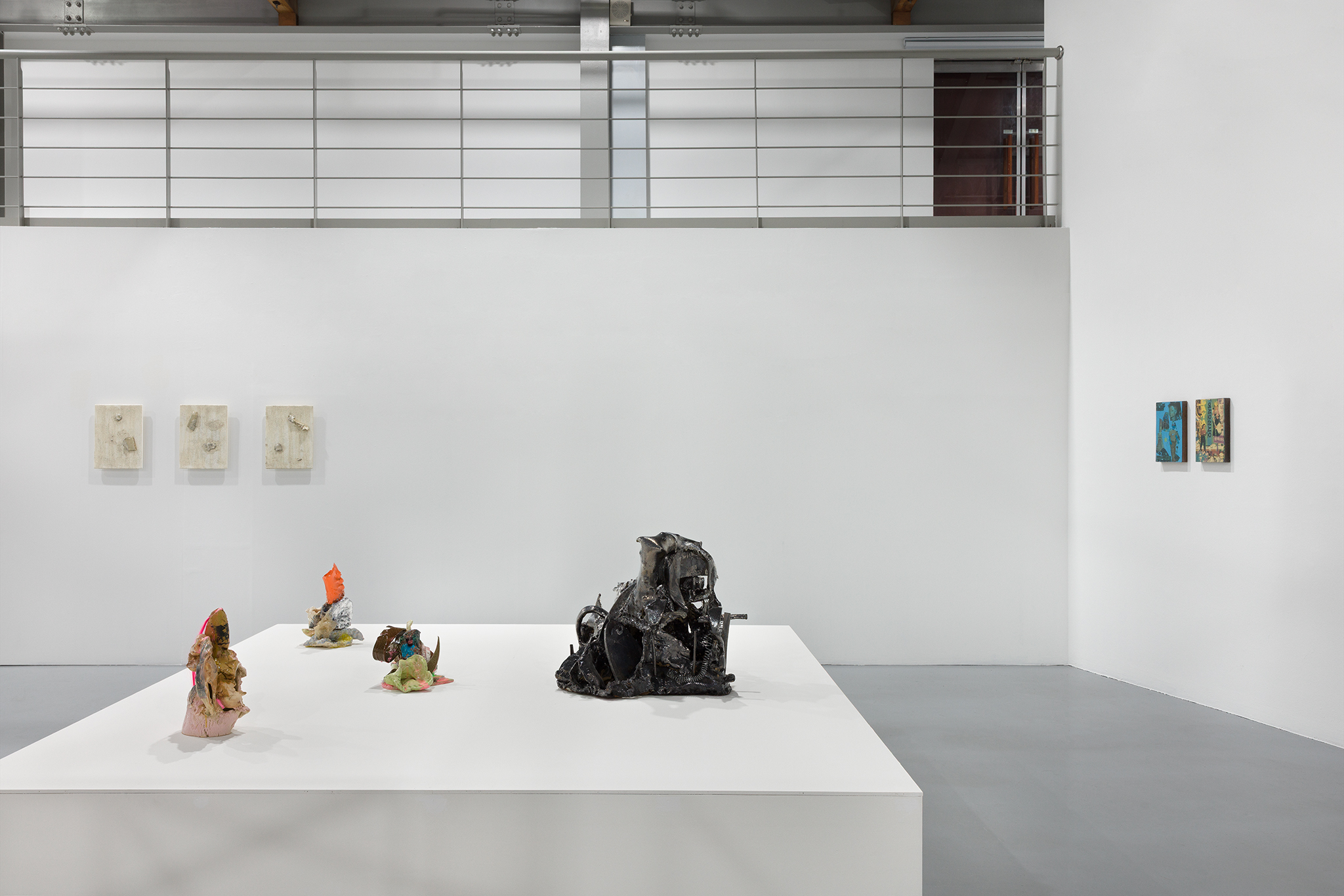
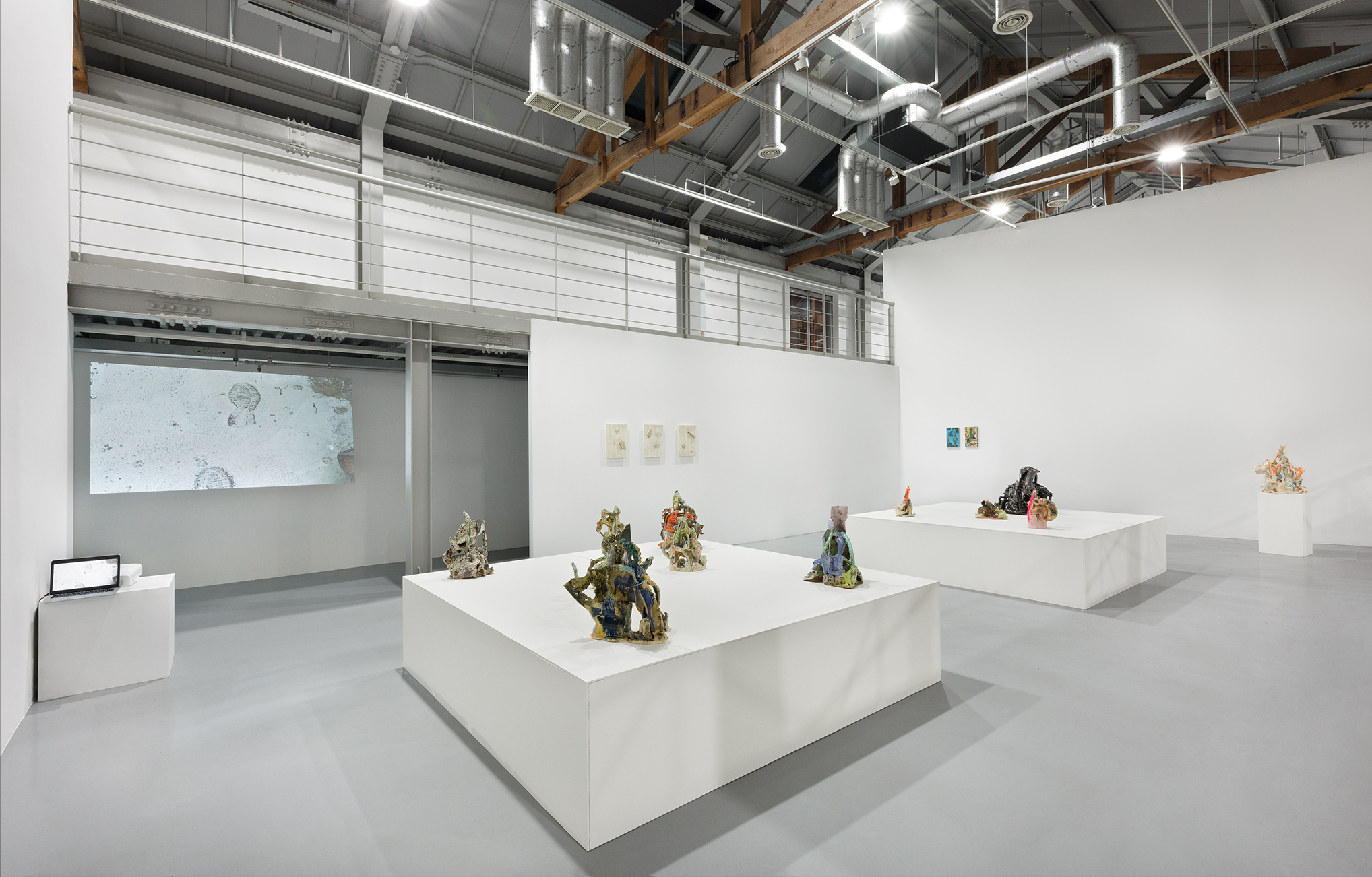
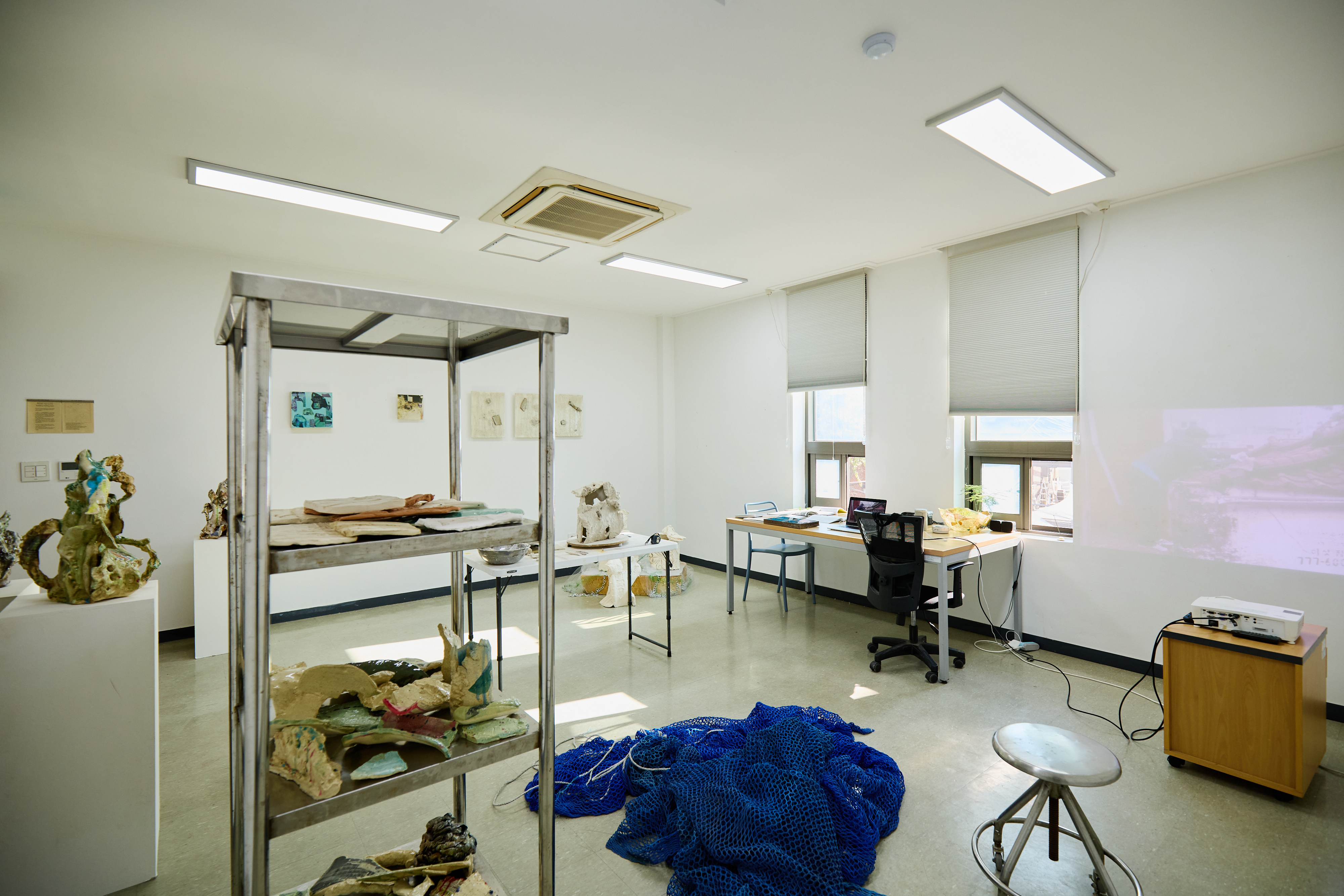
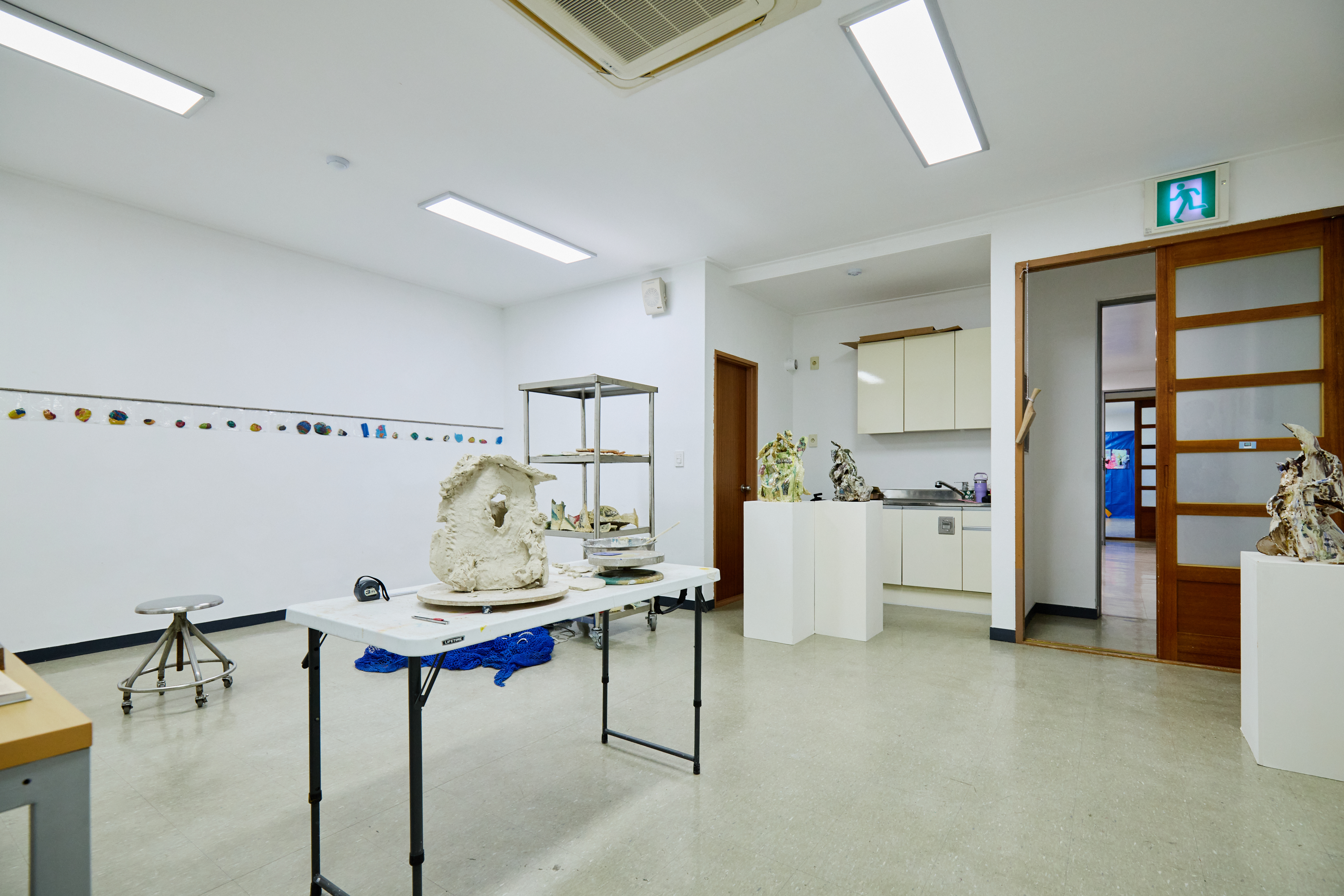
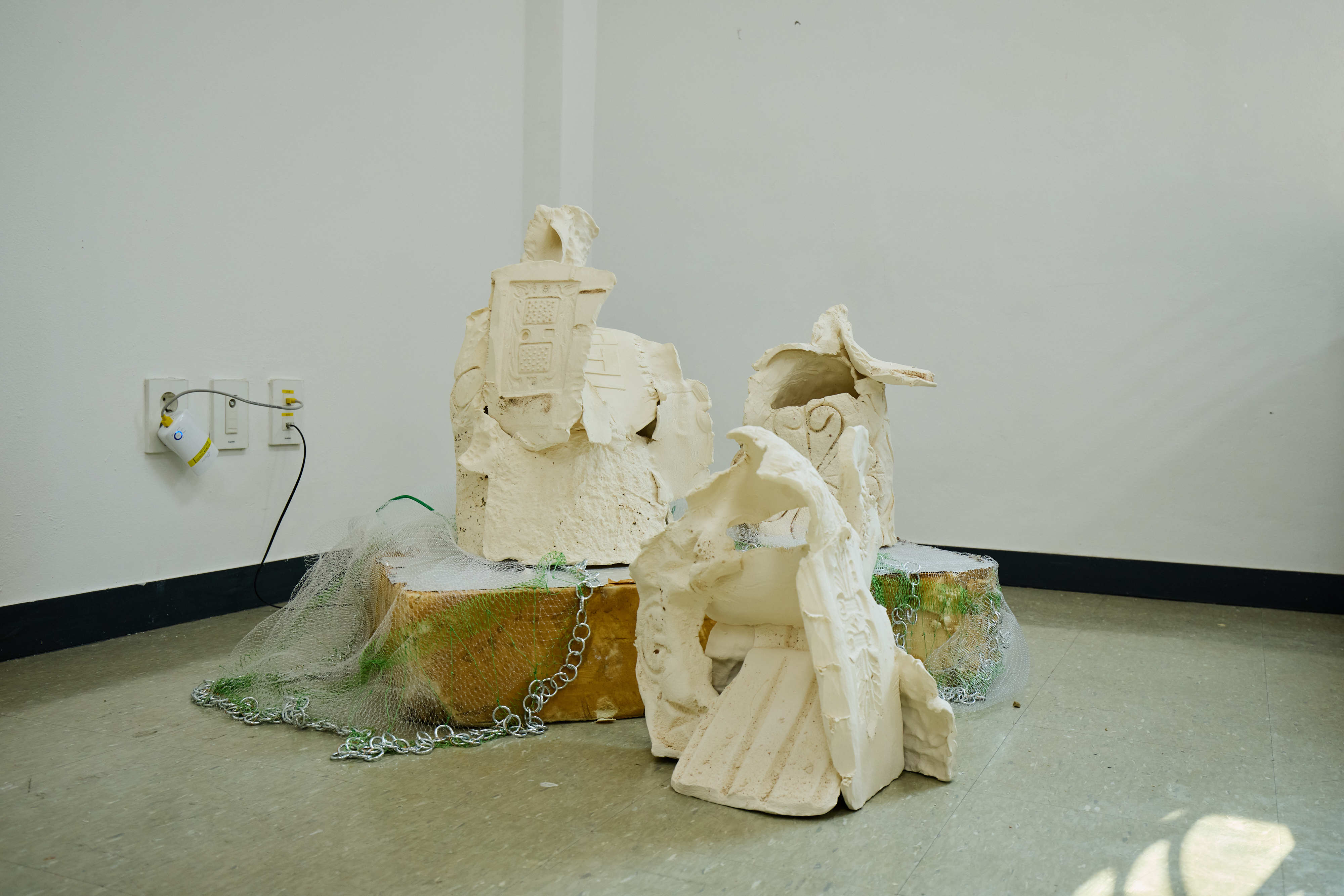
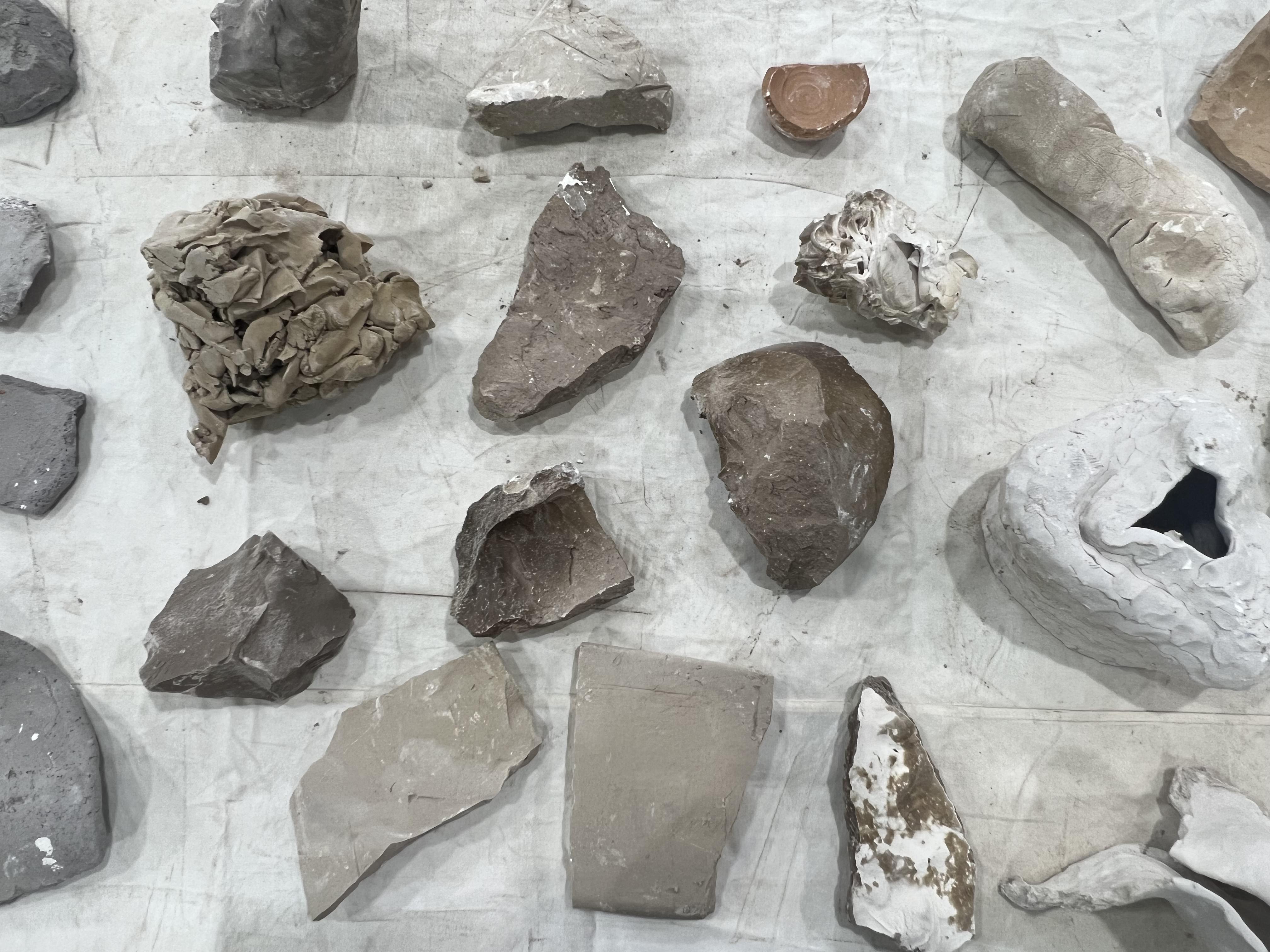
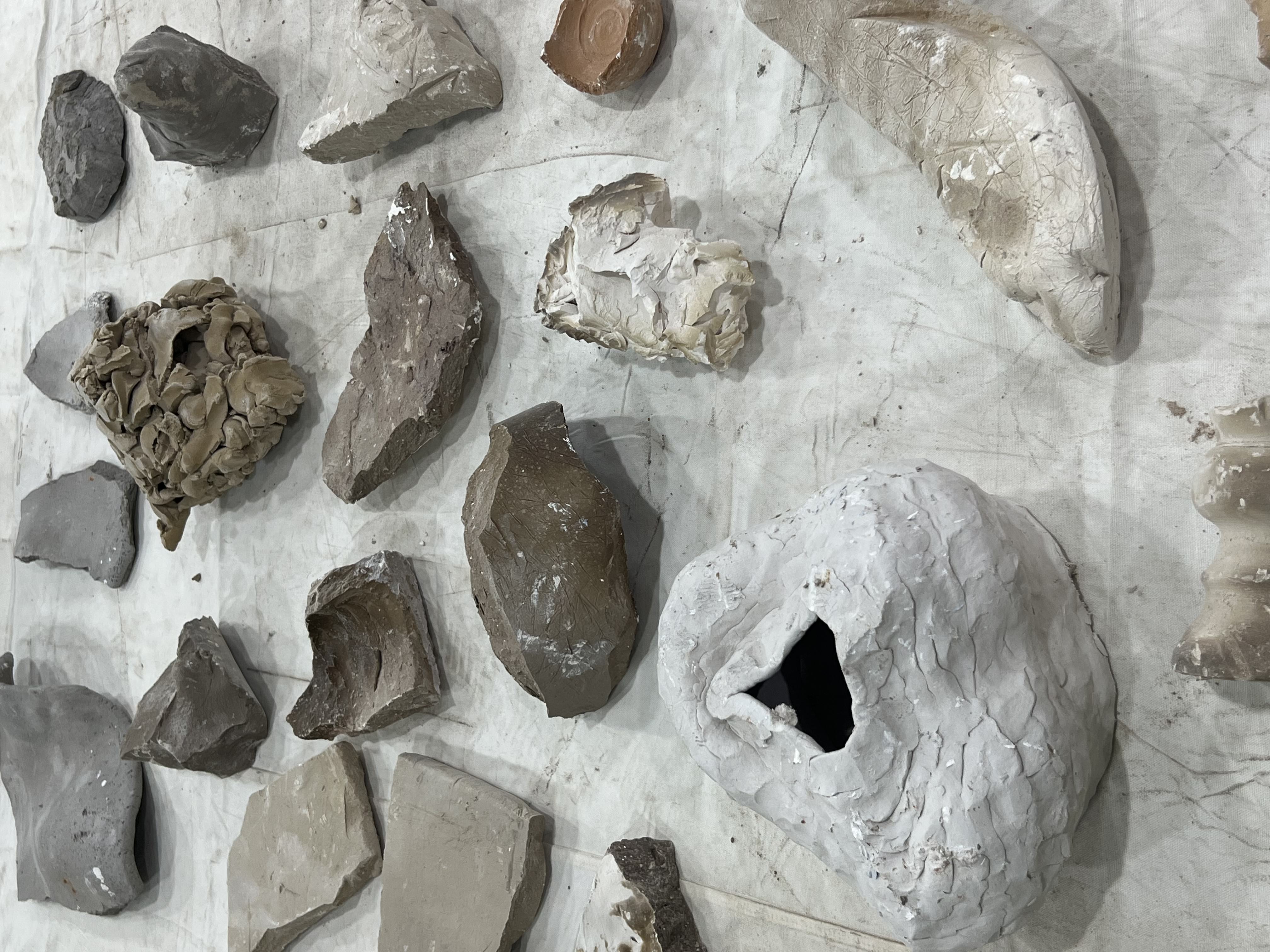
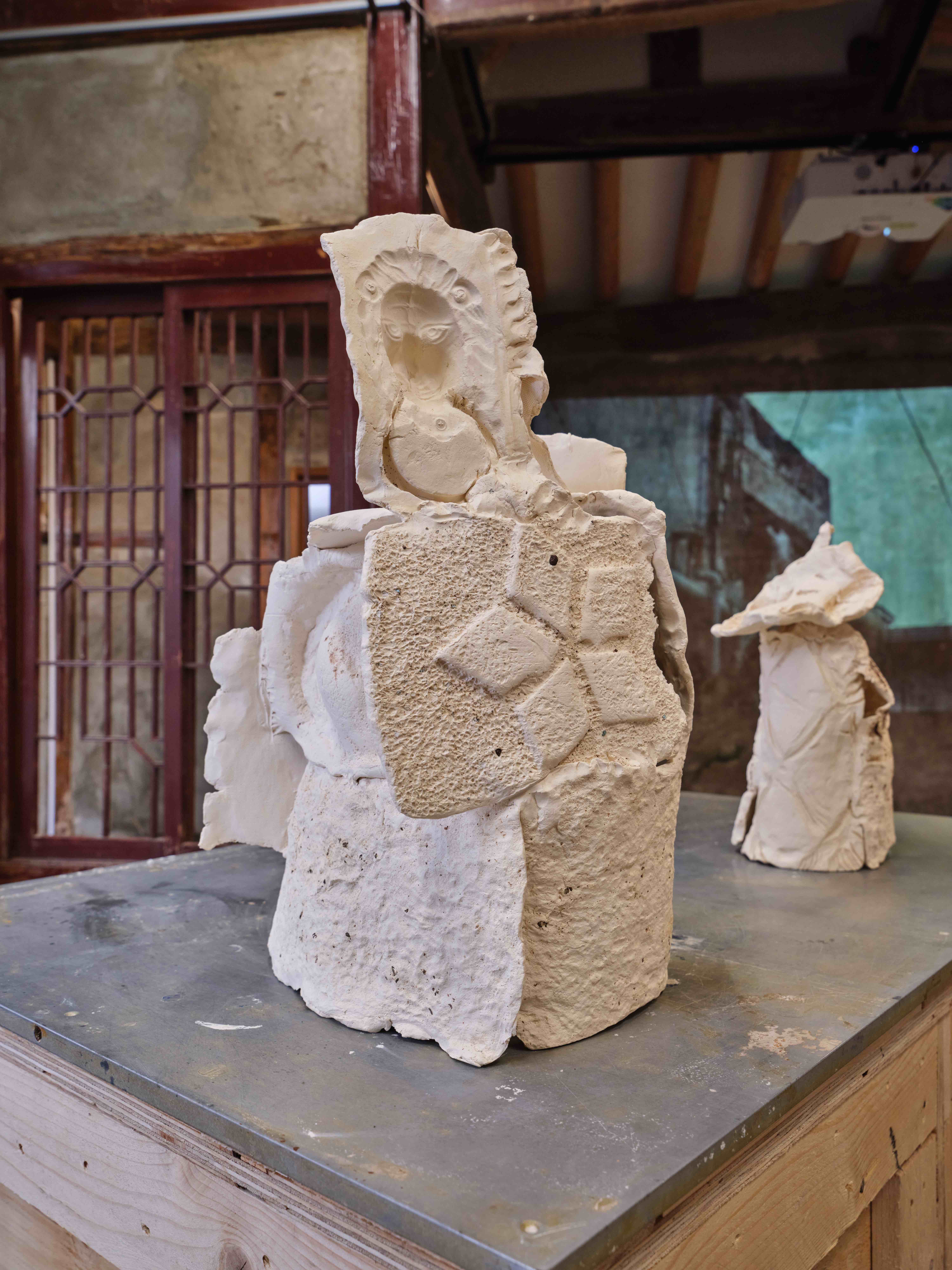 Takvonsuzip - Songlim Redevelopment Area, Dong-gu, Incheon / Ceramics, Variable Size, 2026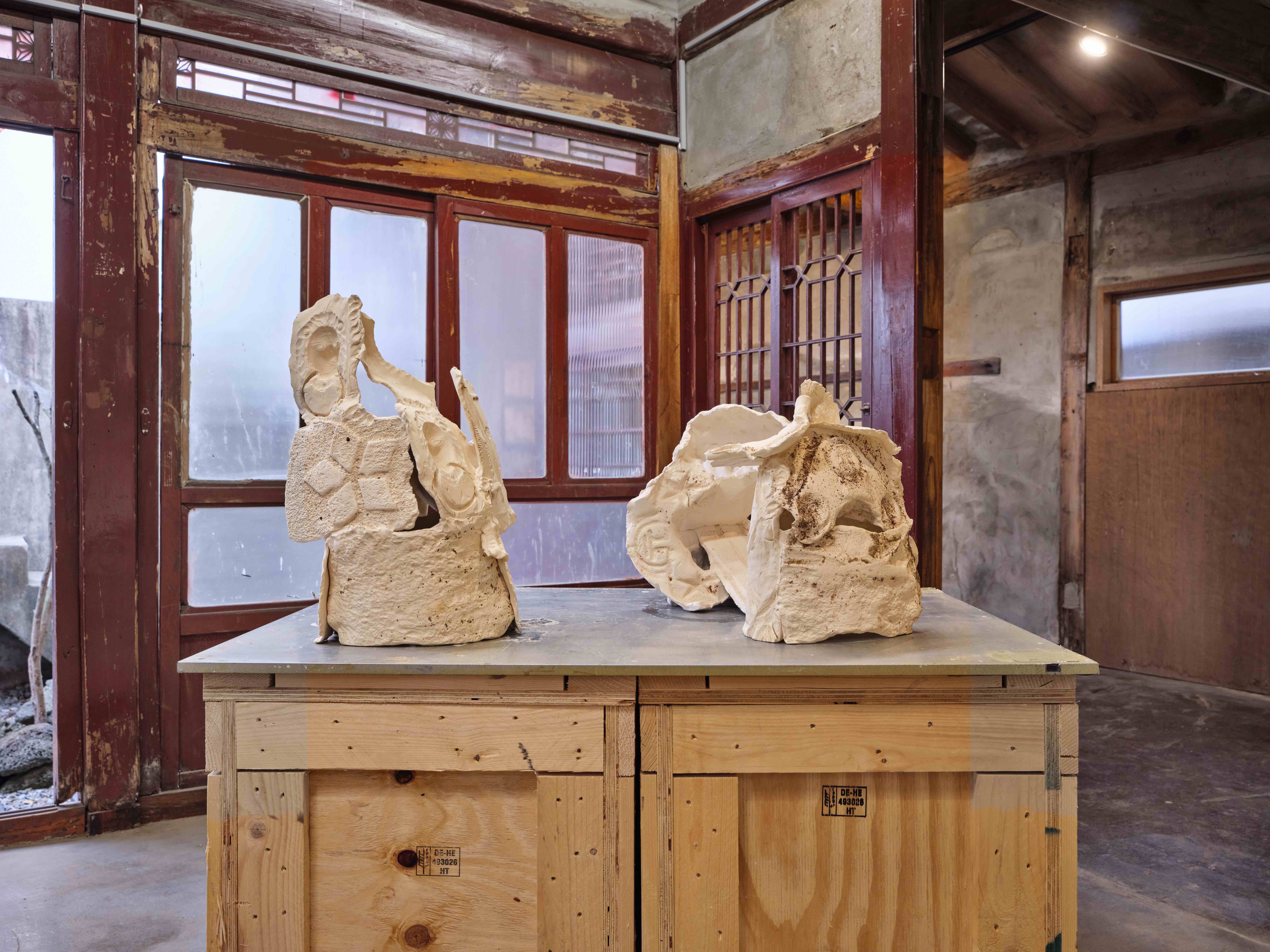
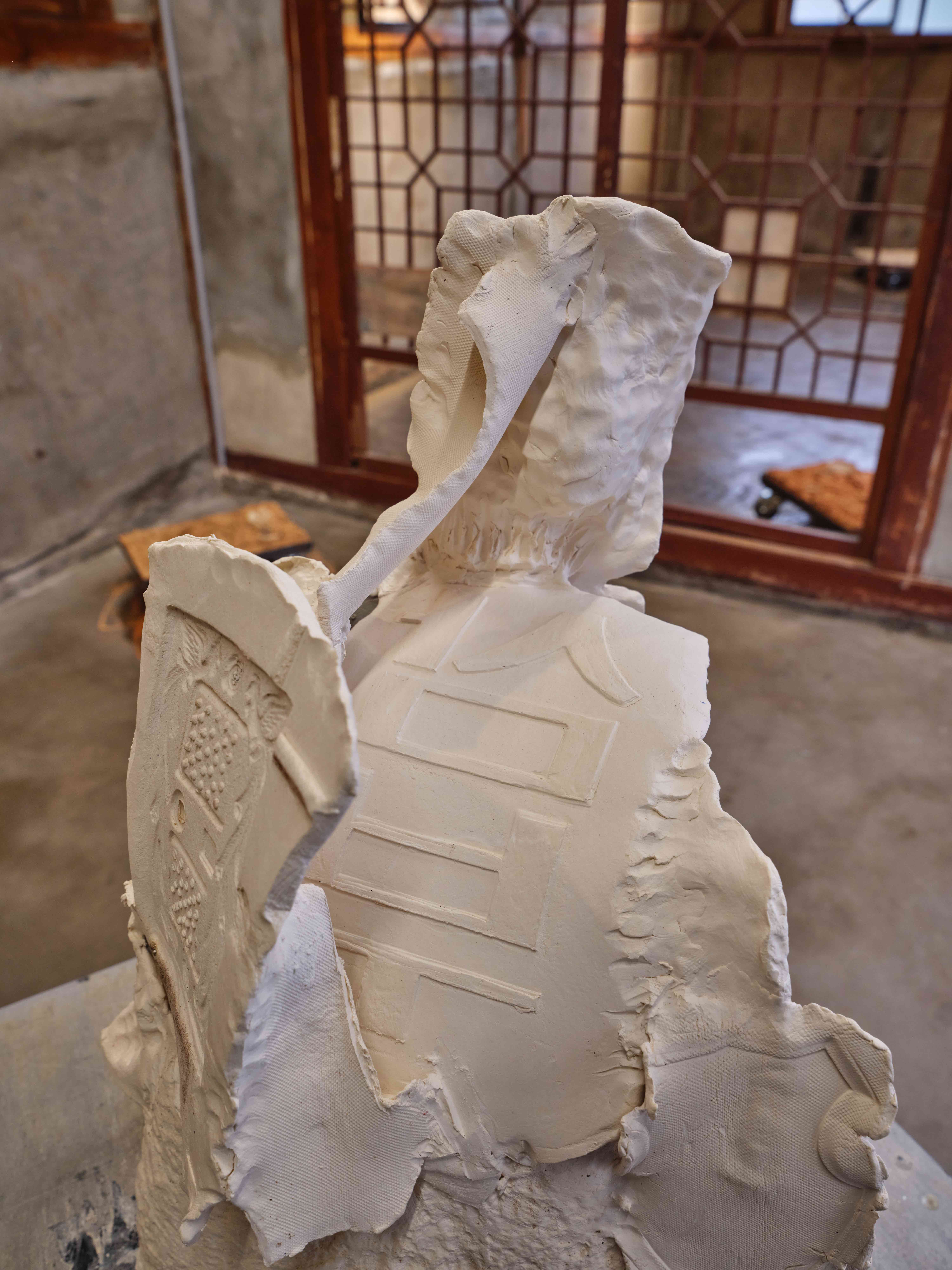
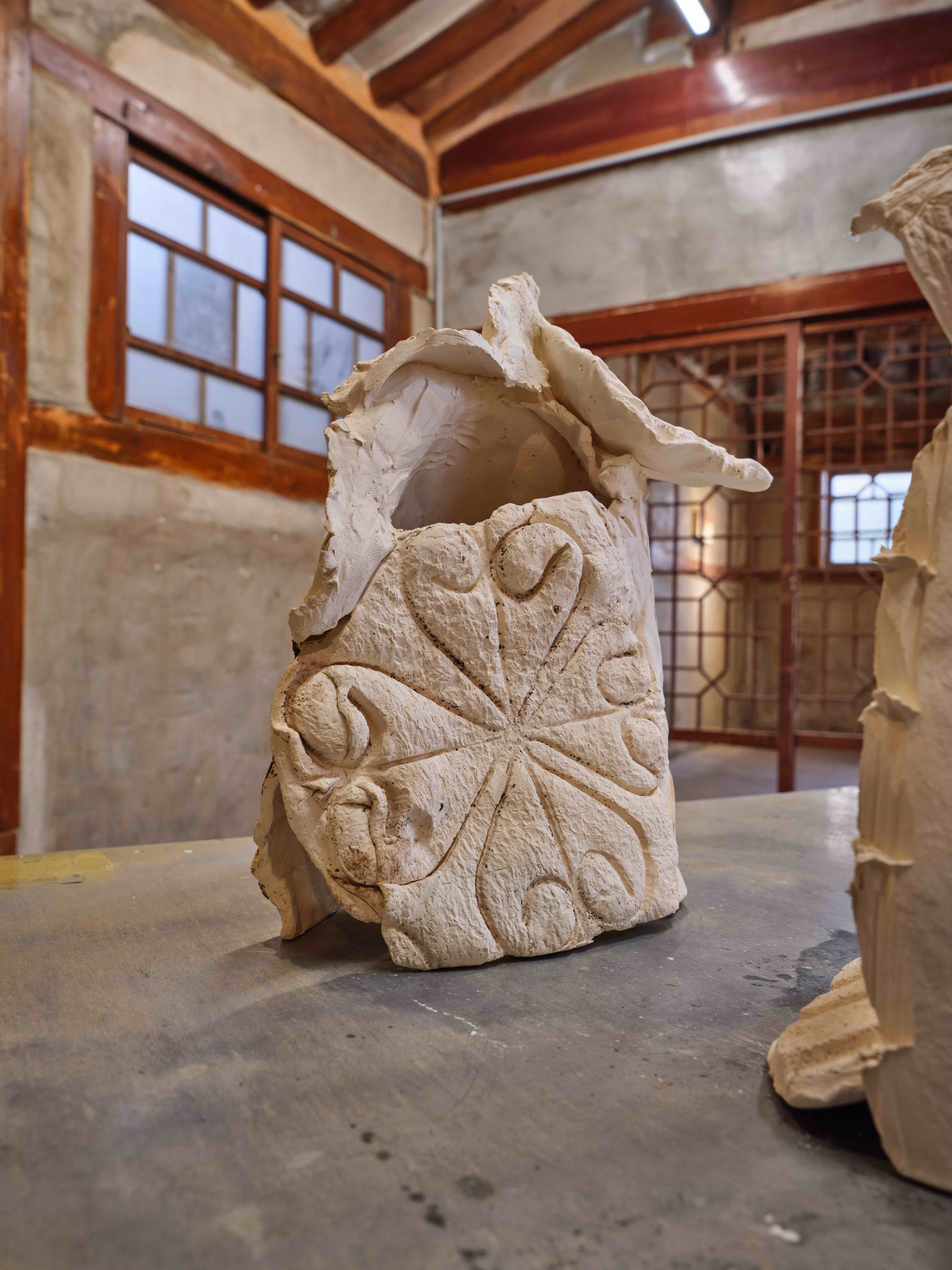
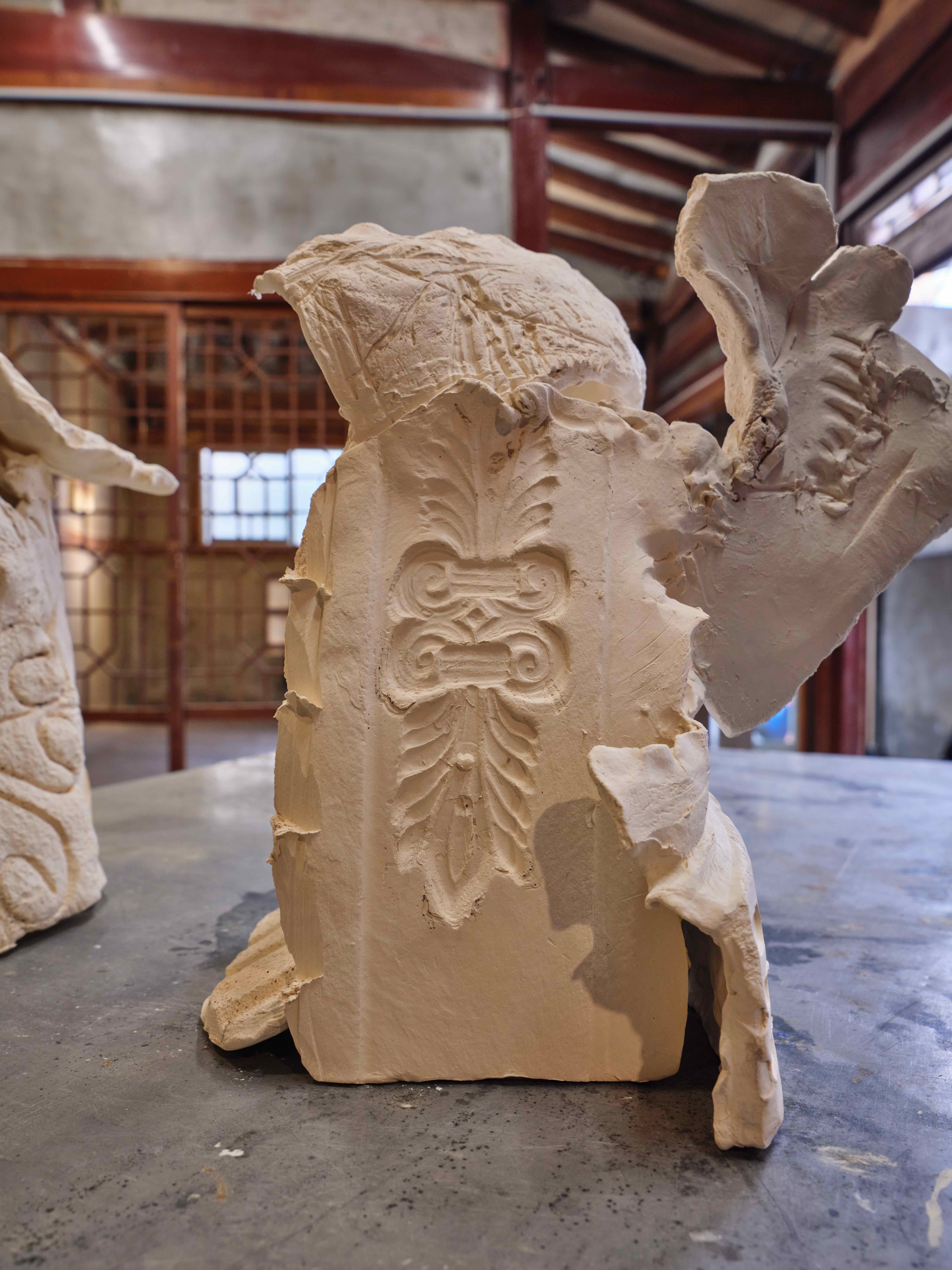
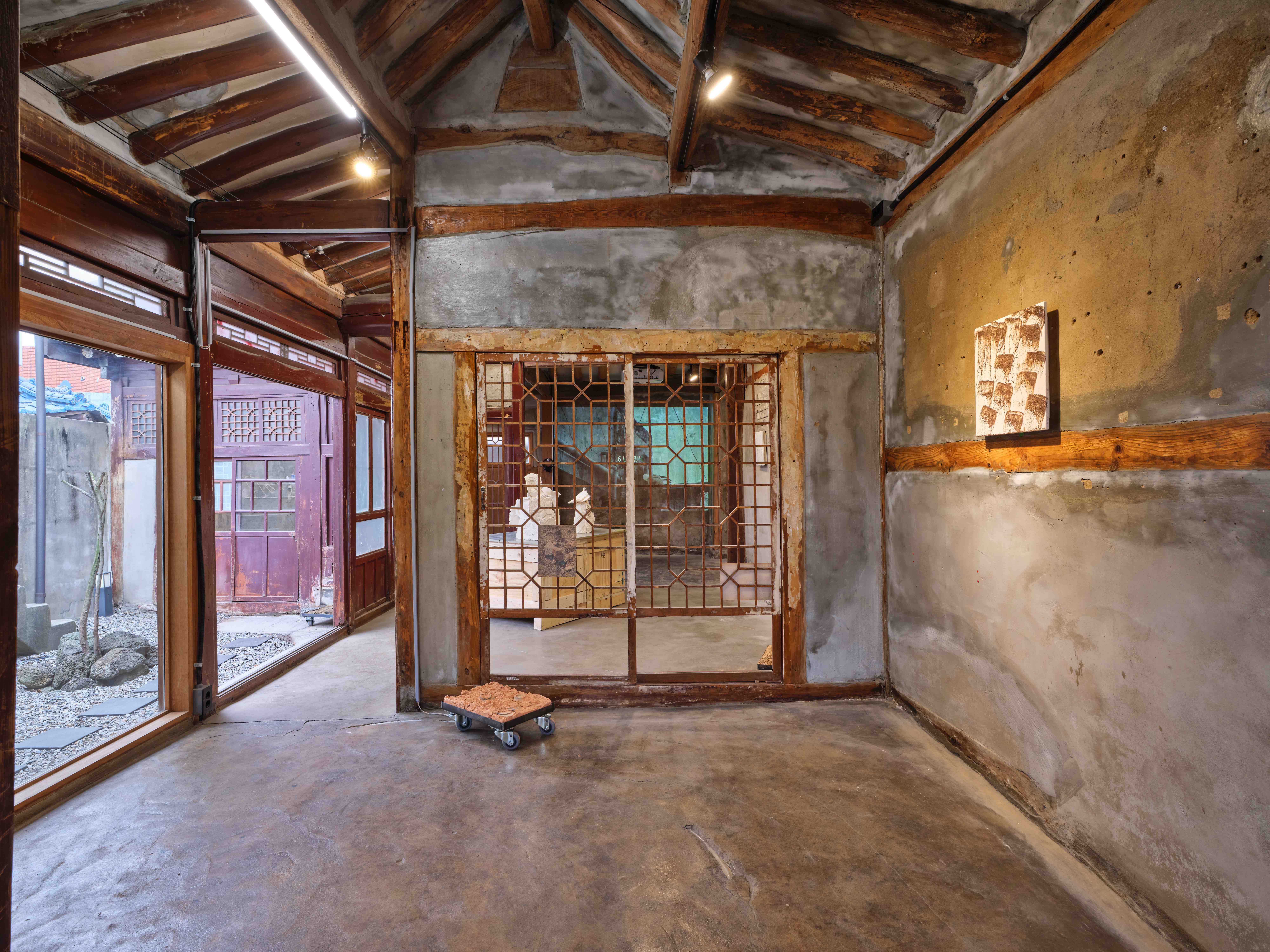
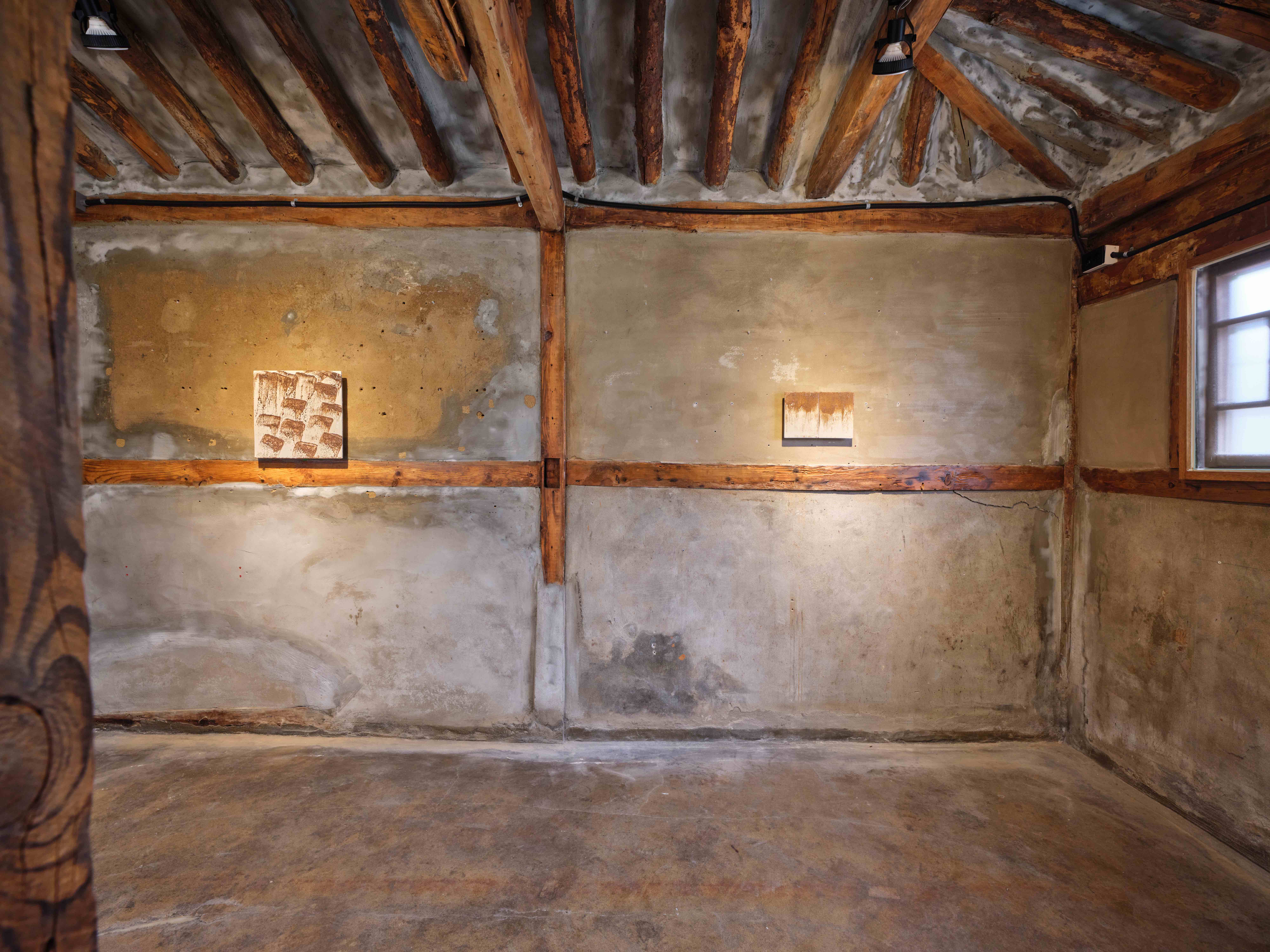
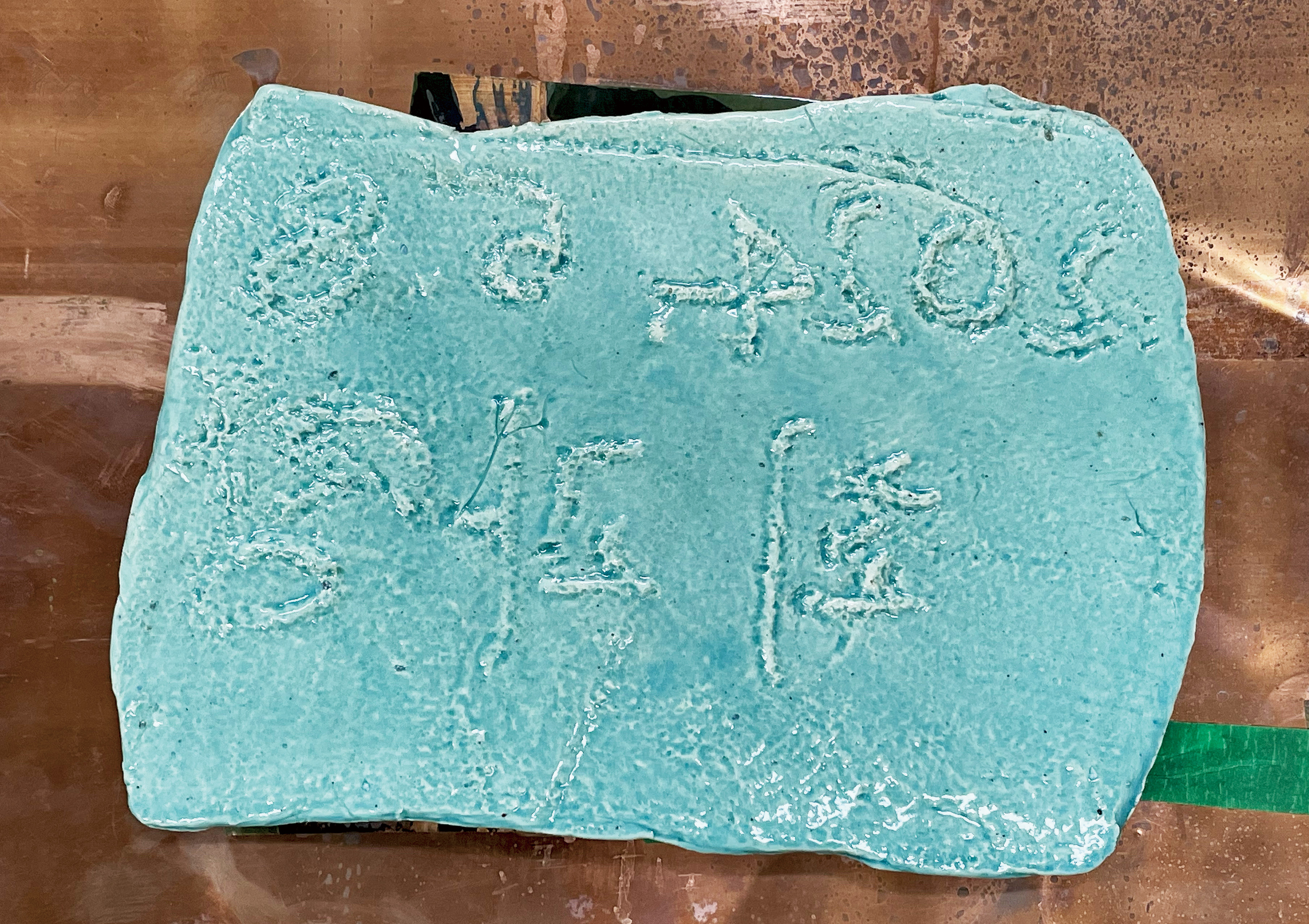
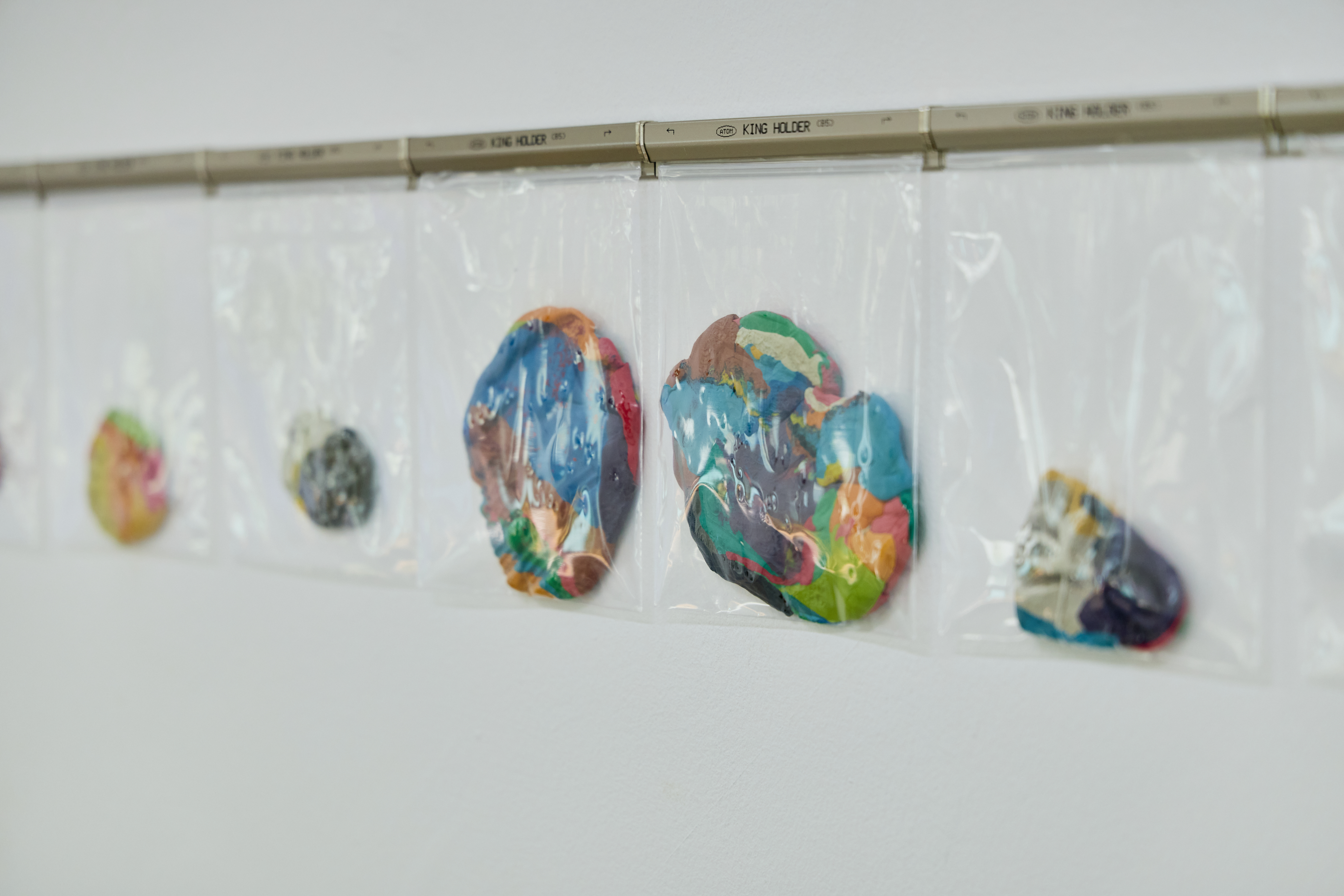
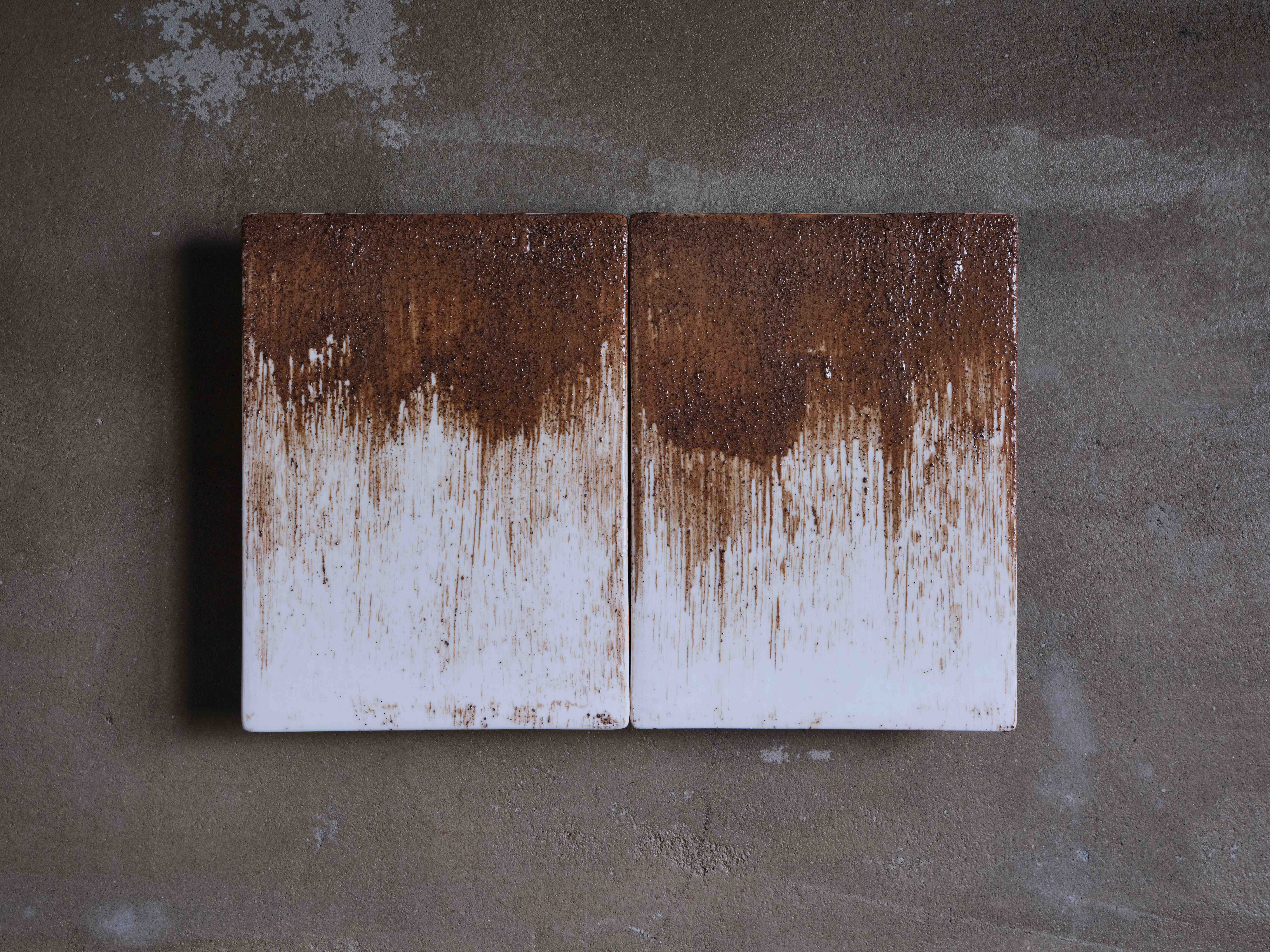 Site Records - Woljung-ri Heukto, Goheung, Jeollanam-do / Mined clay on Ceramic plate, 21x31cm, 2026
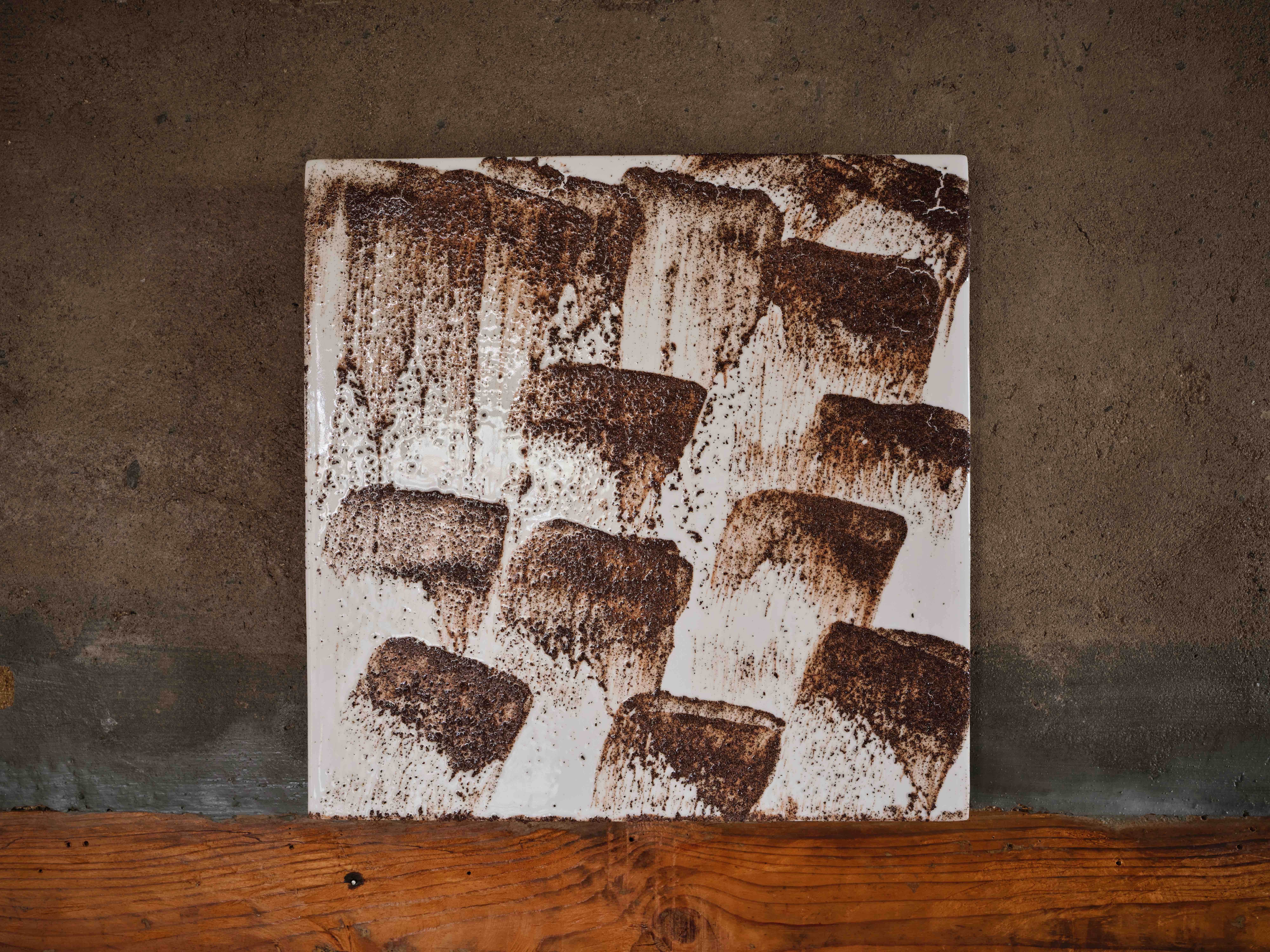 Site Records - Pungryu-ri Hwangto, Goheung, Jeollanam-do / Mined clay on Ceramic plate, 35x35cm, 2026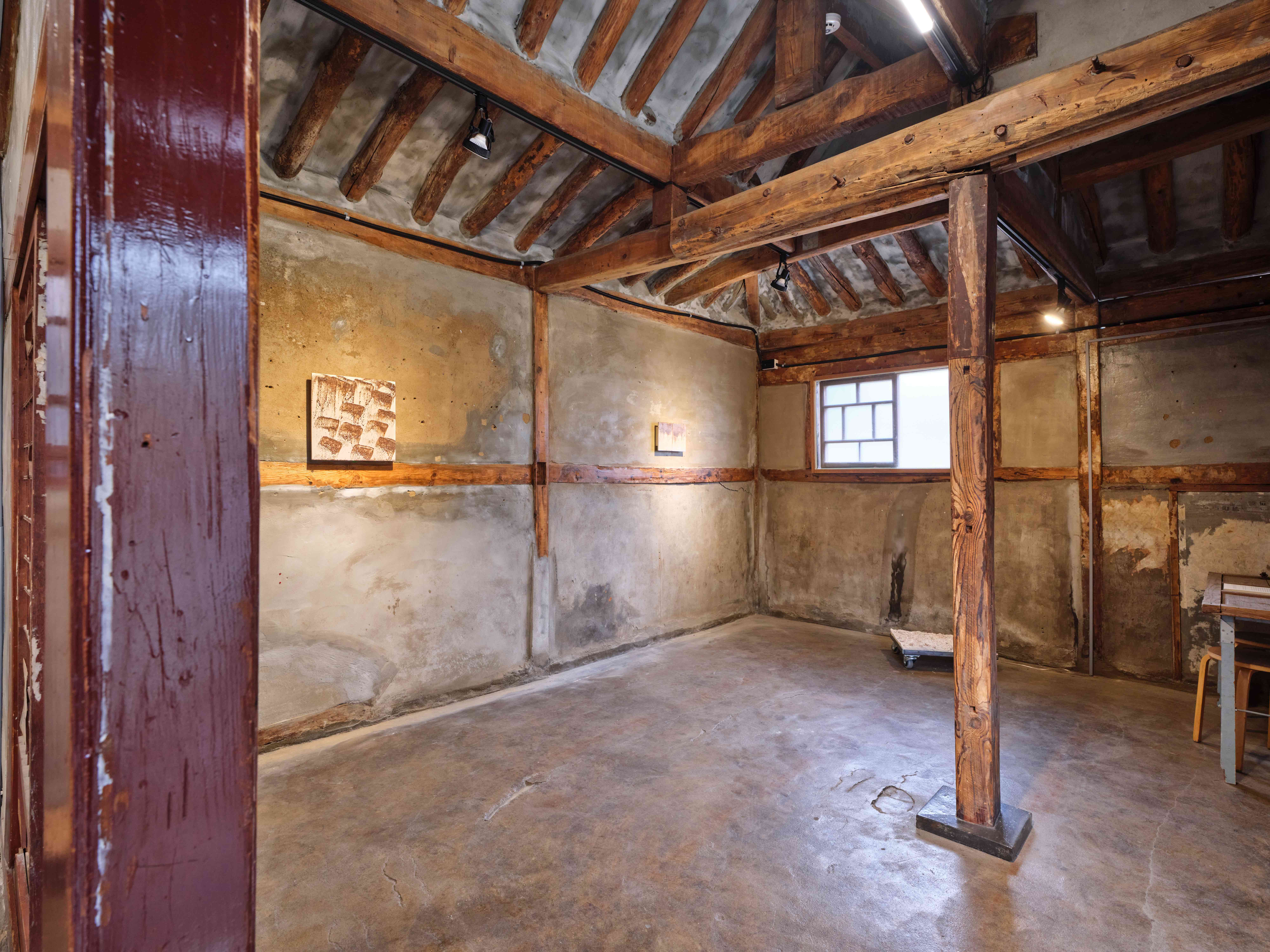
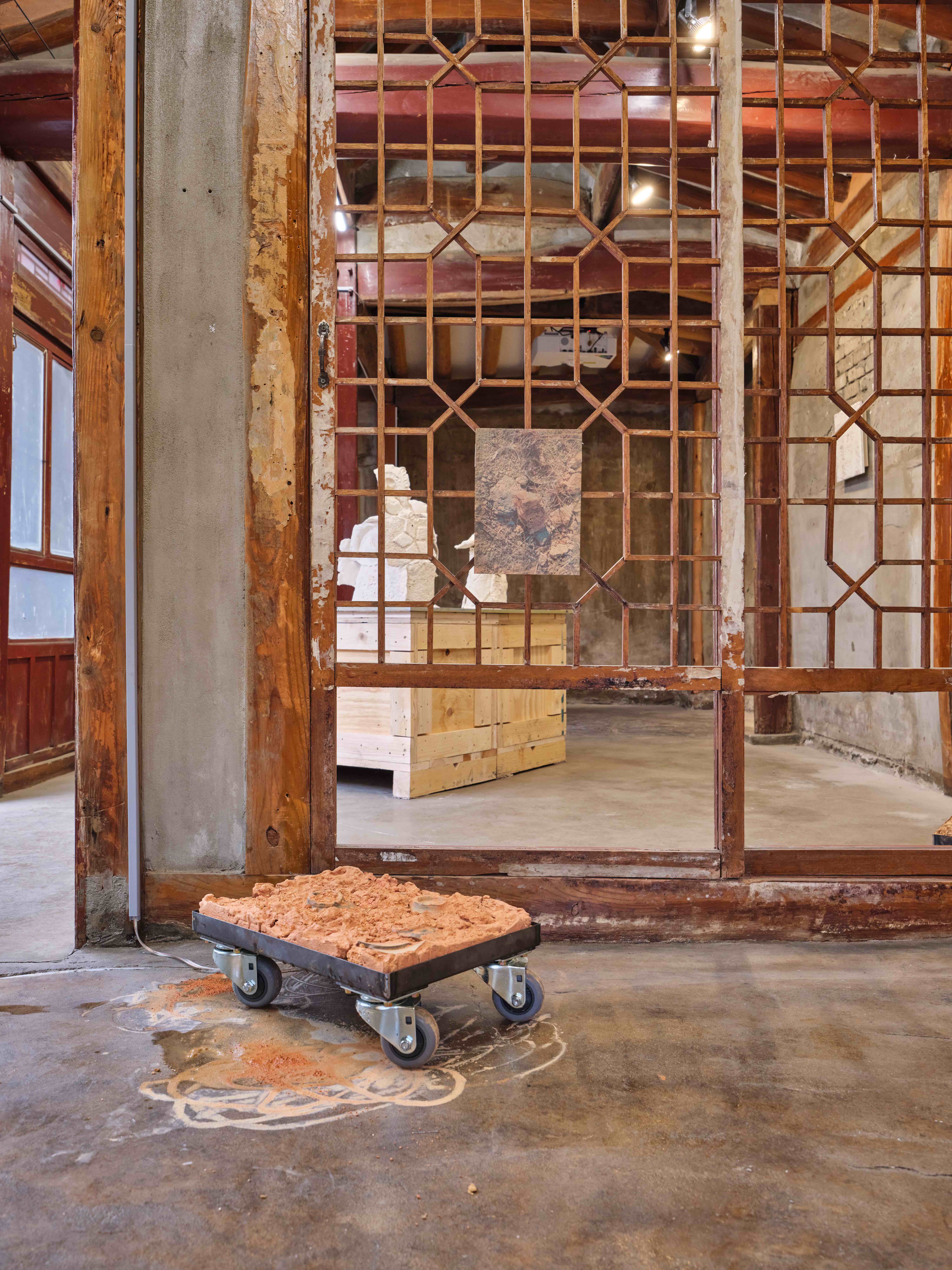
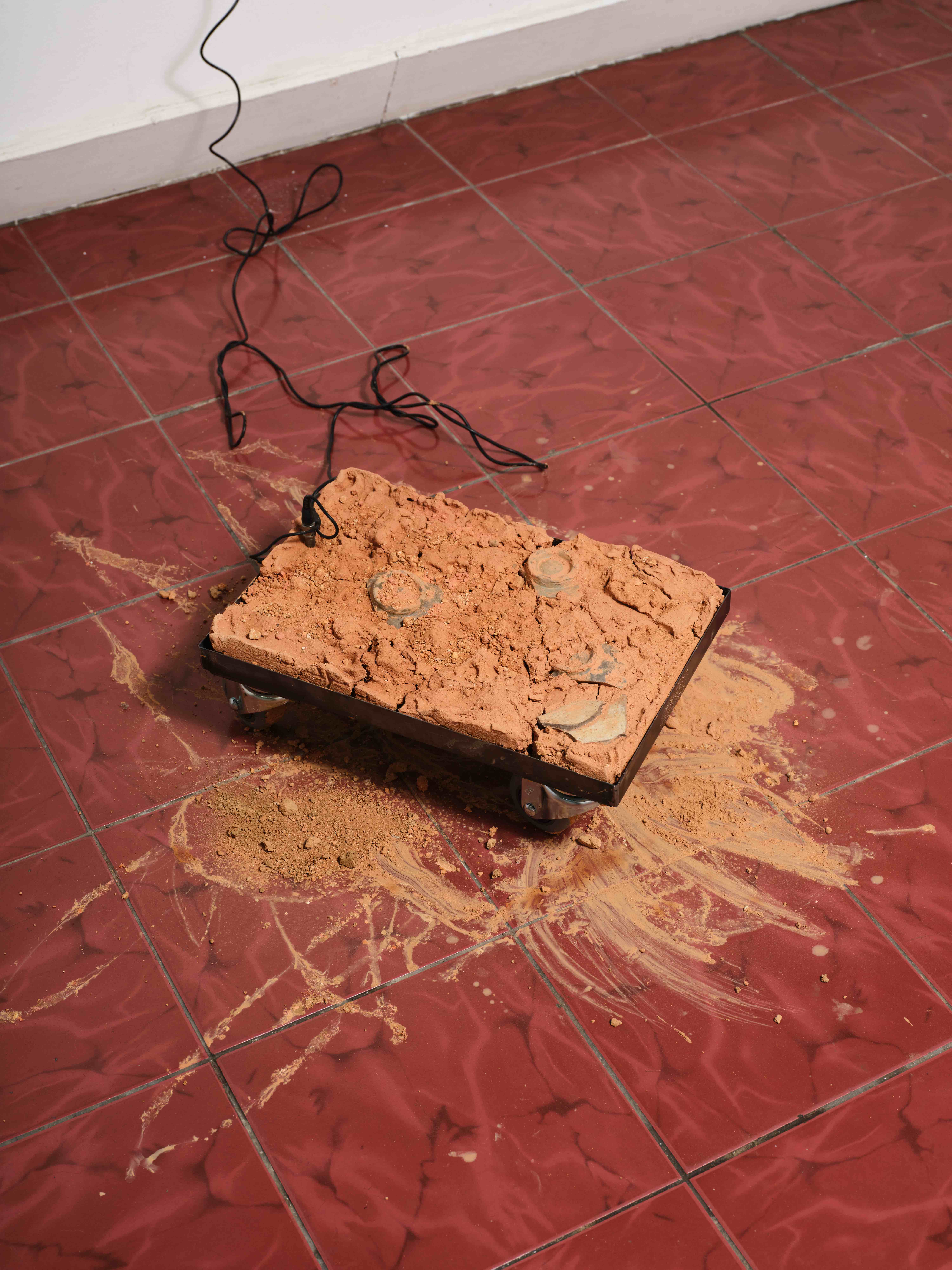
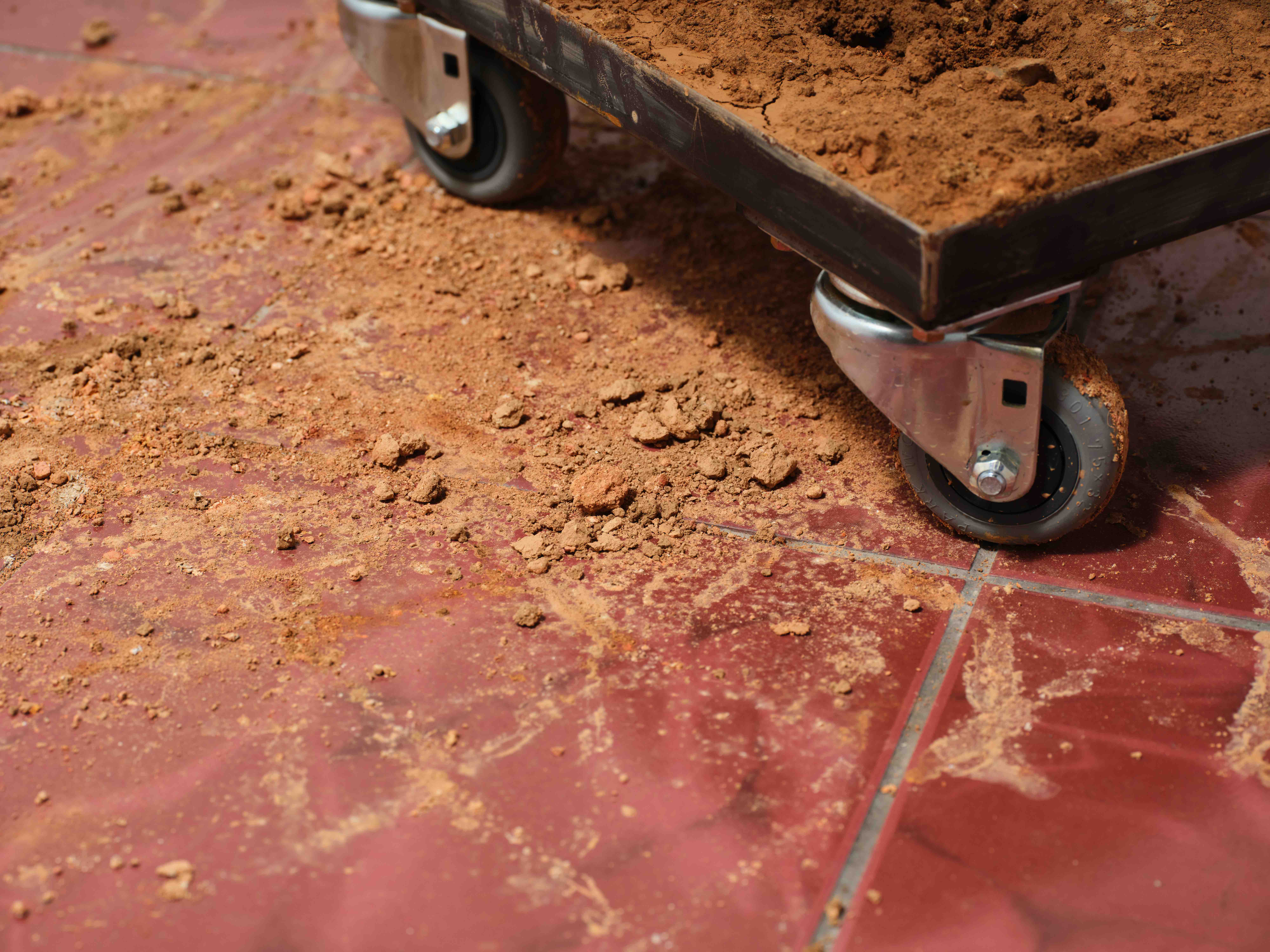
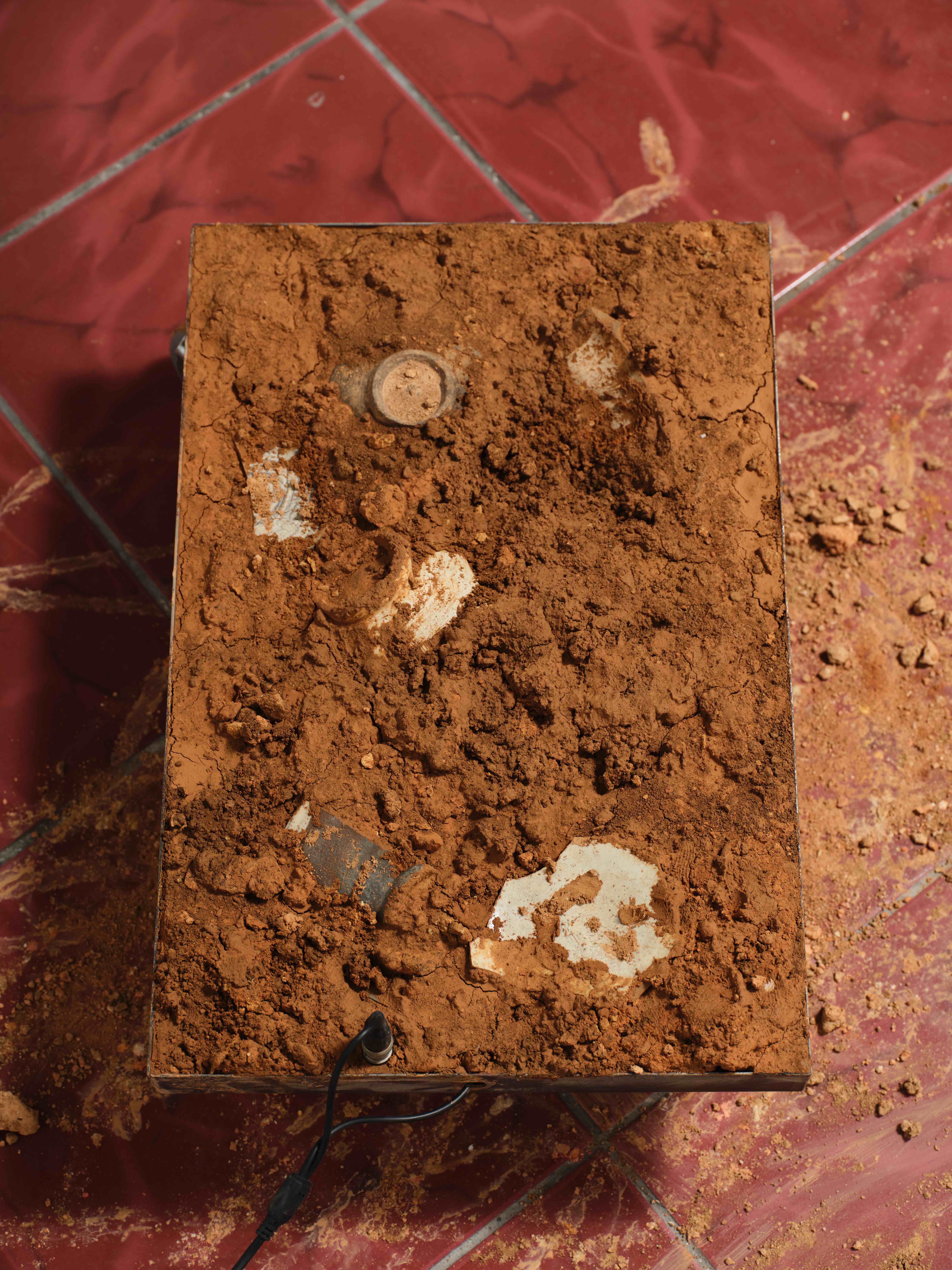
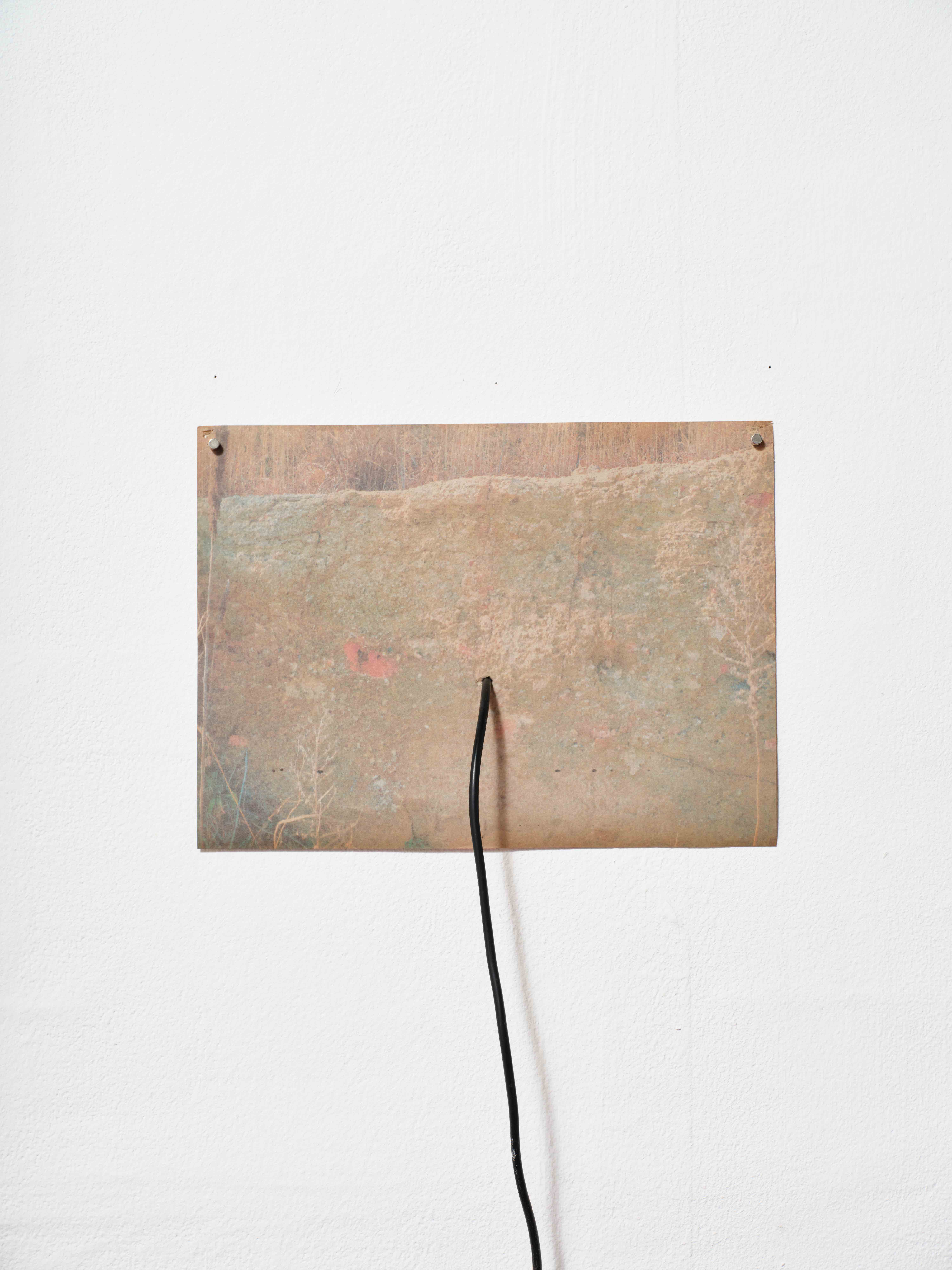
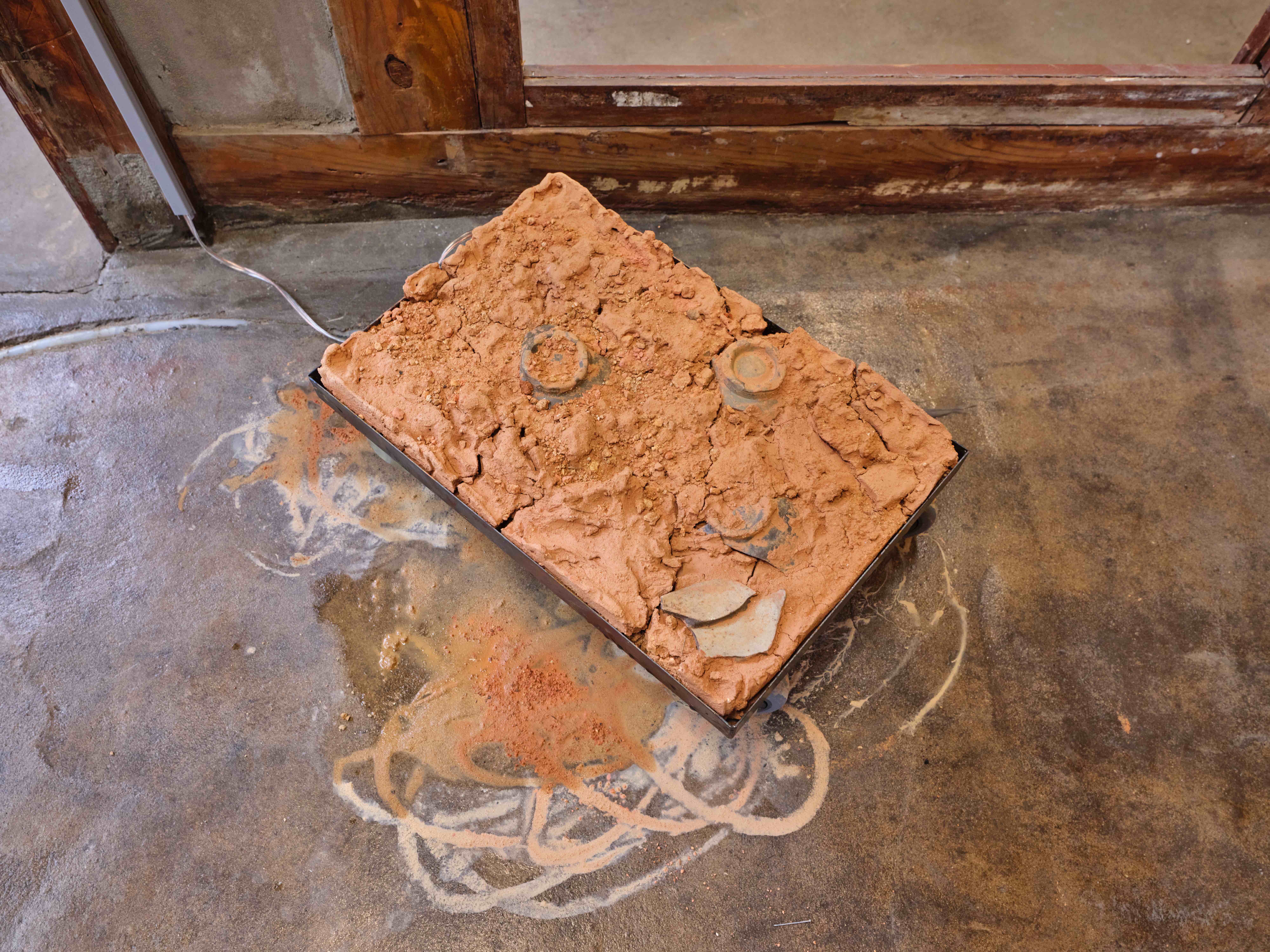 Terra-Cart_Undae-ri, Goheung, Jeollanam-do / 1-channel sound, Speaker, Mined clay, Collected ceramic fragments, Iron plate, Wheels, Electric wires, Paper, 44×29×14cm, 2026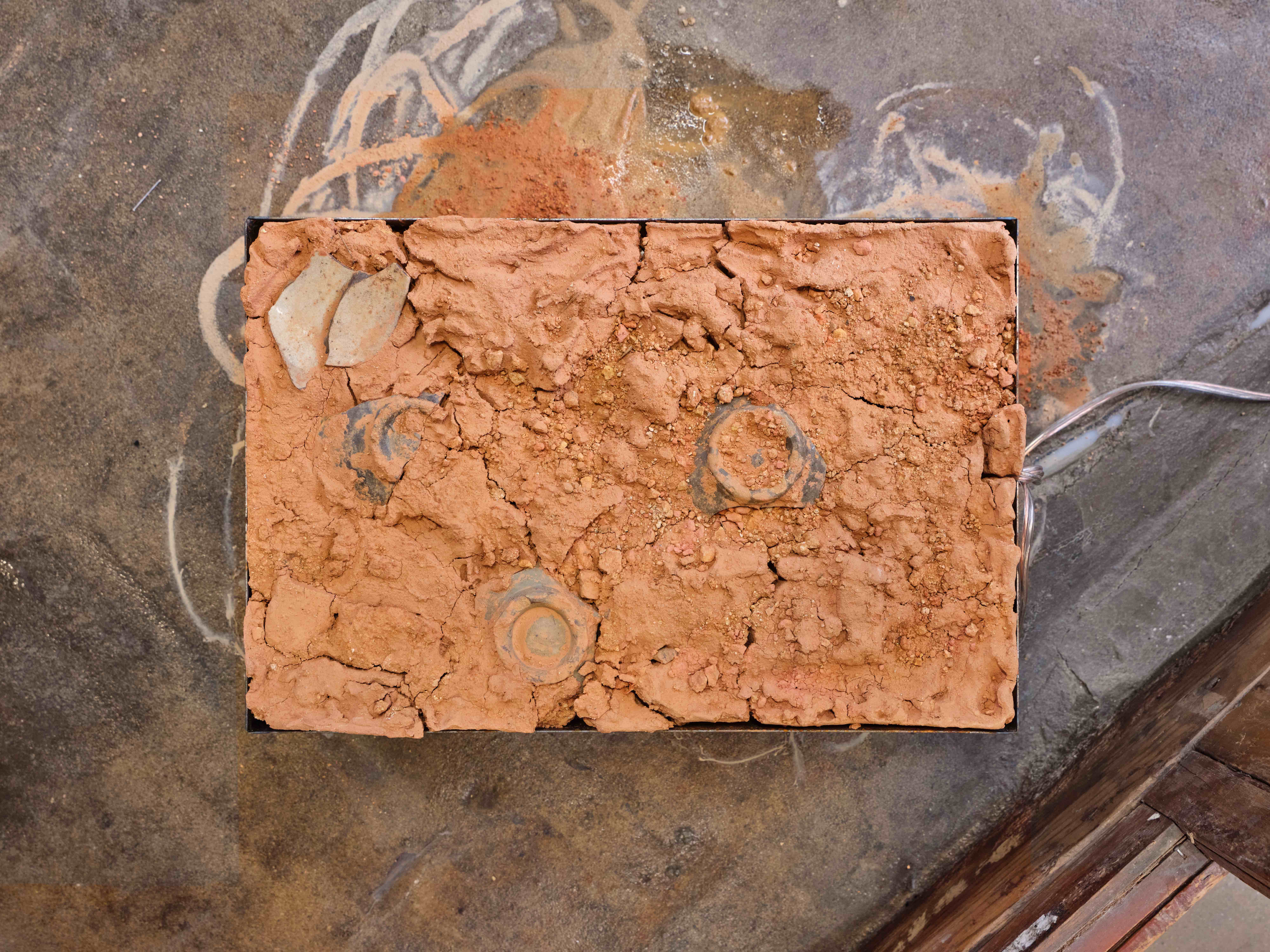
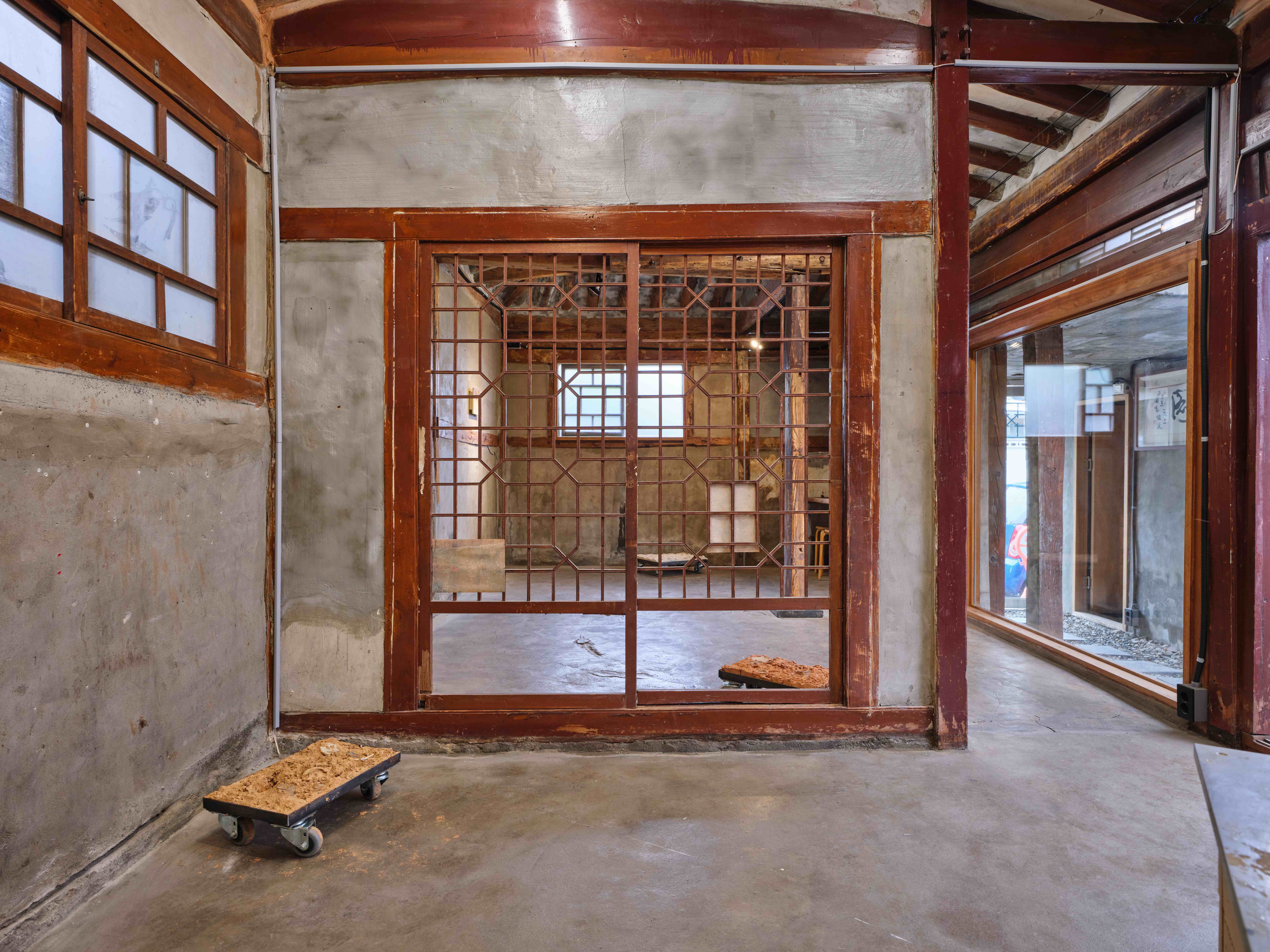
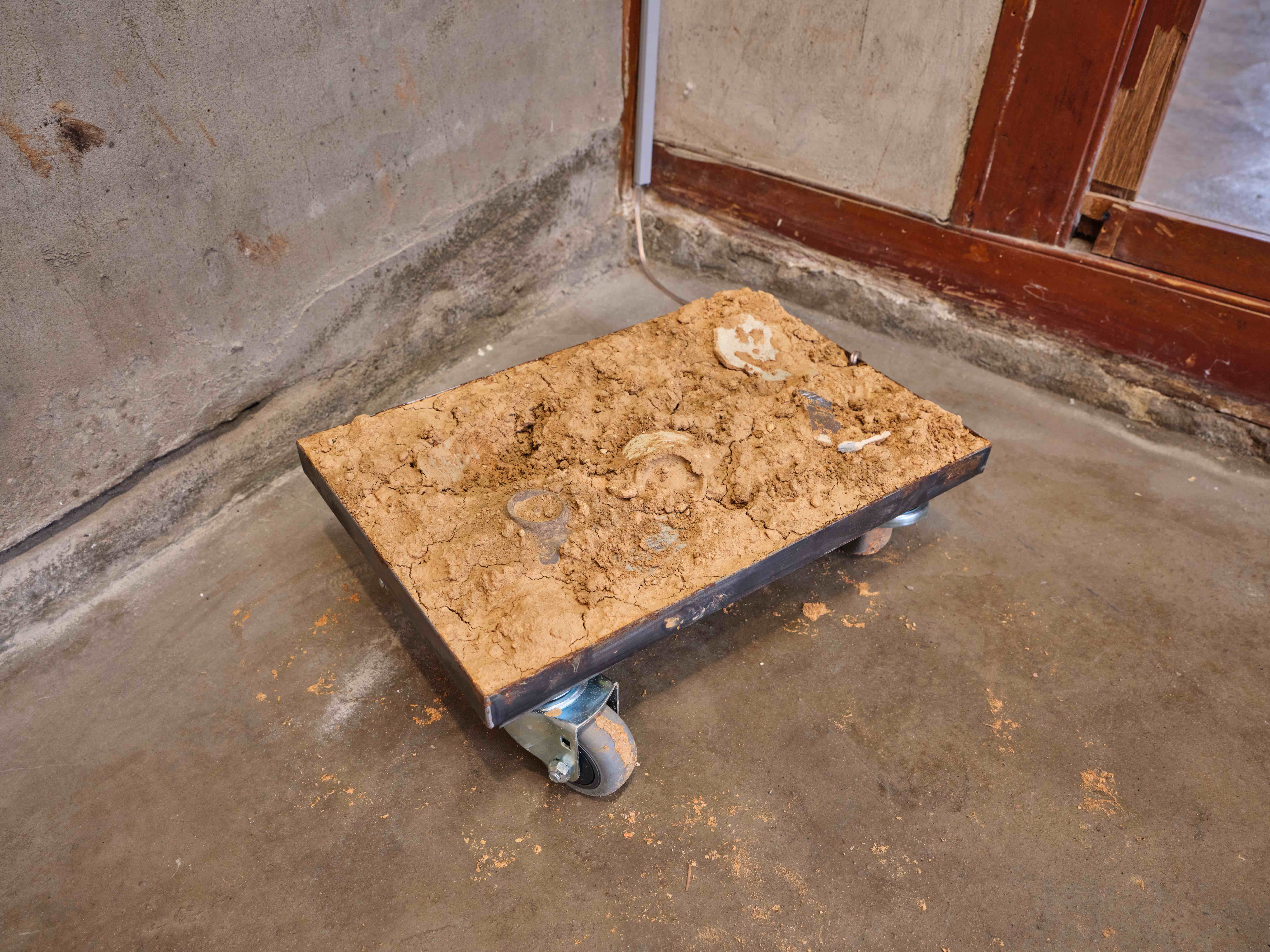
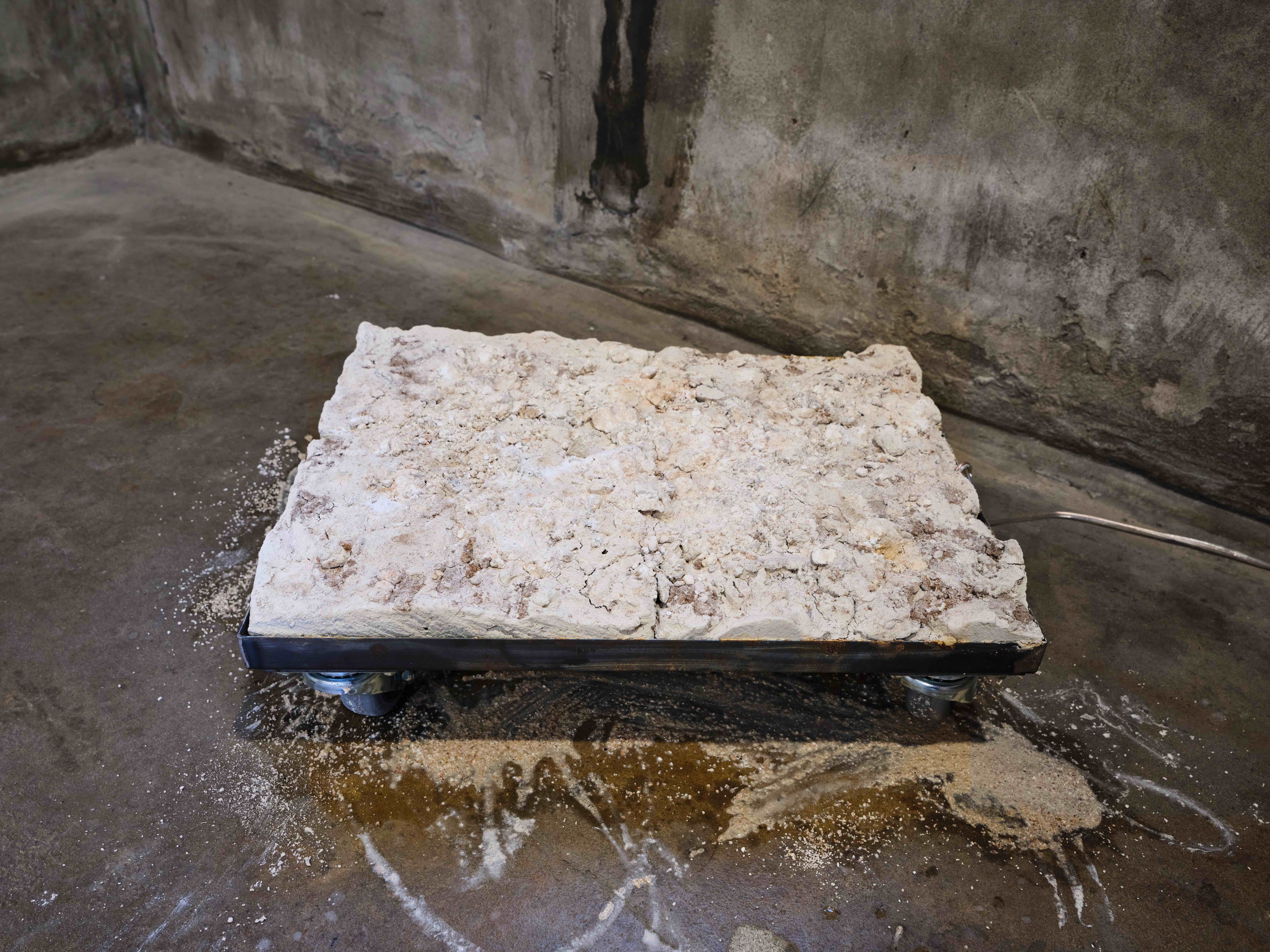 Terra-Cart_Punggye-ri, Goheung, Jeollanam-do / 1-channel sound, Speaker, Mined clay, Collected ceramic fragments, Iron plate, Wheels, Electric wires, Paper, 58×44×14cm, 2026
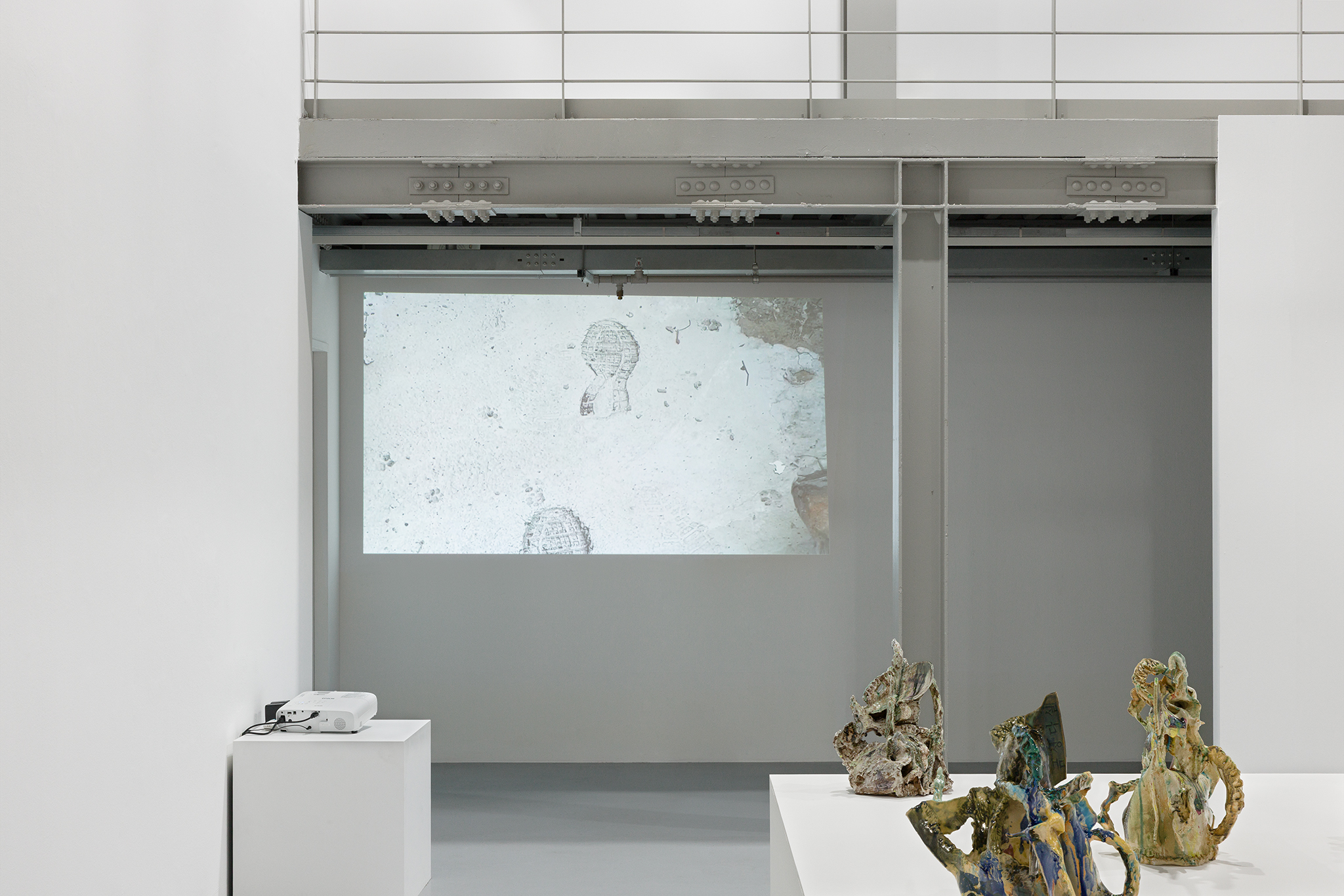
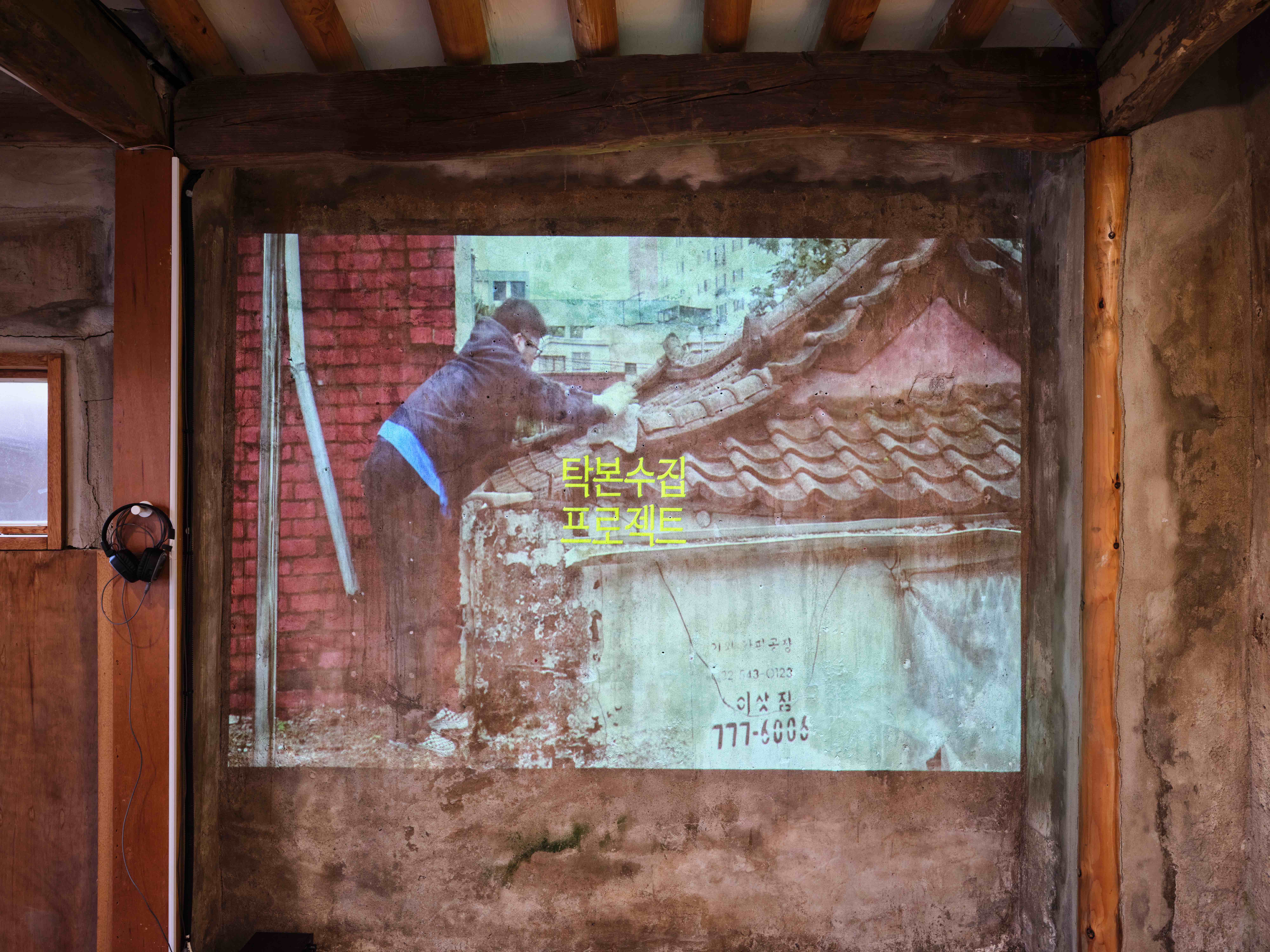 Takvonsuzip Project / Single channel video, 5min. 13sec., 2025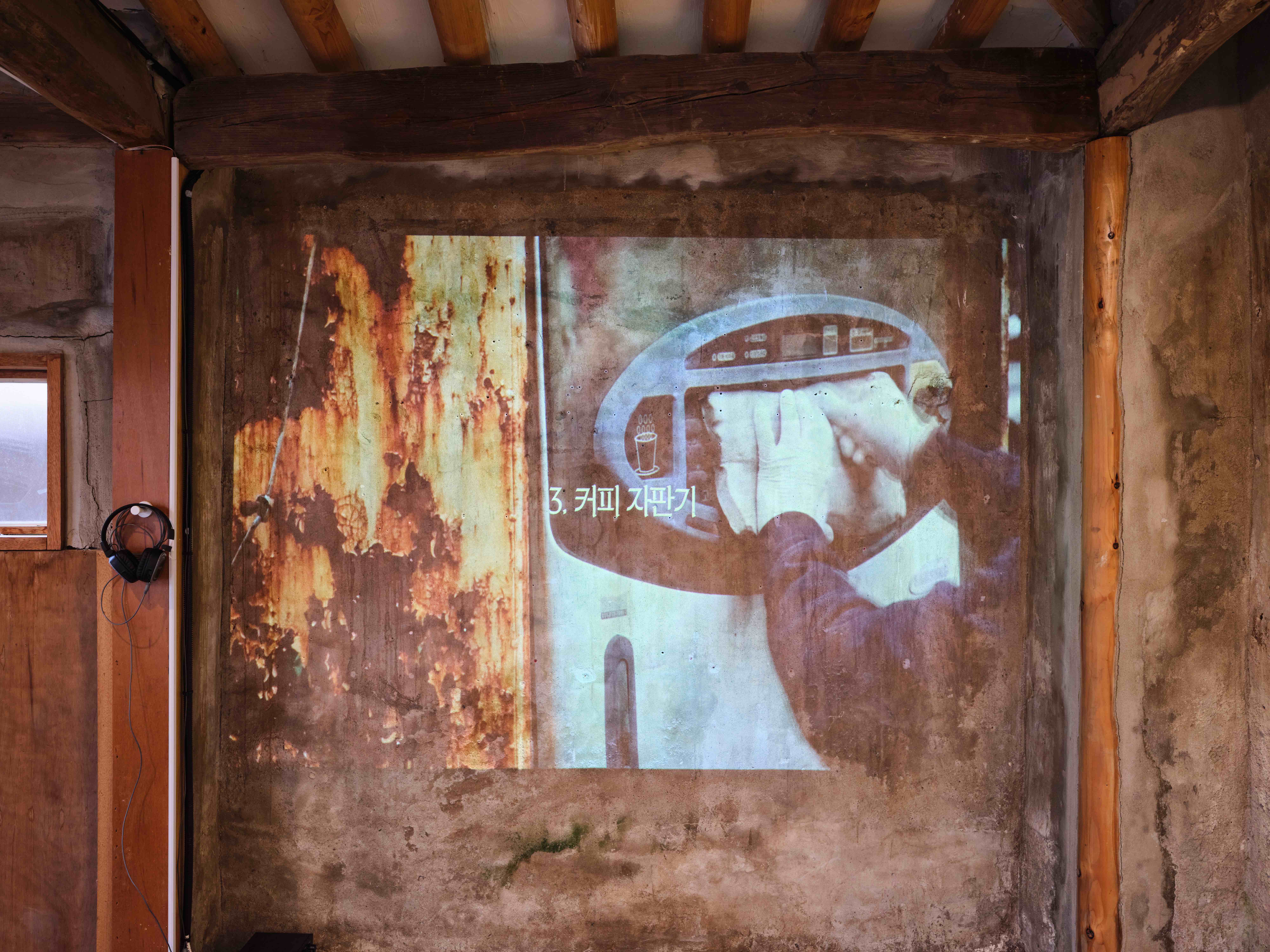
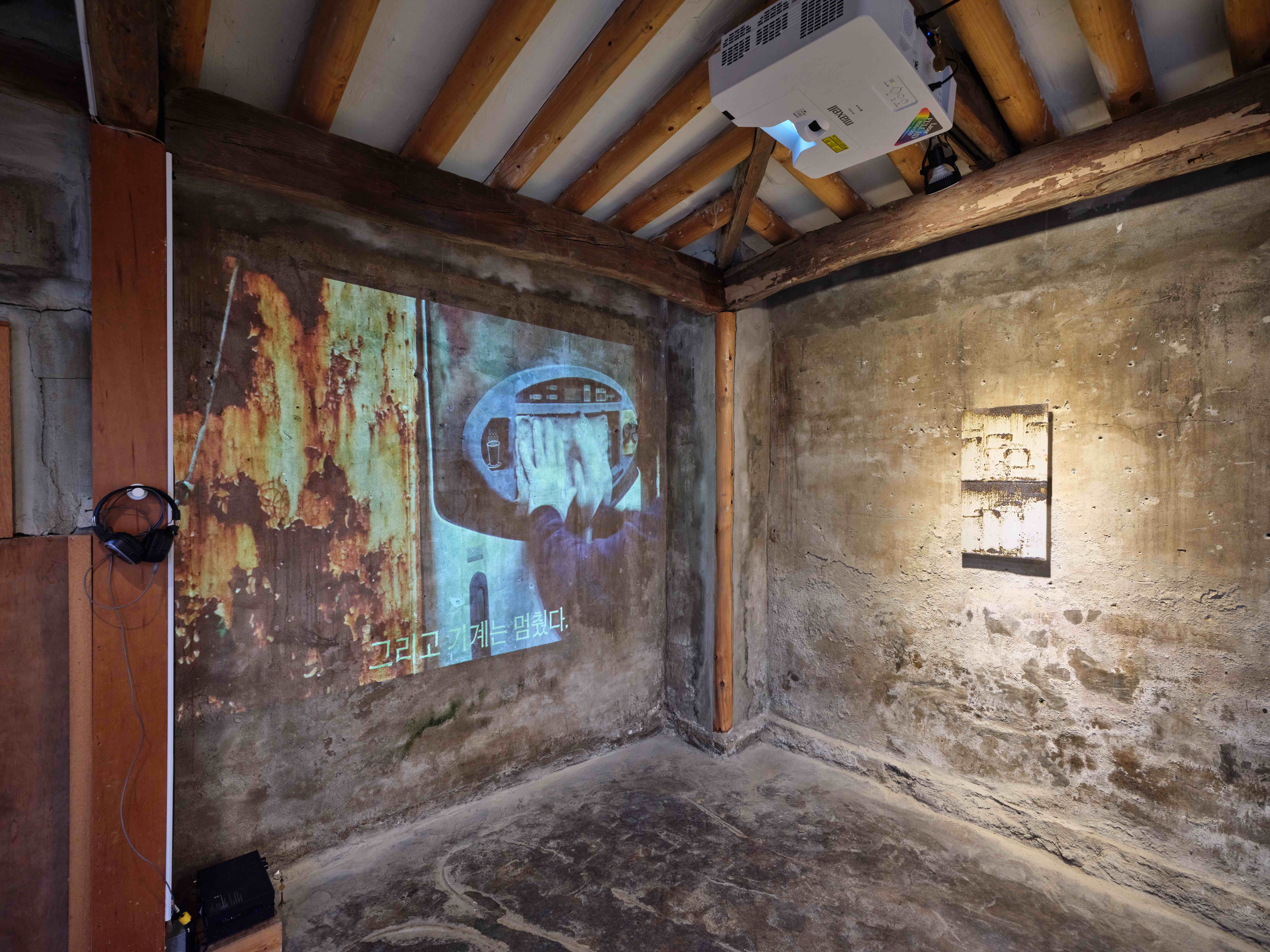
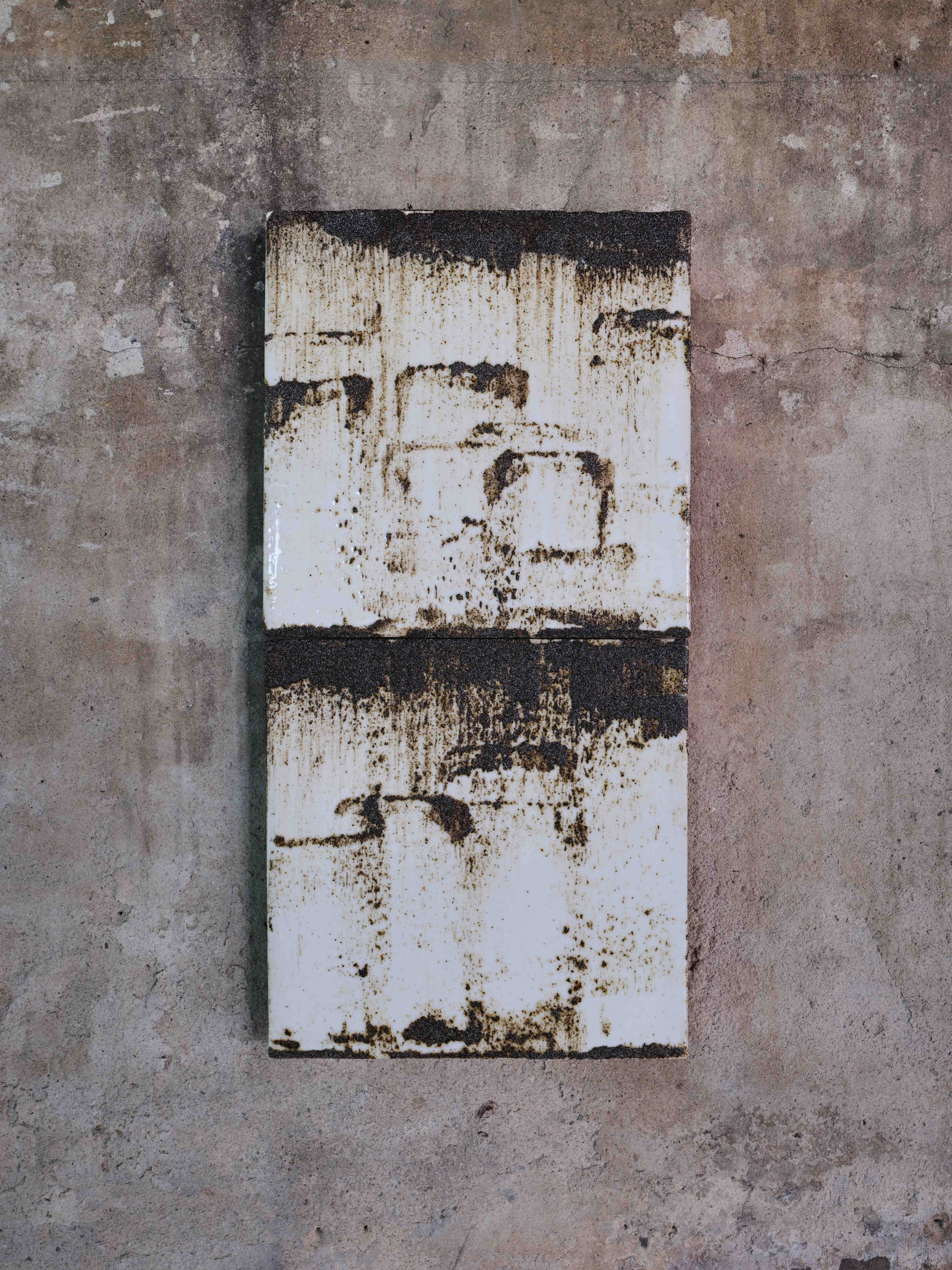 Site Records - Songwol-dong Jeokto, Jung-gu, Incheon / Mined clay on Ceramic plate, 31x62cm, 2026
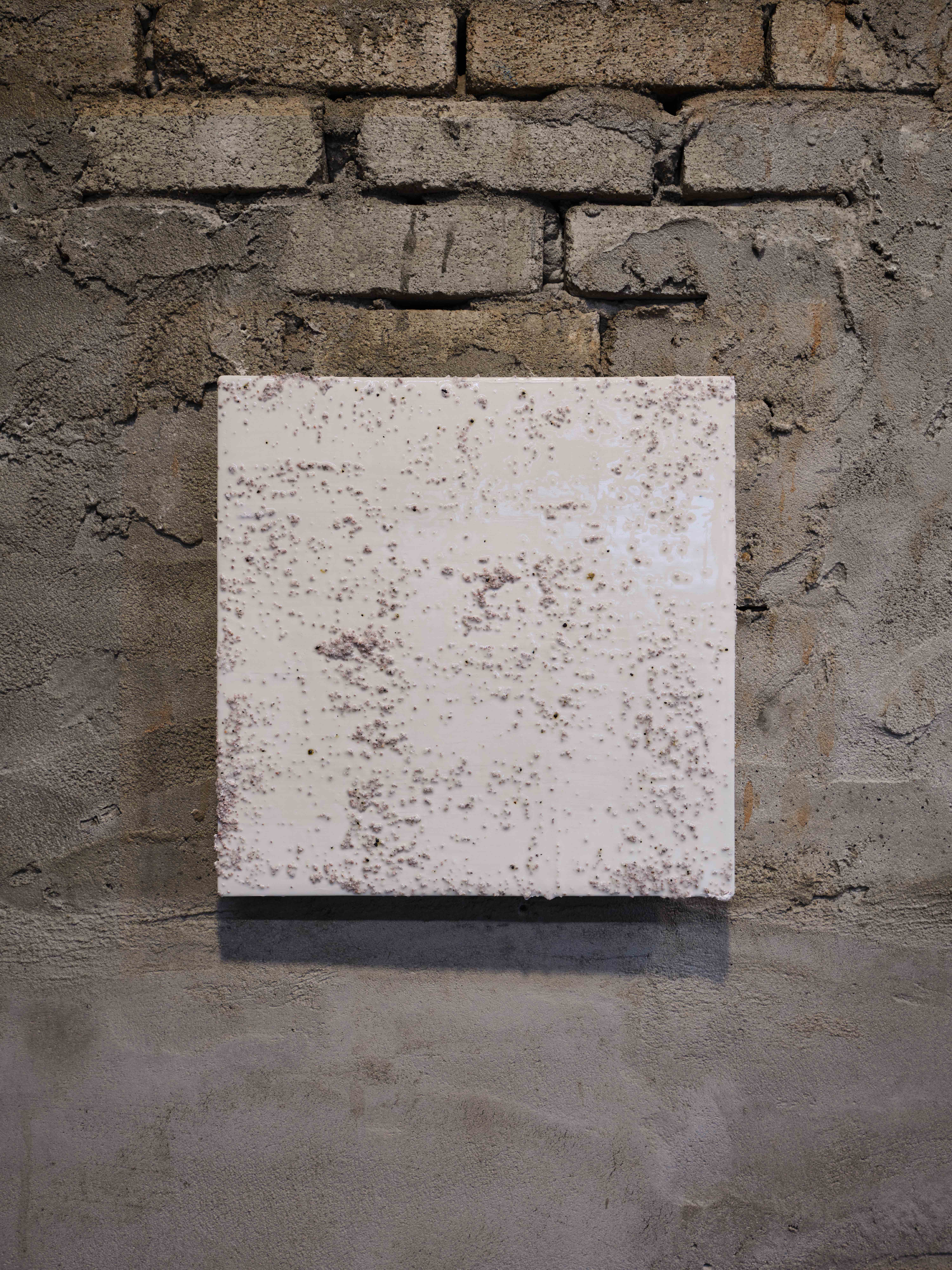 Site Records - Yongdong-ri Chamotte, Goheung, Jeollanam-do / Mined clay on Ceramic plate, 31x31cm, 2026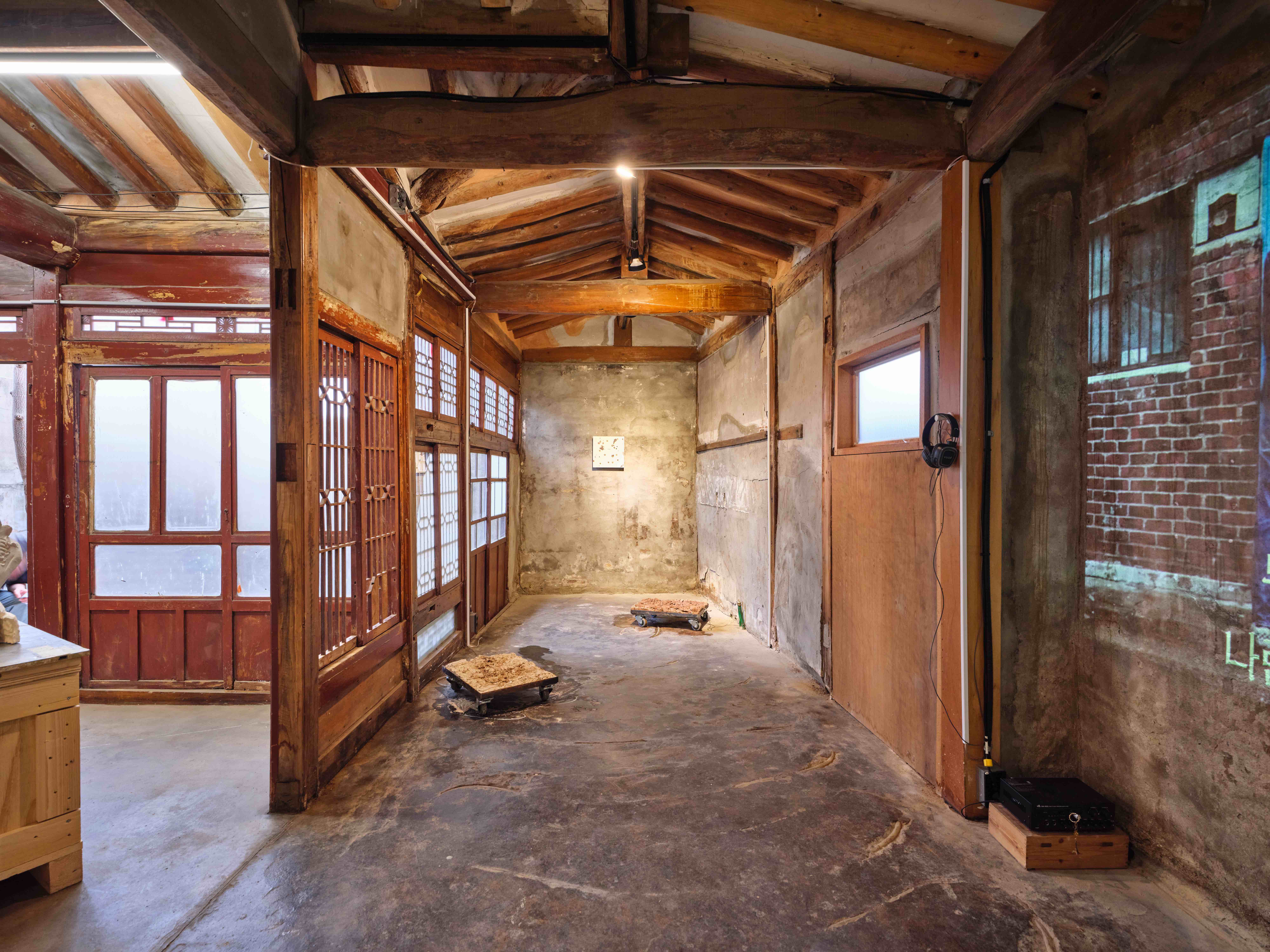
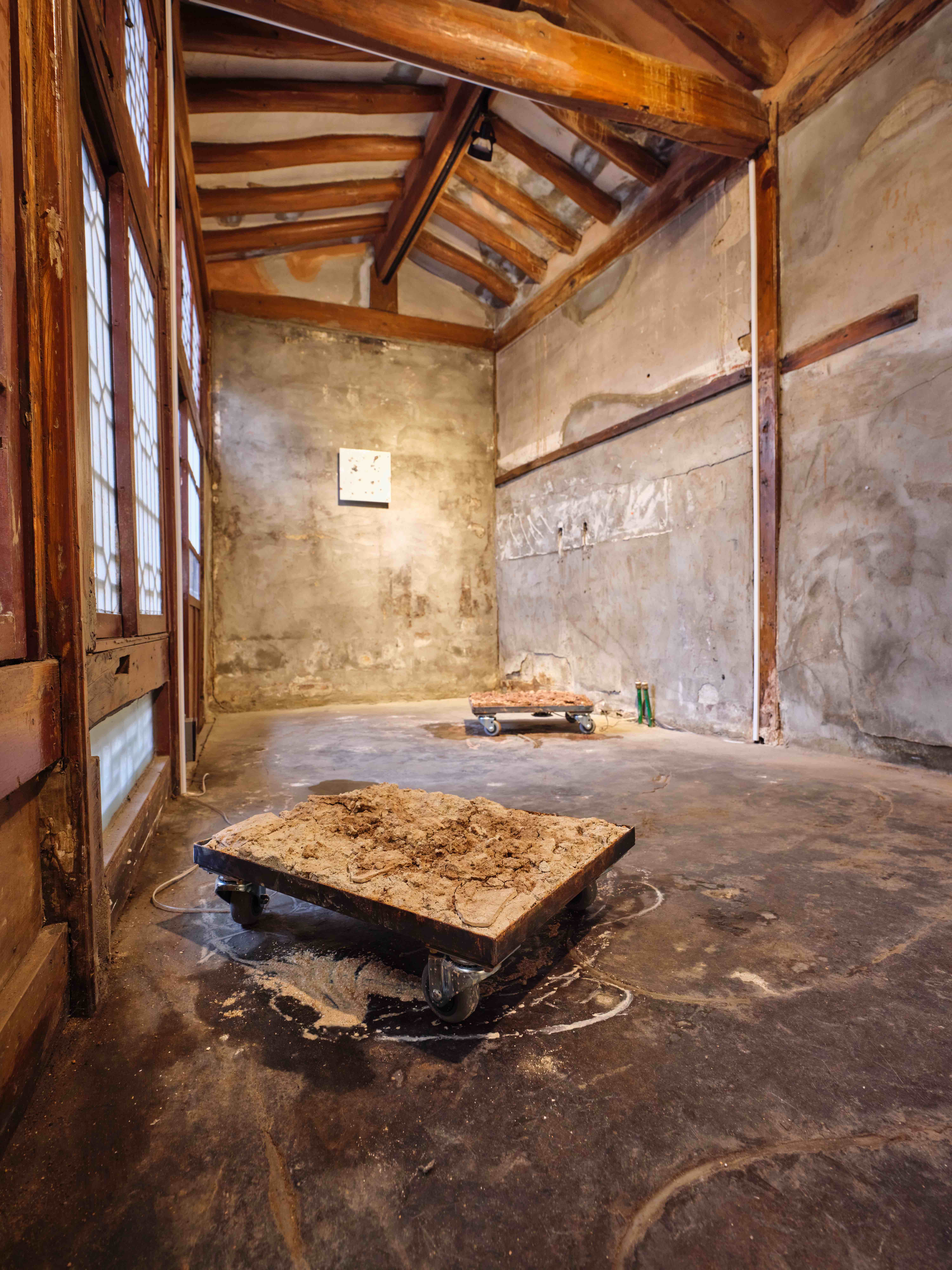
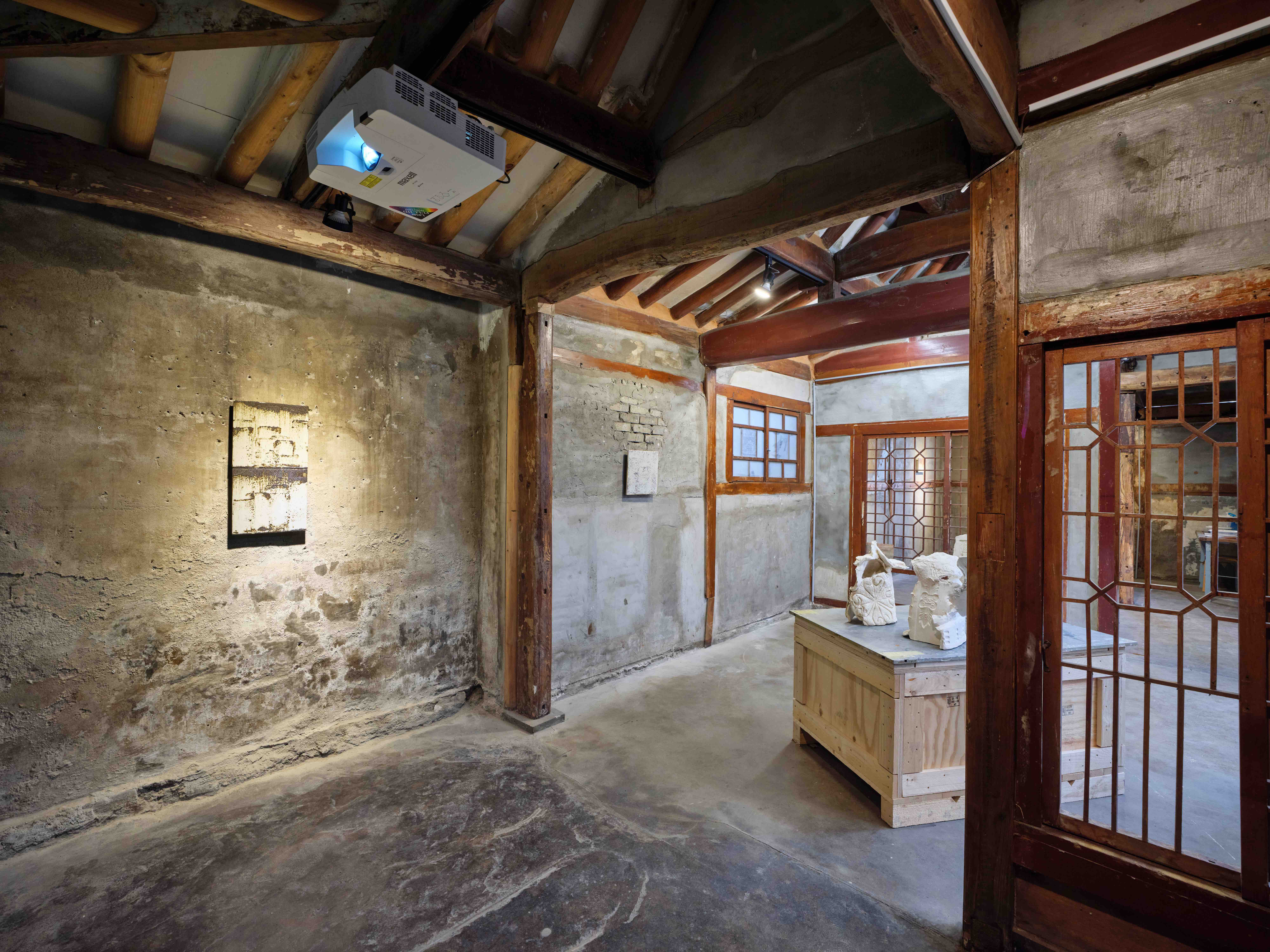
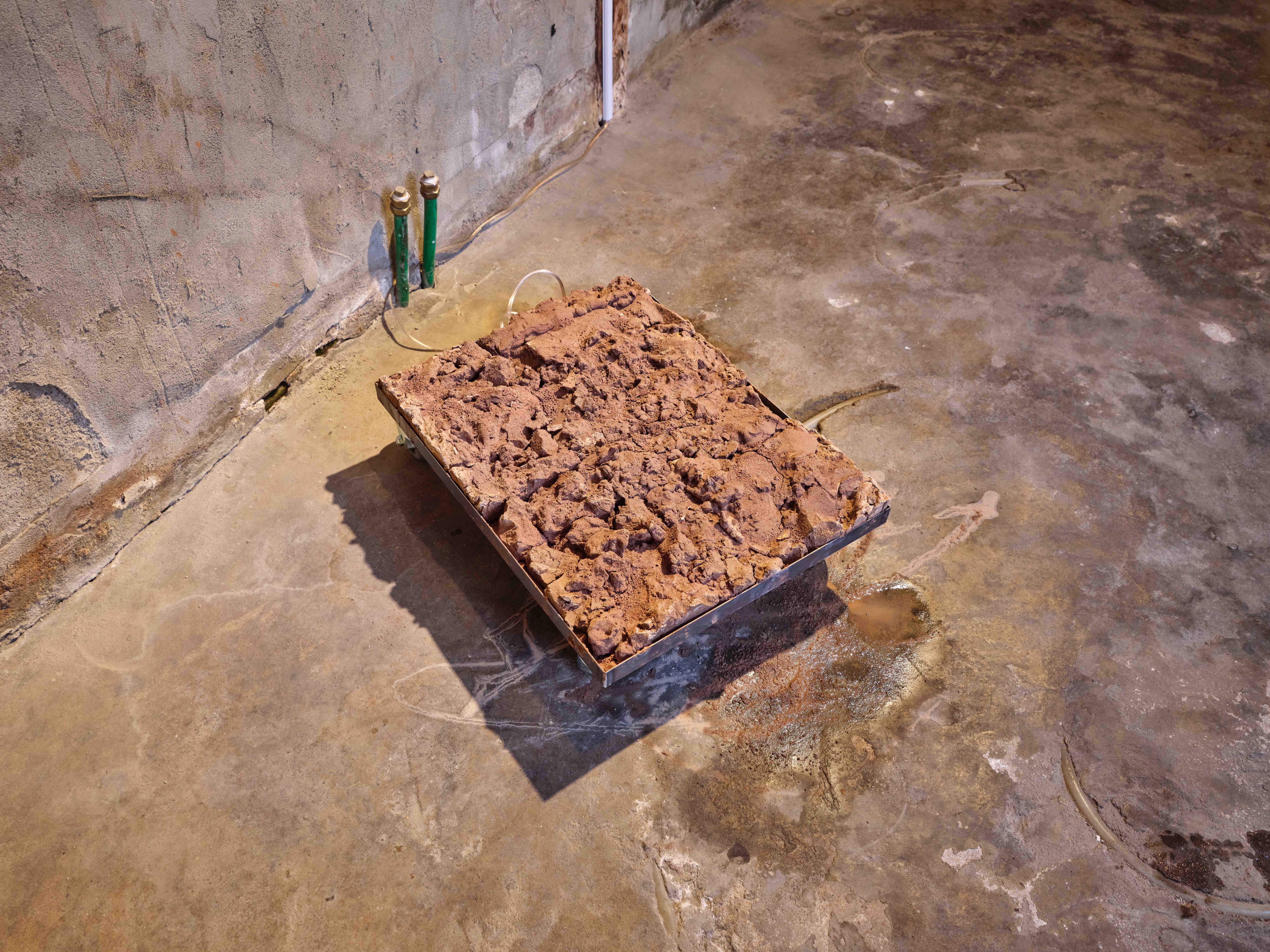 Terra-Cart_Songwol-dong Jeokto, Jung-gu, Incheon / 1-channel sound, Speaker, Mined clay, Collected ceramic fragments, Iron plate, Wheels, Electric wires, Paper, 58×44×14cm, 2026
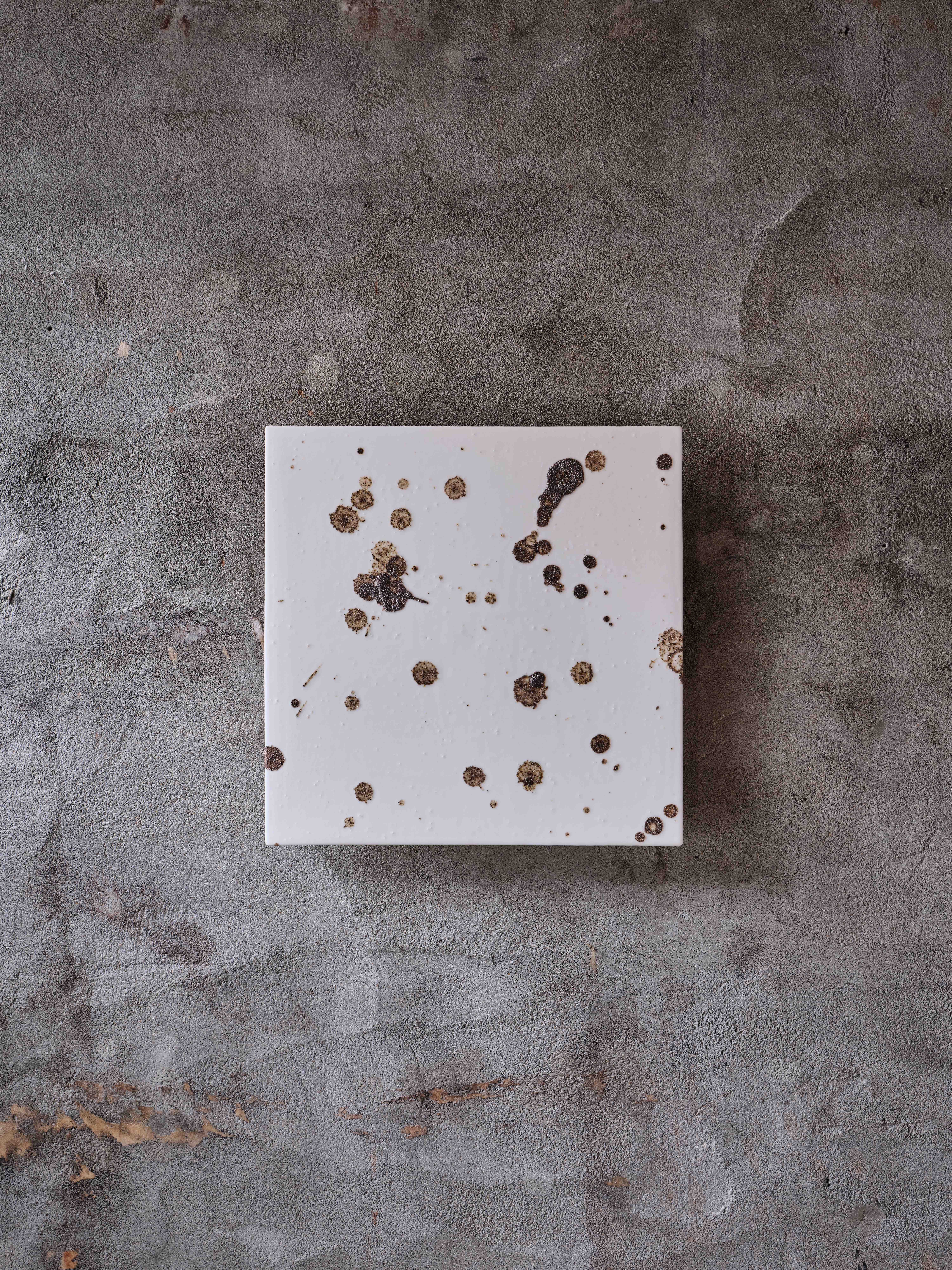 Site Records - Songwol-dong Jeokto, Jung-gu, Incheon / Mined clay on Ceramic plate, 31x31cm, 2026
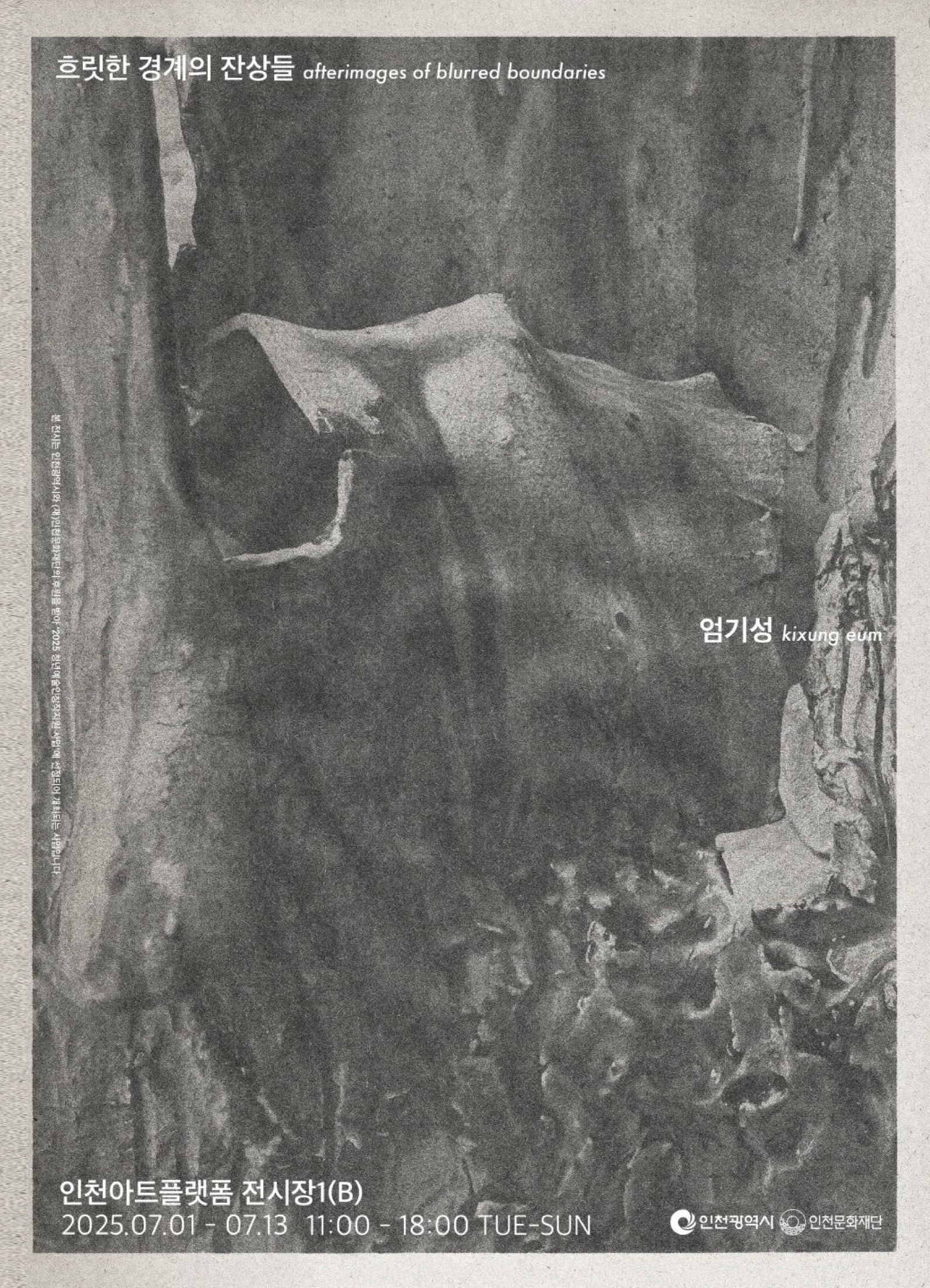
-Exhibition Dates : July 01 ~ July 13, 2025
-Exhibition Space : Incheon Art Platform E1 (3, Jemullyang-ro 218beon-gil, Jemulpo-gu, Incheon)
-Artist : Eum Kixung
-Exhibition Review : Jung Hyun (Art Critic, Professor at Inha University)
-Design : Eum Kixung
-Photograph : Jung Siwoo
-Hosted and supervised : Eum Kixung
-Sponsor : Incheon Foundation for Arts & Culture (IFAC)
*This exhibition is supported by 2025 Support for Young Artists' Activities.
[Download PDF] Exhibition Catalog & Text
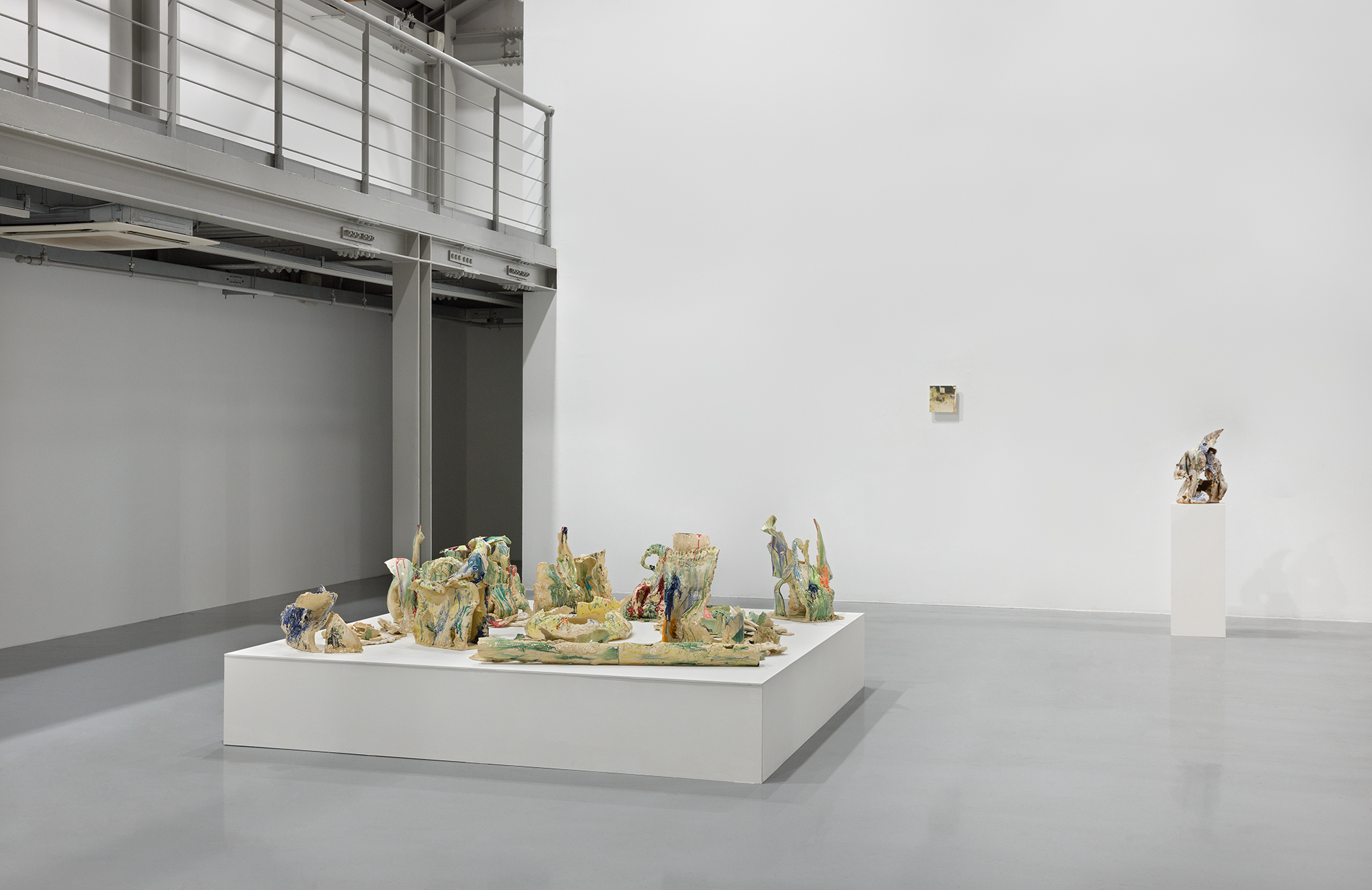
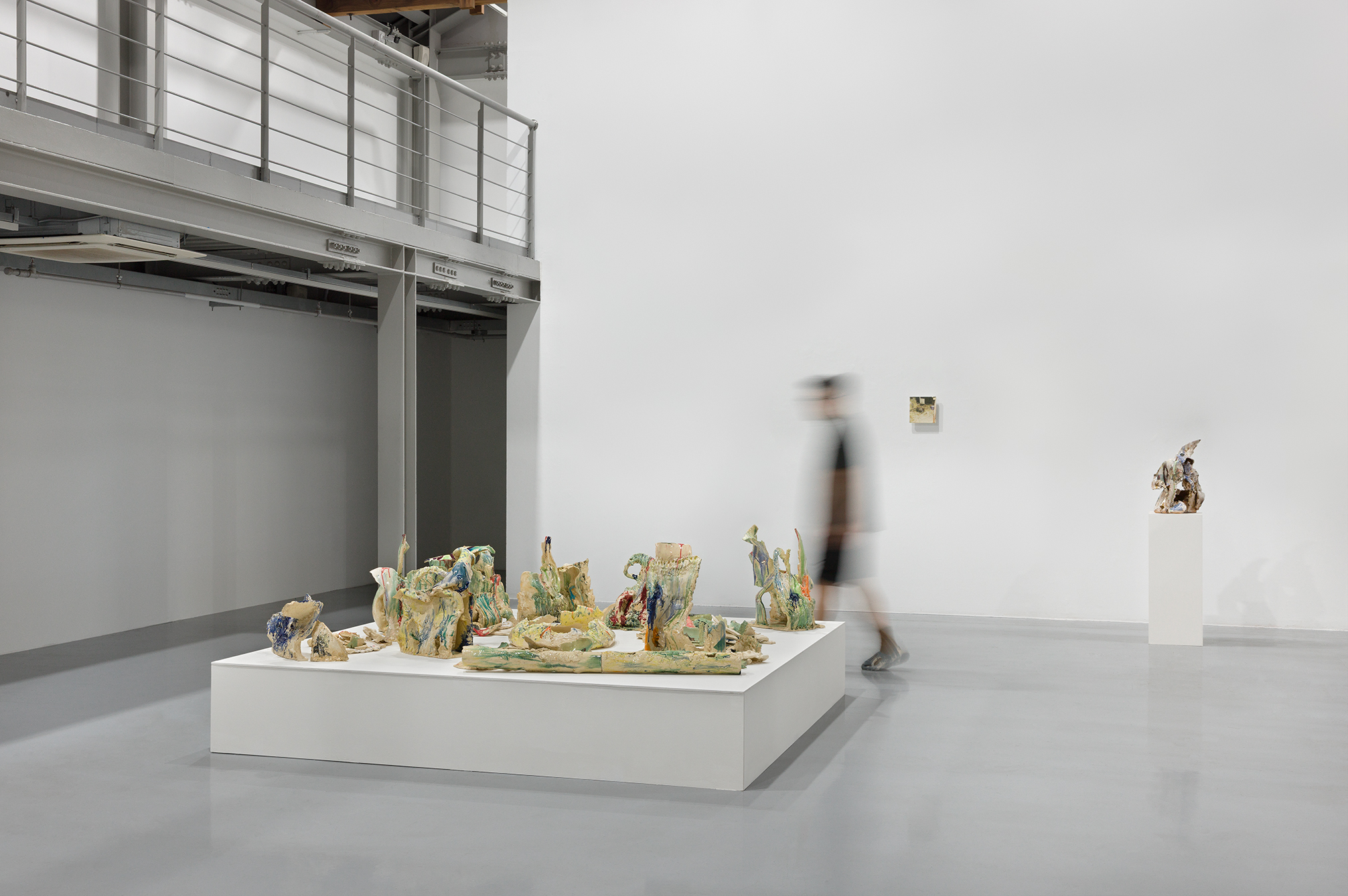
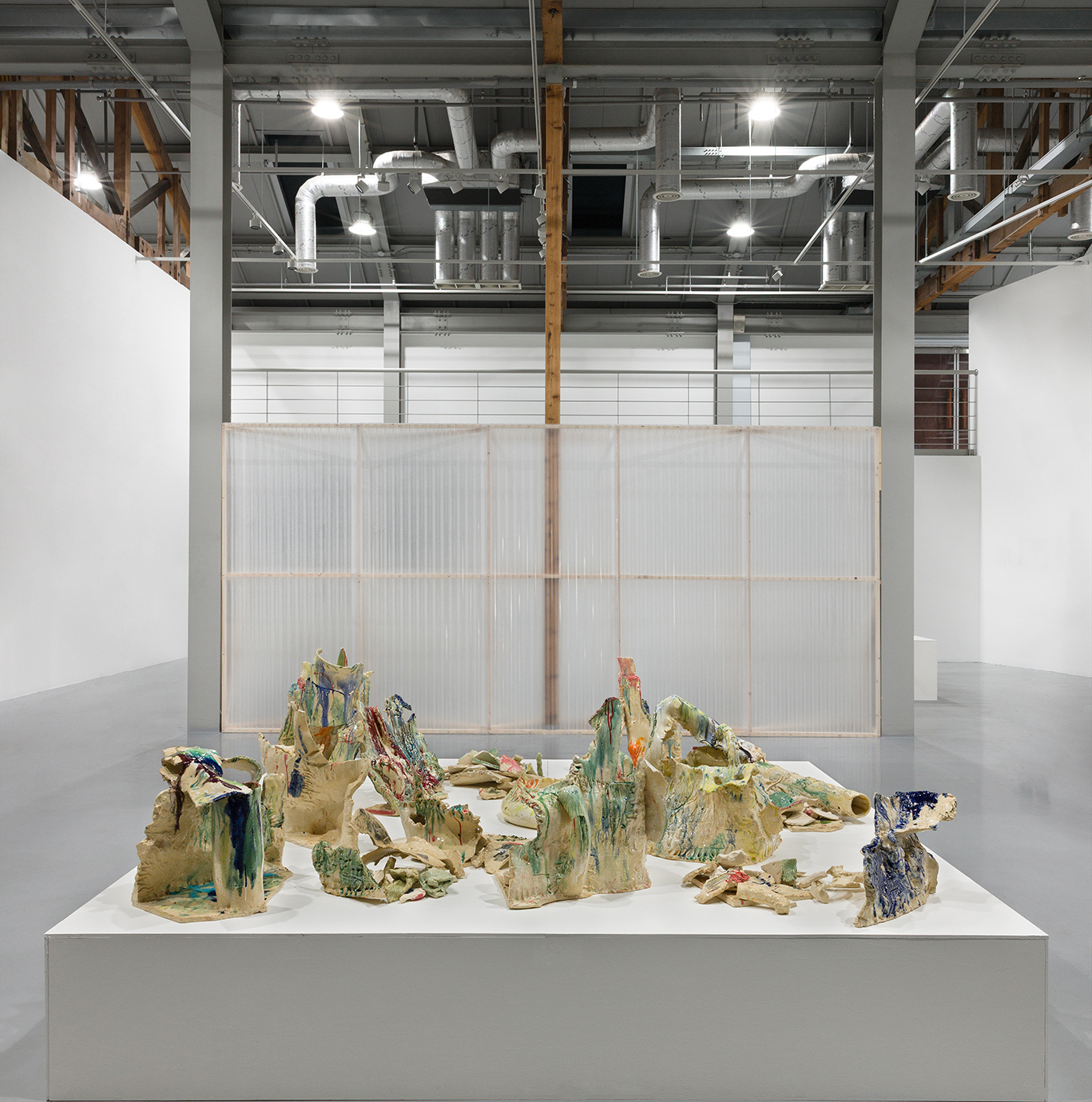
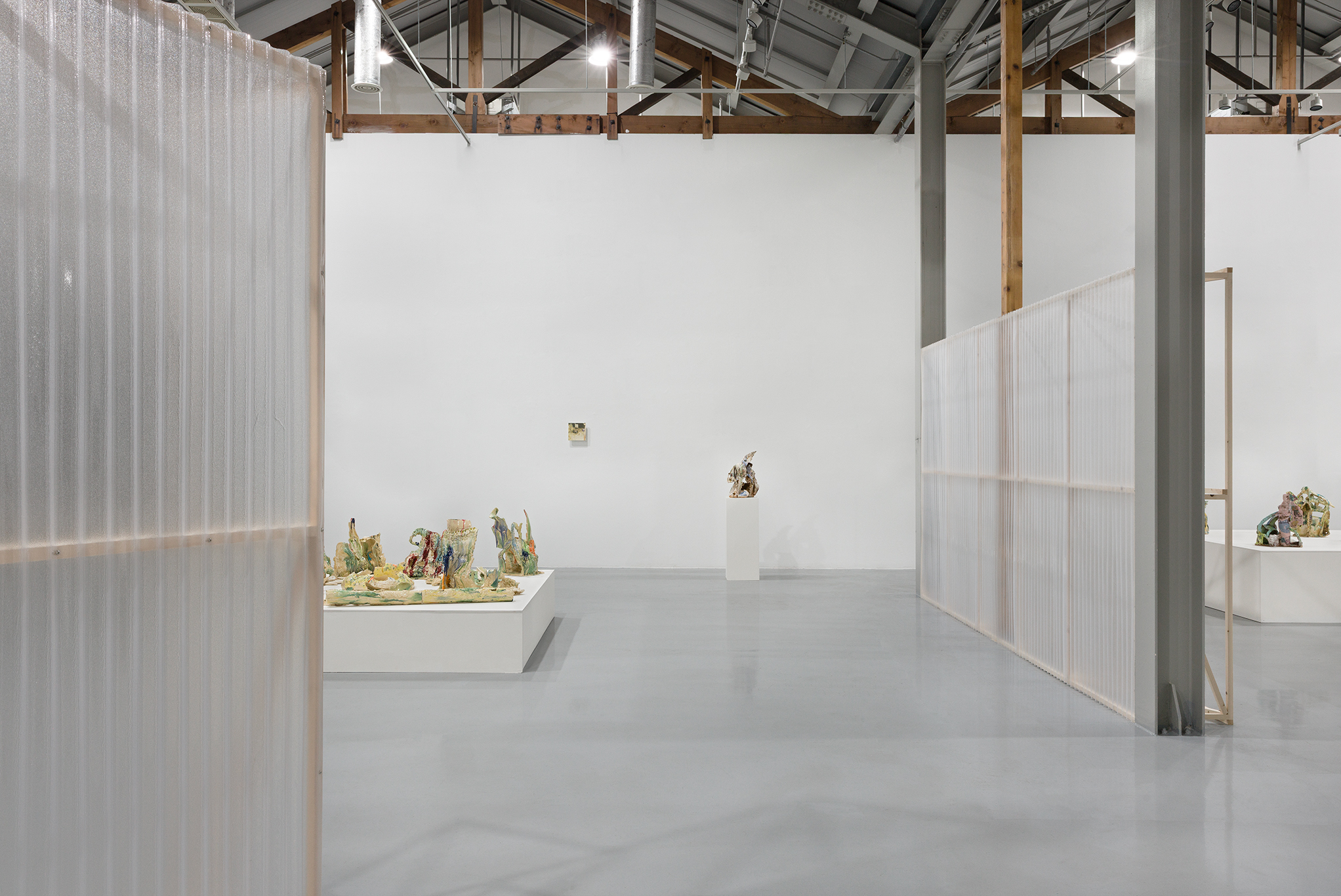
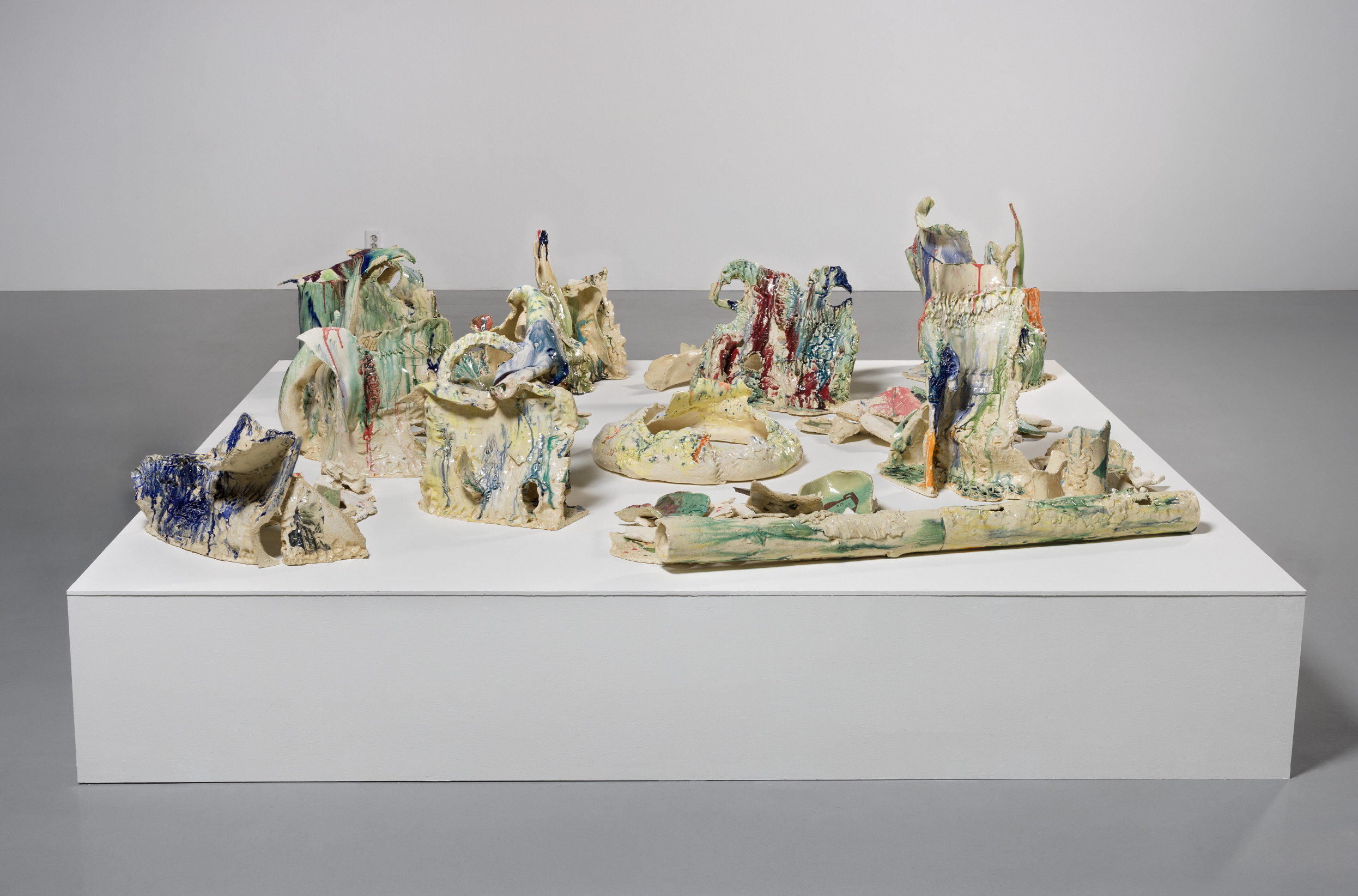 The Colors of a Ruined Civilization - Hannam District 3 / Ceramics, Digital ceramic decal, Variable Installation, 2025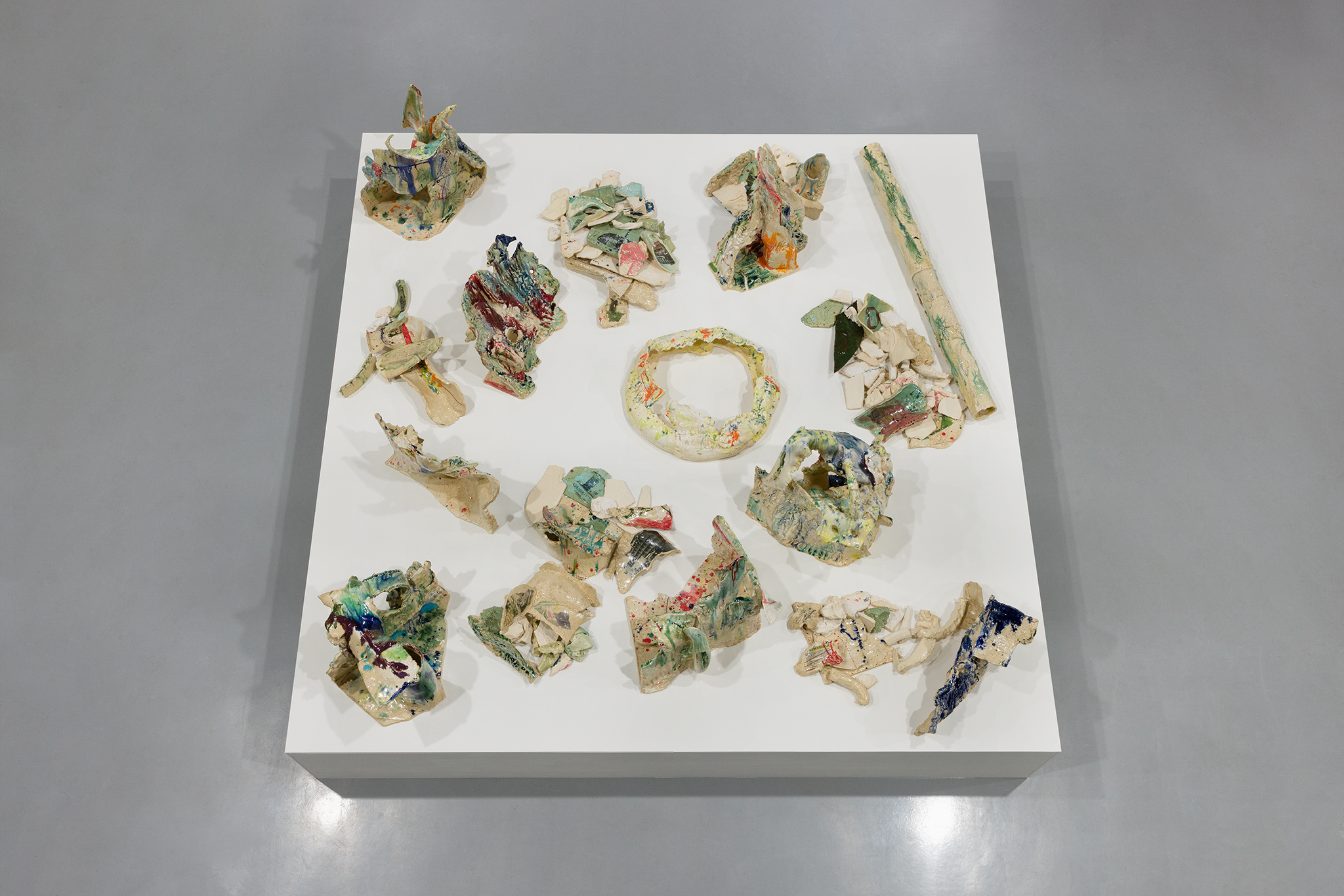
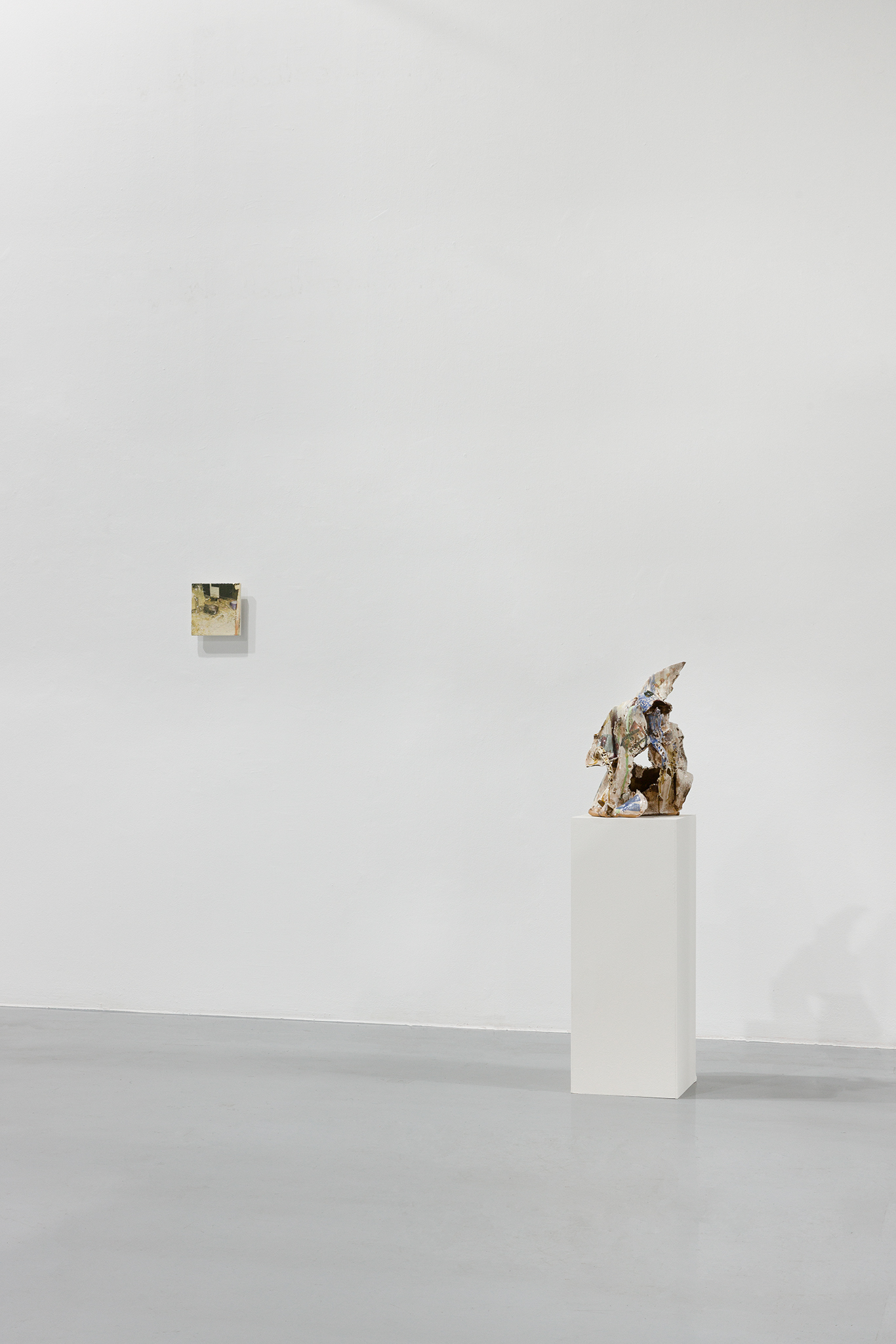
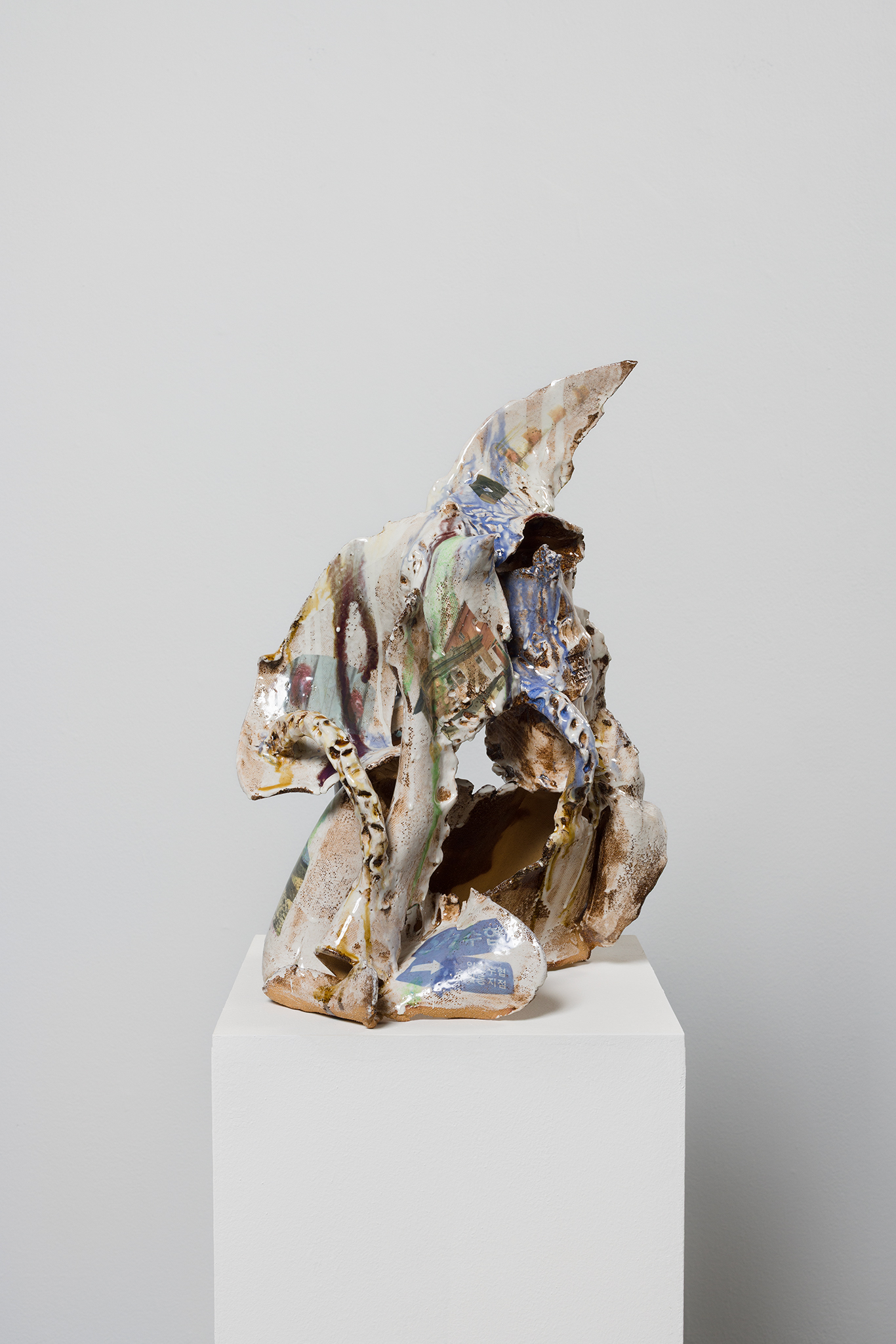 The Fantasy of Songwol-dong / Ceramics, Digital ceramic decal, 36x31x52cm, 2025
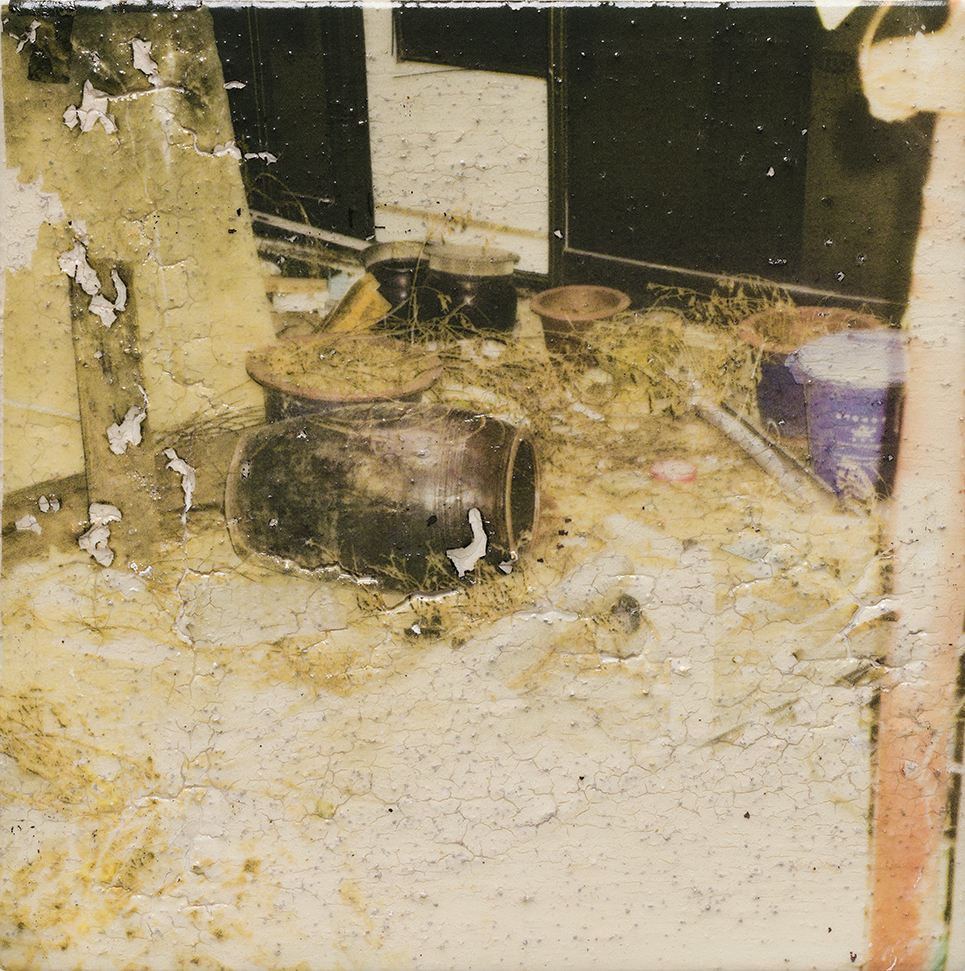 Ruined Civilization - Hannam District 3 / Ceramics, Digital ceramic decal, 21x21cm, 2025
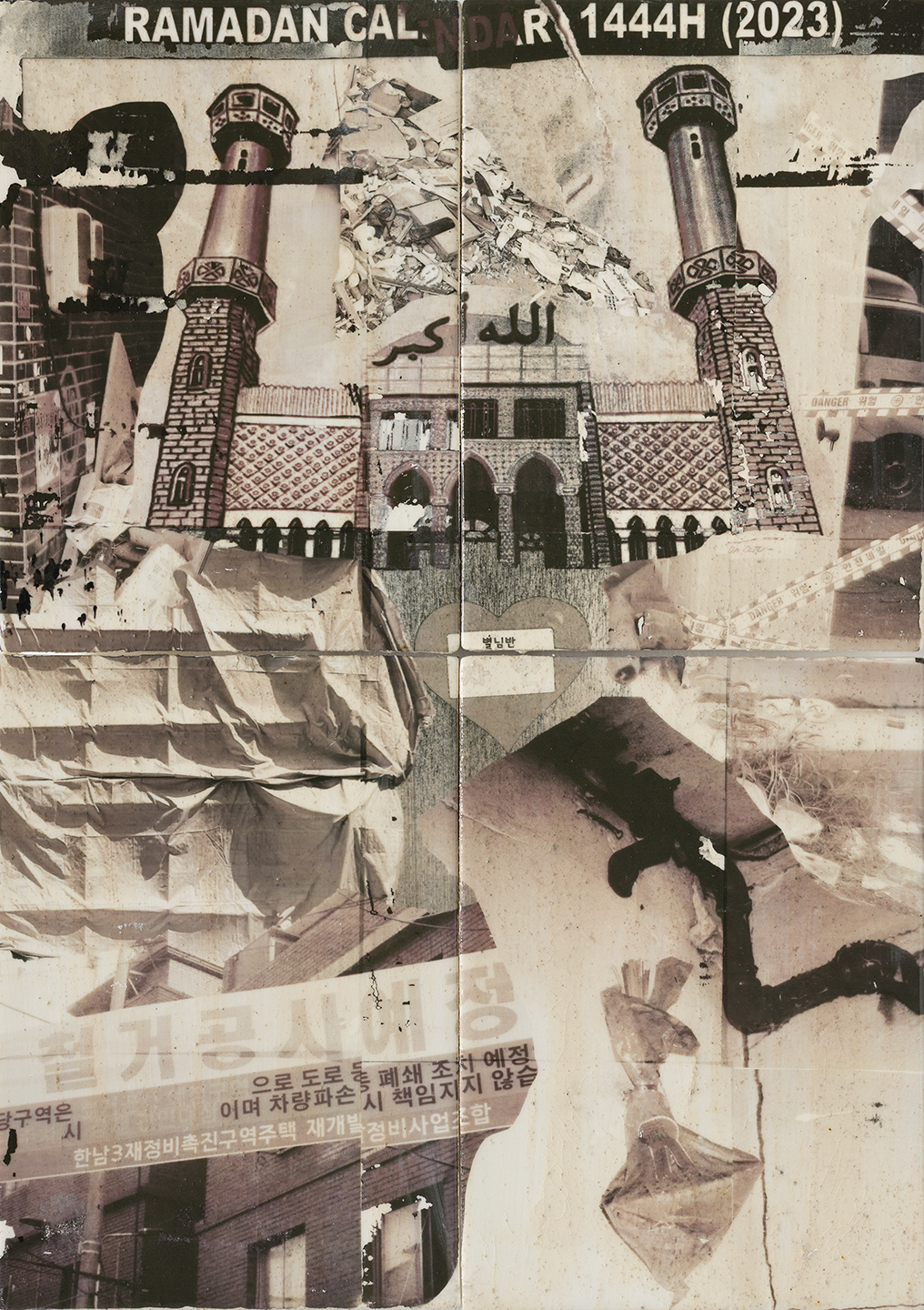 Reconstructed Landscape - Hannam District 3 / Ceramics, Digital ceramic decal, 50x71cm, 2025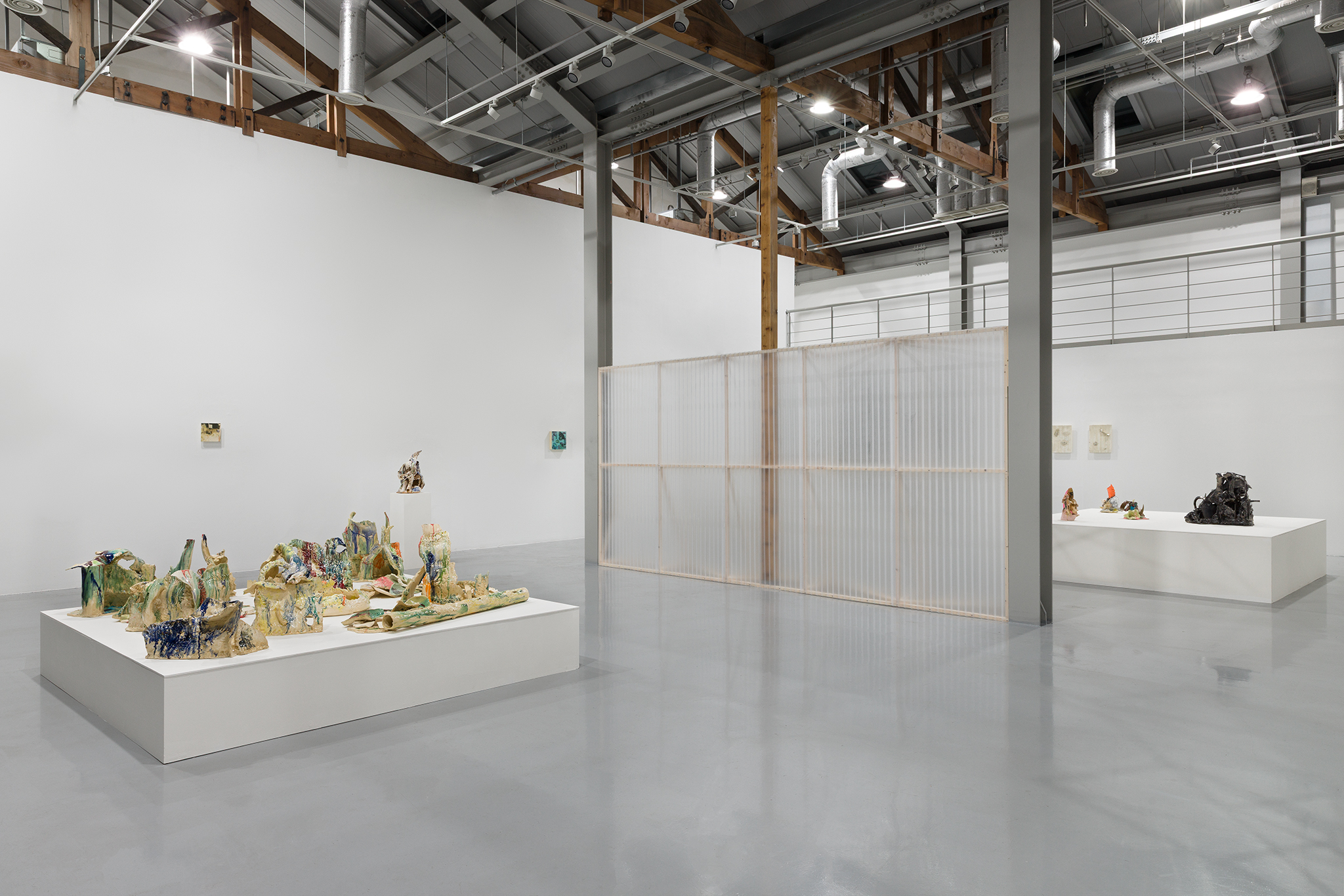
 Beyond Boundaries / Single channel video, 5min. 7sec., 2025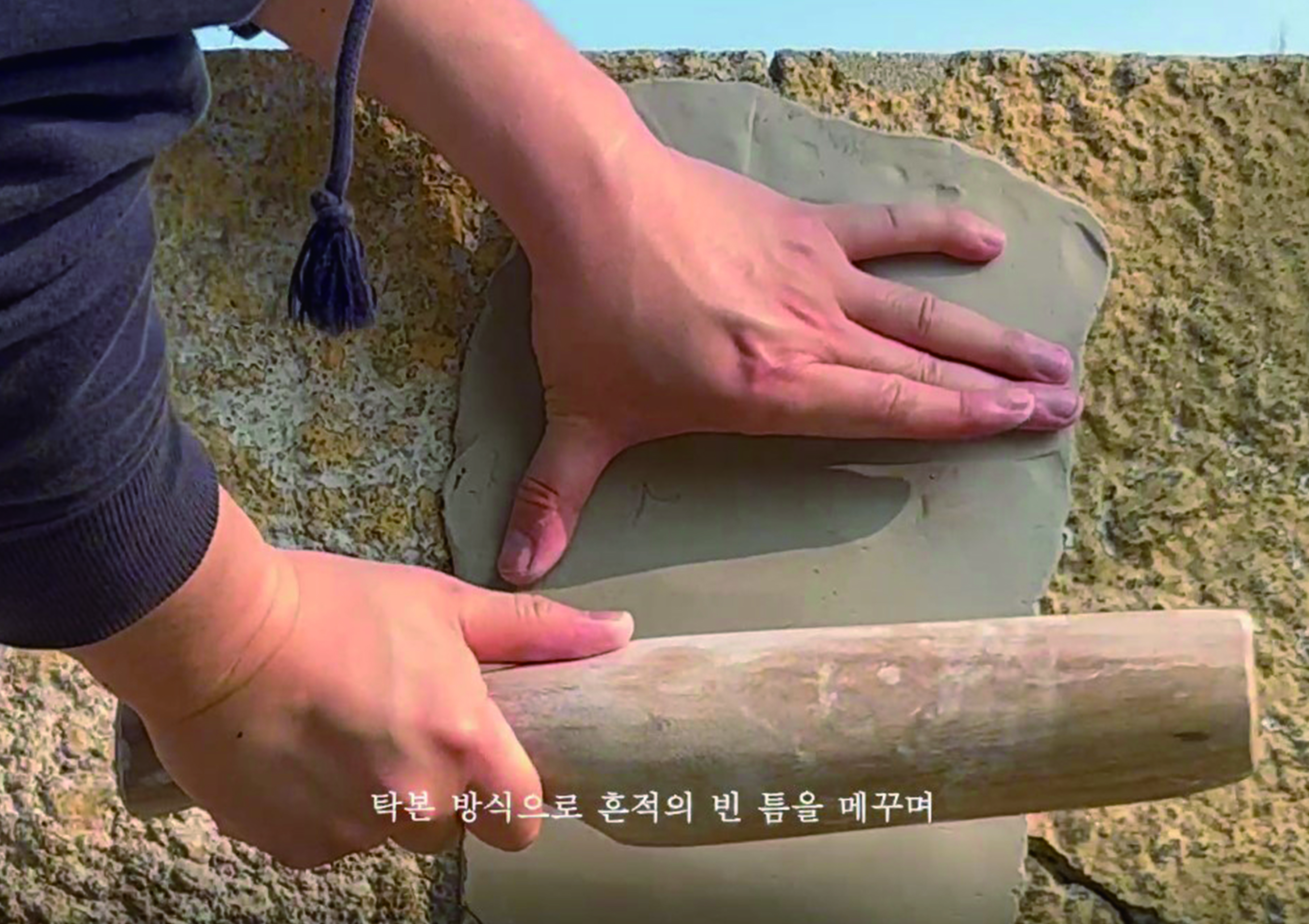
 Takvonsuzip Project - 10-1 10ga, Songwol-dong, Jung-gu / Ceramics, 15x30cm, 2025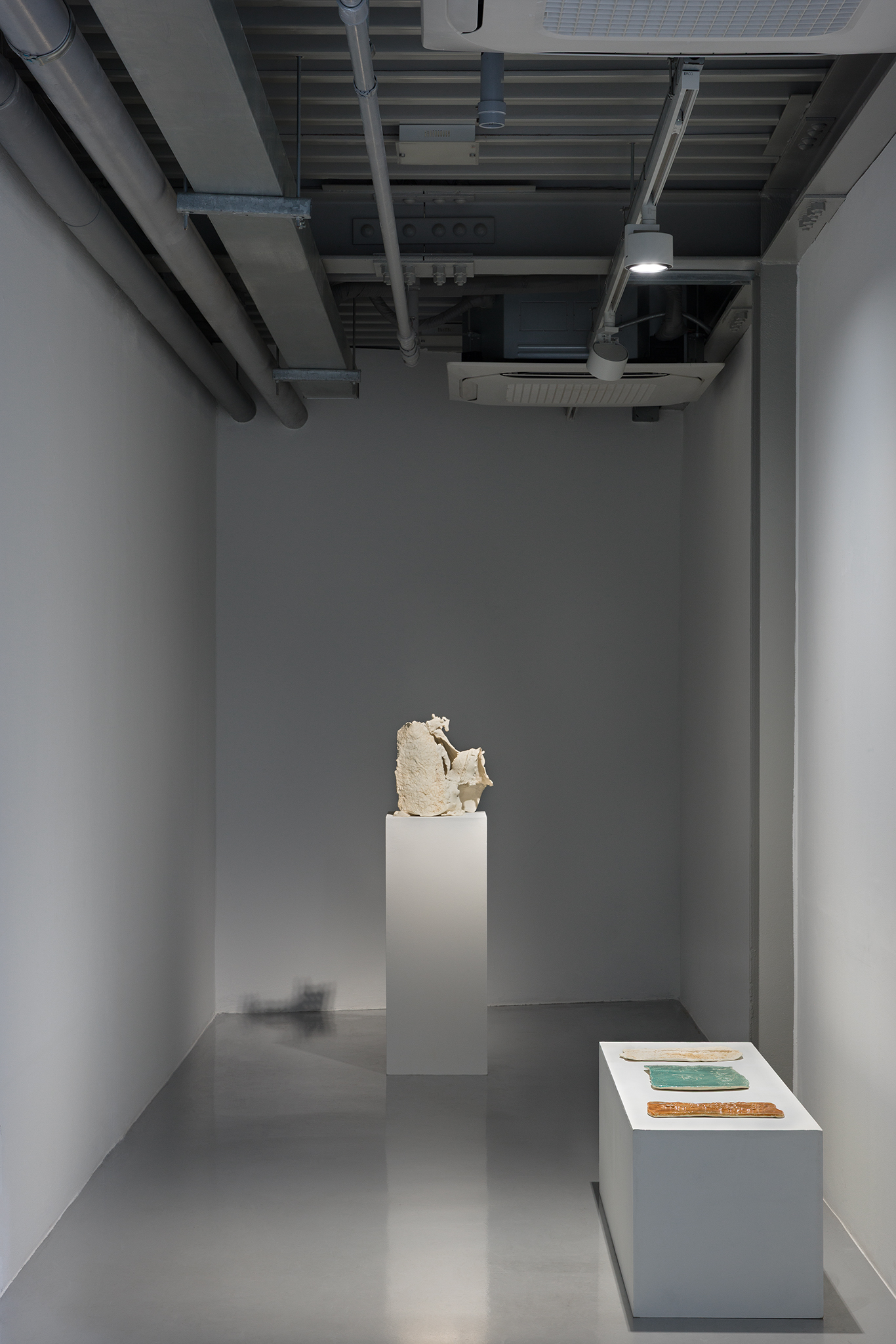
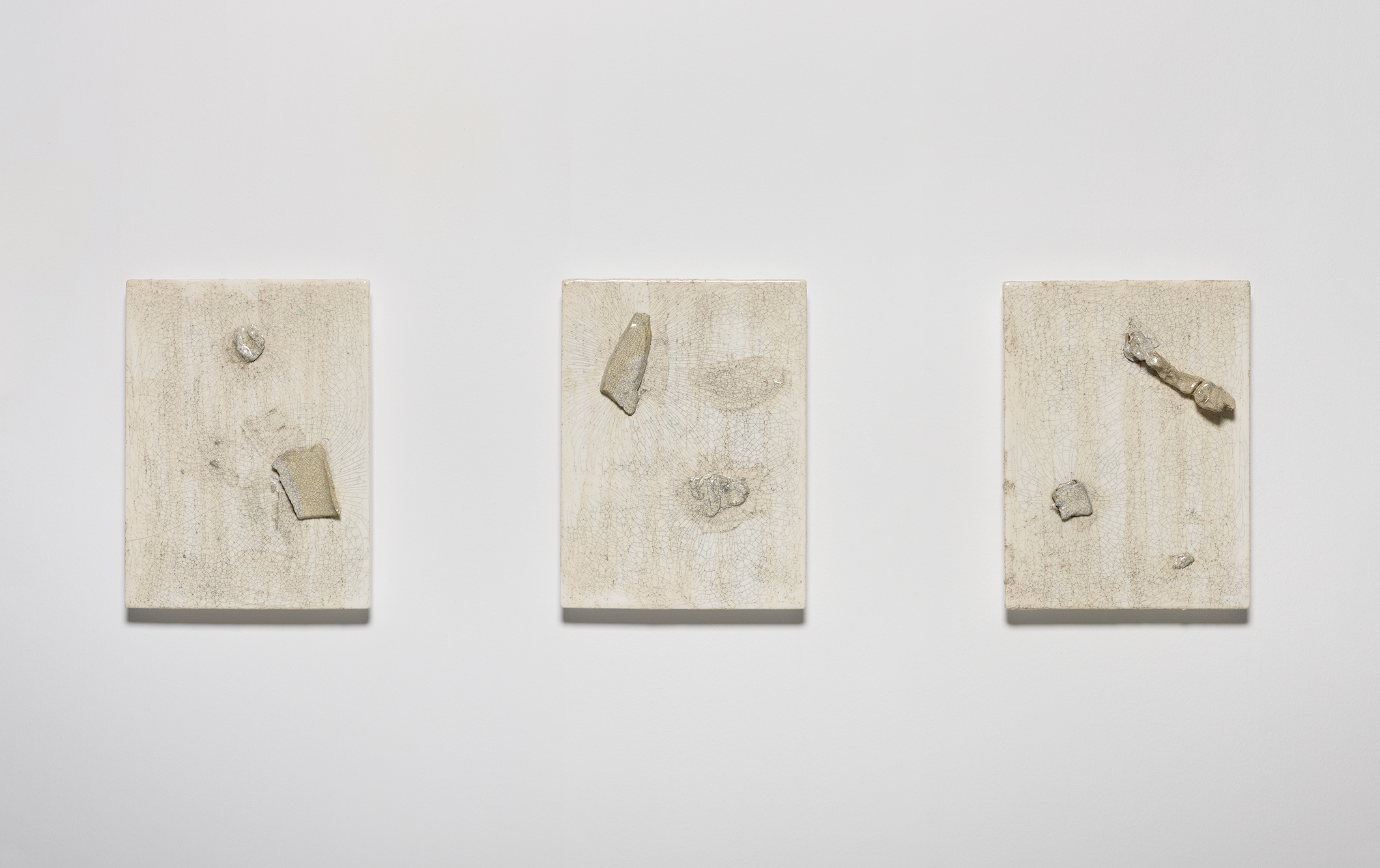 Cracked Surface / Ceramics, each 33x43cm, 2025
-Exhibition Dates : March 10 ~ April 3, 2021
-Exhibition Space : ArtSoombi Center (9, Eunpyeong-ro 8-gil, Eunpyeong-gu, Seoul, Korea)
-Artist : Eum Kixung
-Design : ArtSoombi Center
-Photograph : Bau Photo
-Hosted and supervised : ArtSoombi Center
[Download PDF] Exhibition Text
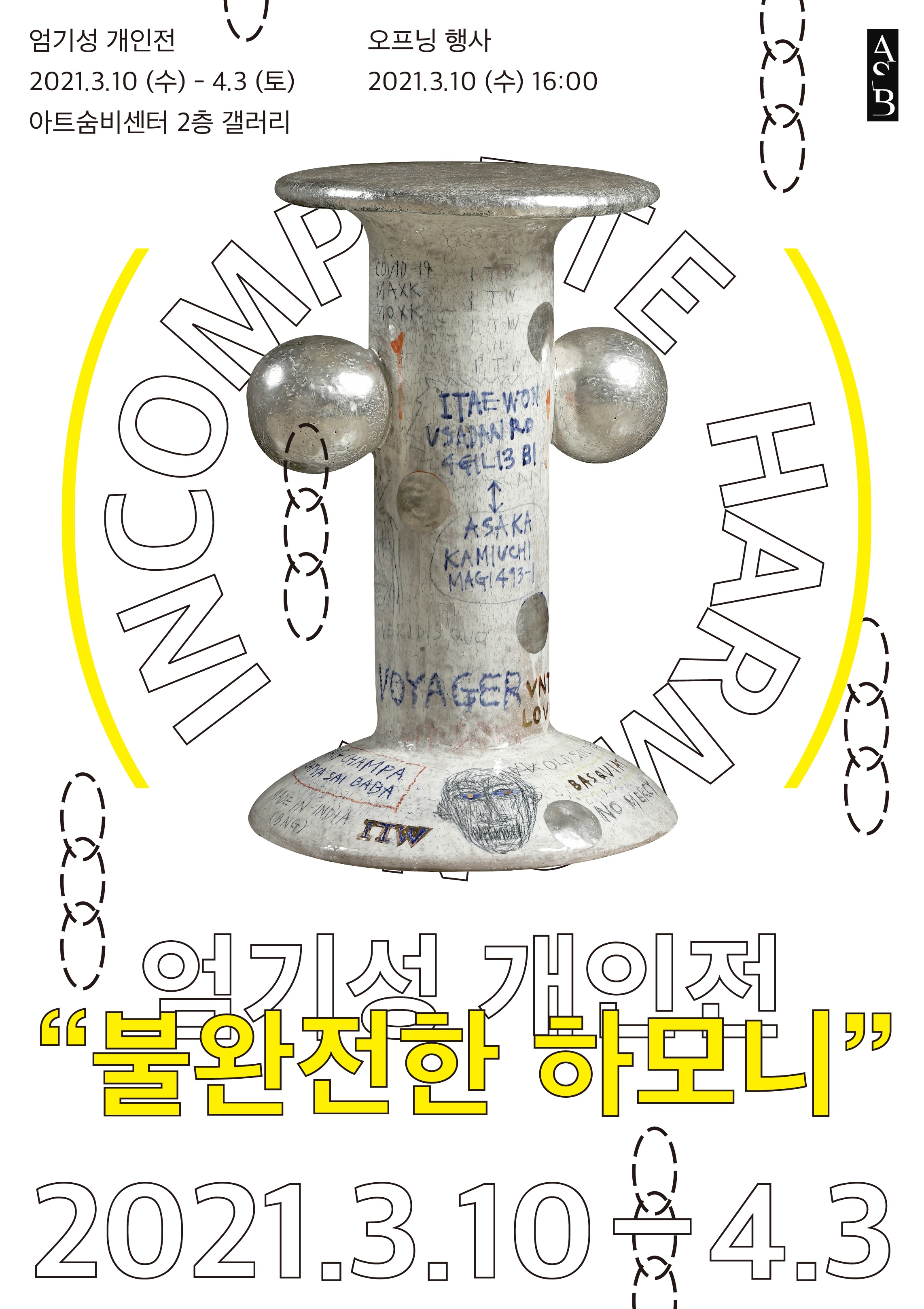
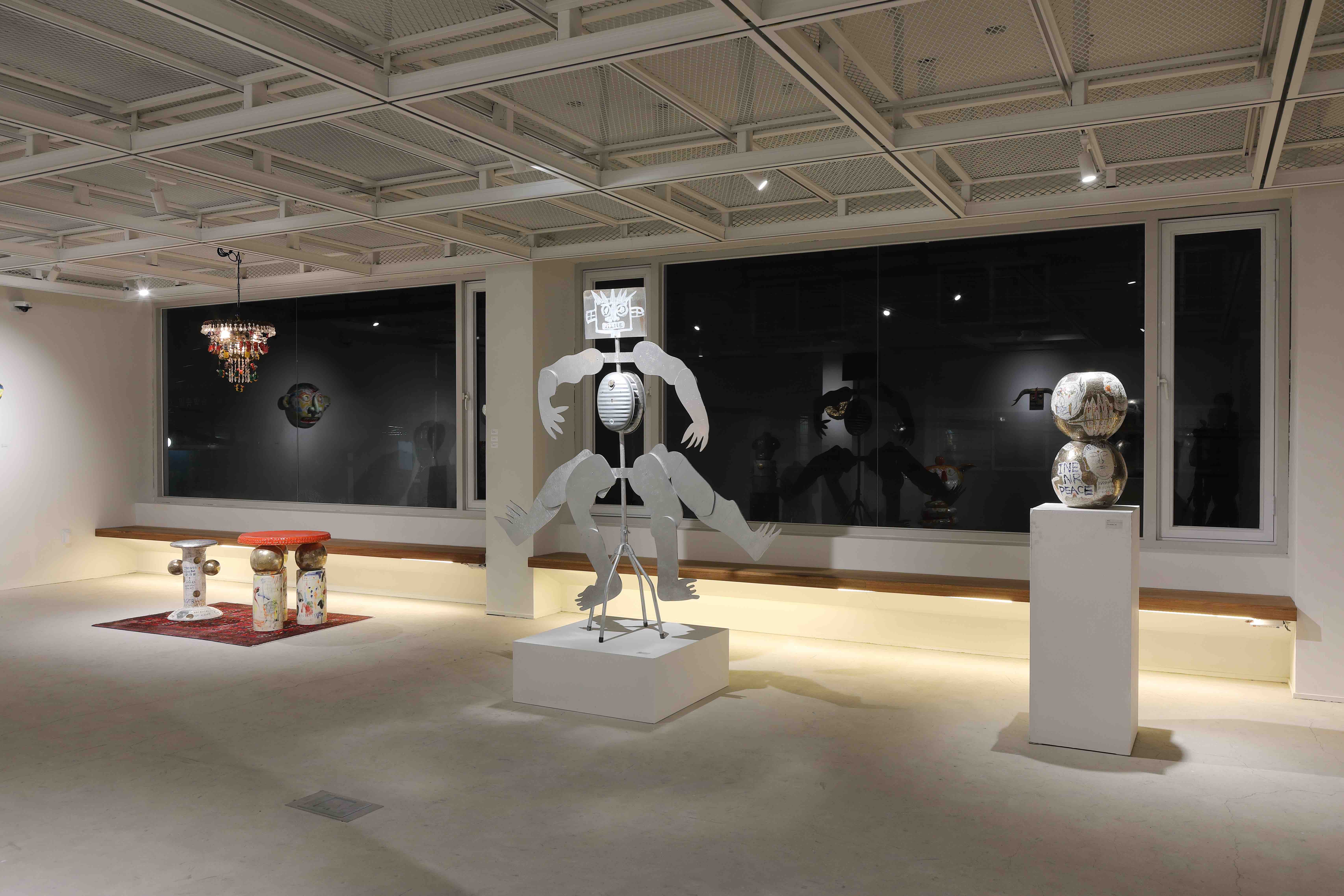
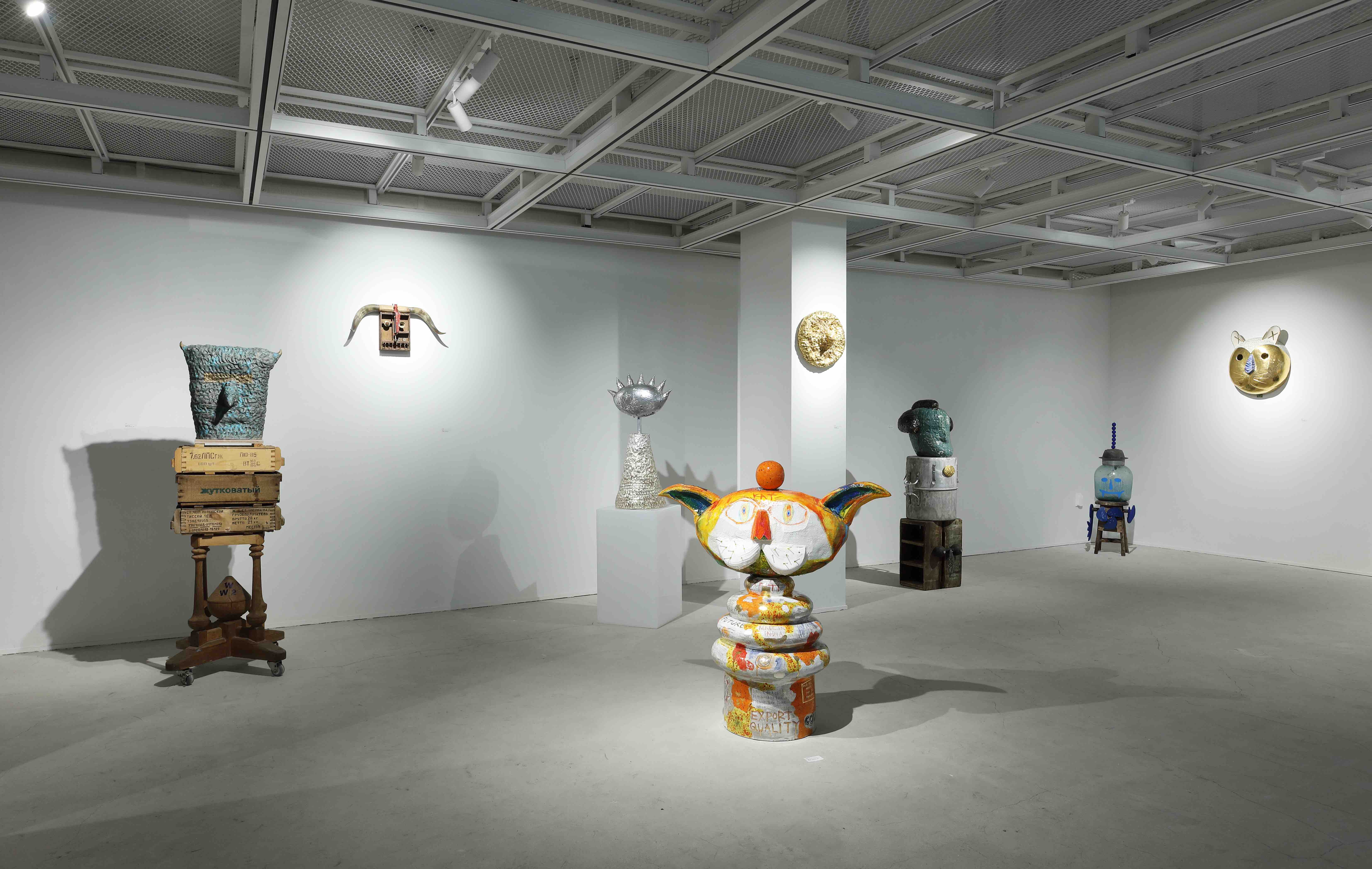
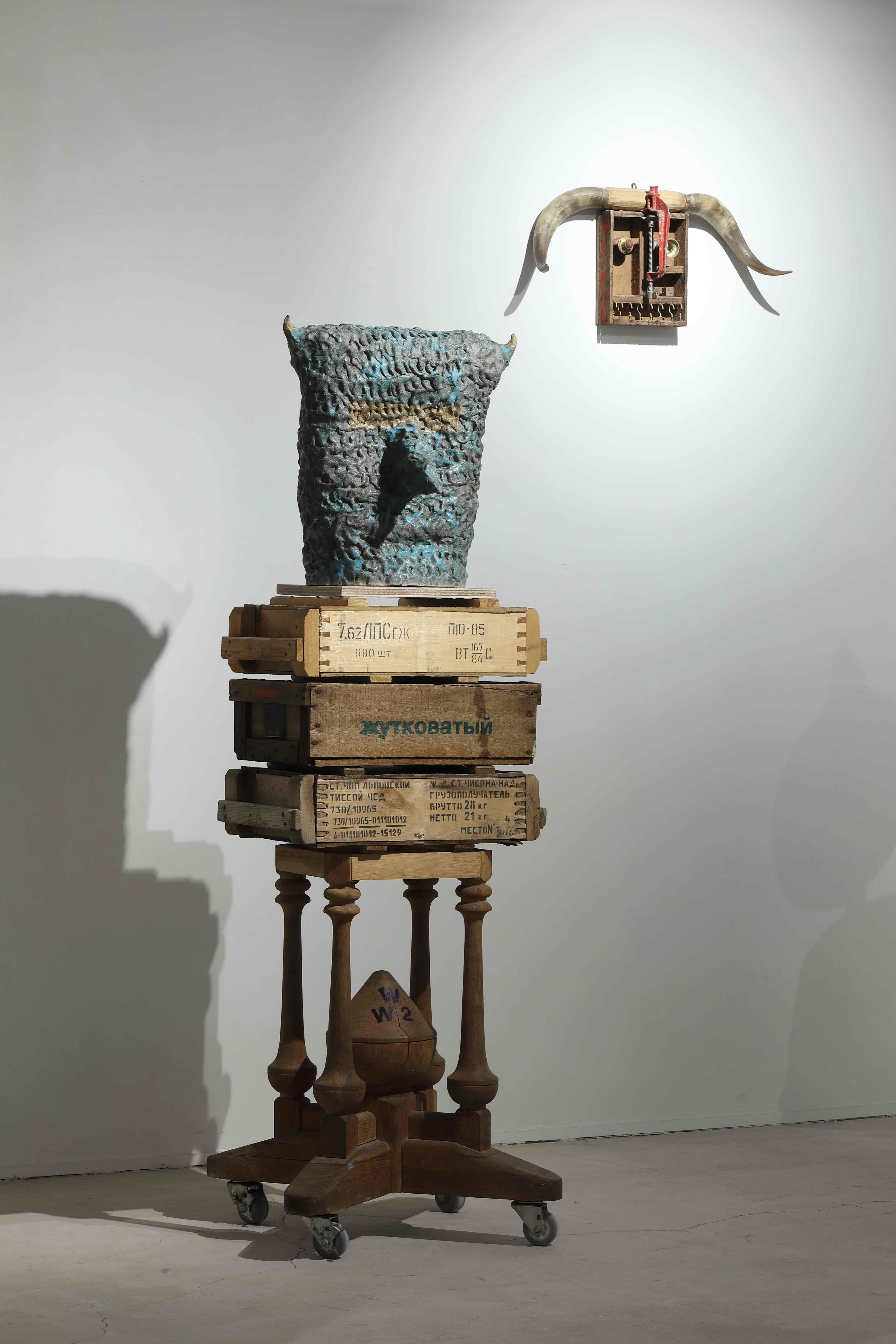
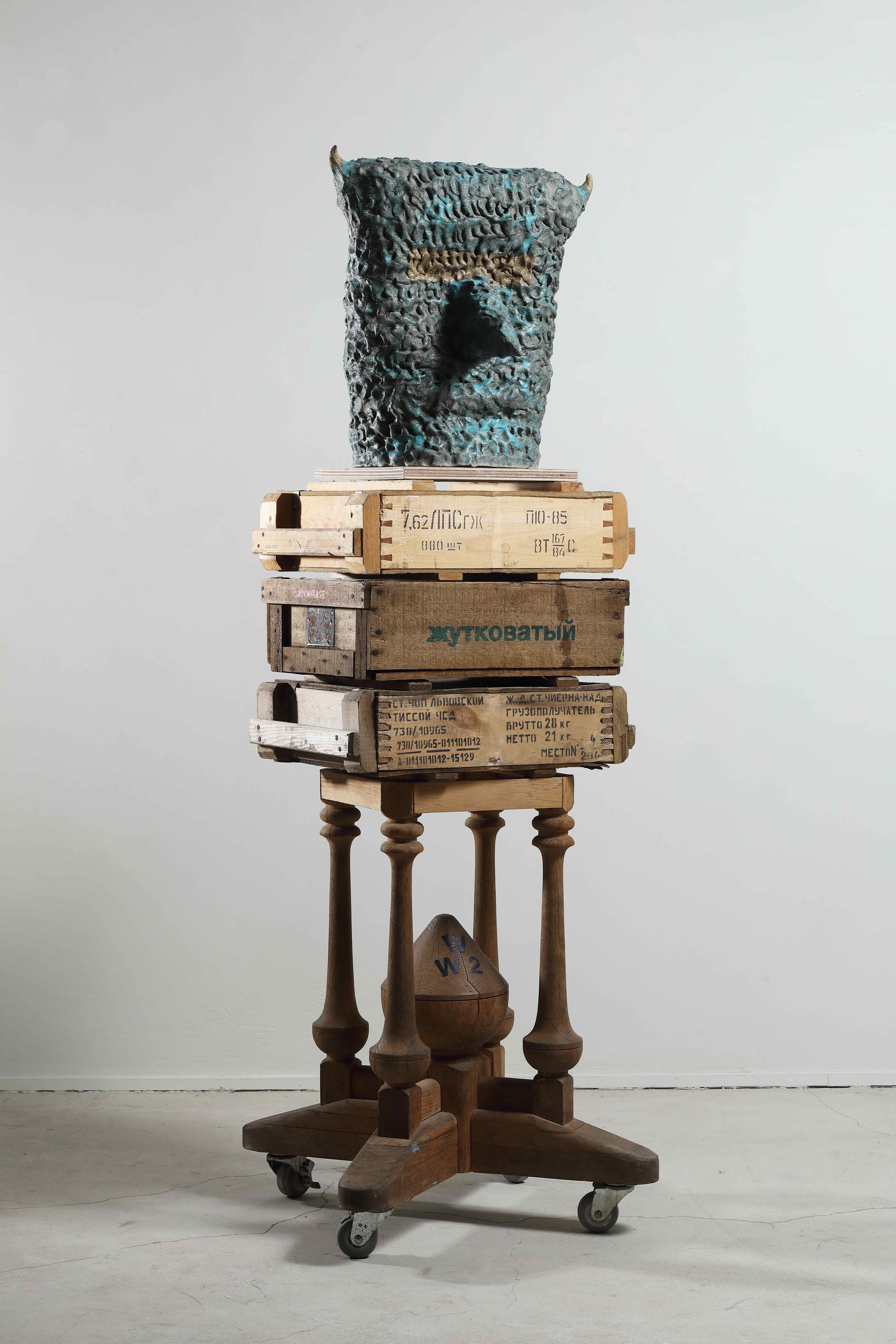 Terrible Honjong / Collected Objects, Ceramics, 53x35x163cm, 2021
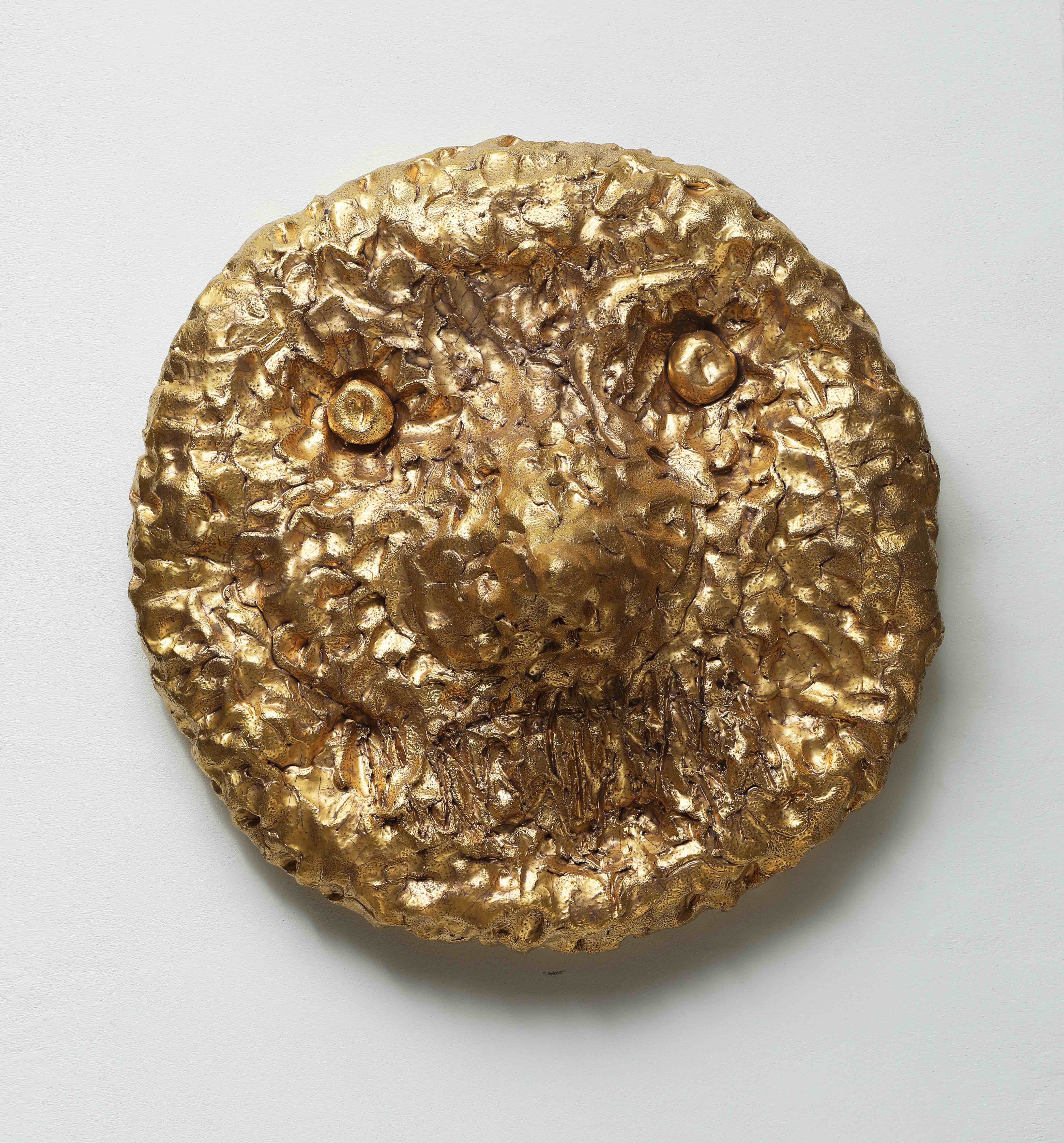 TAL(KOZUBU) / Gold Luster on Ceramics, 35x35x15cm, 2020
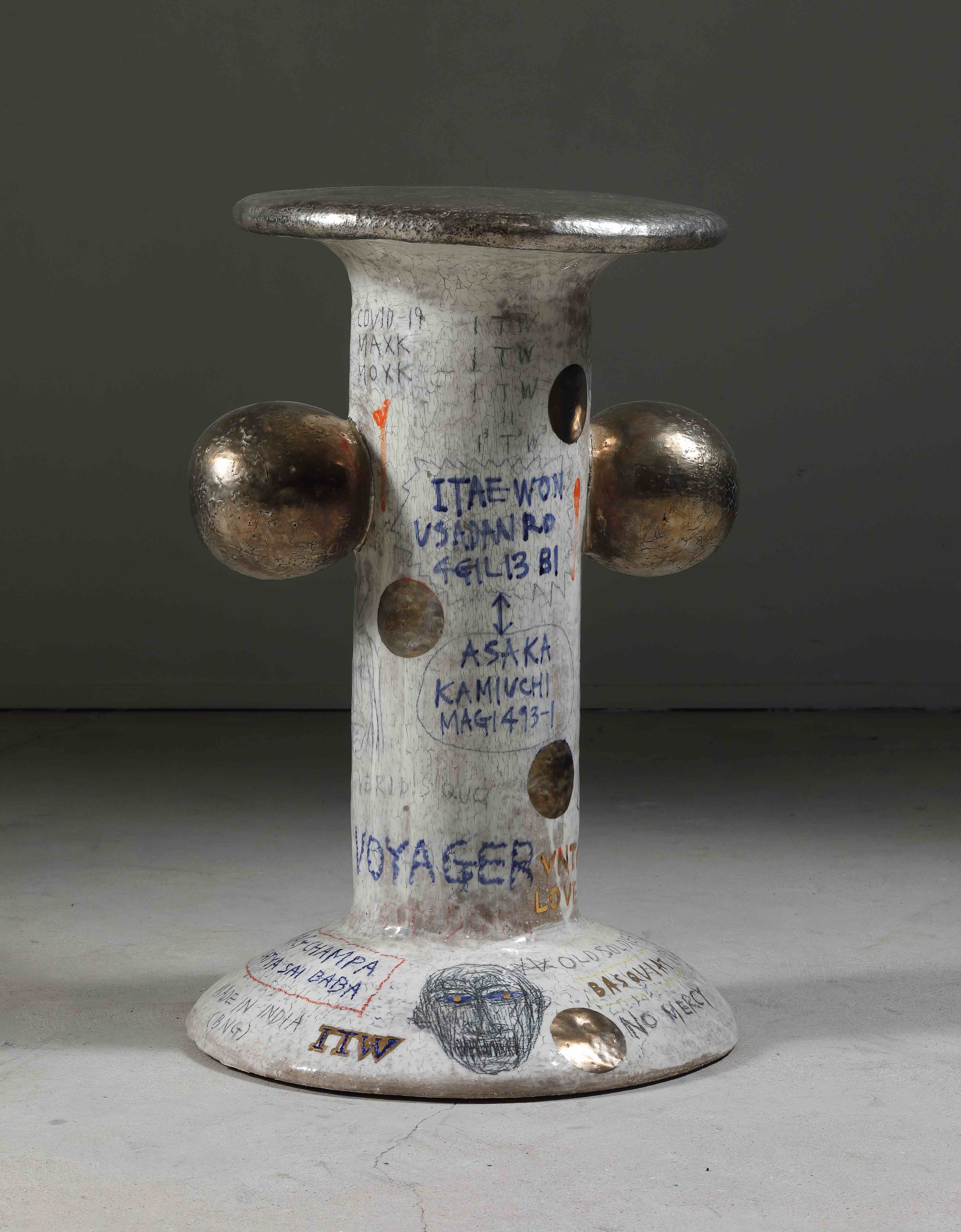 GOLD RUSH STOOL / Silver Luster on Ceramics, 35x35x55cm, 2020
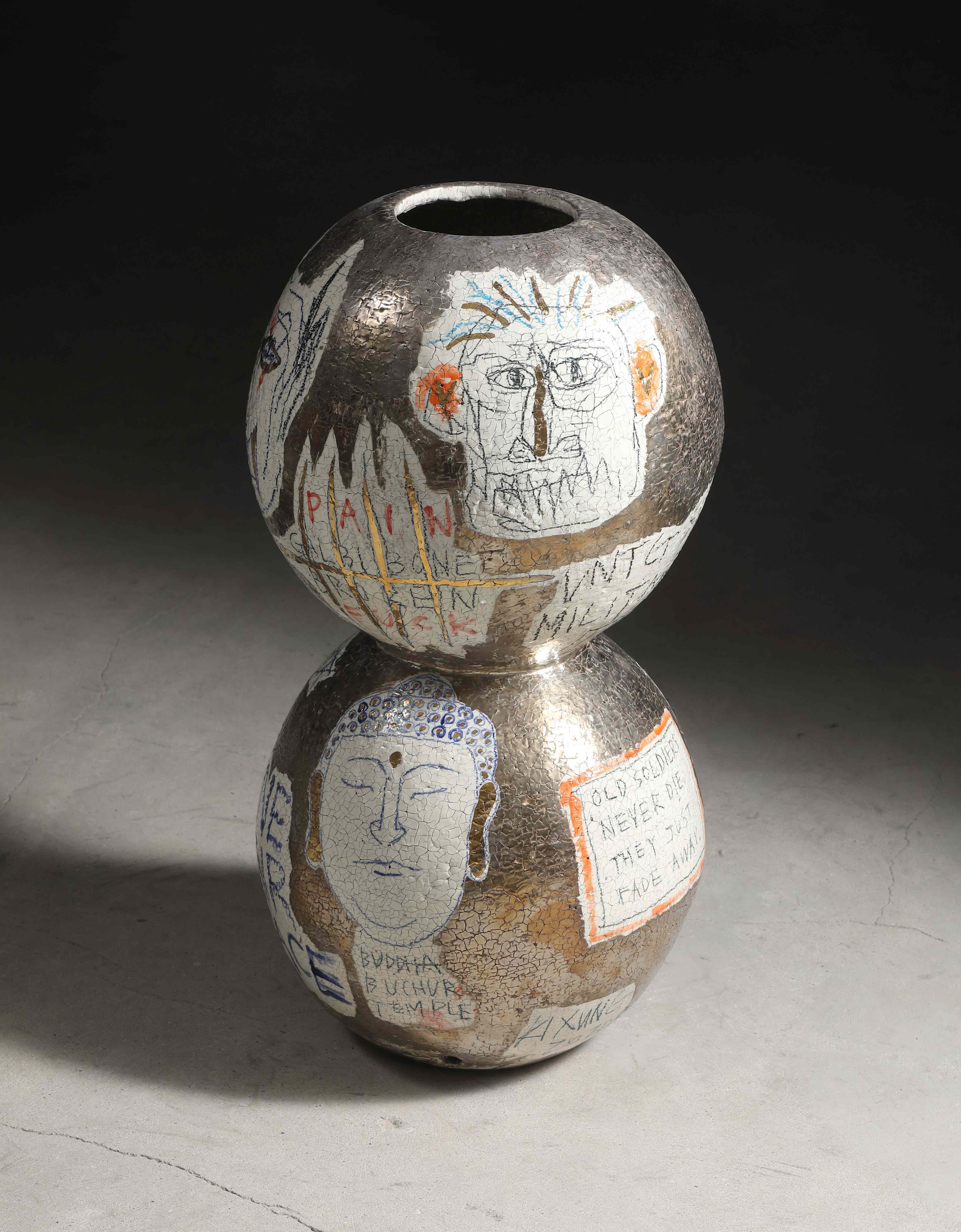 X / Gold Luster & Silver Luster on Ceramics, 35x35x60cm, 2020
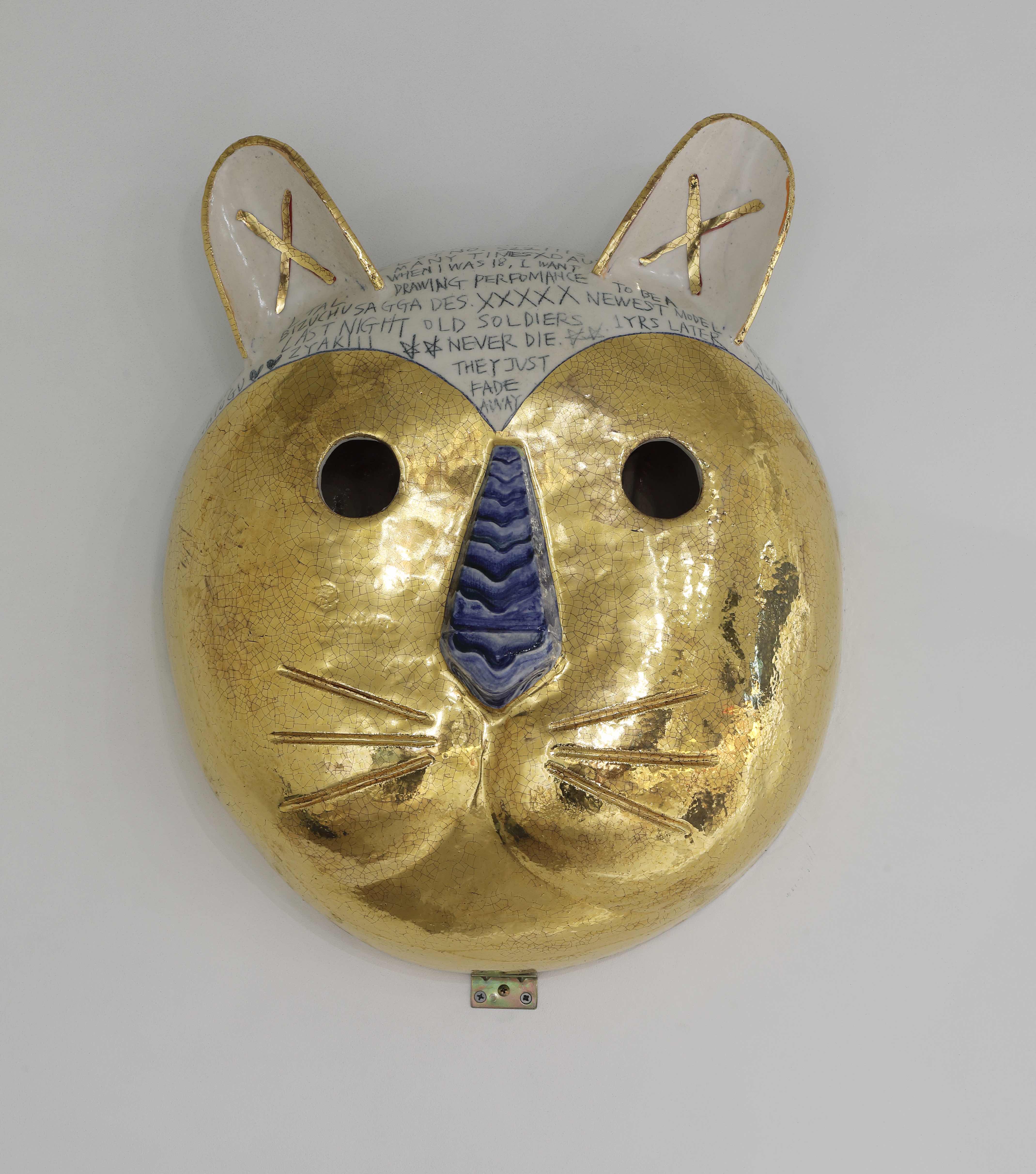 TAL(TOYANGI) / Gold Luster on Ceramics, 65x45x20cm, 2020
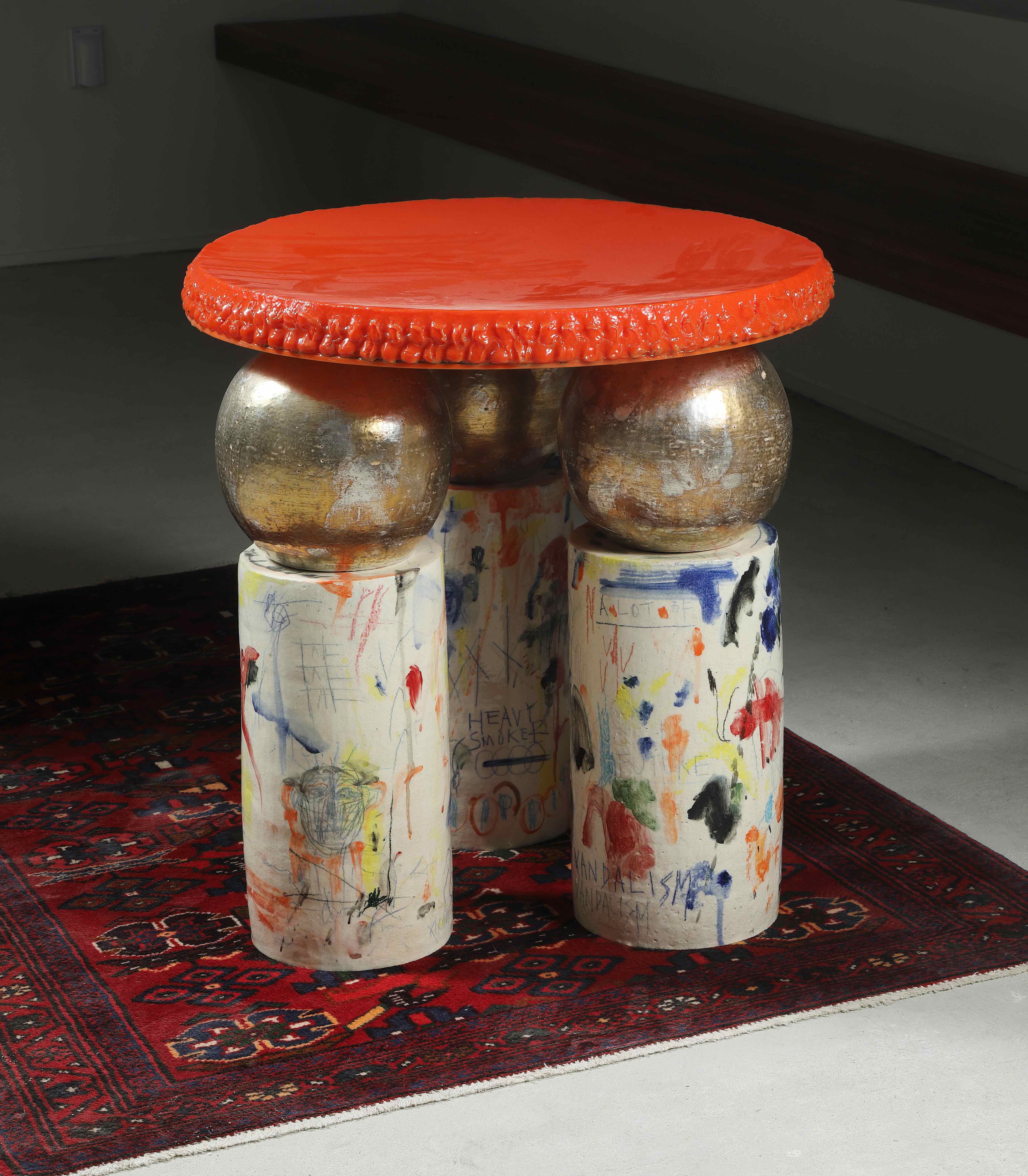 GOLD RUSH STOOL / Silver Luster on Ceramics, Resin, π65x55cm, 2020
-Exhibition Dates : November 21 ~ 22, 2019
-Exhibition Space : Marunuma Art Park (493-1 Kamiuchimagi, Asaka, Saitama, Japan)
-Artist : Eum Kixung
-Design : Eum Kixung
-Photograph : Ohashi Hiroshi
-Hosted and supervised : Marunuma Art Park, Korea Craft & Design Foundation (KCDF)
-Sponsor : Korean Cultural Center, Azabujuban Gallery
[Download PDF] Exhibition Text
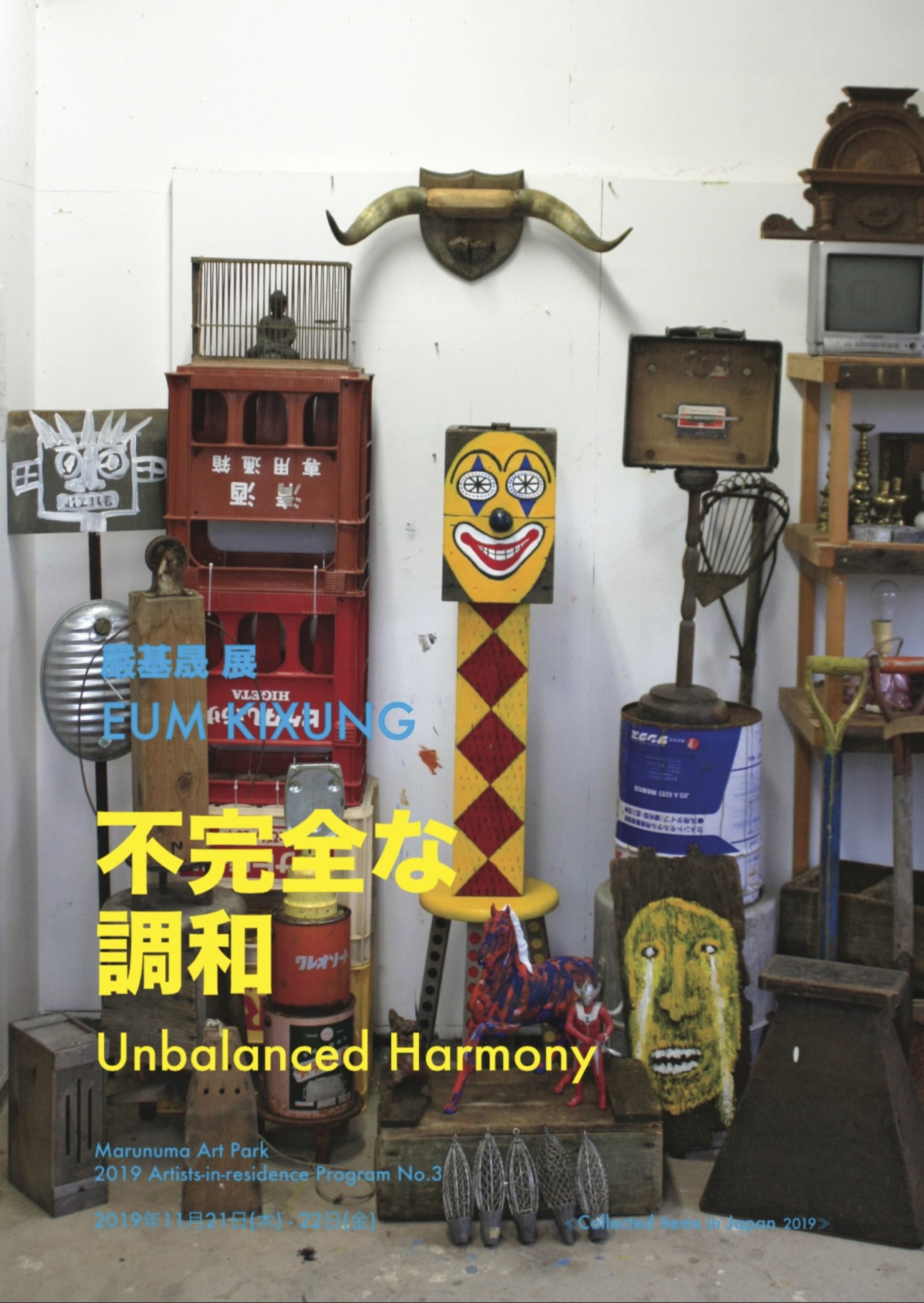
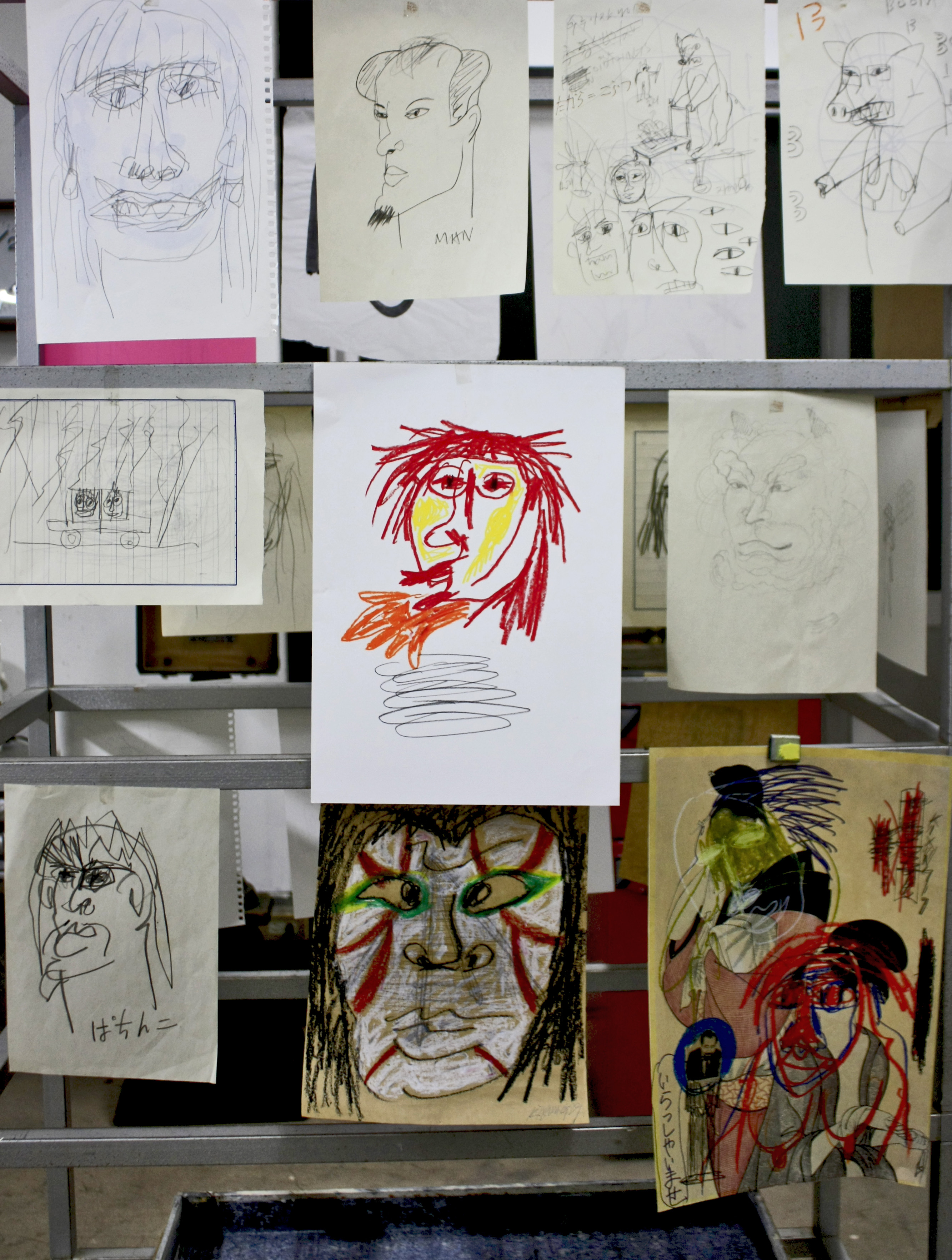
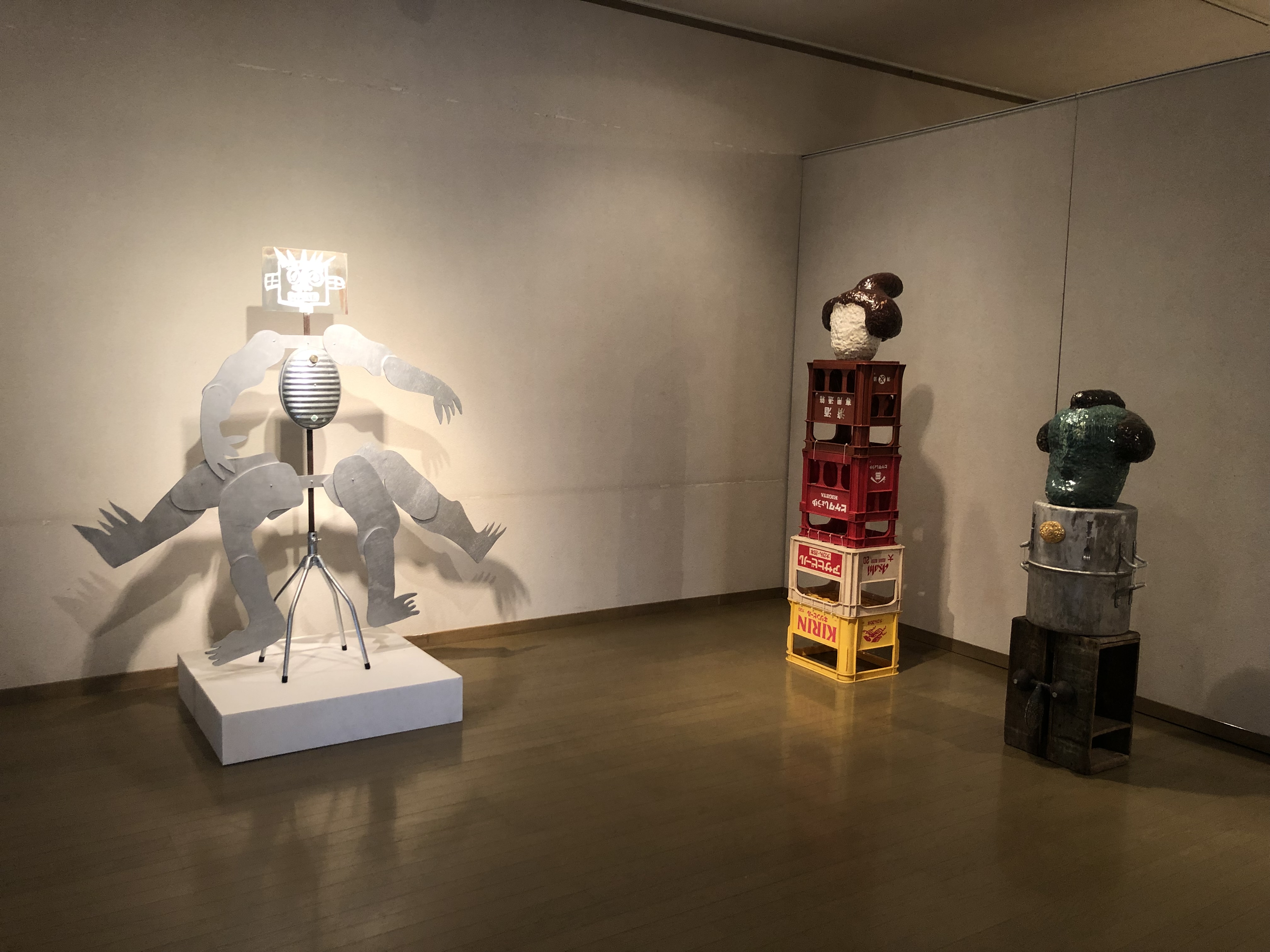
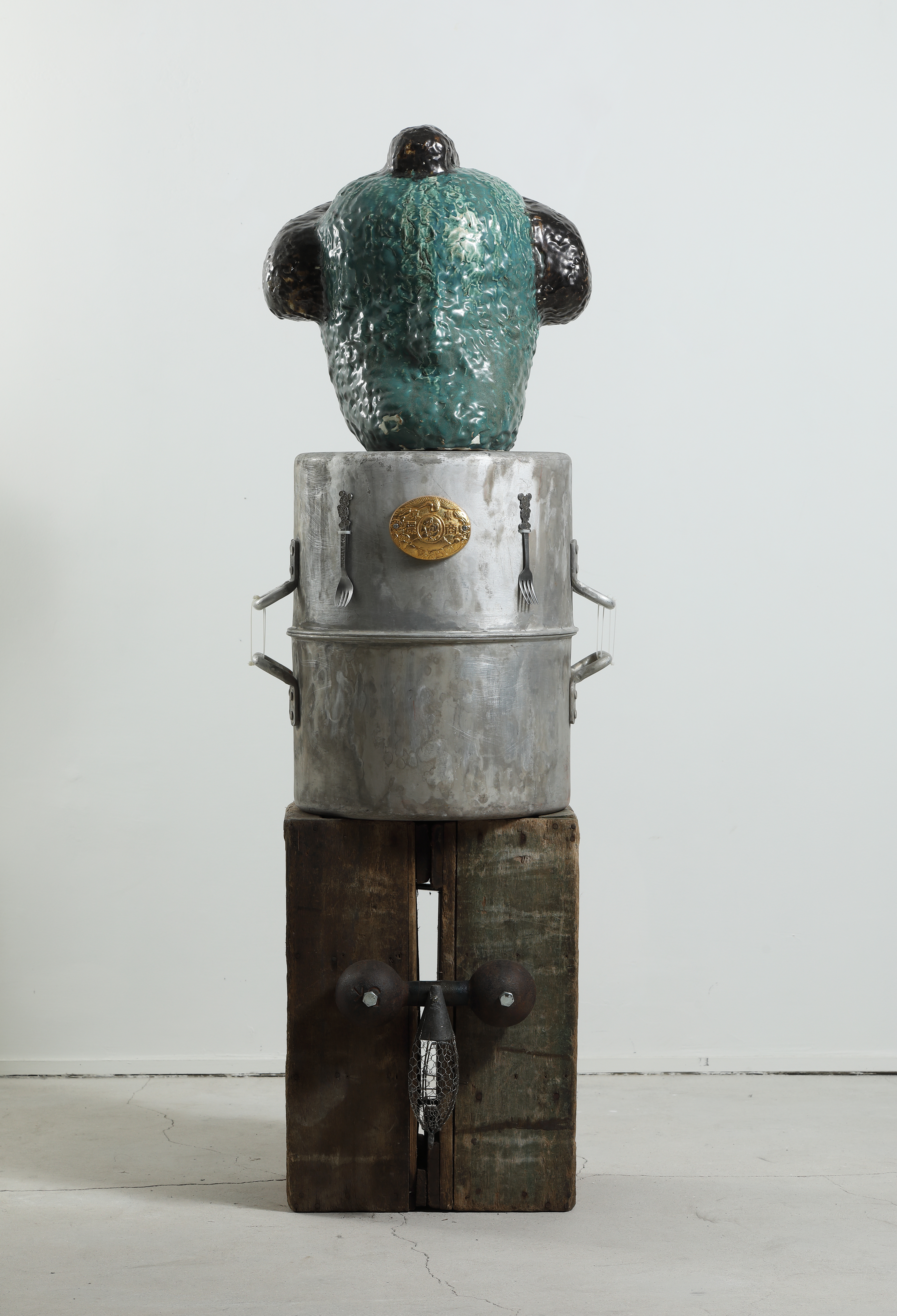 Oyabun(親分) / Collected Objects, Ceramics, 45x45x138cm, 2019
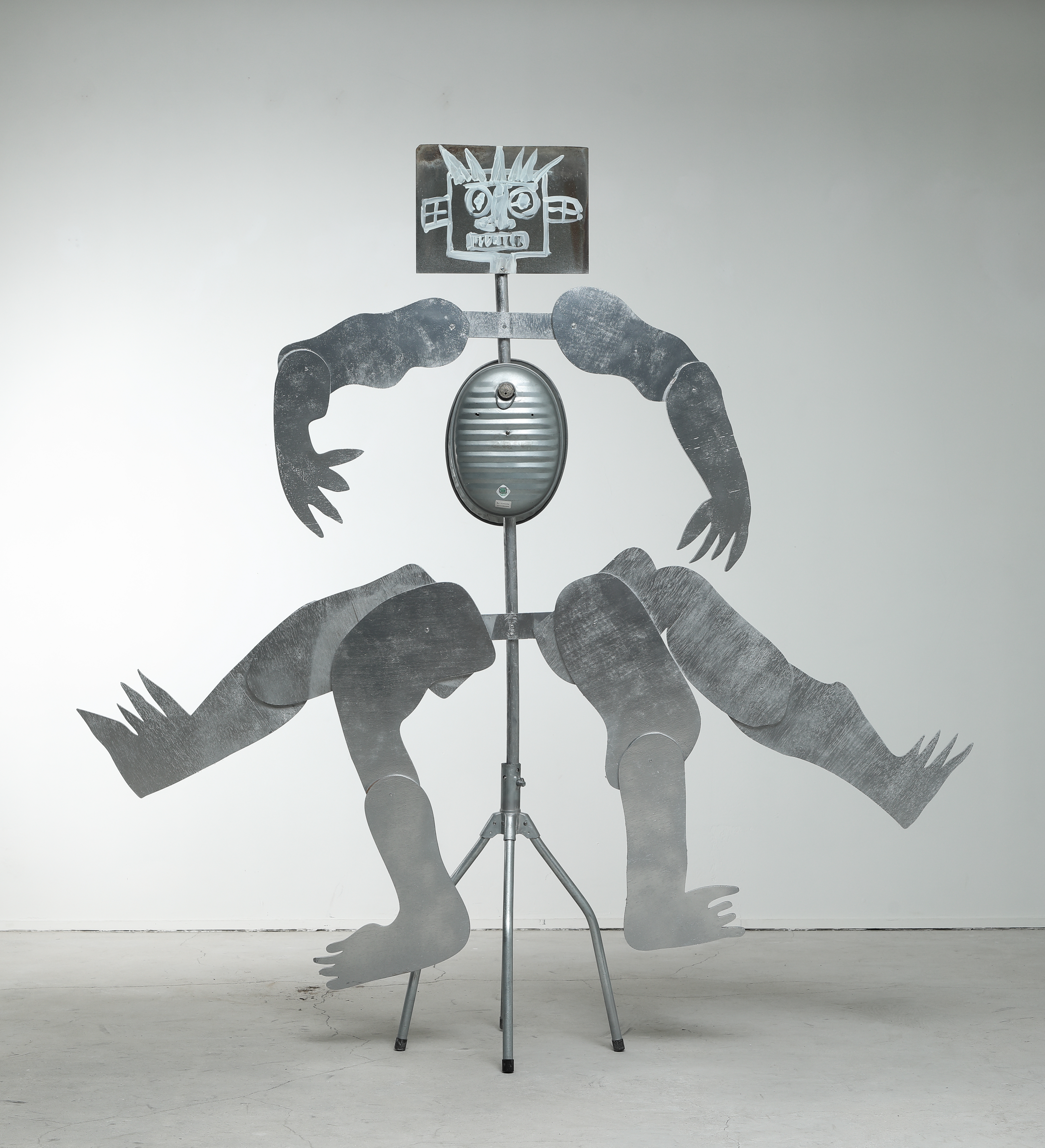 Metalic Man(メタリックマン) / Collected Objects, Wood, Acrylic, Metalic Spray, 175x34x167cm, 2019
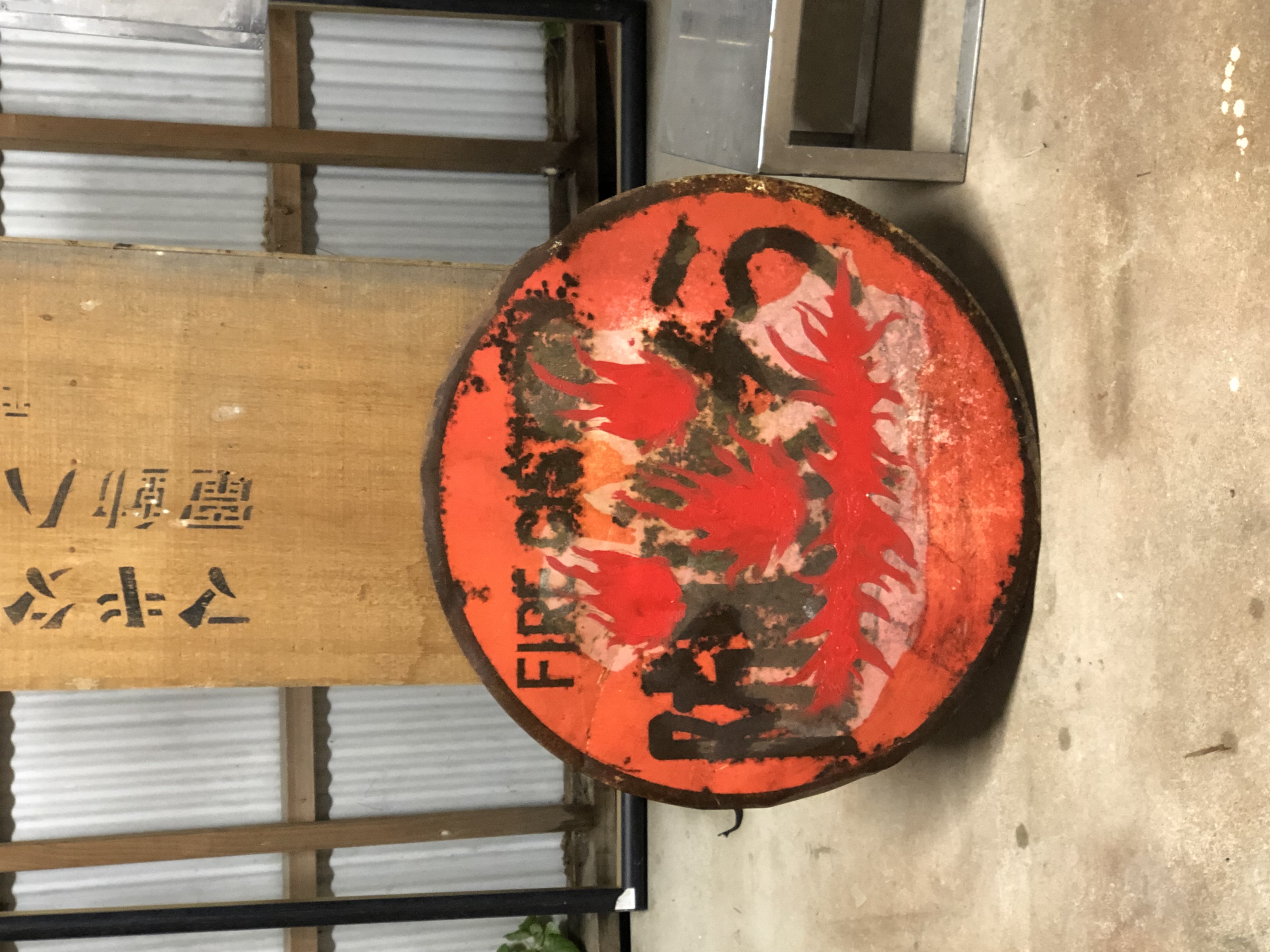
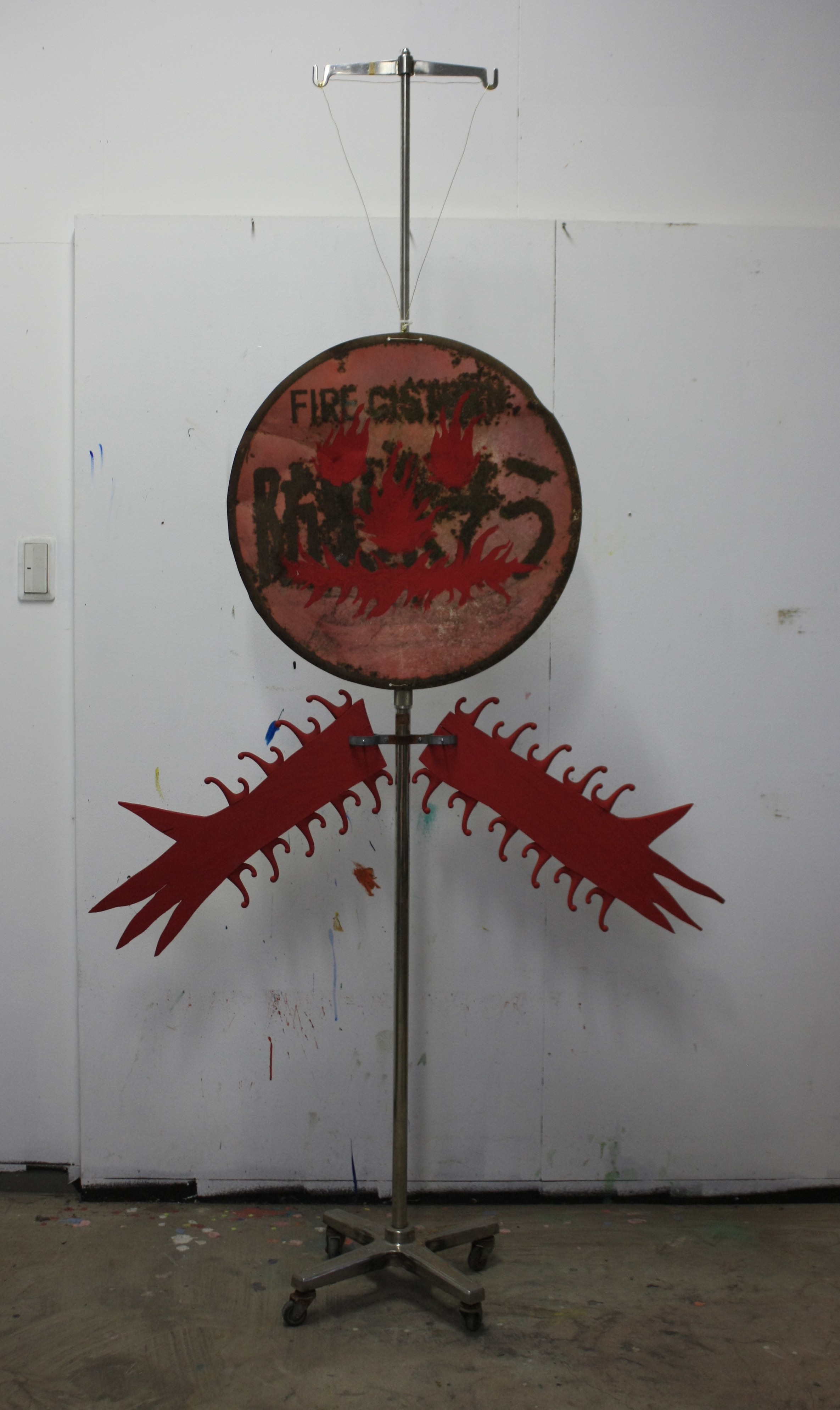
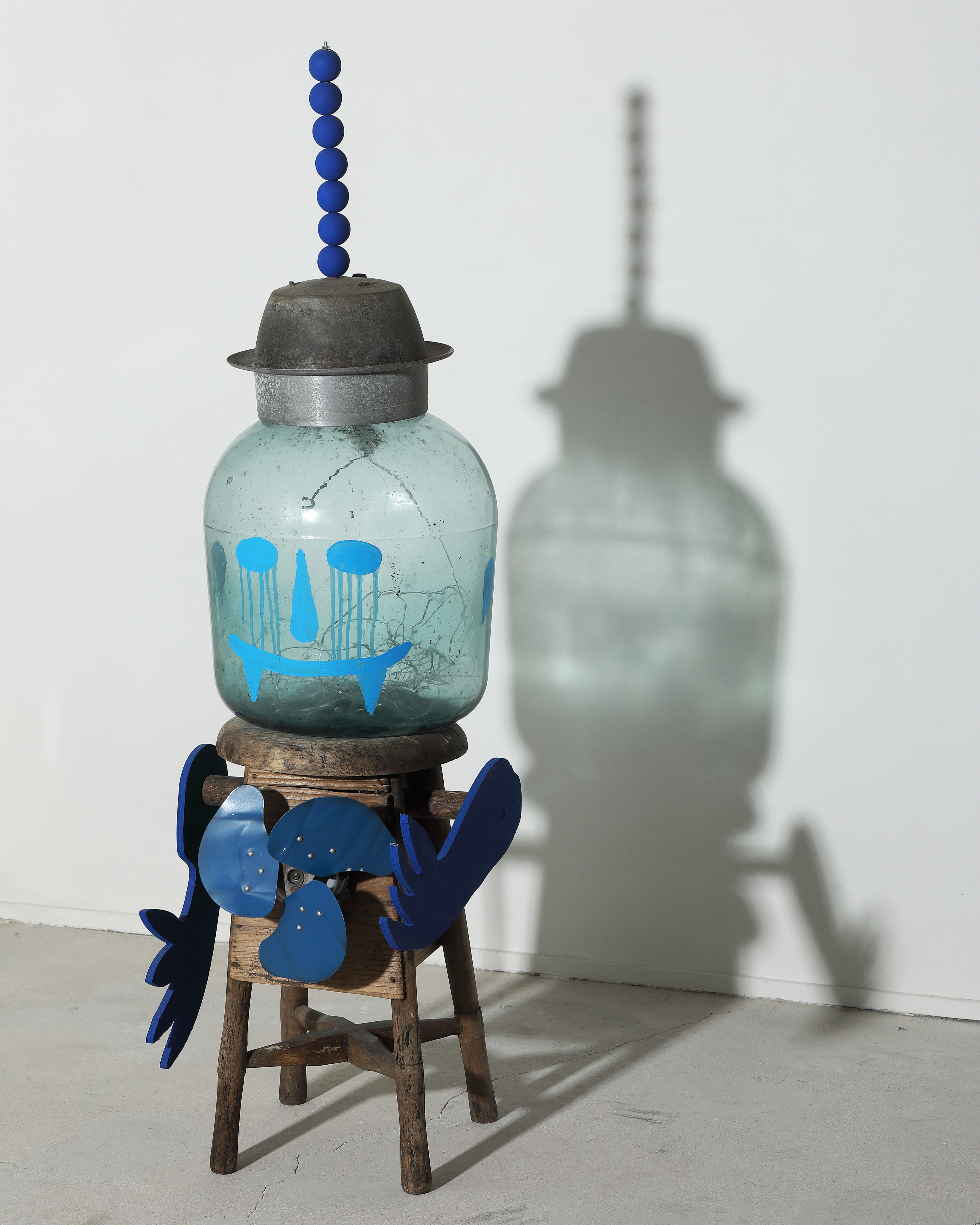 Goodbye(さようなら) / Collected Objects, Wood, Acrylic, Lighting, 64x42x100cm, 2019
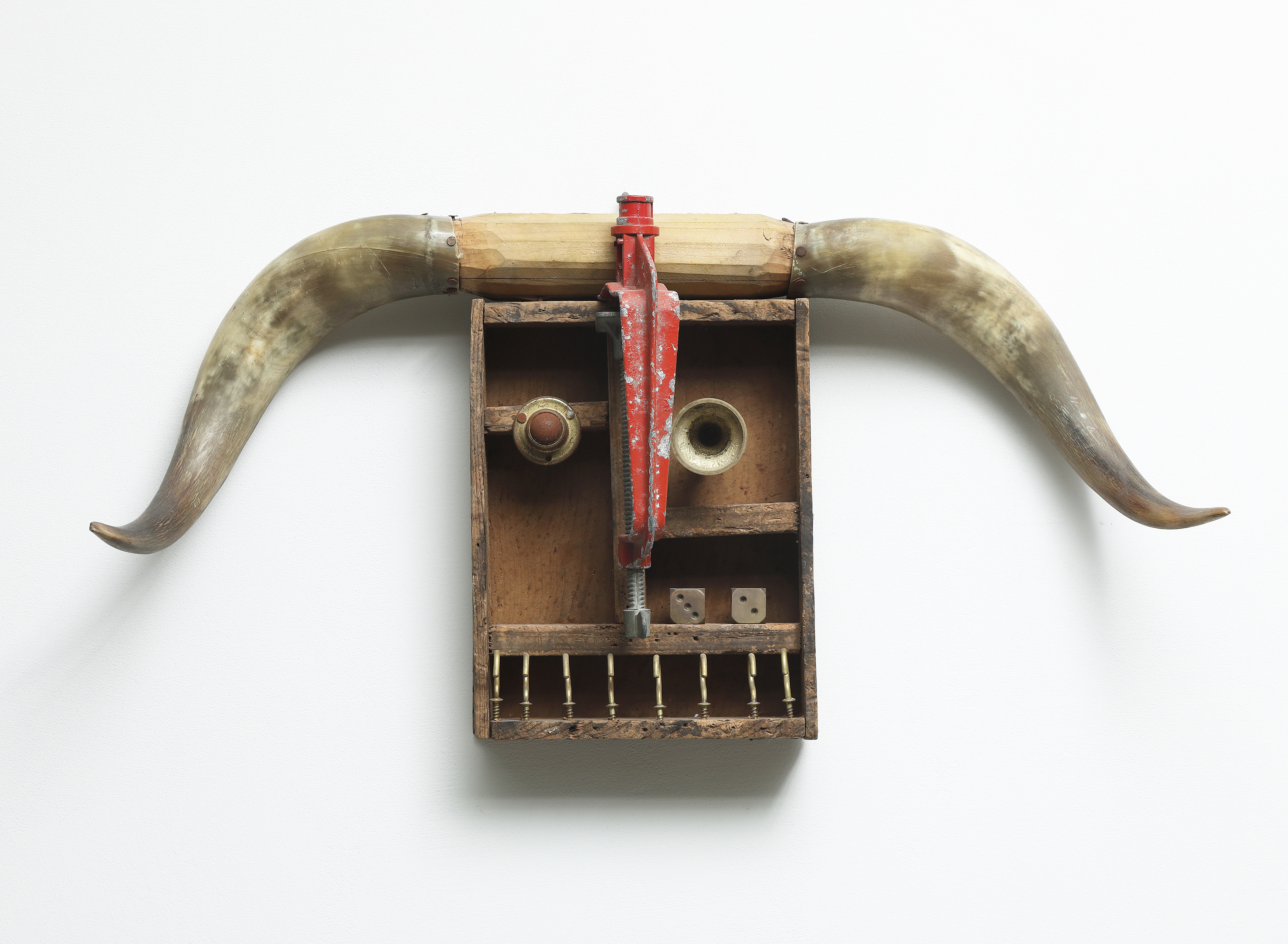 Ox(牛) / Collected Objects, Acrylic, 59x13x29cm, 2019
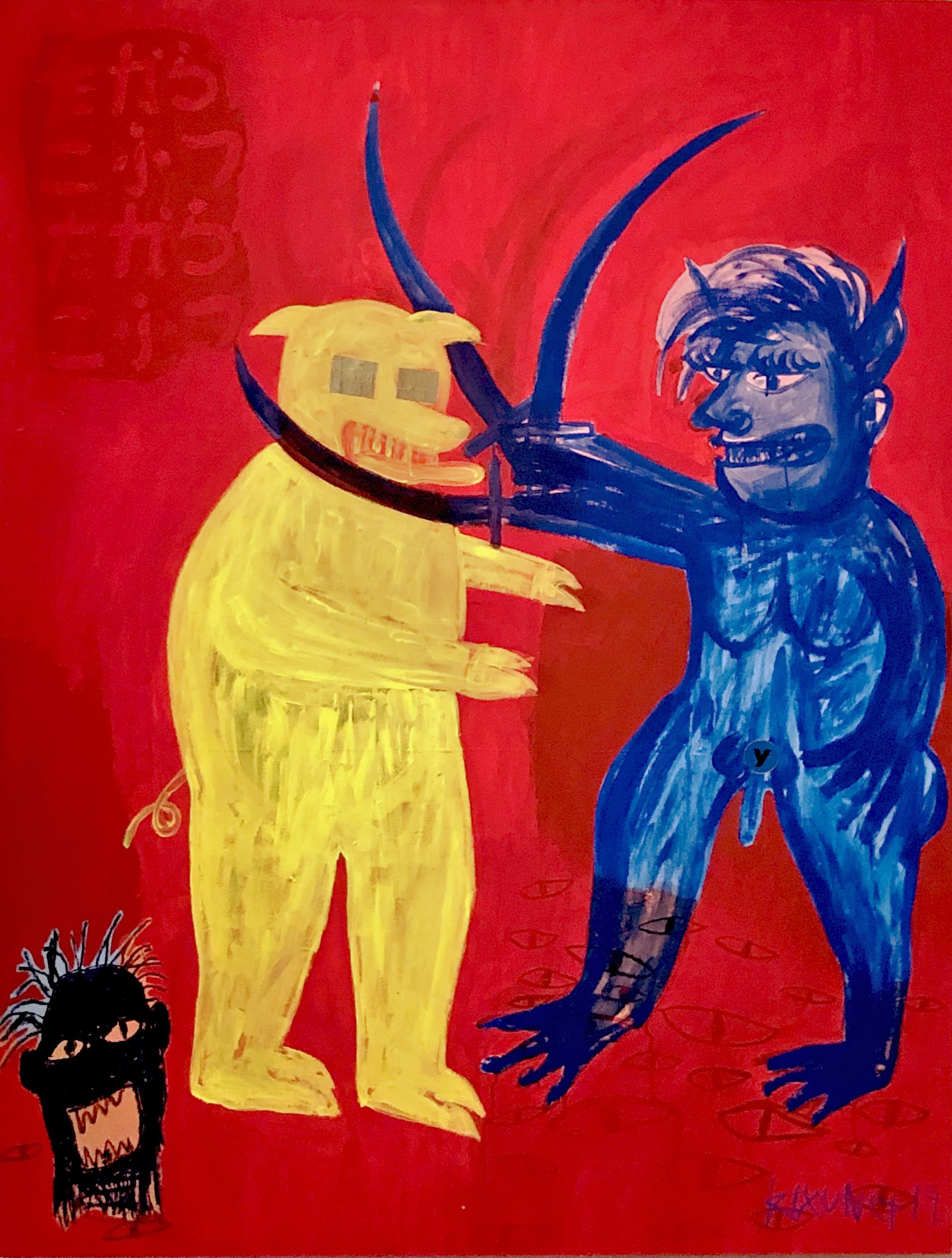 Self-Punishment(だんざい) / Acrylic on Wood pannel, Sticker, 162x130cm, 2019
-Exhibition Dates : Febrary 11 ~ March 10, 2019
-Exhibition Space : Hart Gallery (40, Jahamun-ro, Jongno-gu, Seoul, Korea)
-Artist : Eum Kixung
-Design : Eum Kixung
-Photograph : -
-Hosted and supervised : Hart Gallery
-Sponsor : Korea Arts Management Service (KAMS)
*This exhibition is supported by 2018 Art Rental Support Program(Art Sharing Service)
[Download PDF] Exhibition Catalog & Text
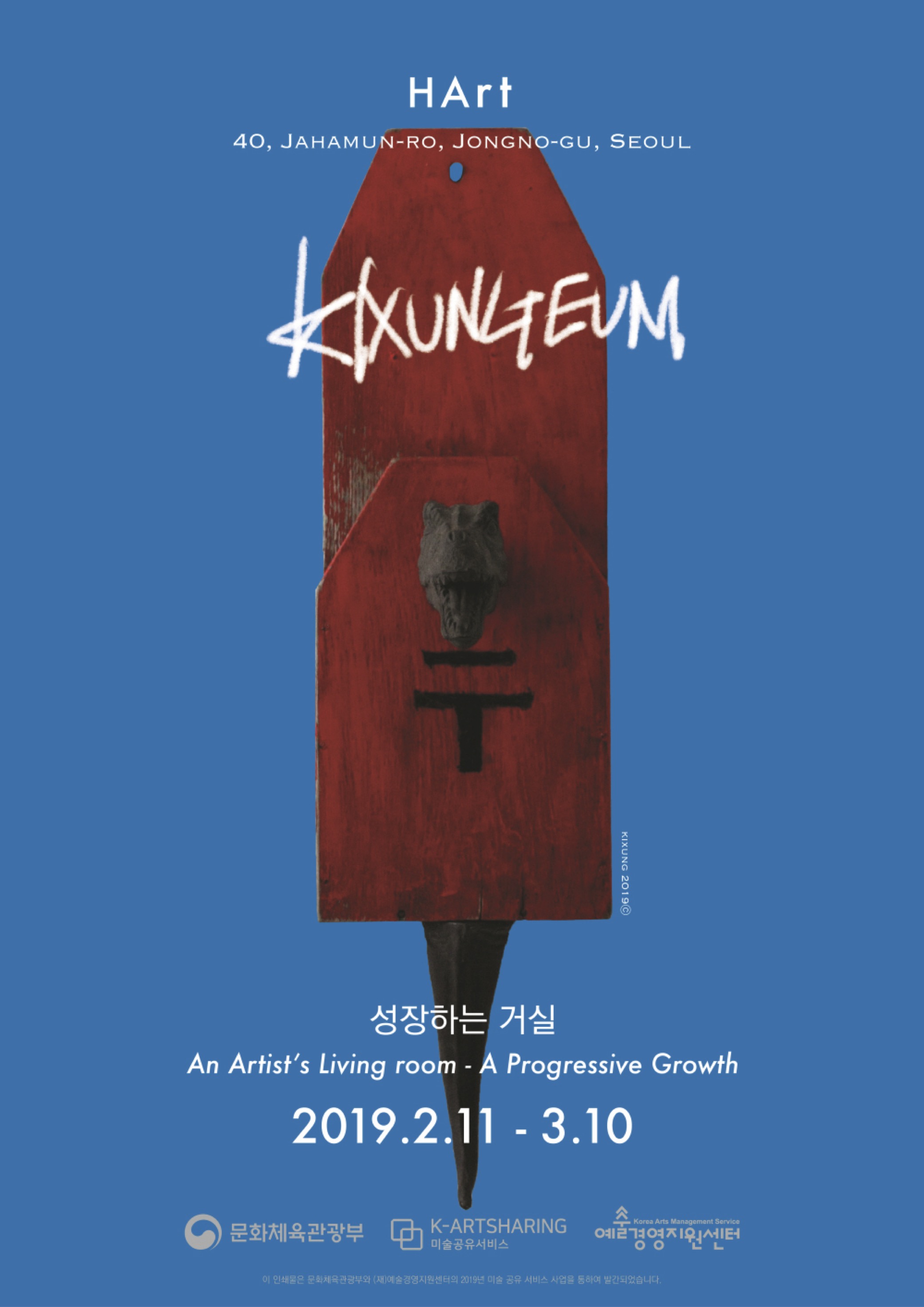
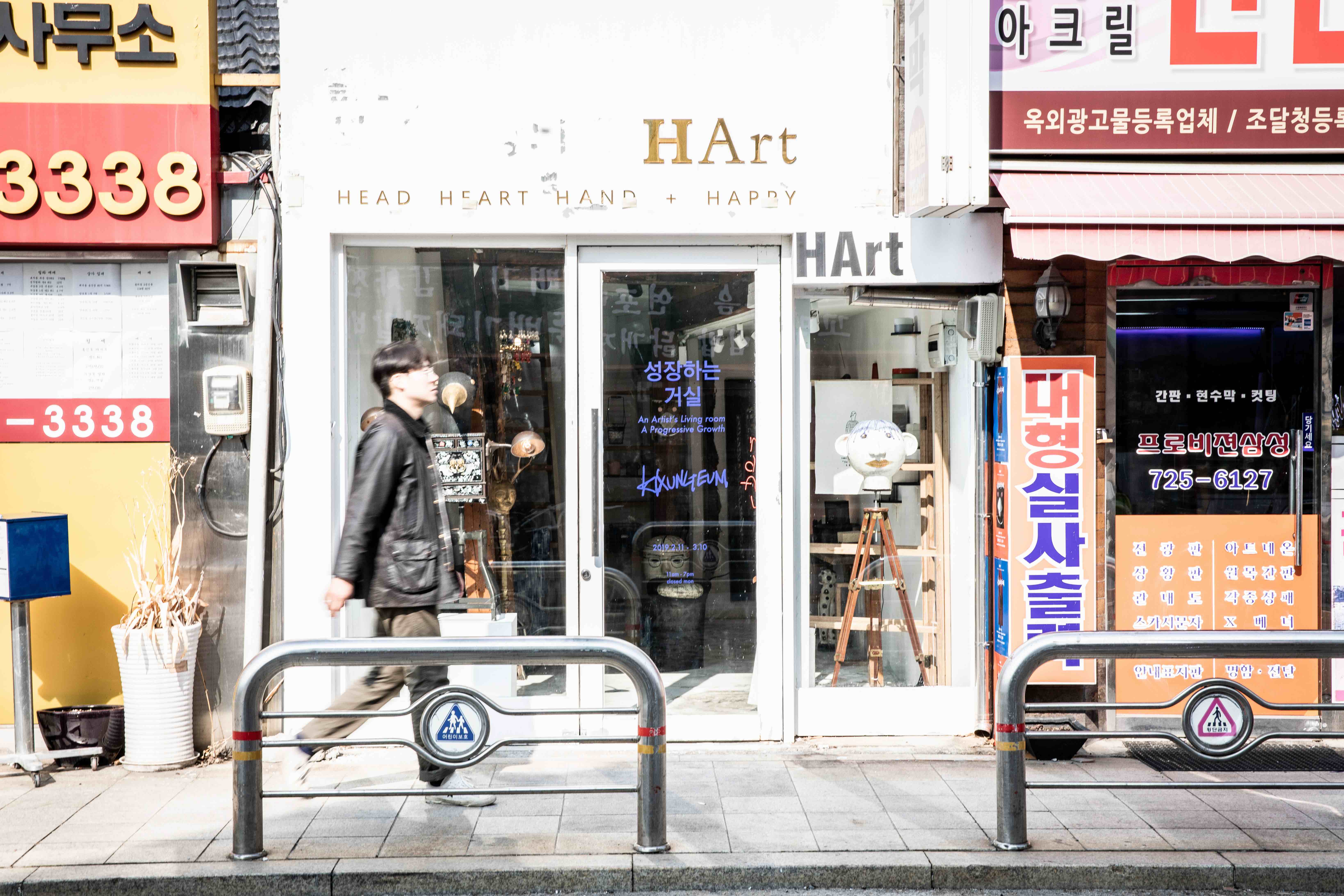
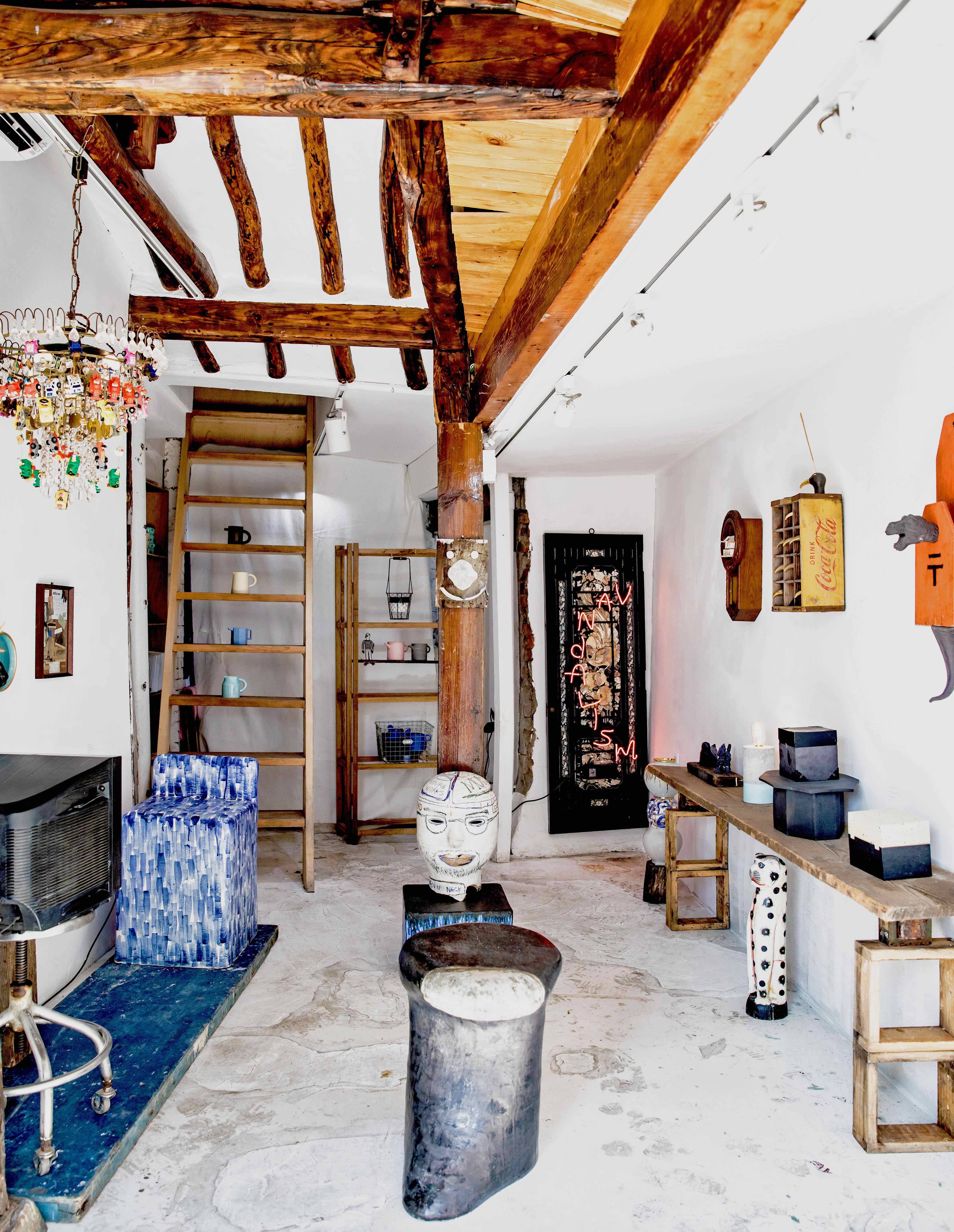
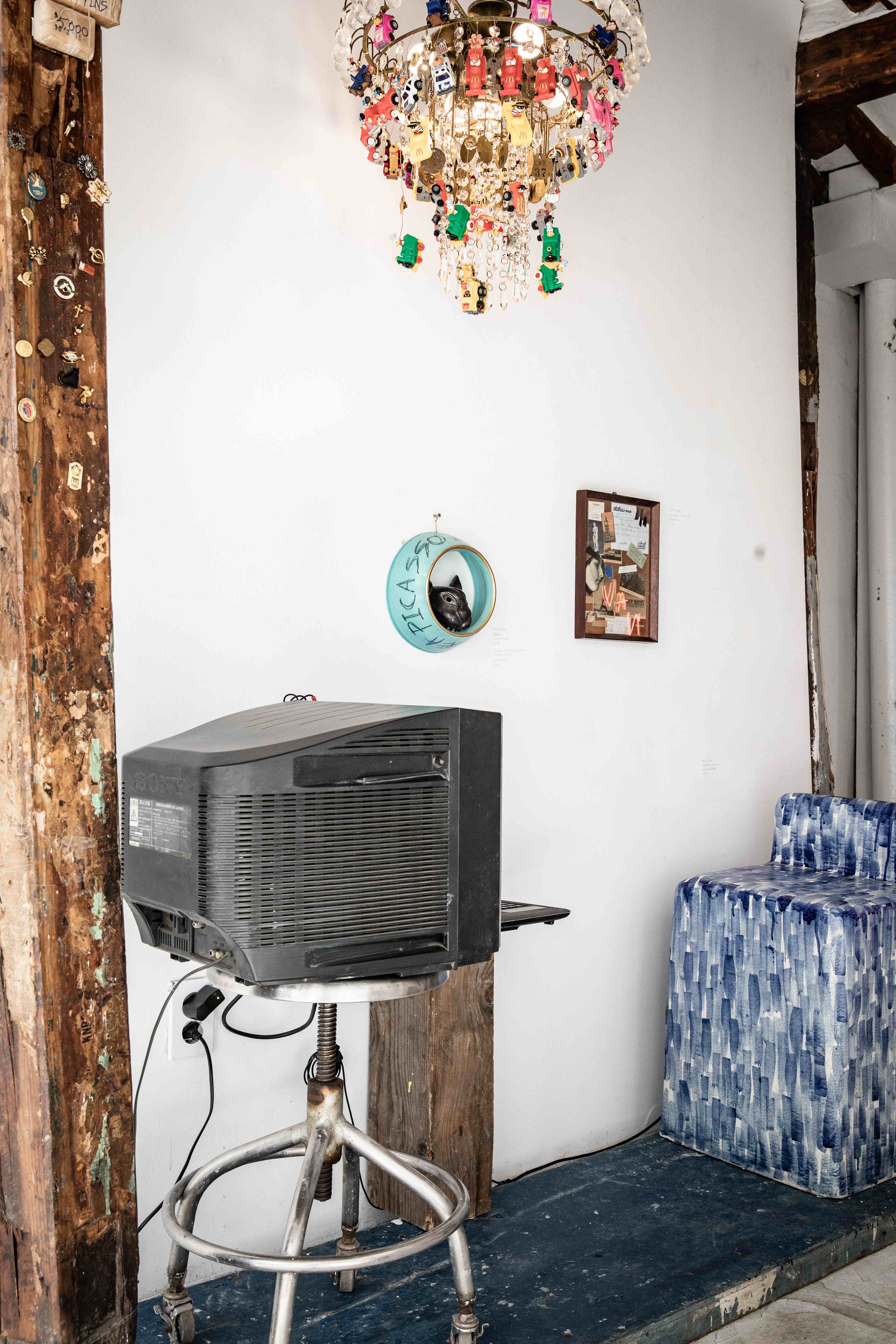
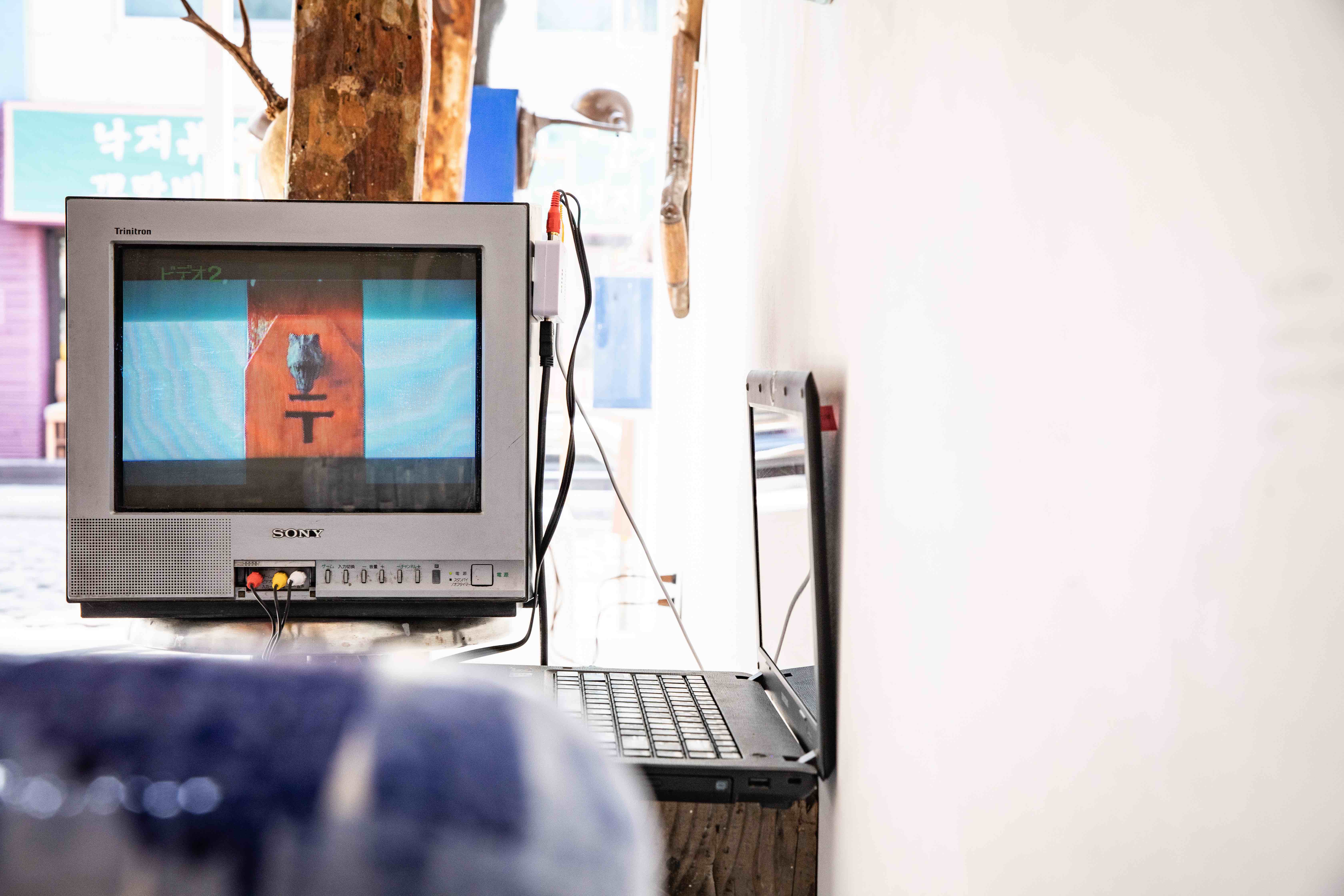 Homage to Baik(HTB) / Single channel video, 5min 13sec., 2019
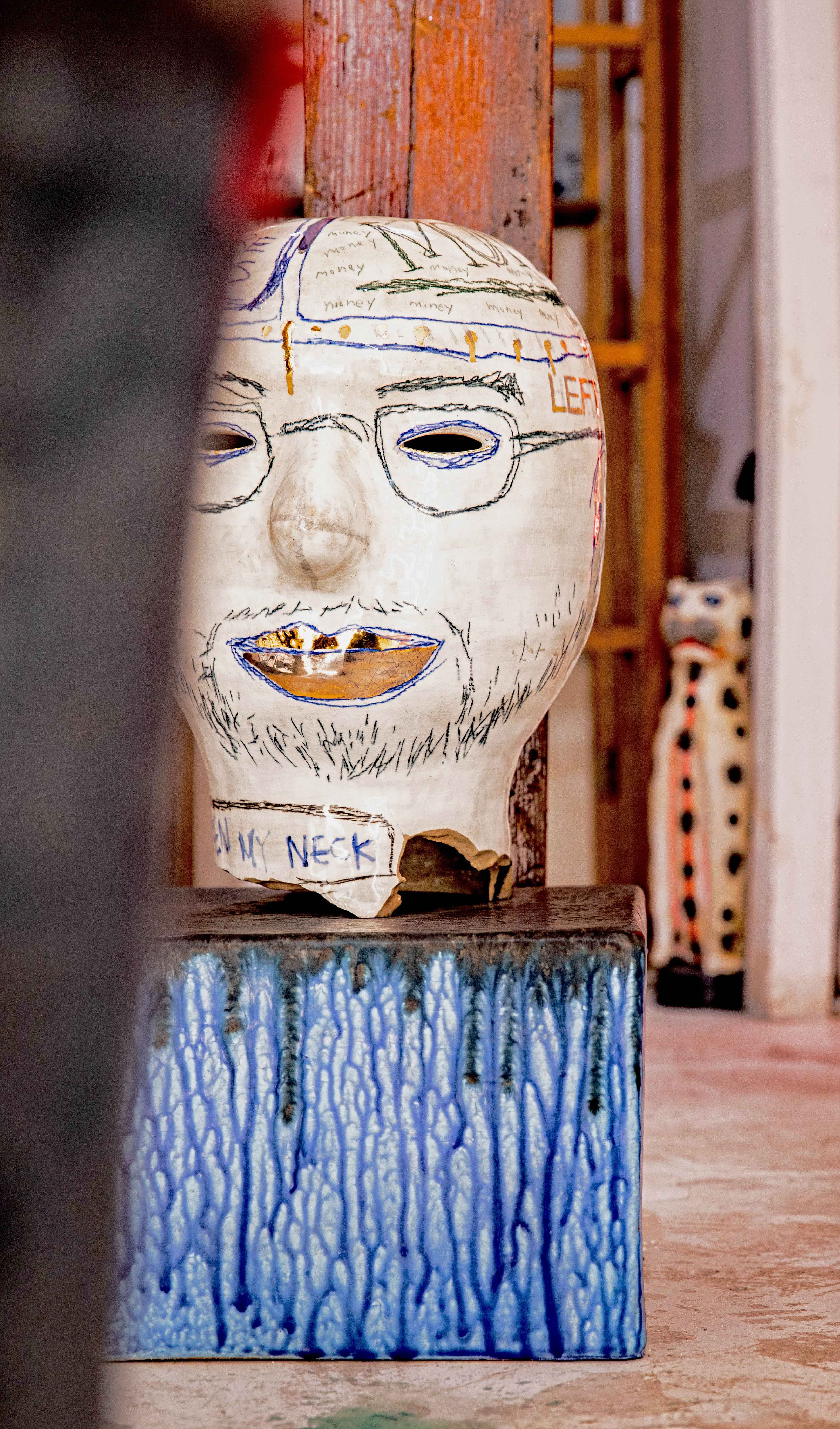 Self-portrait / Ceramics, Variable size, 2018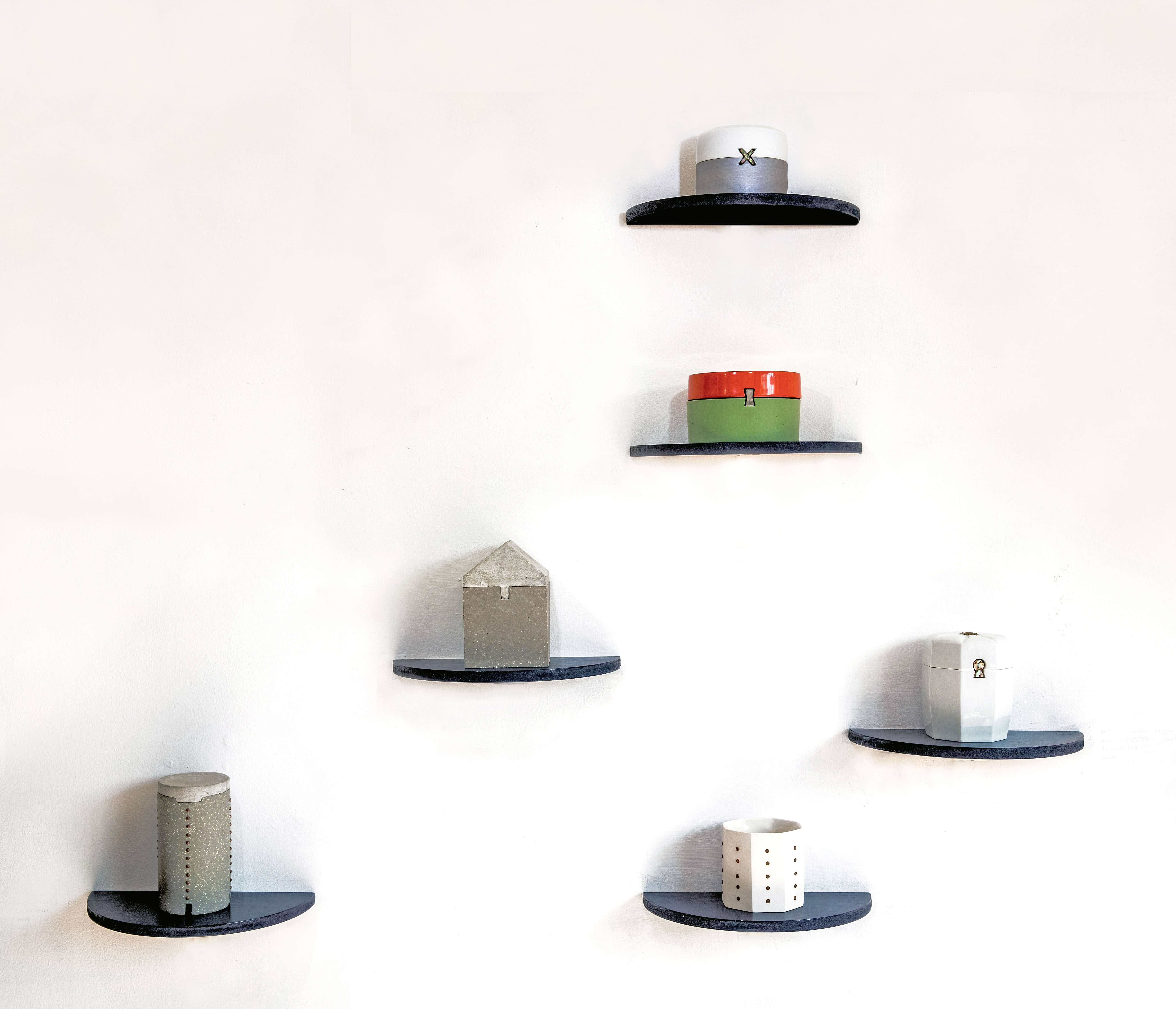
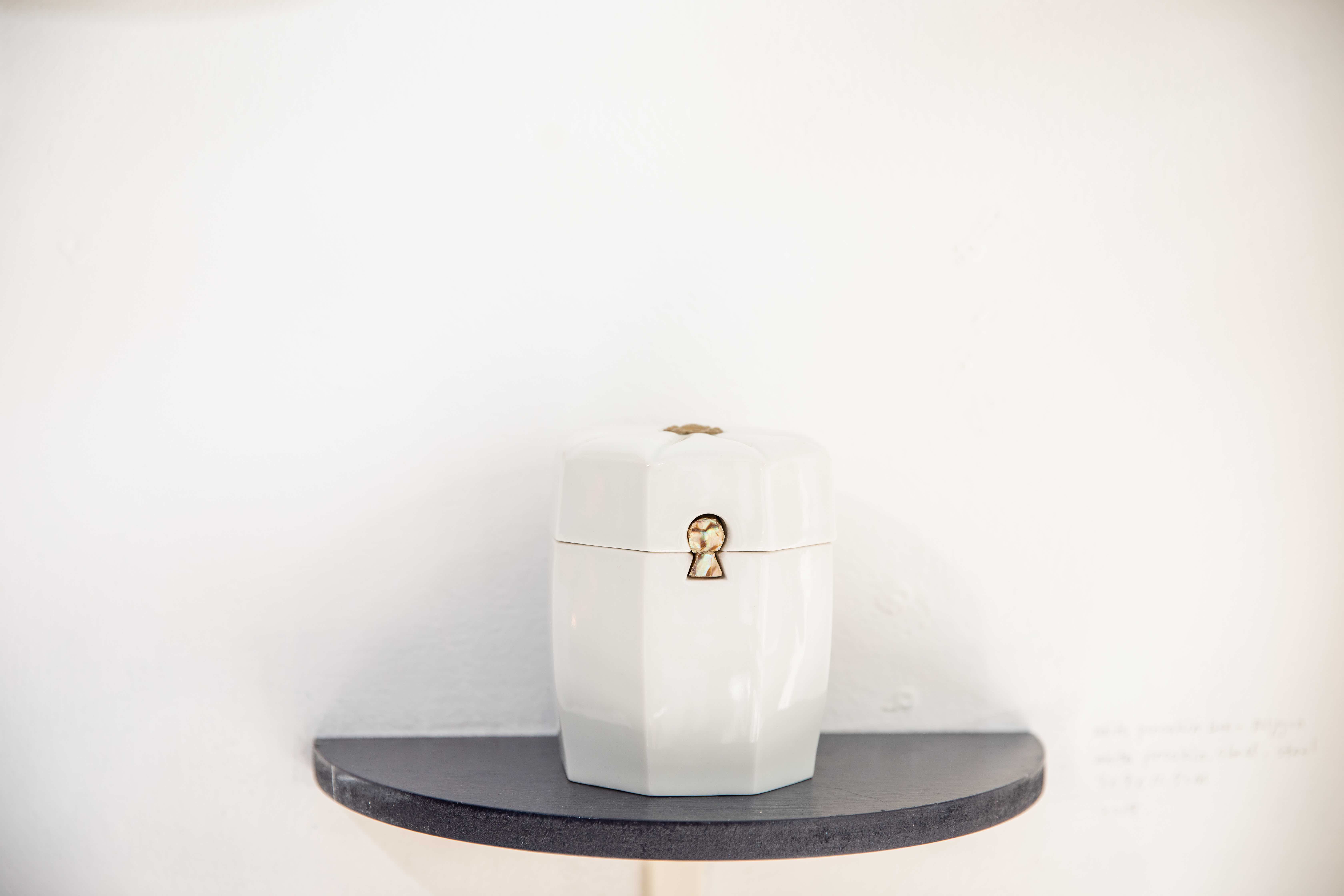 Hap / Ceramics, Variable size, 2015
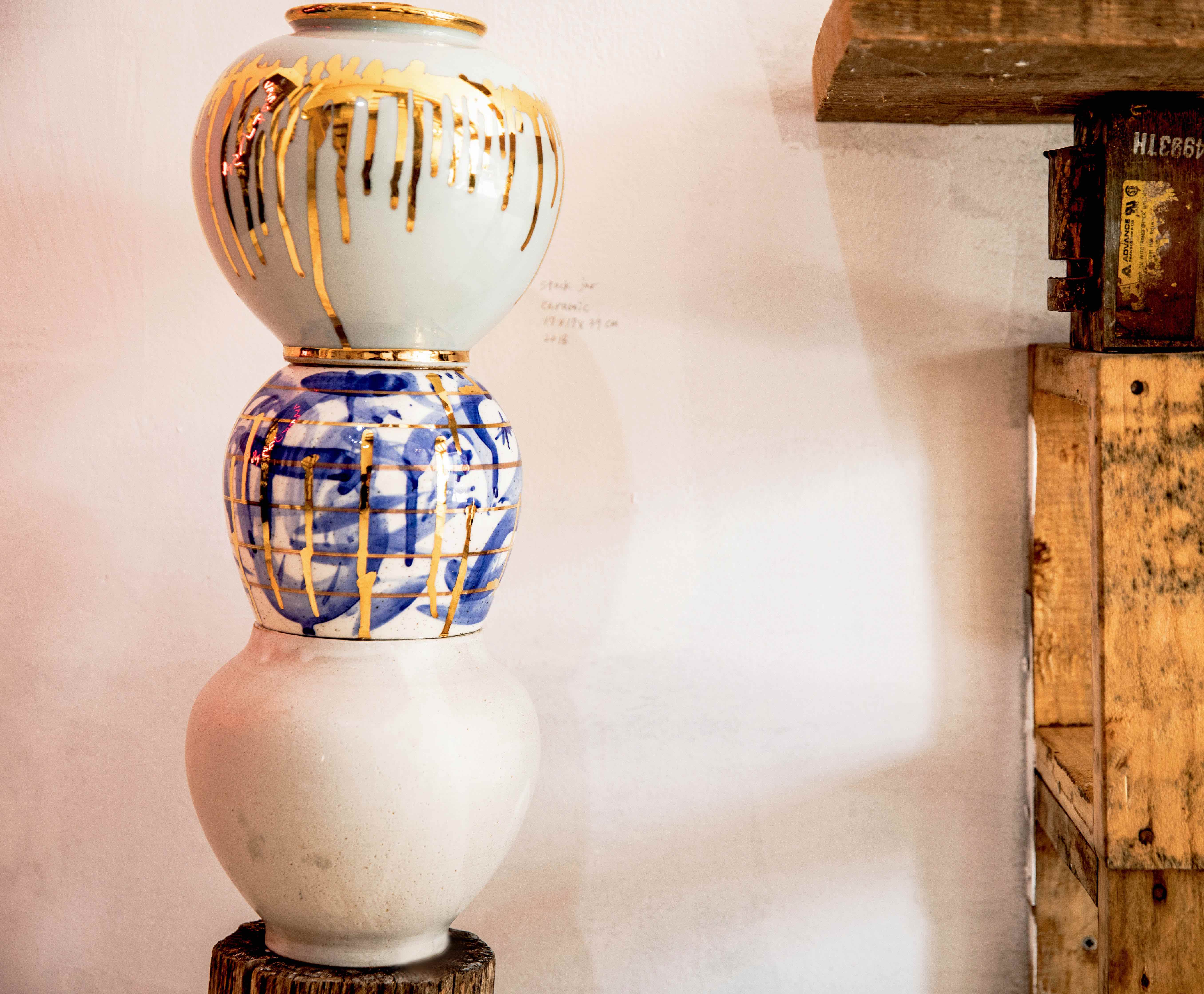 Stacked Jars / Ceramics, Variable size, 2018
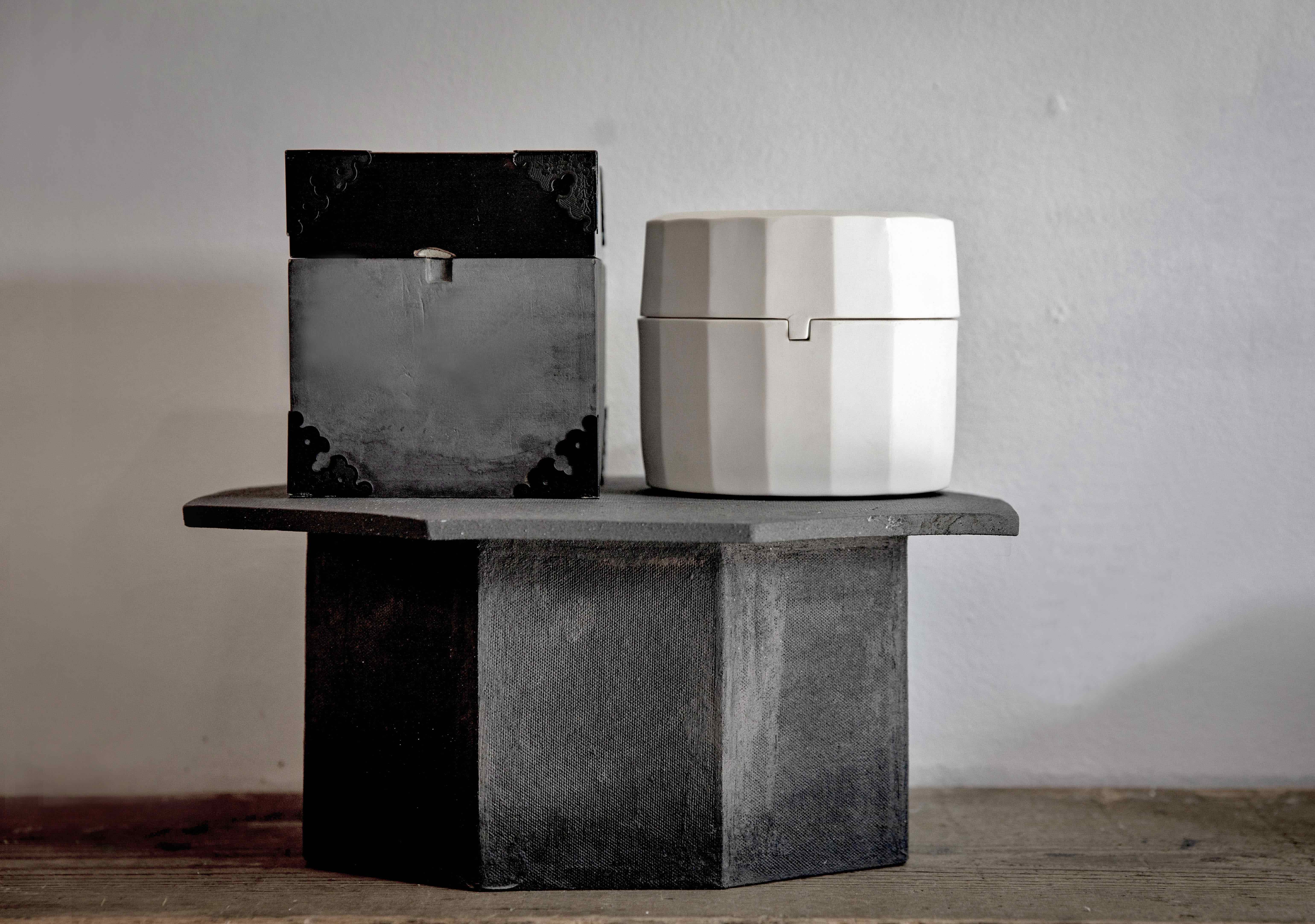 Hap2 / Ceramics, Variable size, 2015
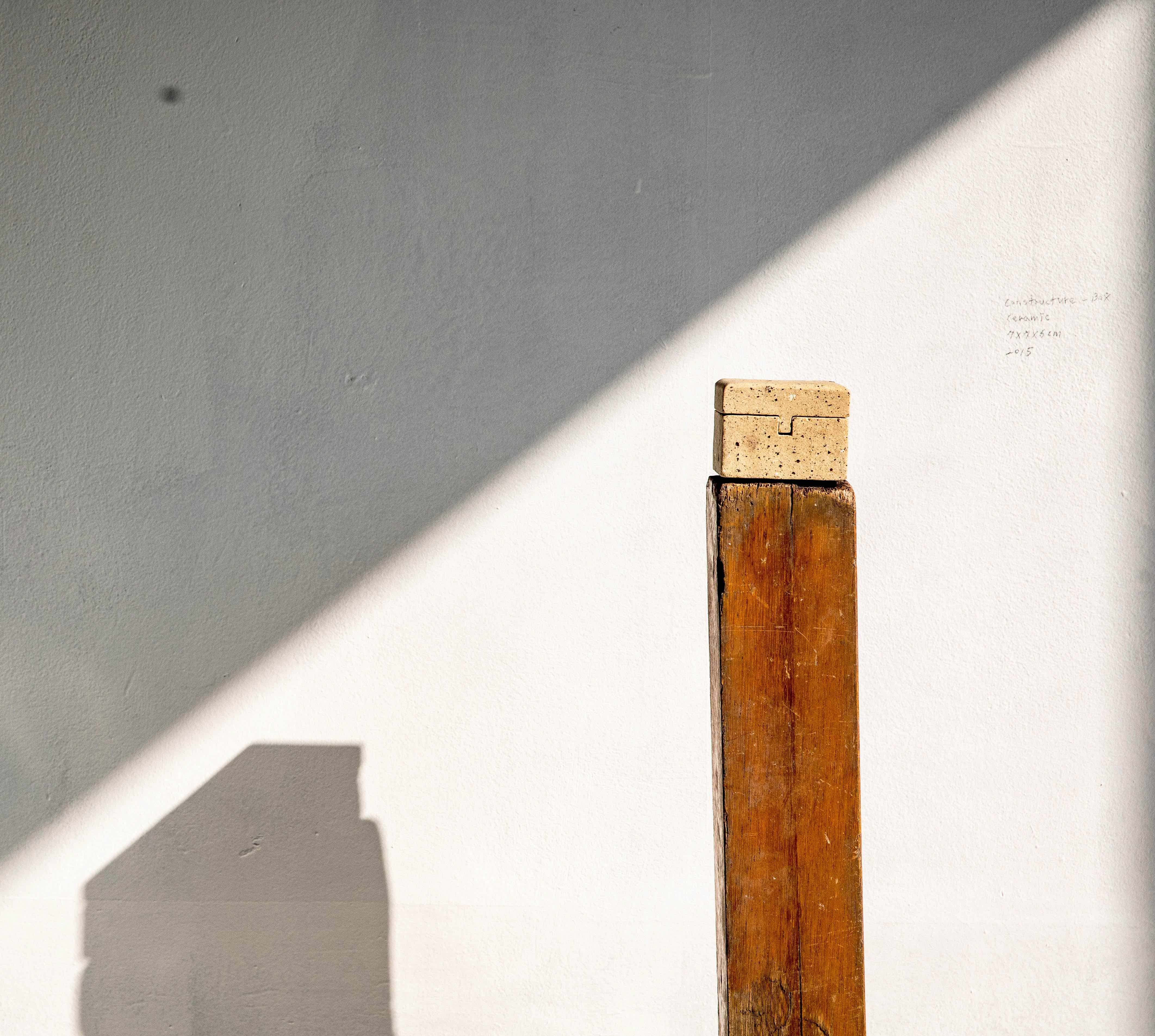 Hap2 / Ceramics, Variable size, 2015
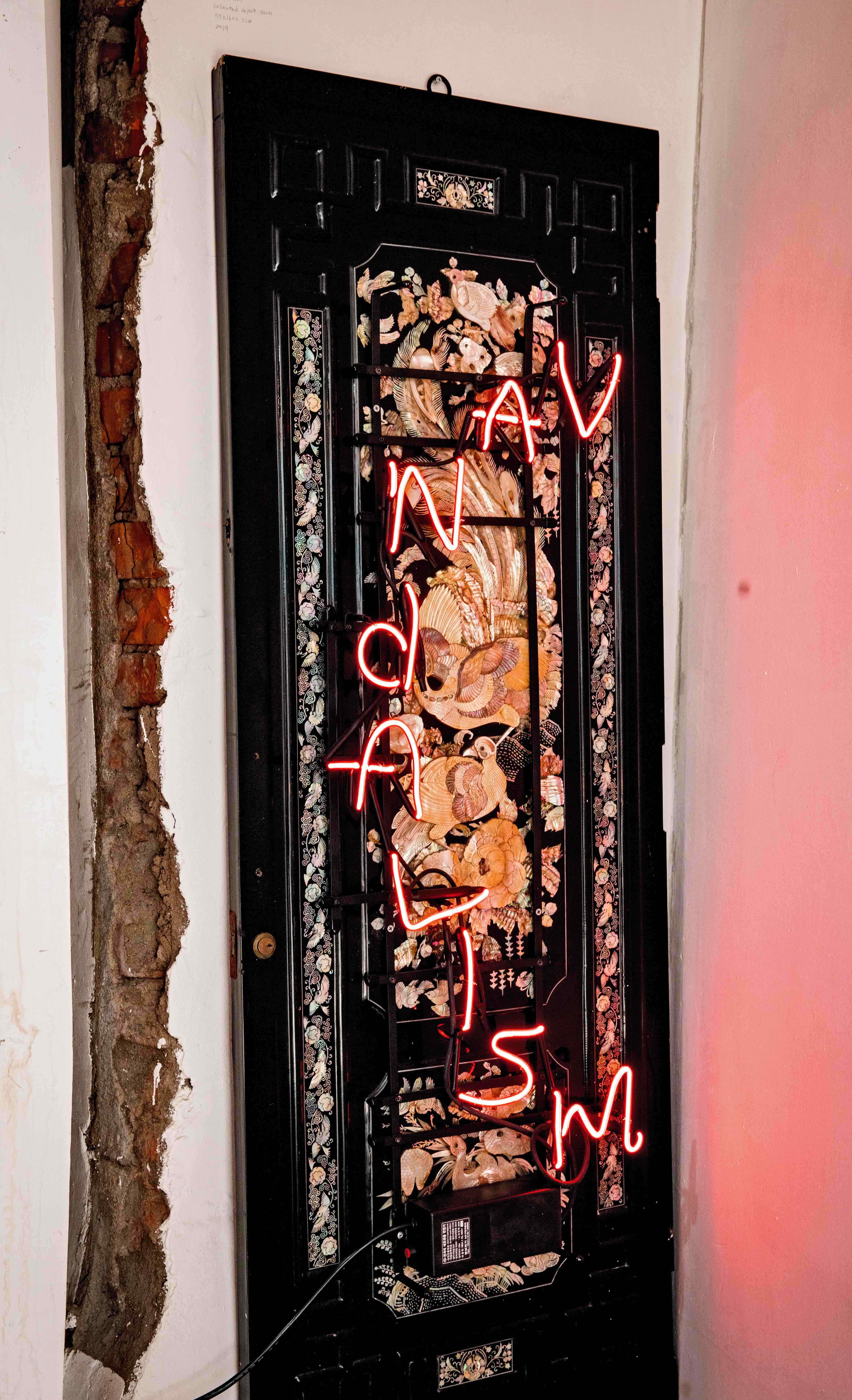 Vandalism / Neosign on Collected Lacquer Door, 163x68cm, 2018
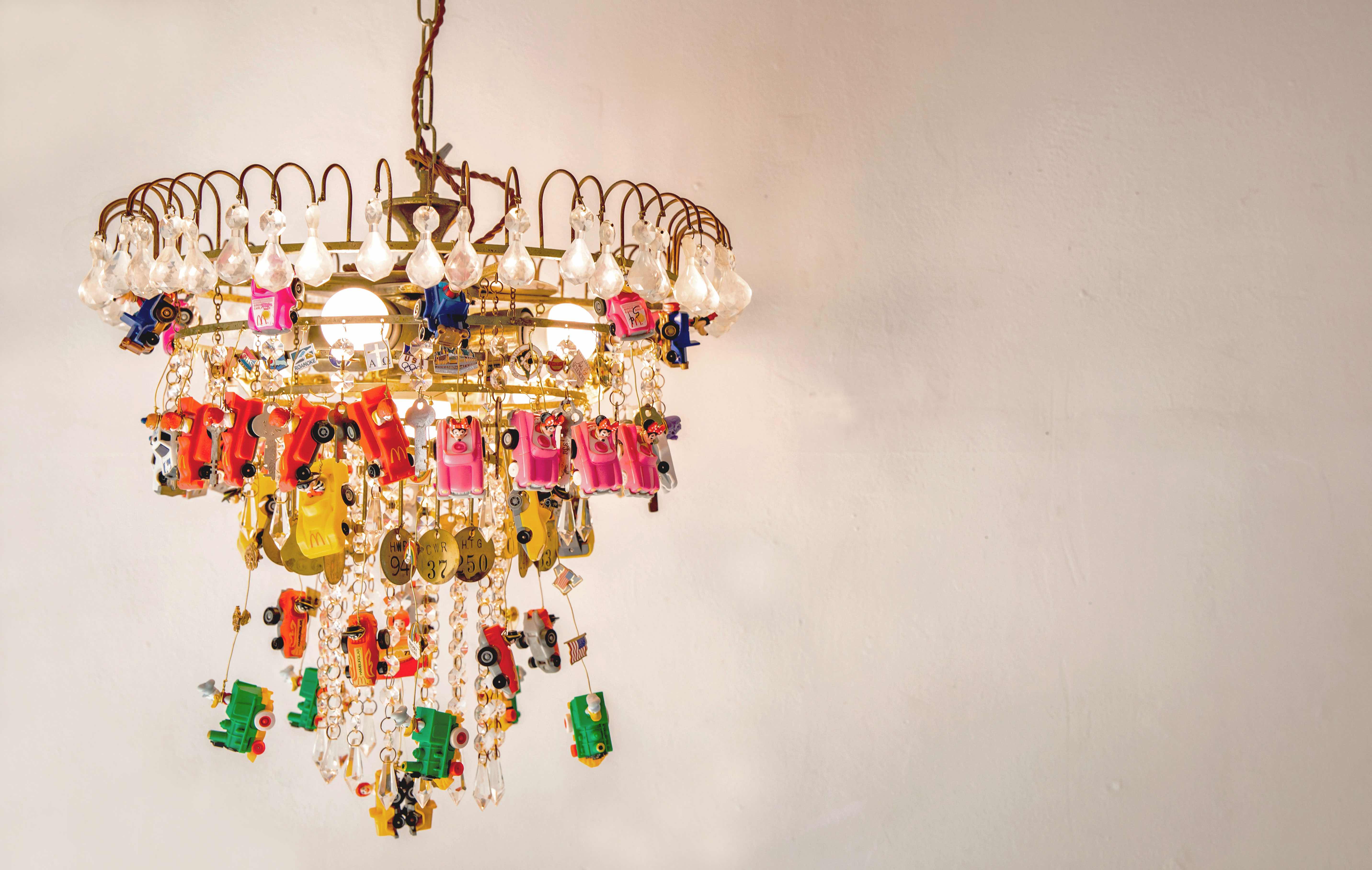 Mac's Chandelier / Collected Objects, Variable size, 2018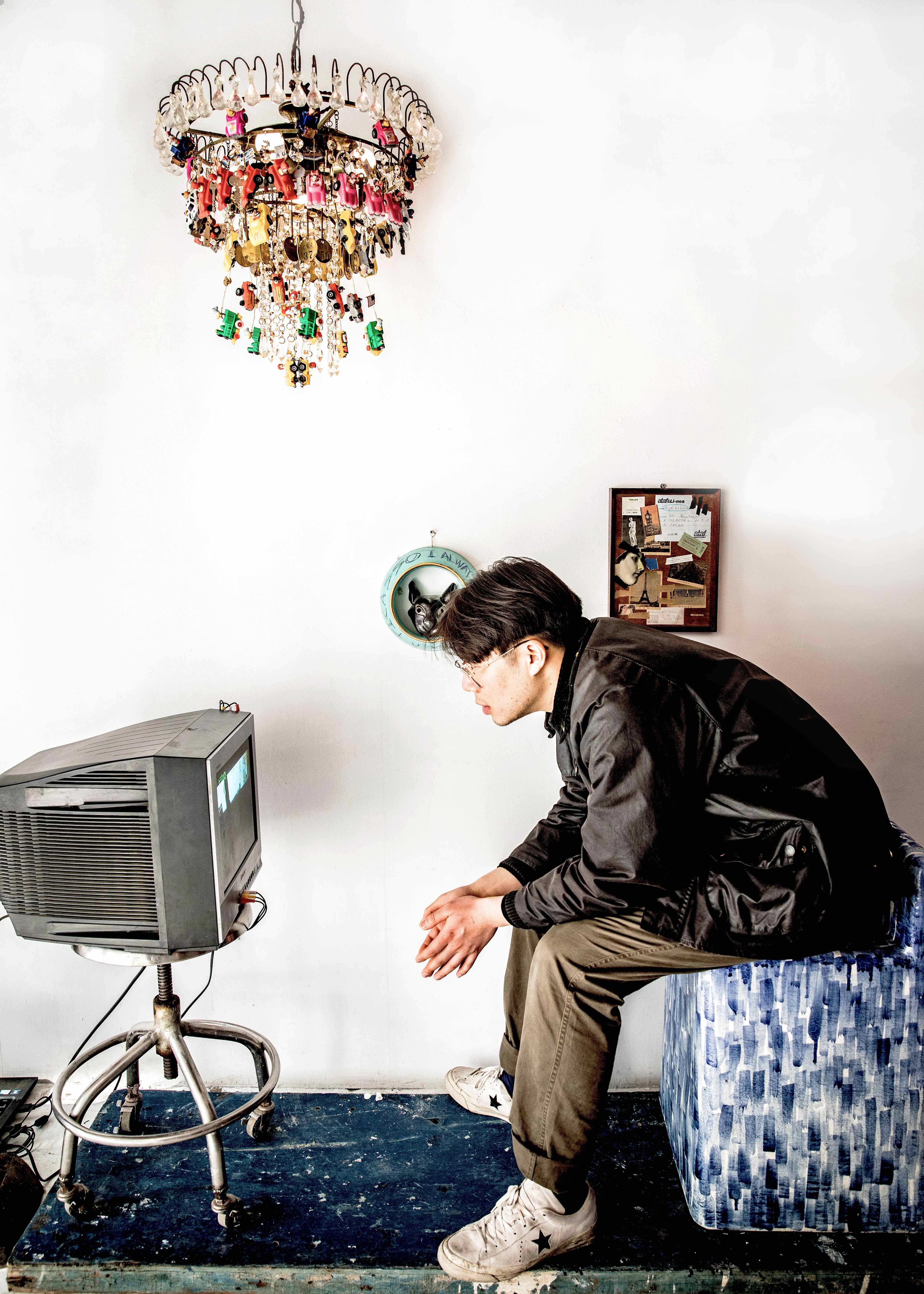
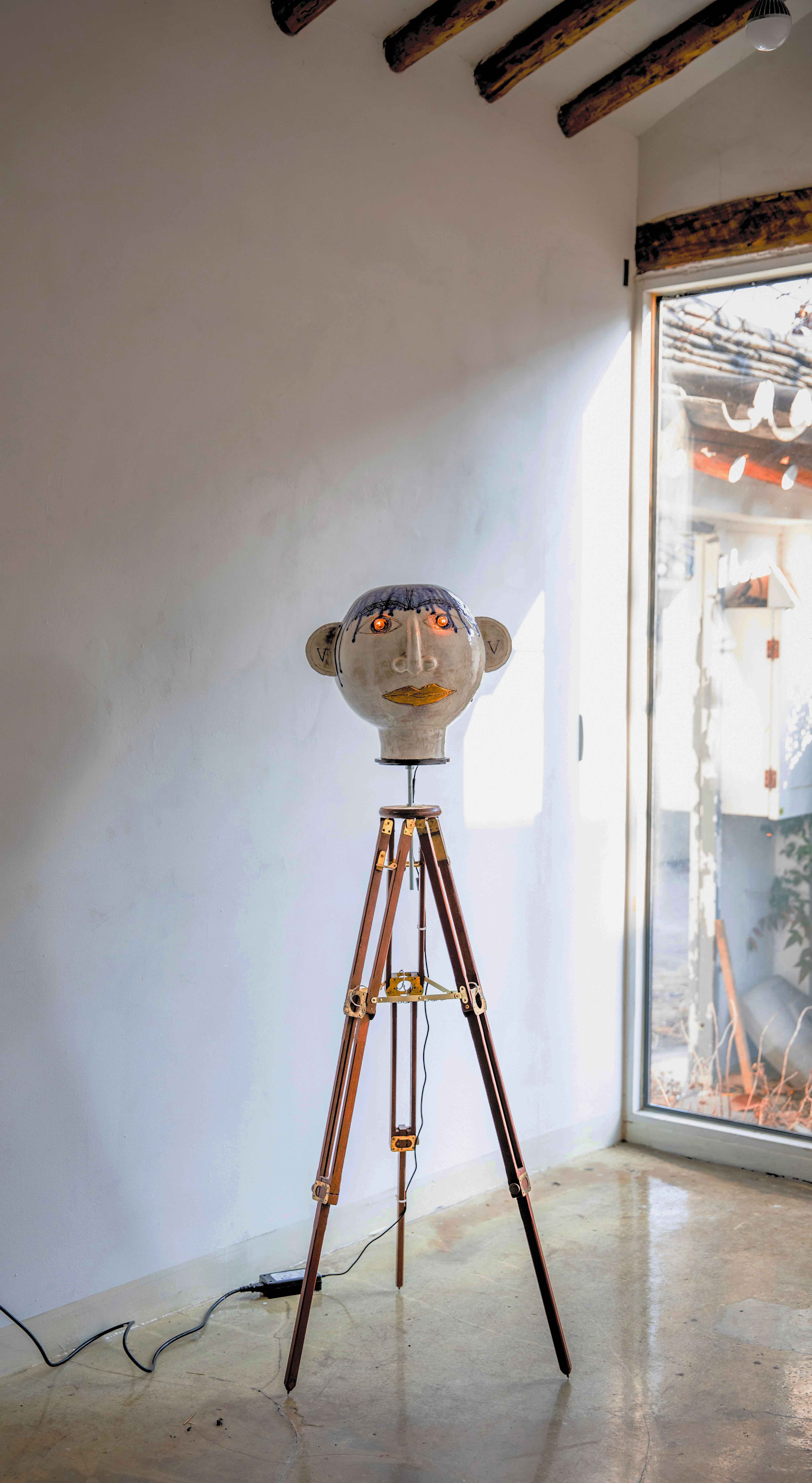 Blue Head / Collected Objects, Ceramics, Variable size, 2018
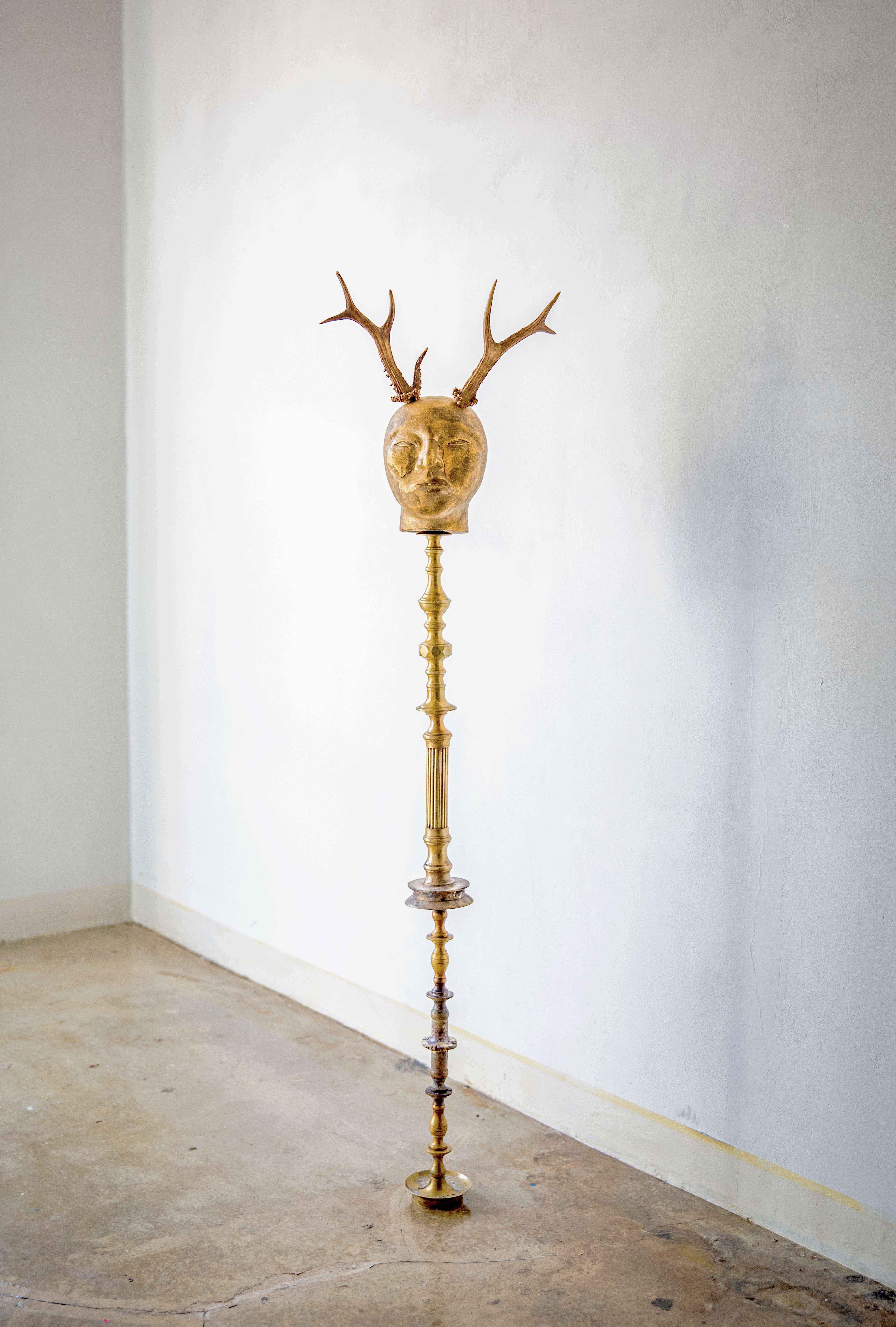 Self-portrait / Collected Objects, Ceramics, Variable size, 2018
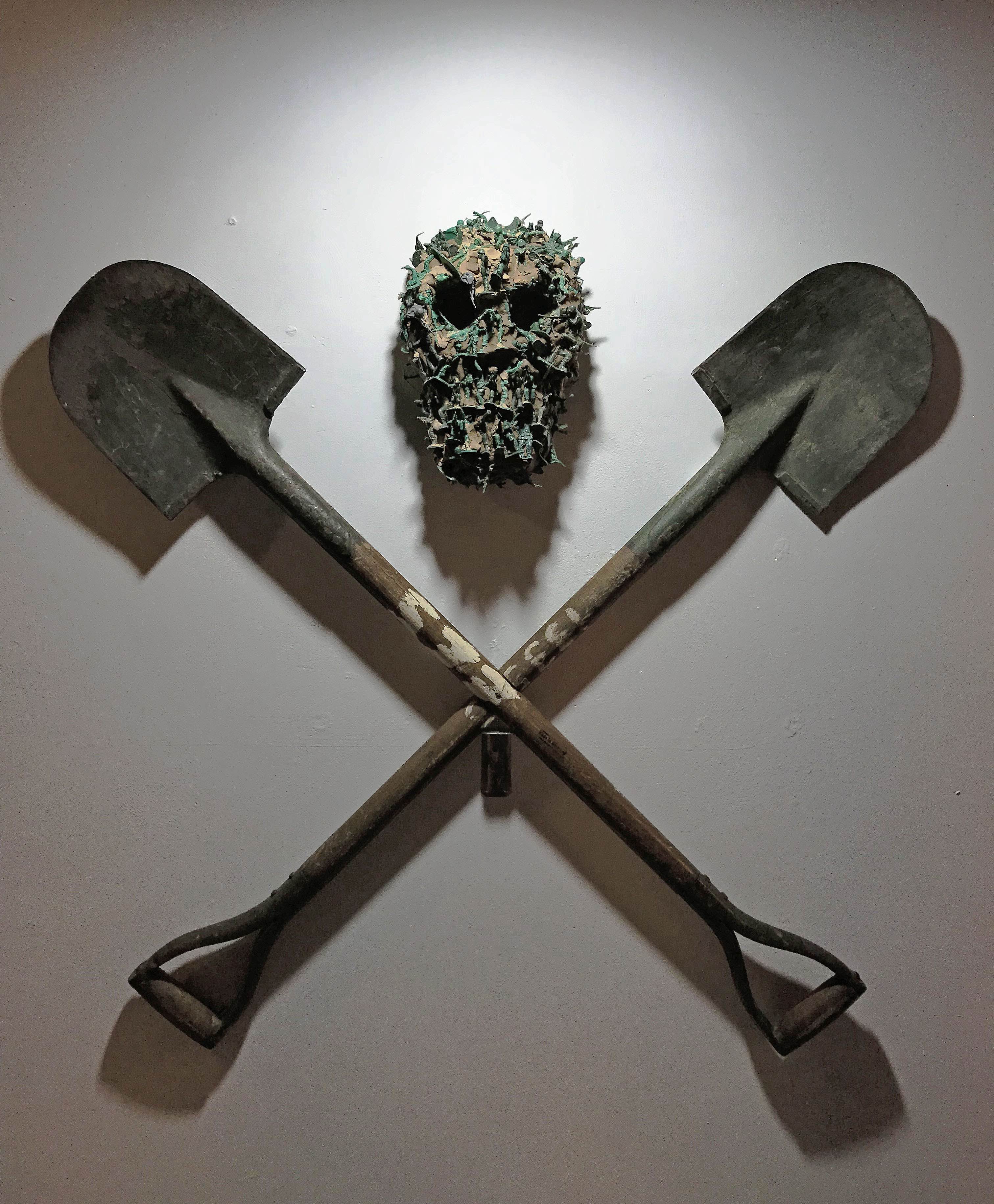 X-Skull / Collected Objects, Clay, Variable size, 2018
-Exhibition Dates : May 14 ~ May 27, 2026
-Exhibition Space : Spaceimsi (48, Sinpo-ro 23beon-gil, Jemulpo-gu, Incheon)
-A participating Artist : Kang Jiwoong, Eum Kixung, Critical hit
-Exhibition Curator : Eum Kixung
-Exhibition Text : Lee Seulbi (Mihakkwan Director)
-Design : Kang Jiwoong
-Photograph : Choi Chullim
-Hosted and supervised : Eum Kixung
-Sponsor : Jung-gu Office, Incheon Metropolitan City, Jepulpo Cultural Foundation (JCP)
*This exhibition is 2026 Incheon Jung-gu Cultural Foundation "Project to Support Art Activities in Jepulpo, Incheon"
[Download PDF] Exhibition Catalog & Text


 Today's Seungwoo / Collected Ceramics, Digital Ceramics Decal, Variable Size, 2026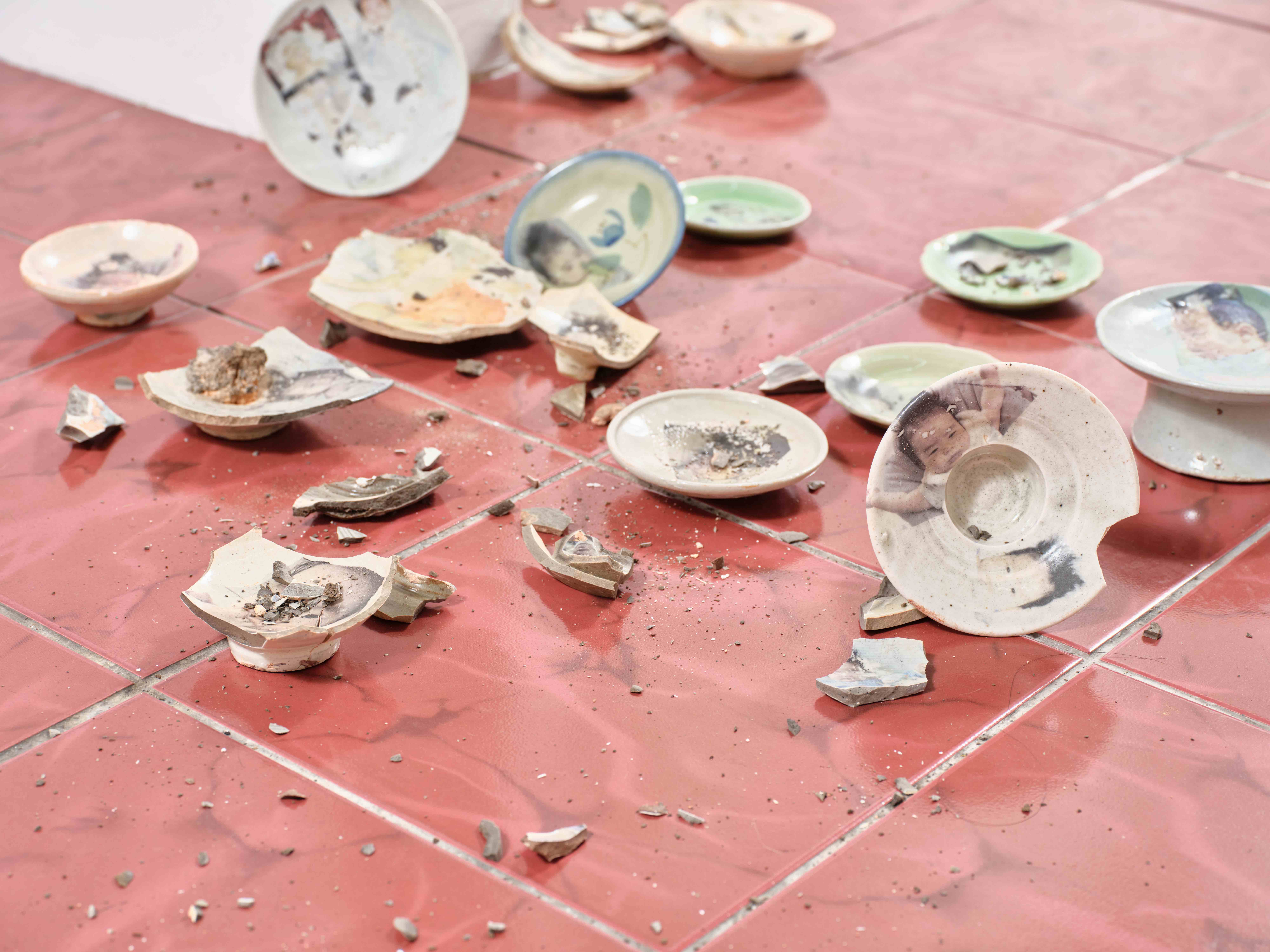
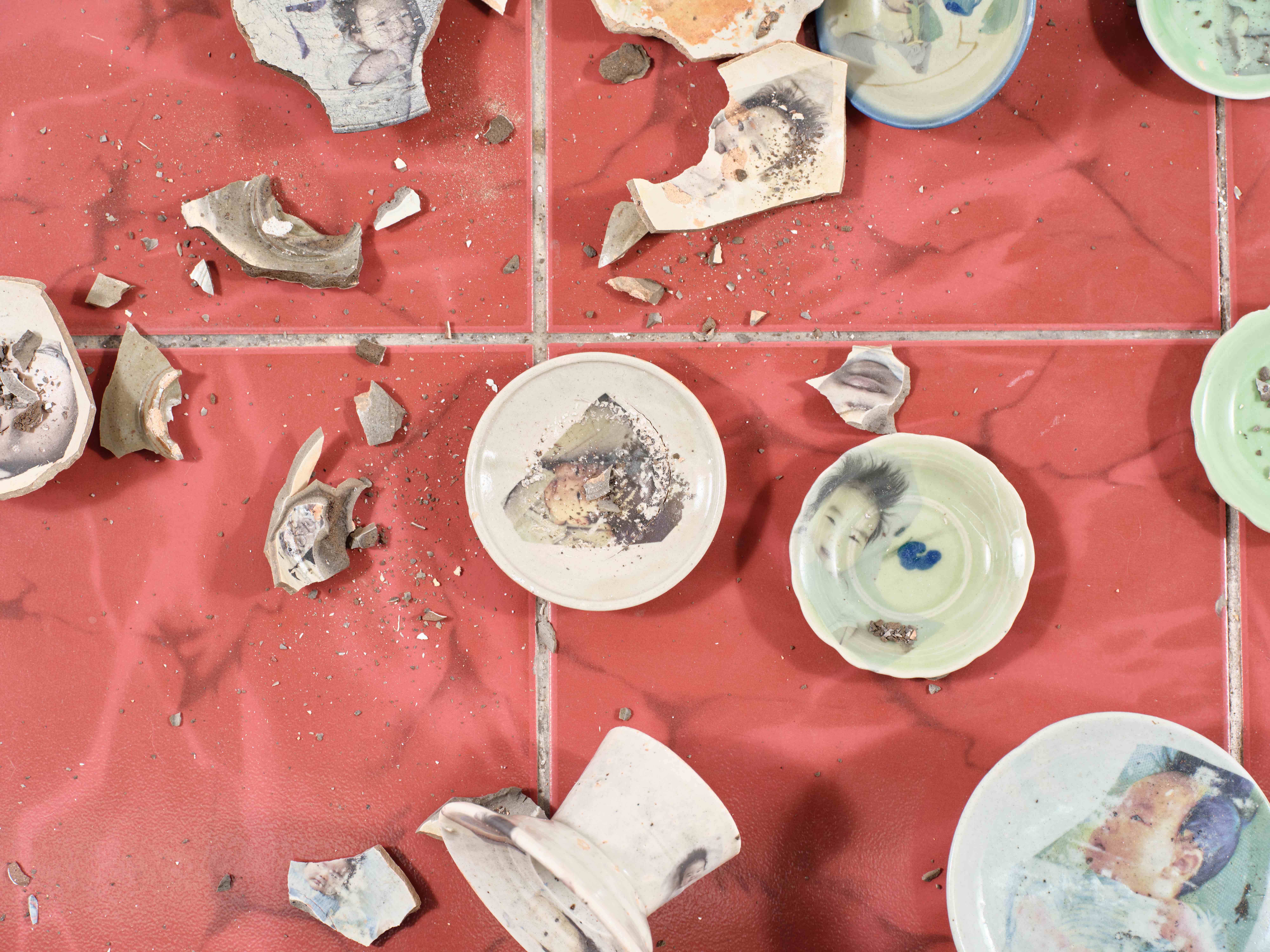
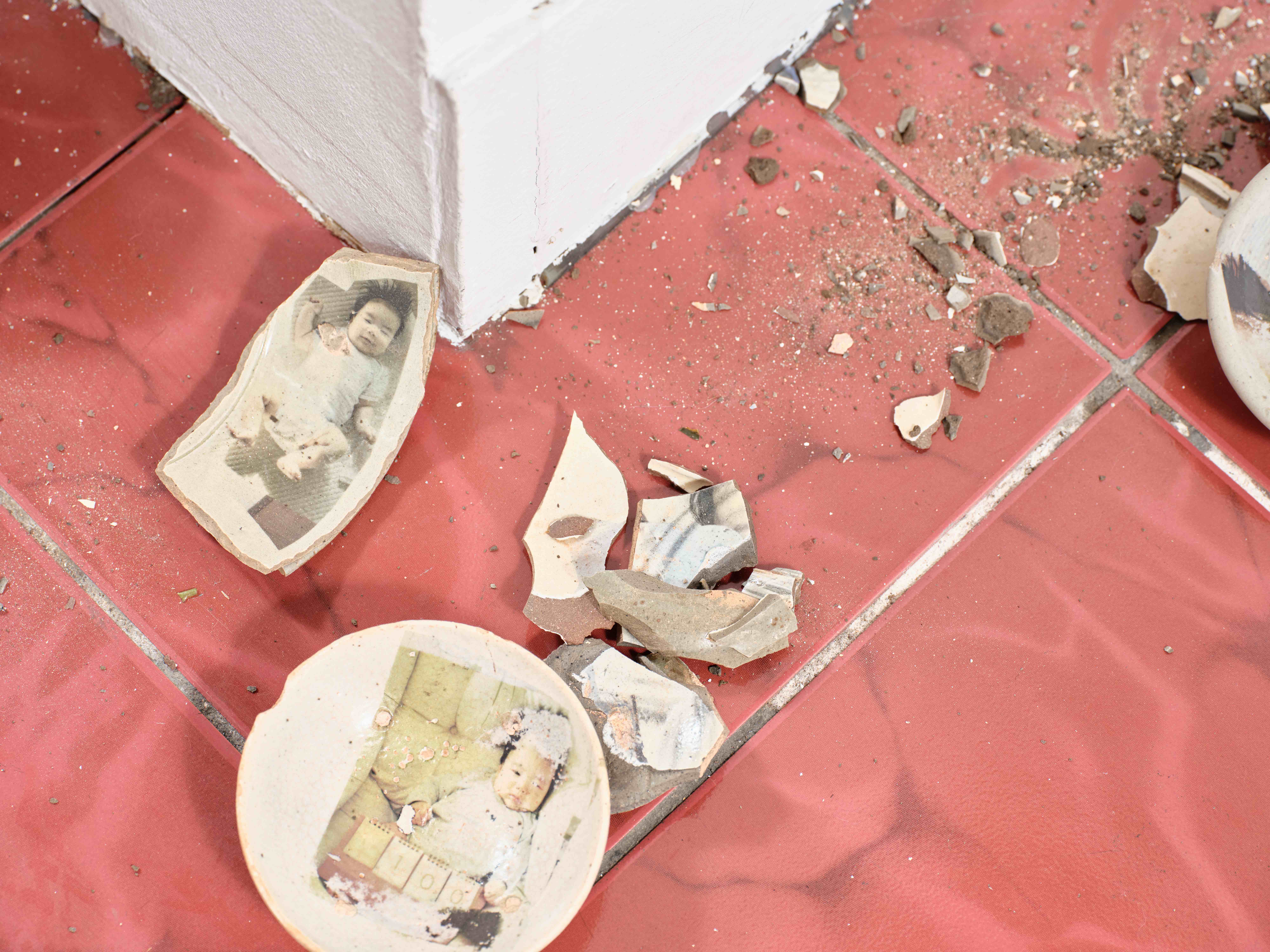
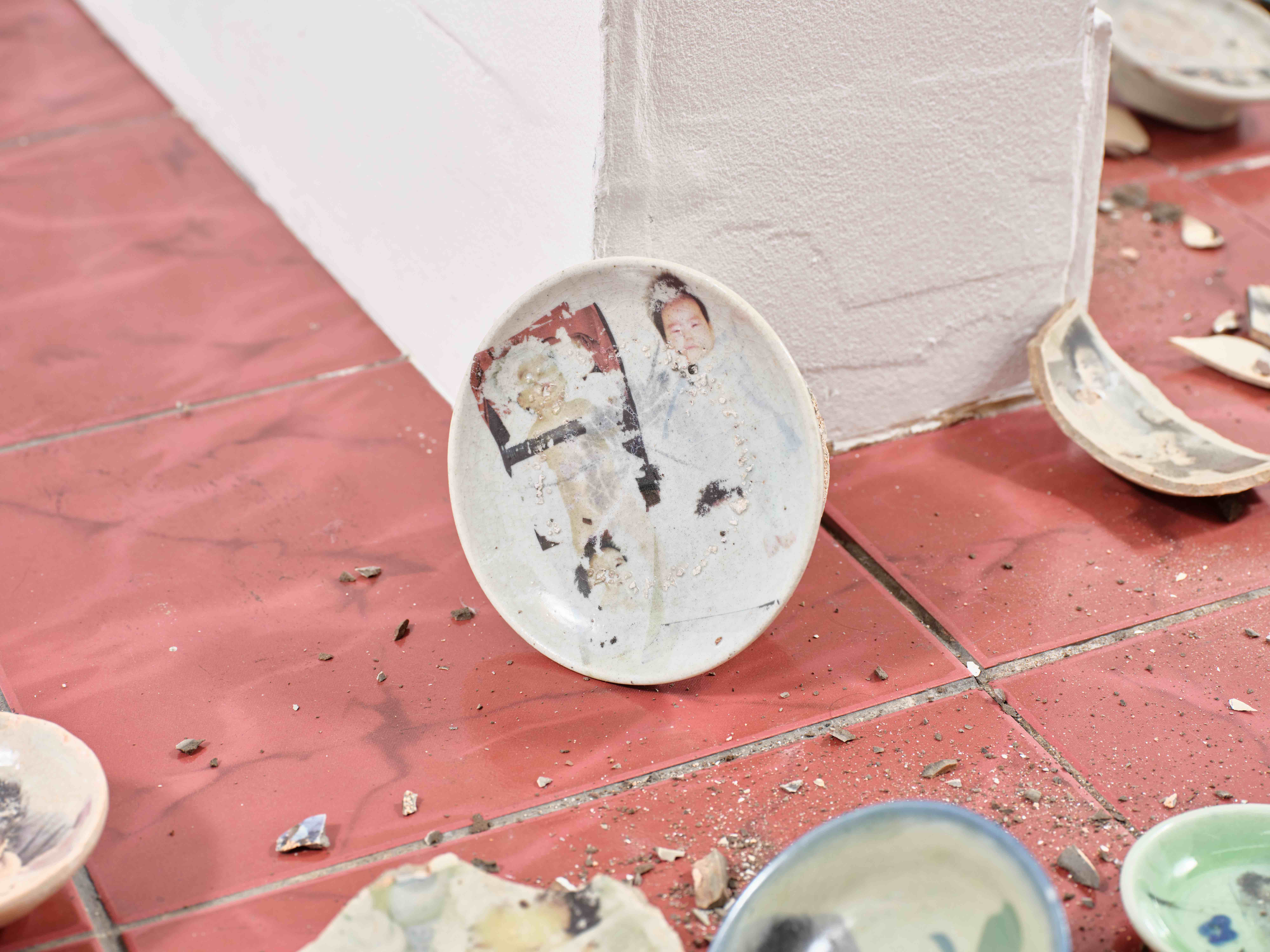
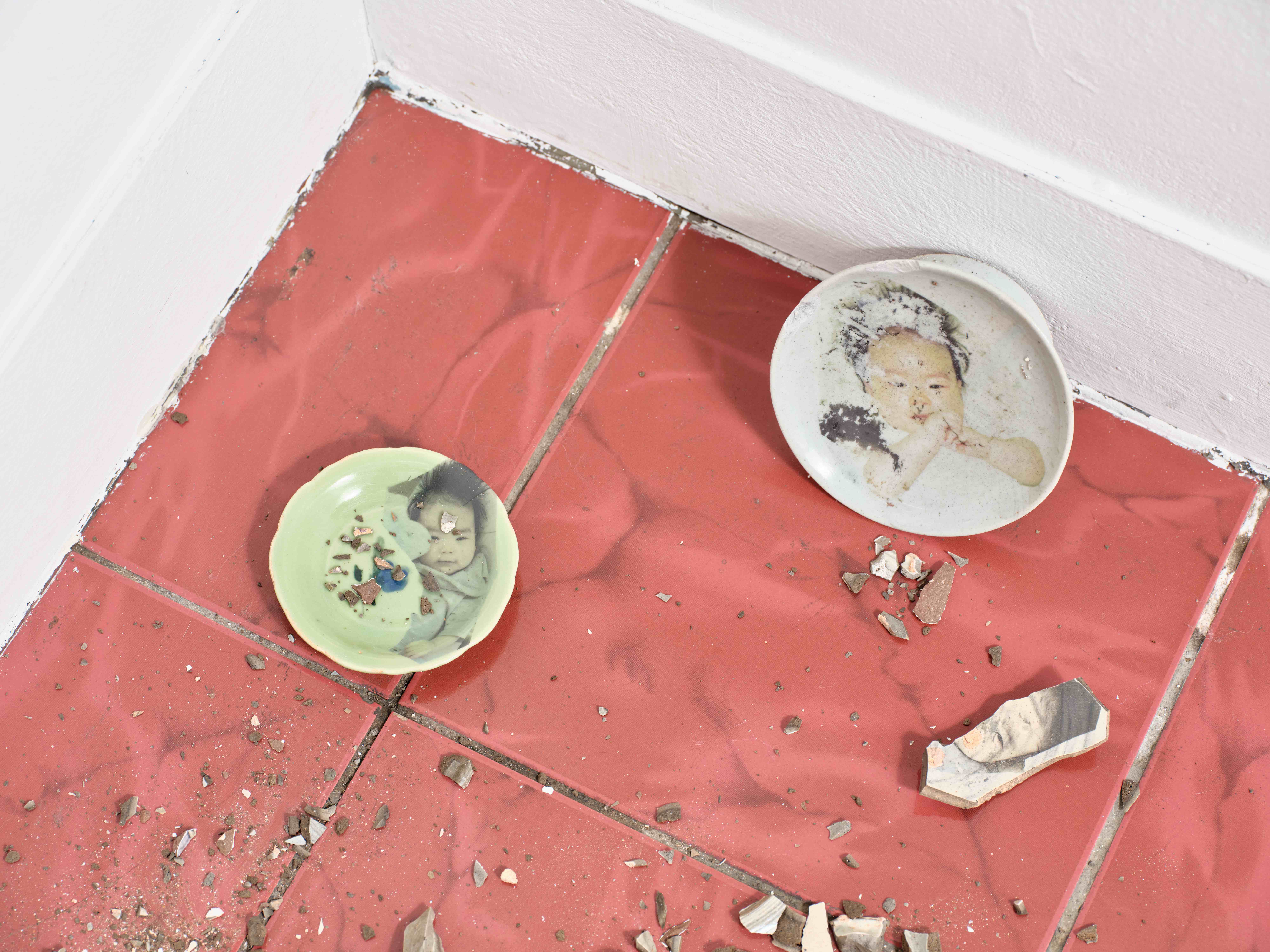
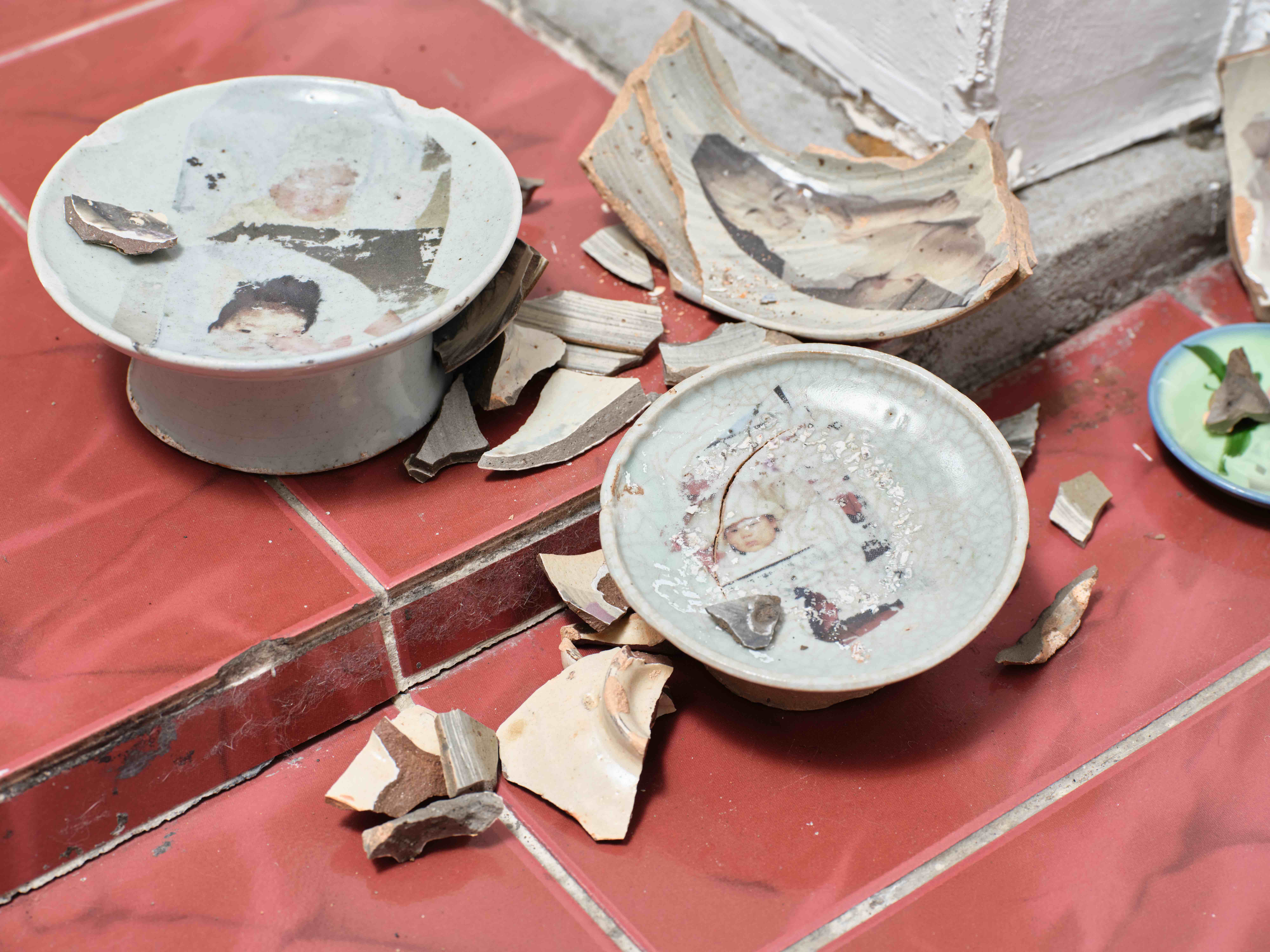
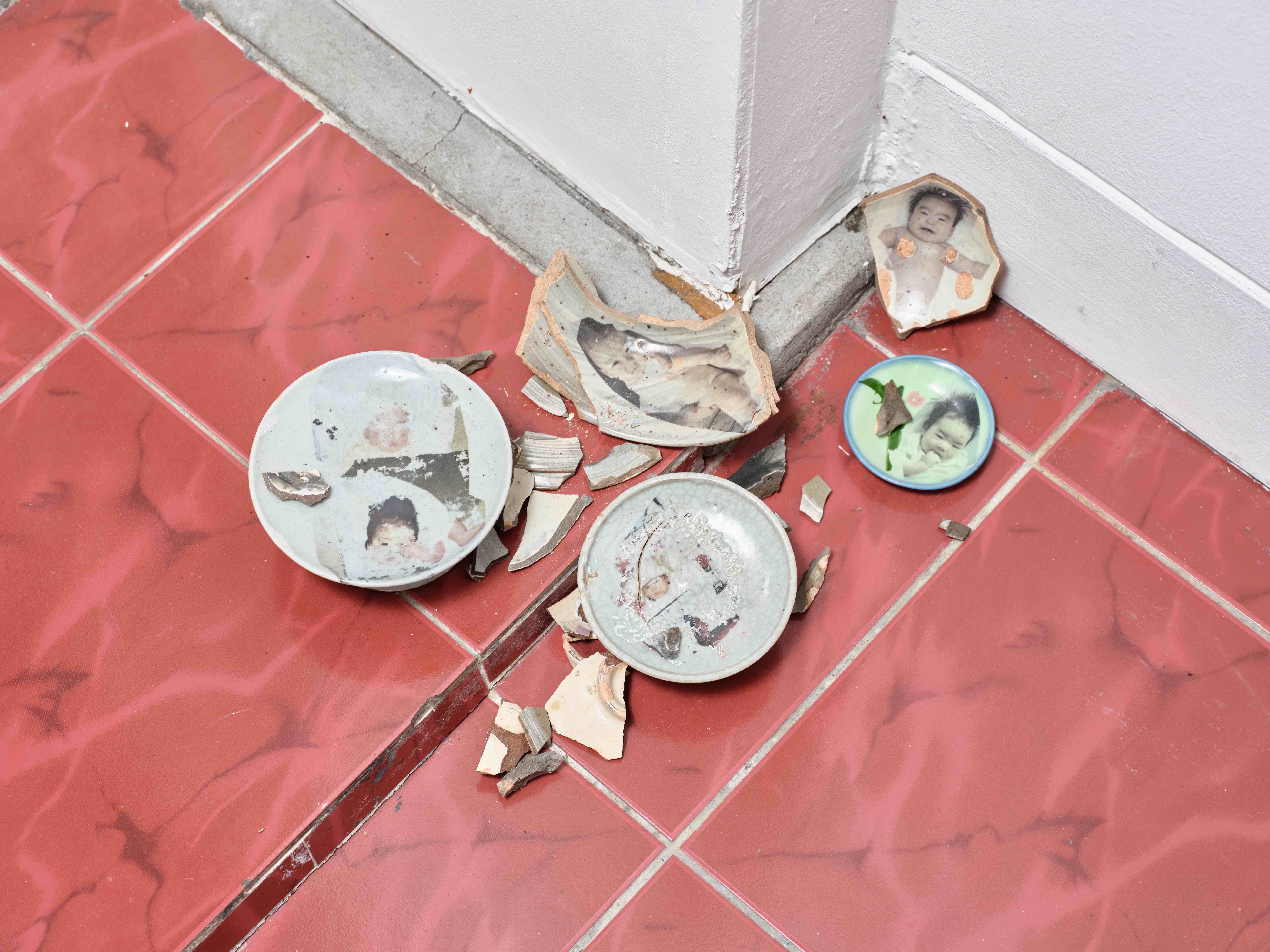
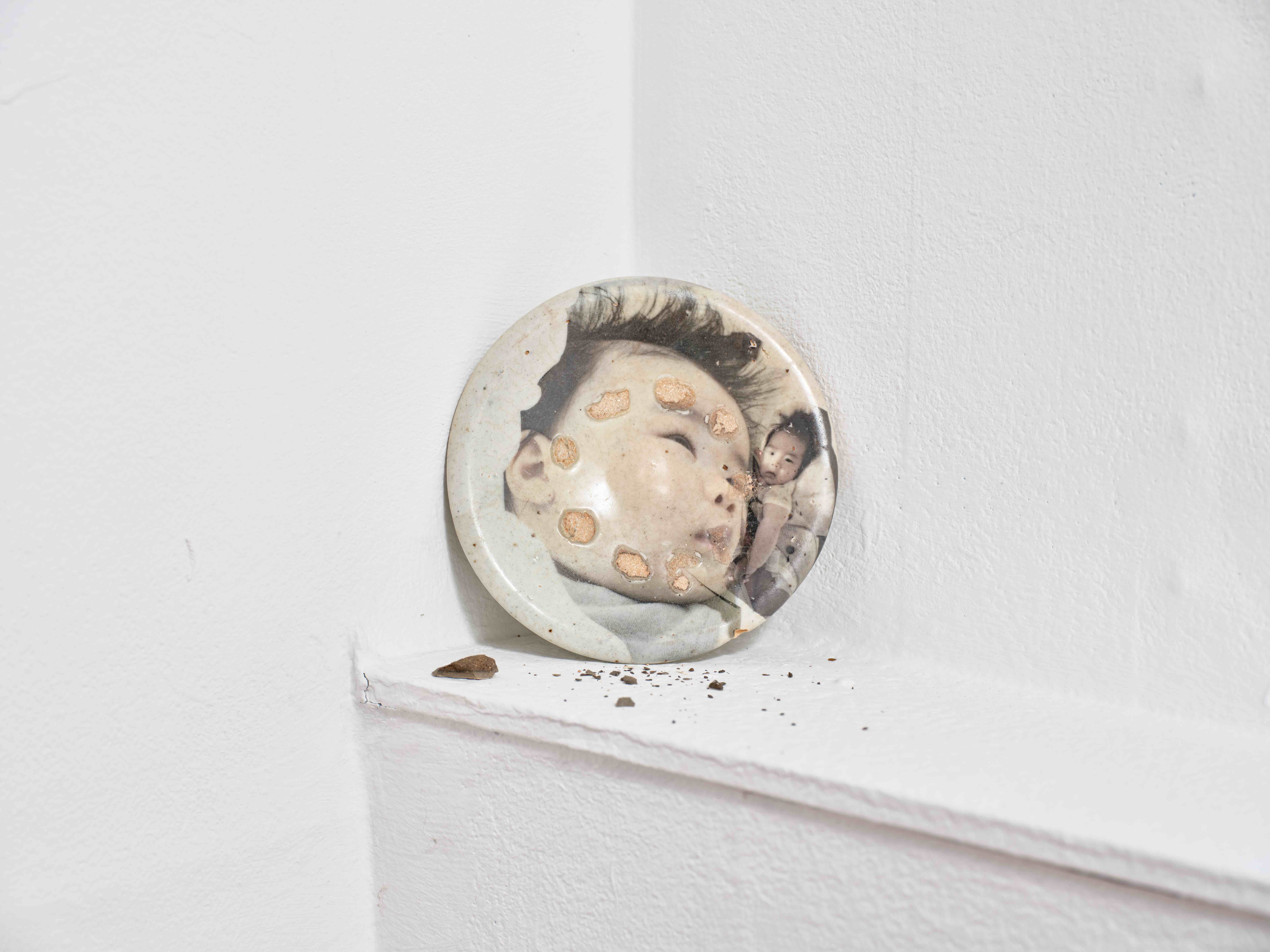
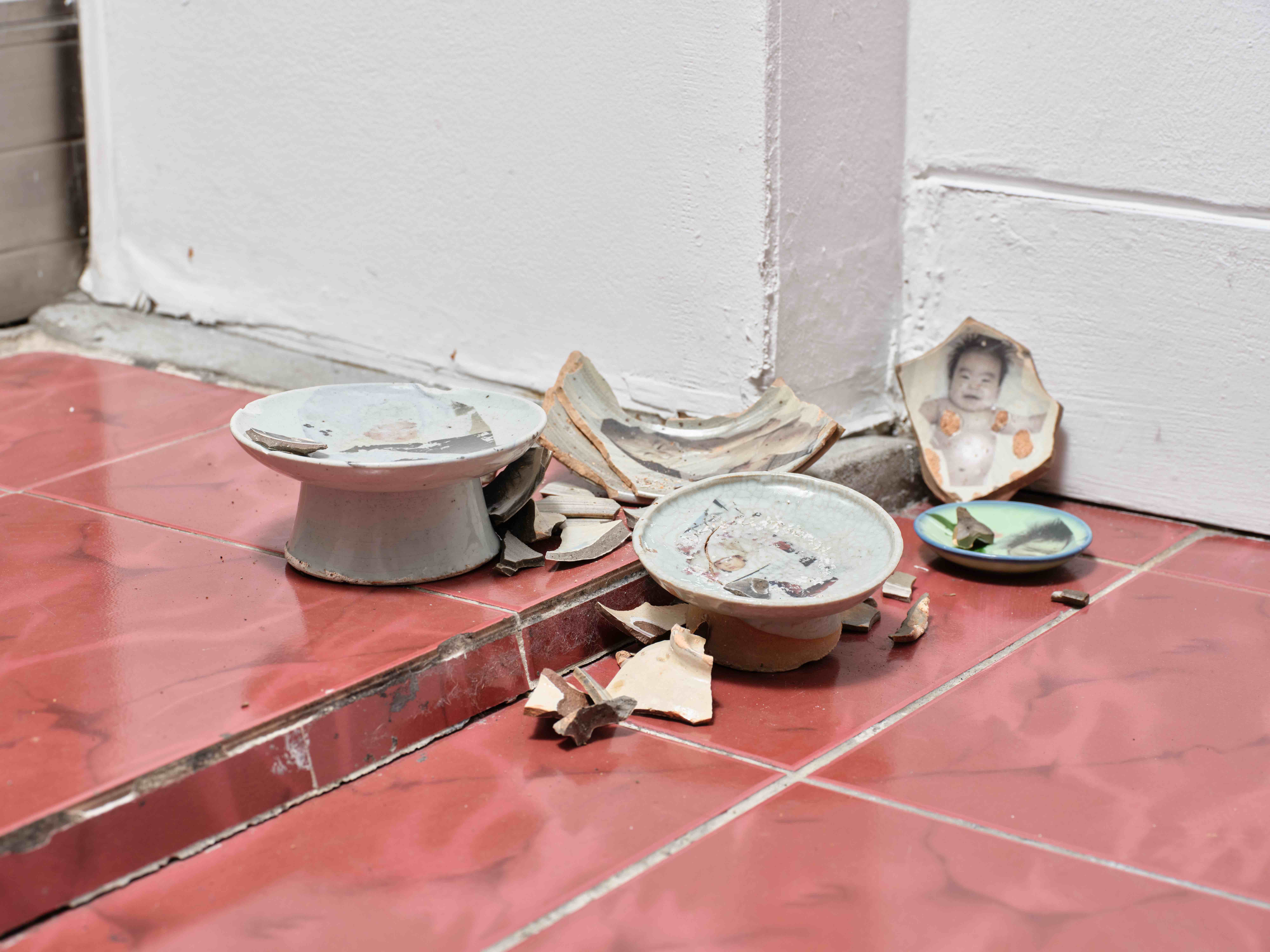
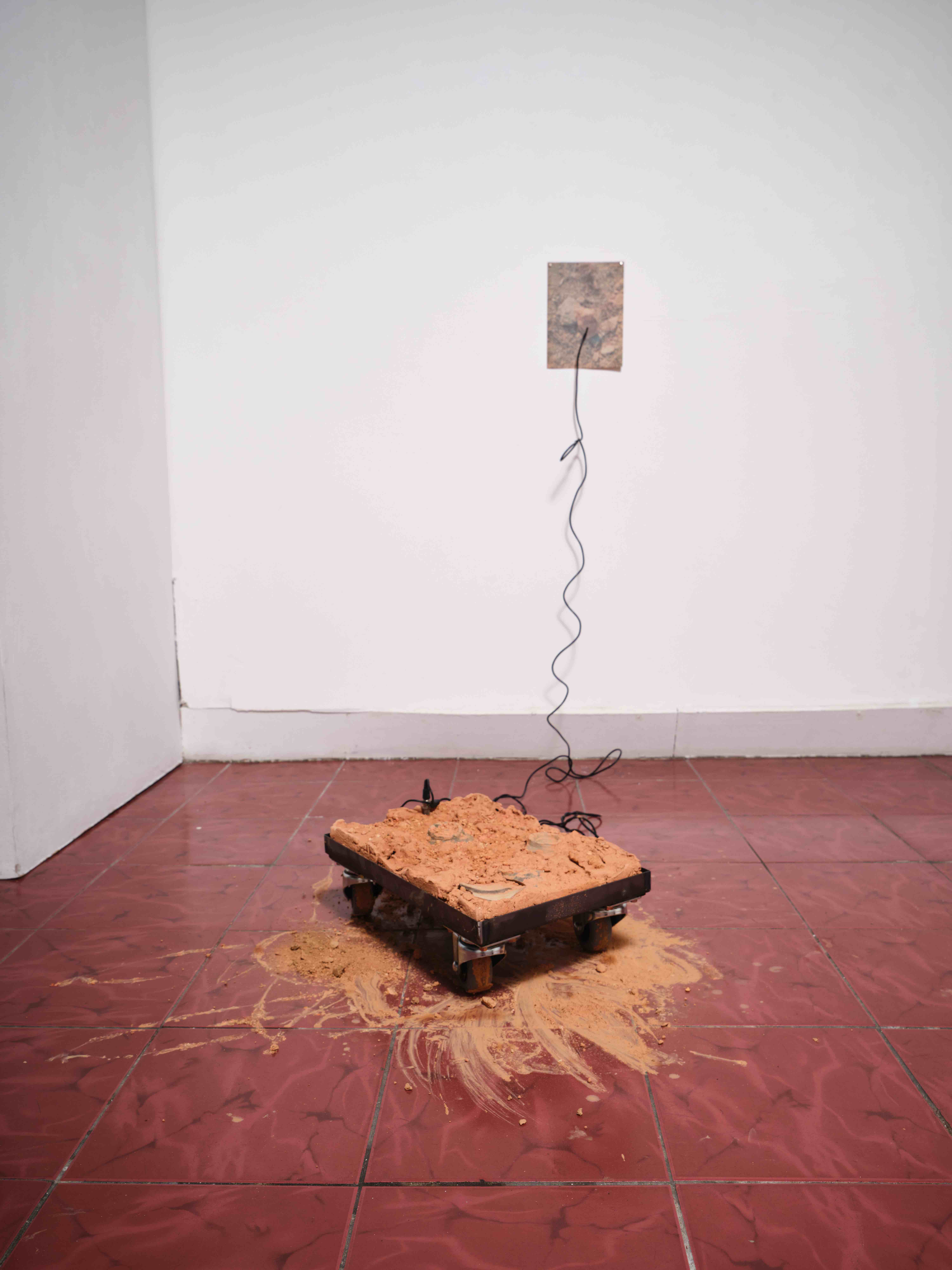 Terra-Cart_Undae-ri, Goheung, Jeollanam-do / Mined clay, Collected ceramic fragments, Iron plate, Wheels, Electric wires, Paper, 44×29×14cm, 2026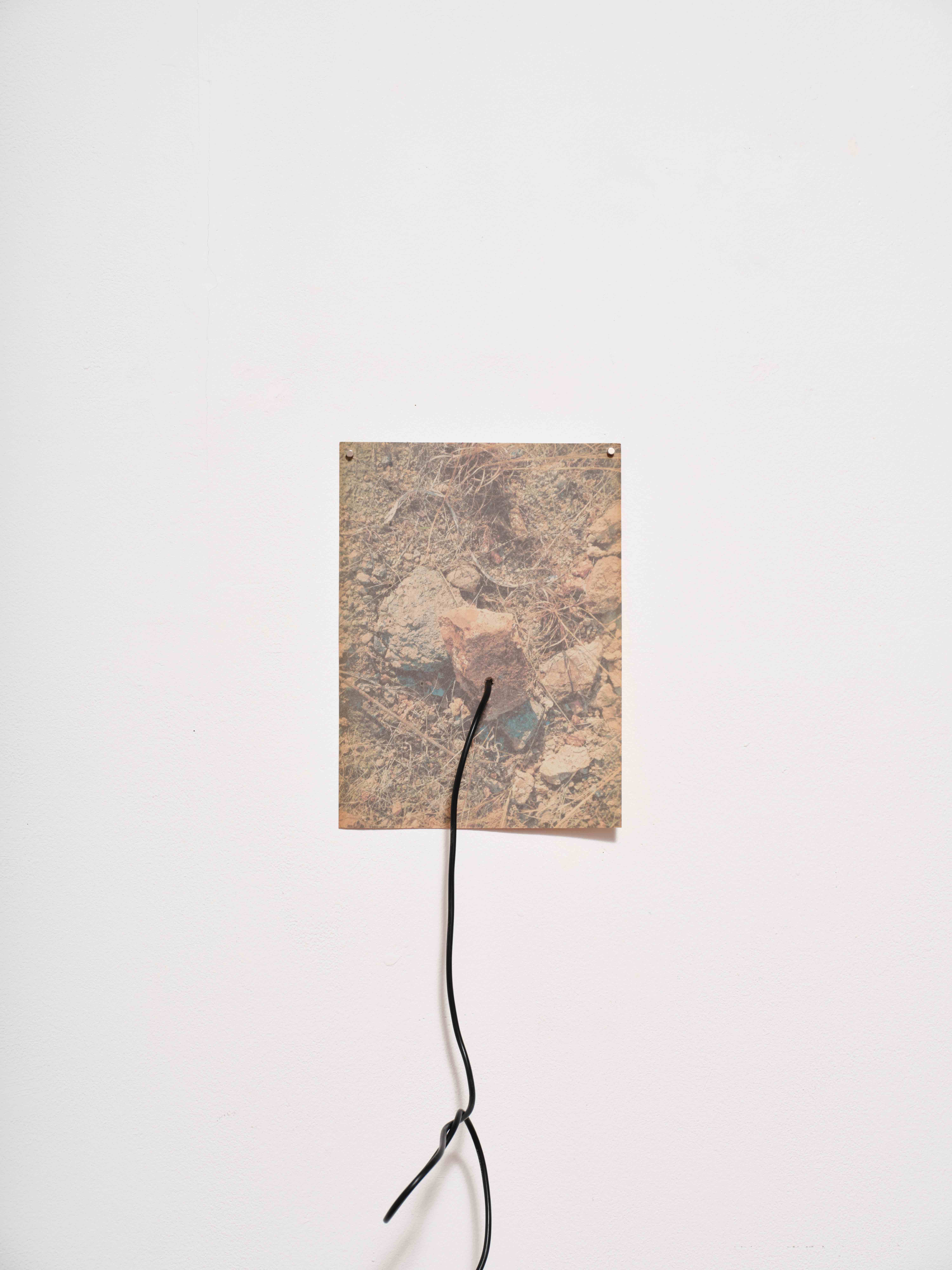
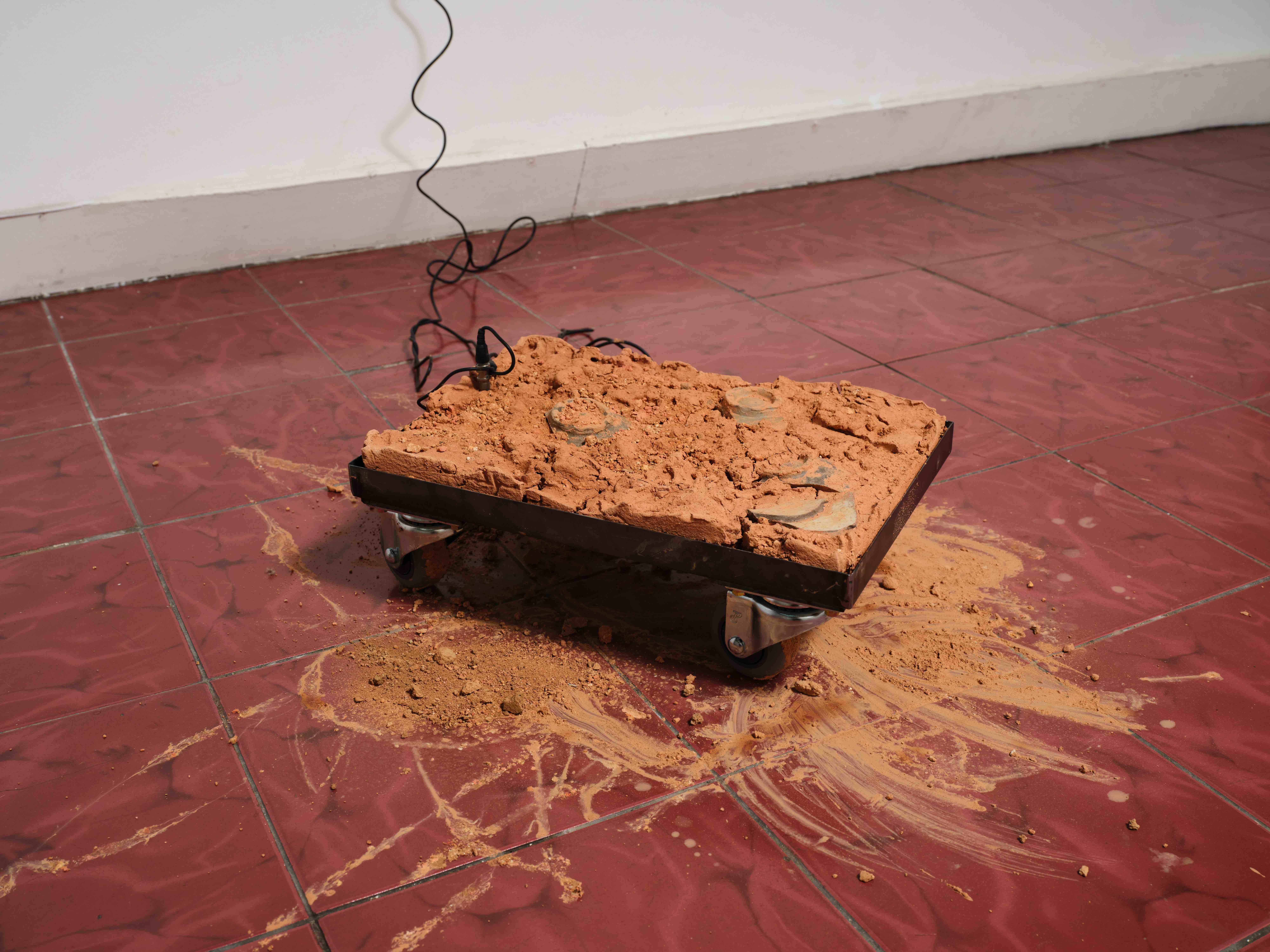
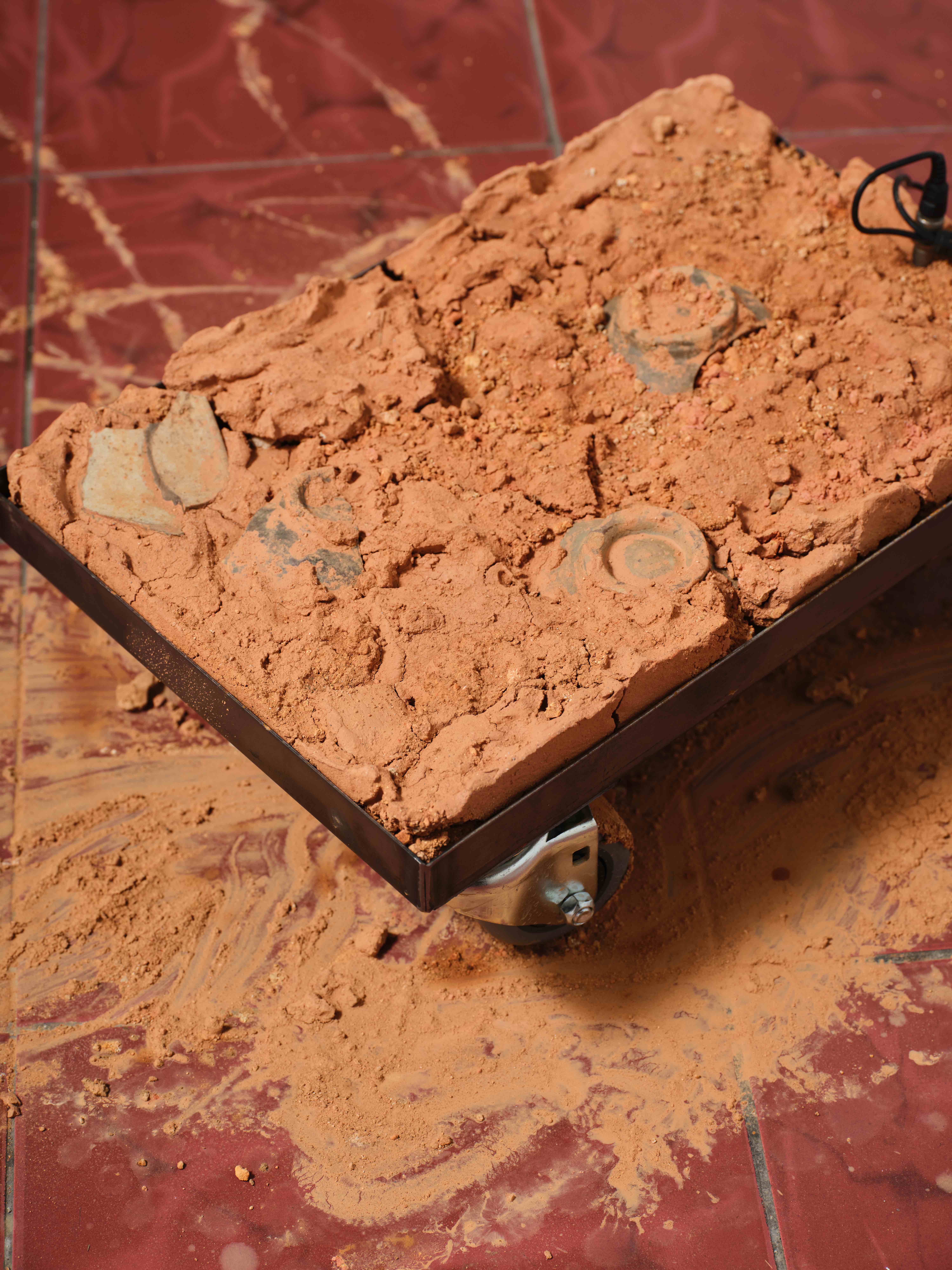
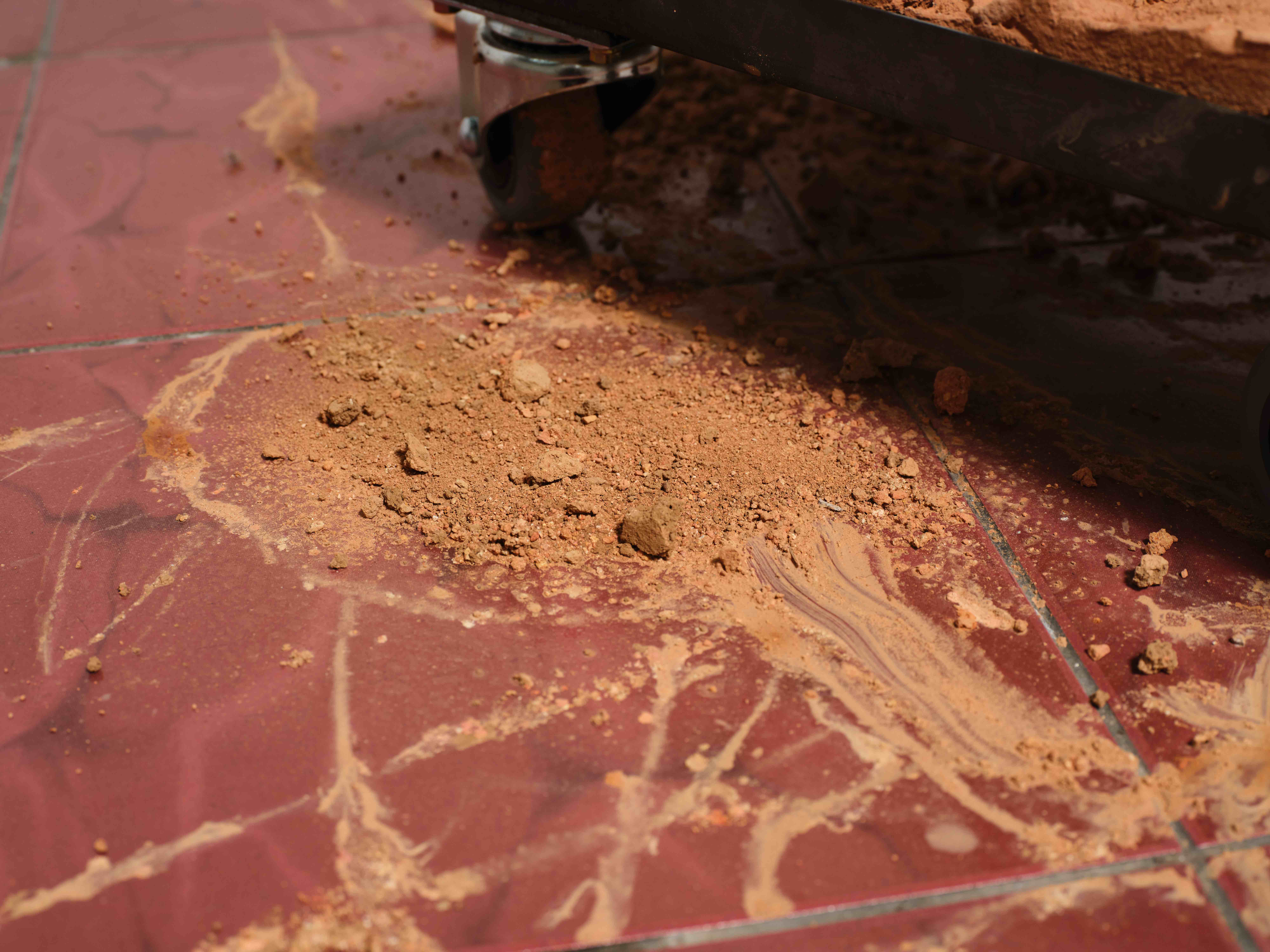
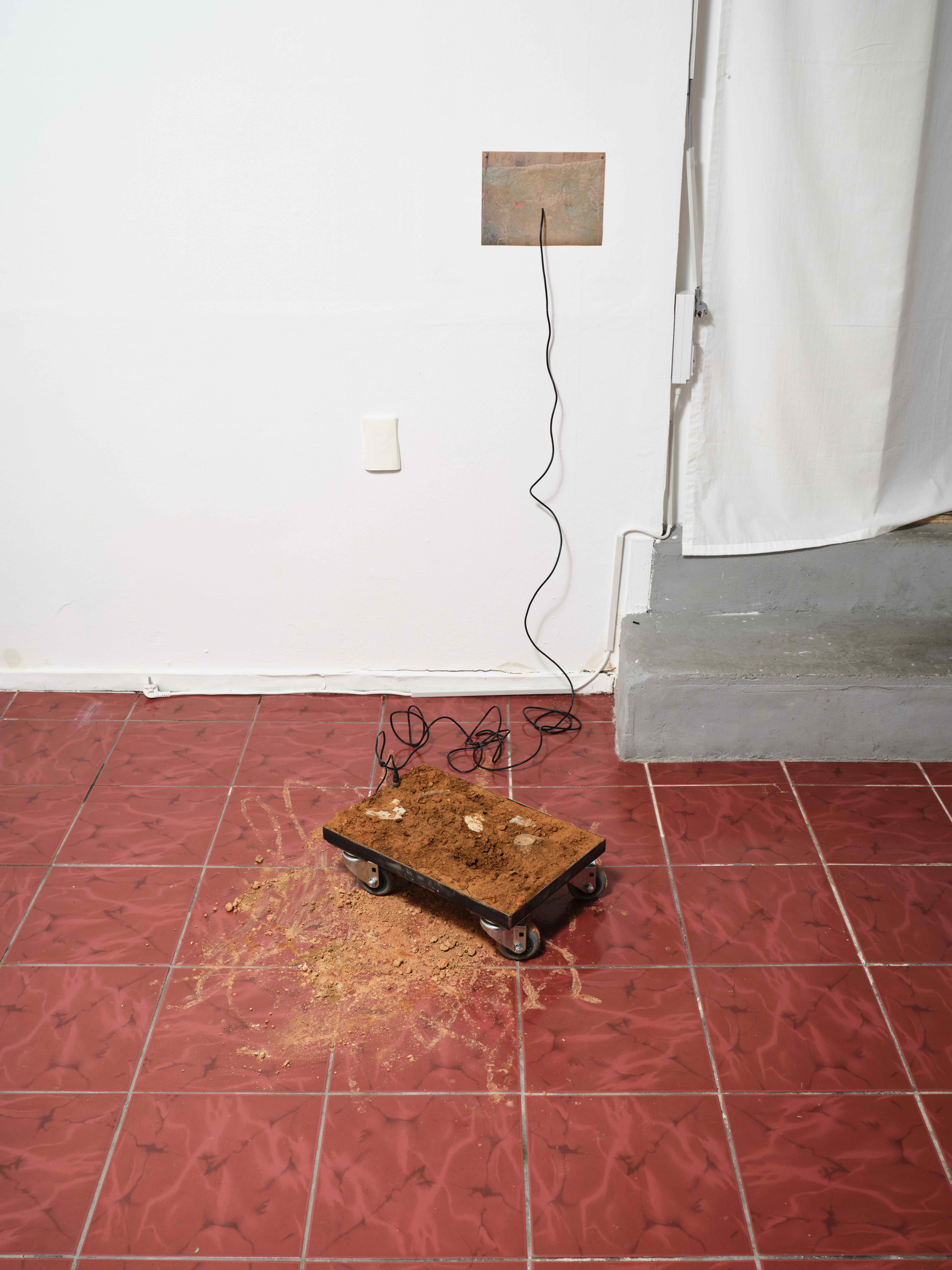 Terra-Cart_Undae-ri, Goheung, Jeollanam-do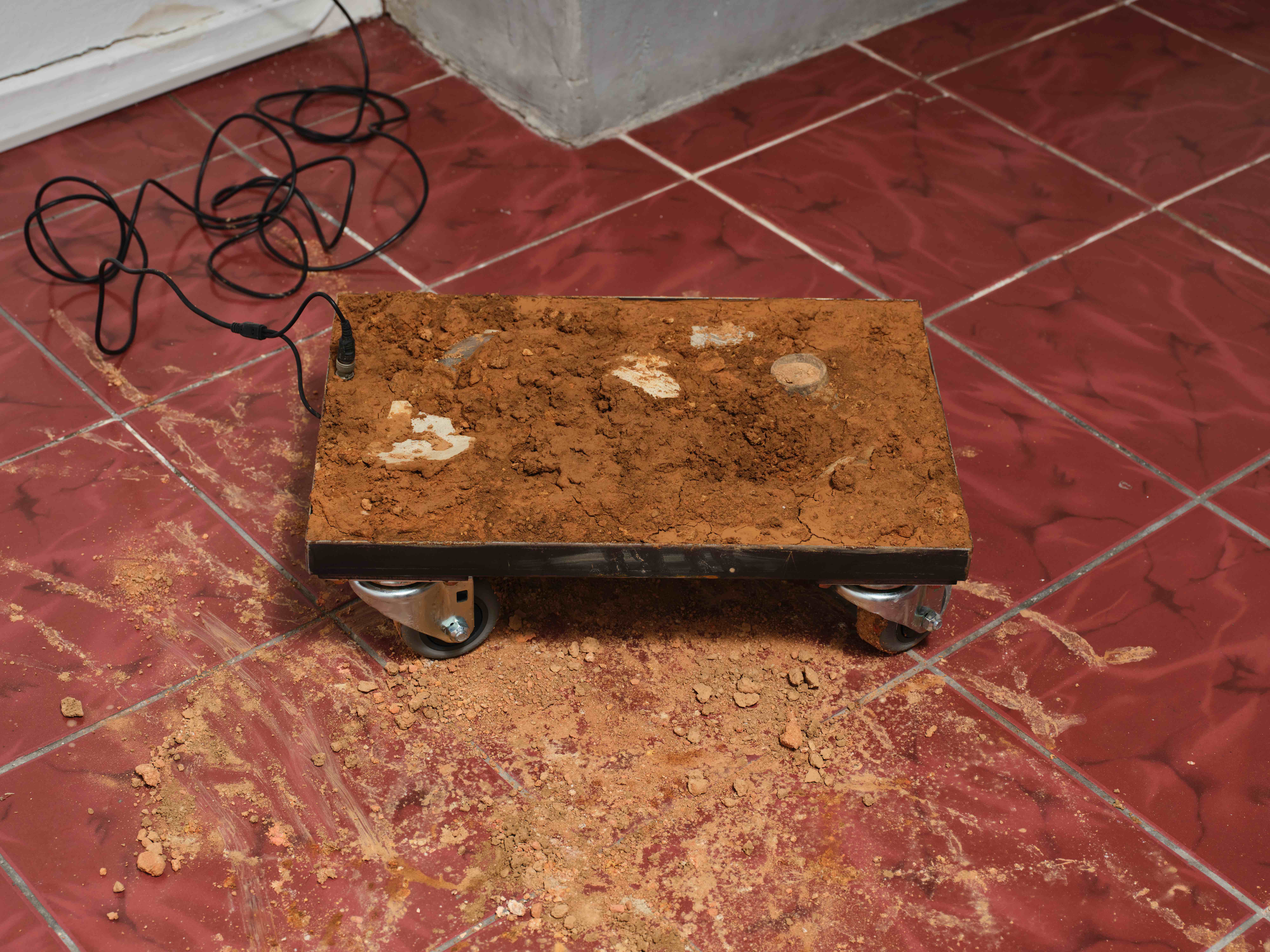
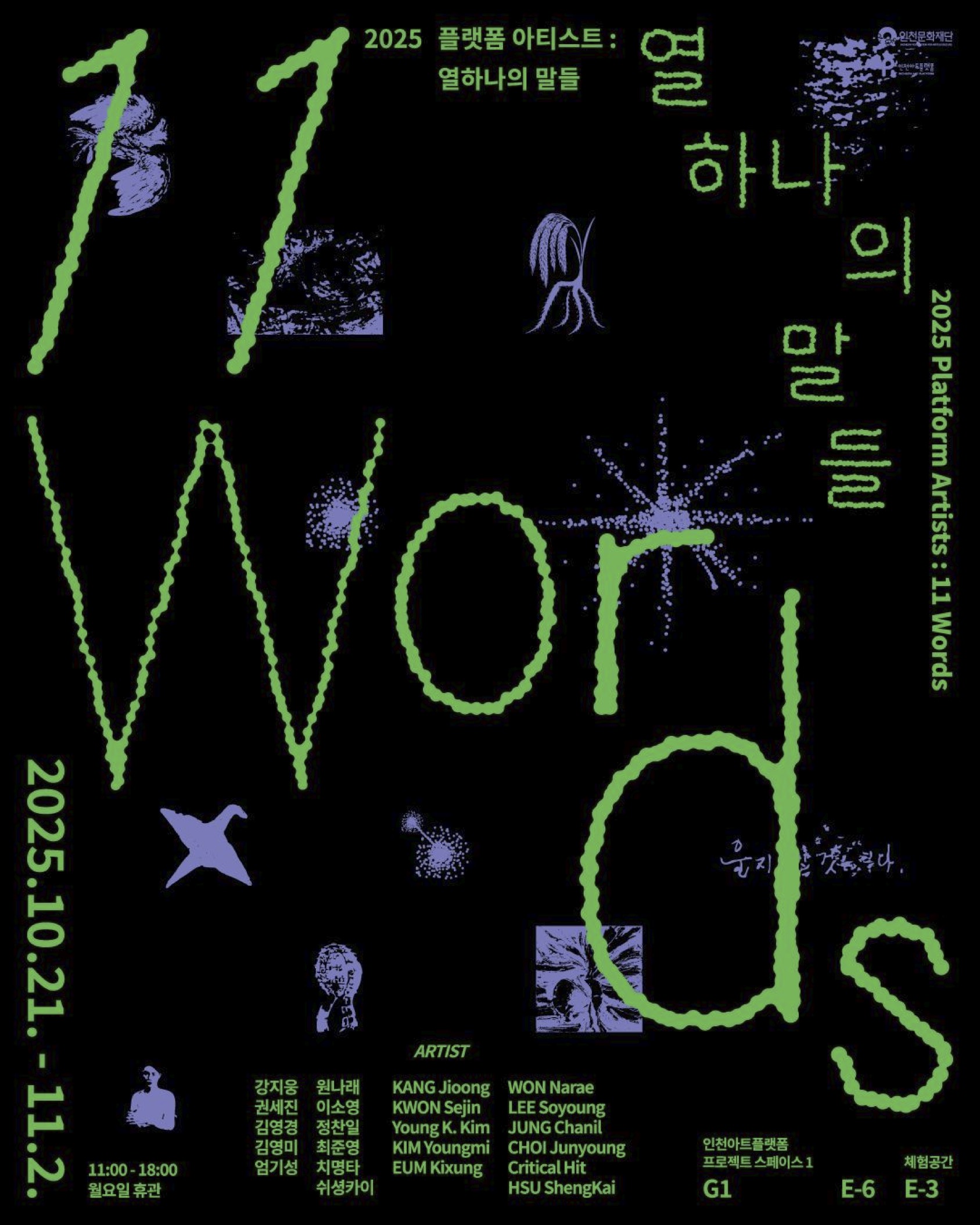
-Exhibition Dates : October 21 ~ November 02, 2025
-Exhibition Space : Incheon Art Platform (3, Jemullyang-ro 218beon-gil, Jemulpo-gu, Incheon)
-A participating Artist : Kang Jiwoong, Kwon Sejin, Young K. Kim, Kim Youngmi, Eum Kixung, Won Narae, Lee Soyoung, Choi Sunyoung, Choi Youngha, Jung Chanil, Hsu ShengKai
-Exhibition Curator : Lee Taehyun
-Design : 6699 Press
-Photograph : Beurre Studio
-Hosted and supervised : Incheon Art Platform
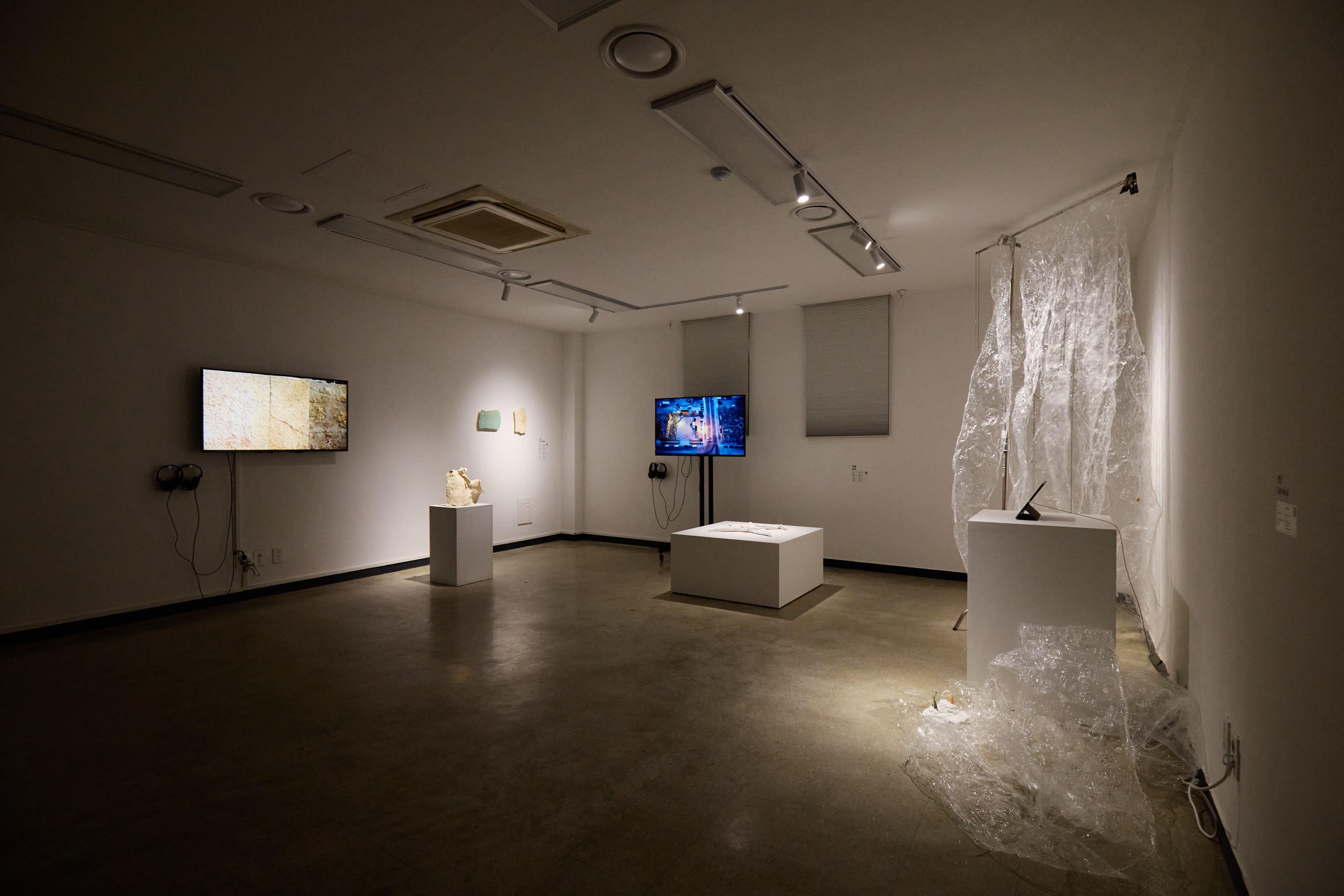
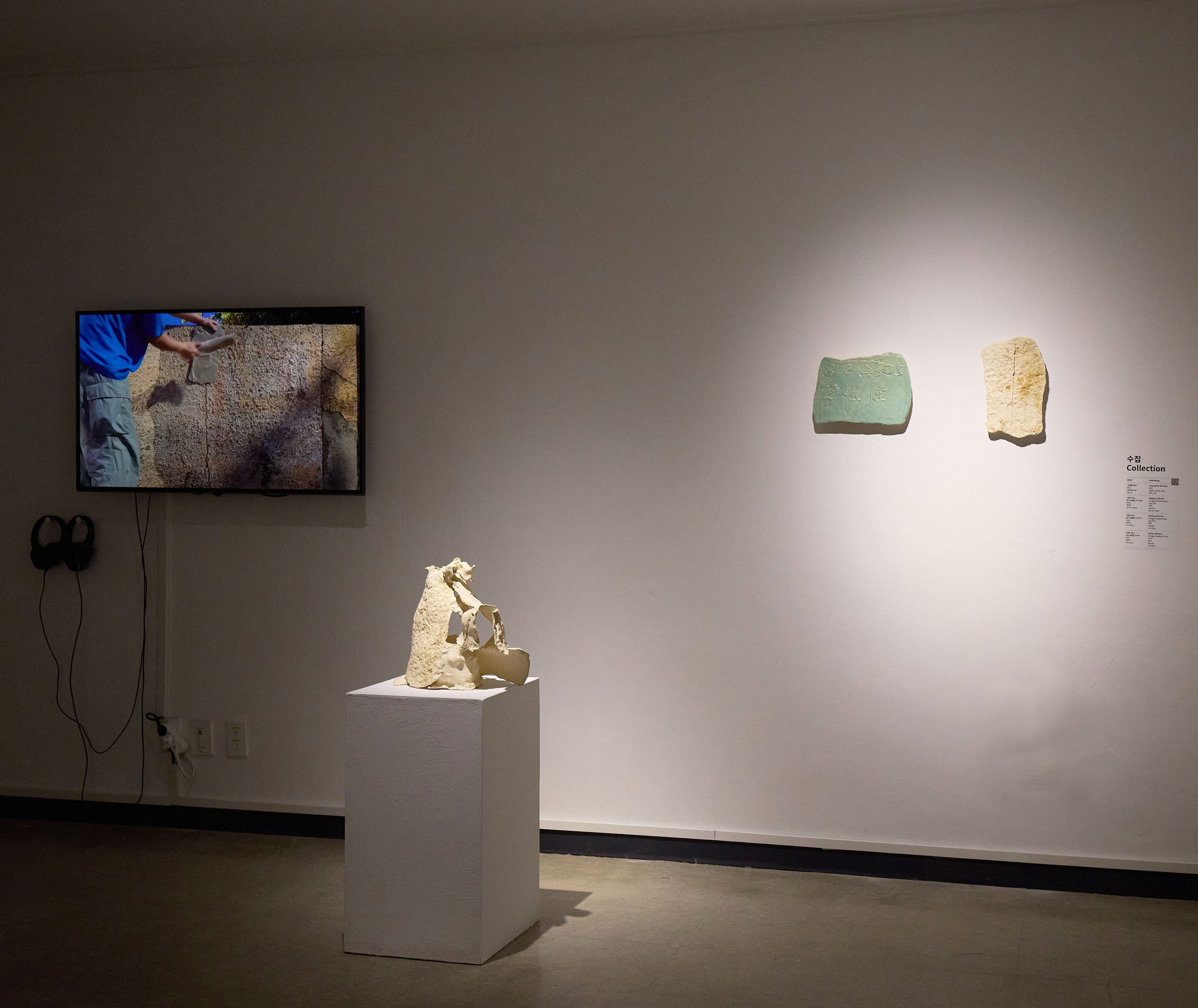
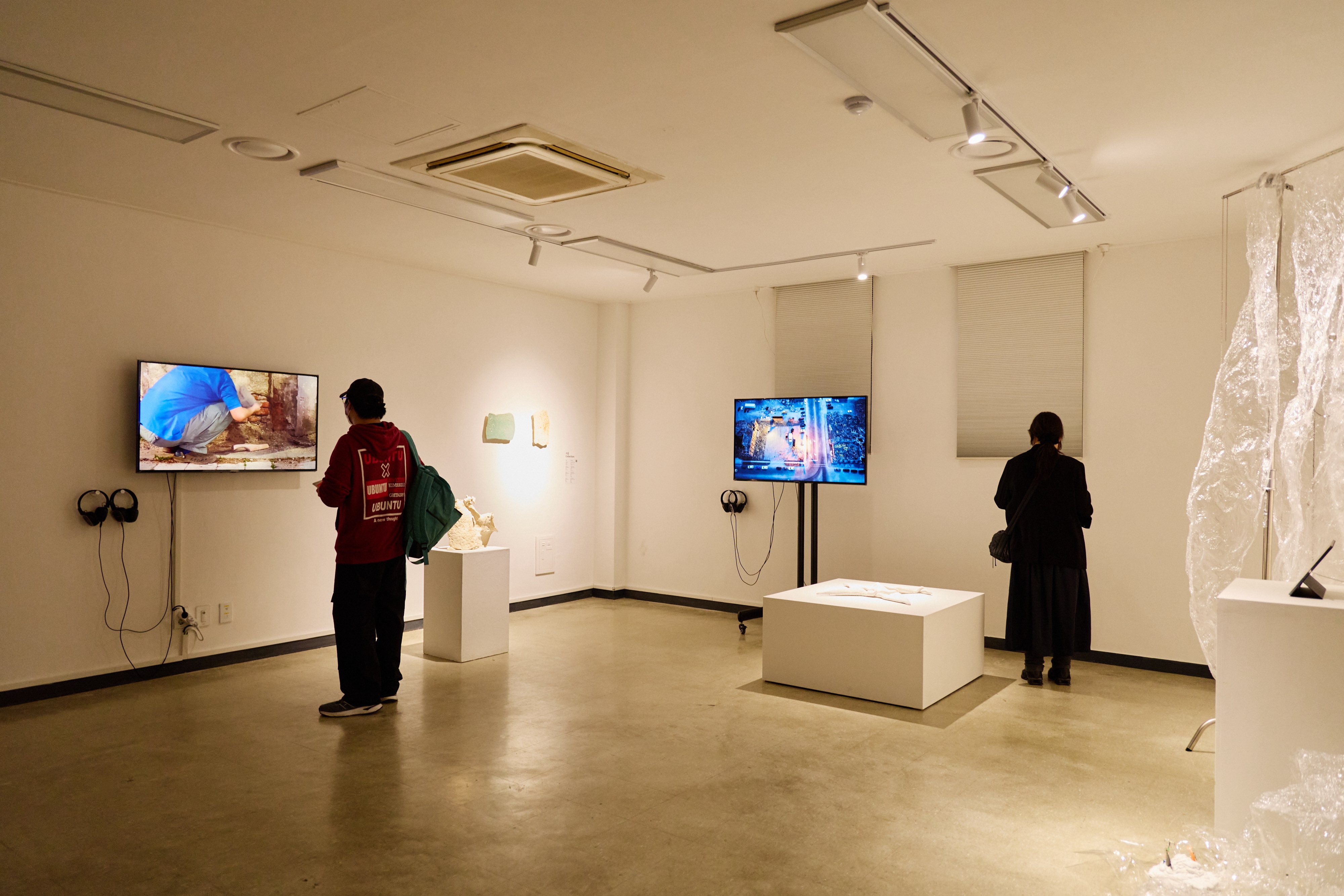
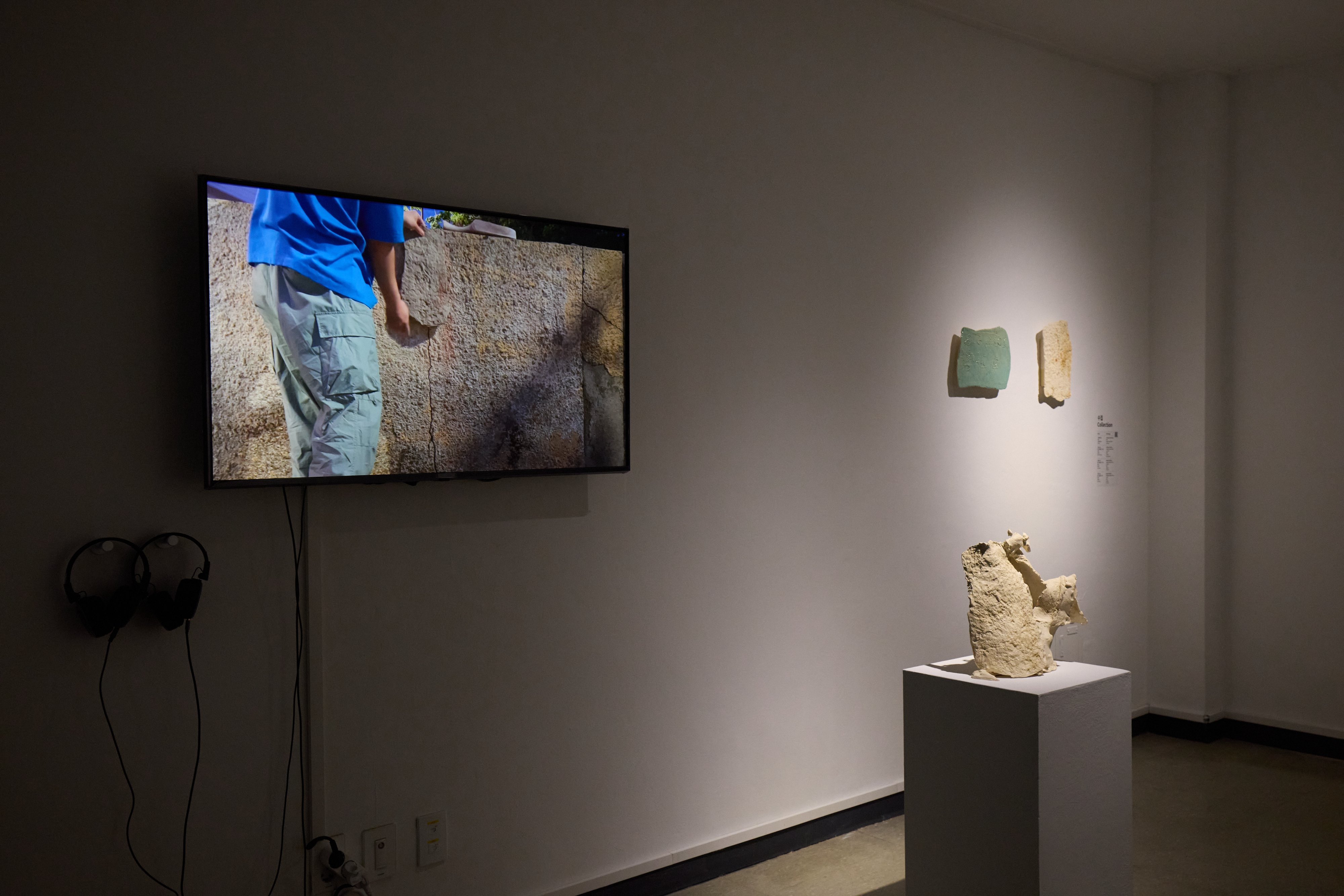
 Beyond Boundaries (Capture)/ Single channel video, 5min. 7sec., 2025
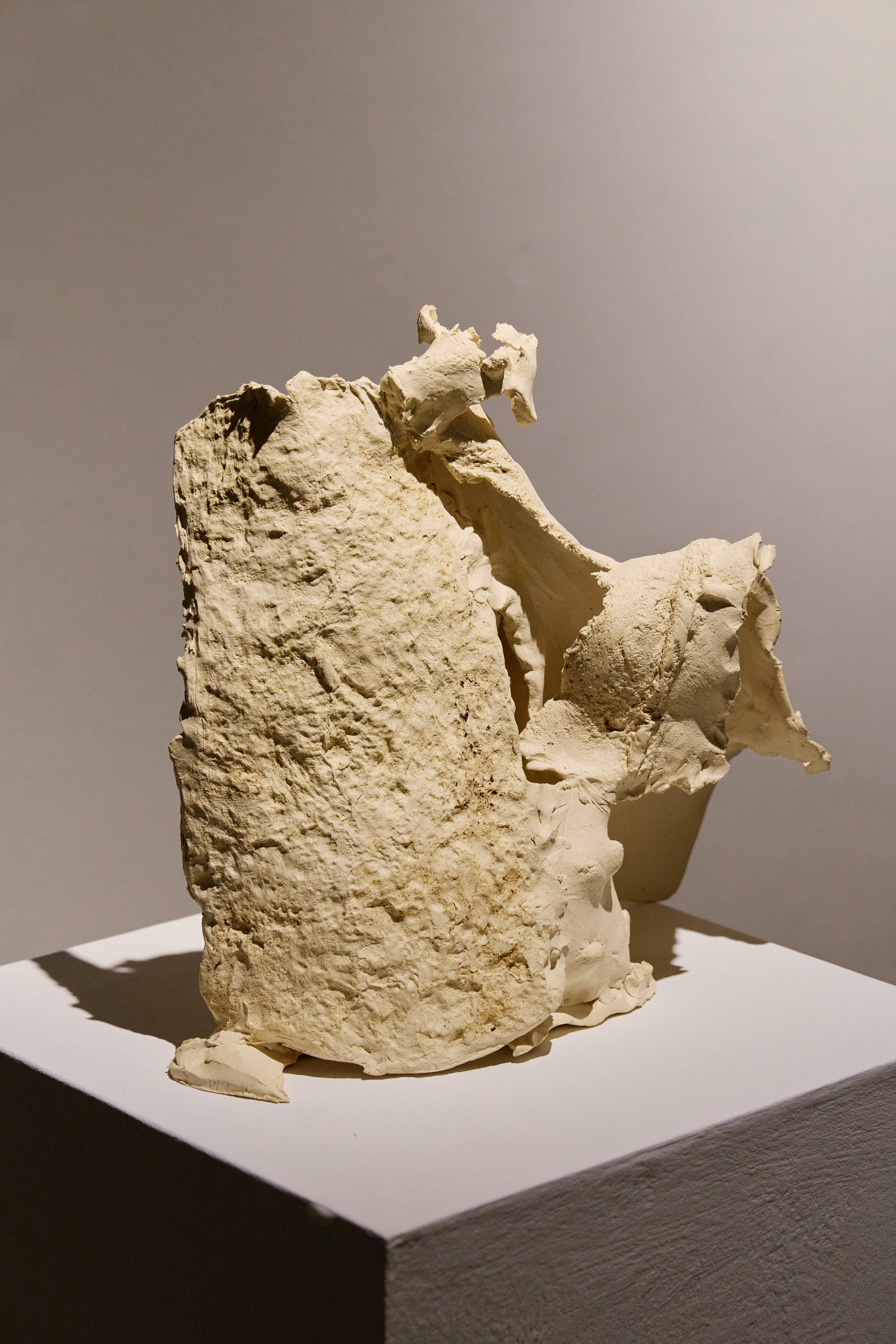 Takvonsuzip Project - 1-36 2ga, Songwol-dong, Jung-gu / Ceramics, 38x19x36cm, 2025
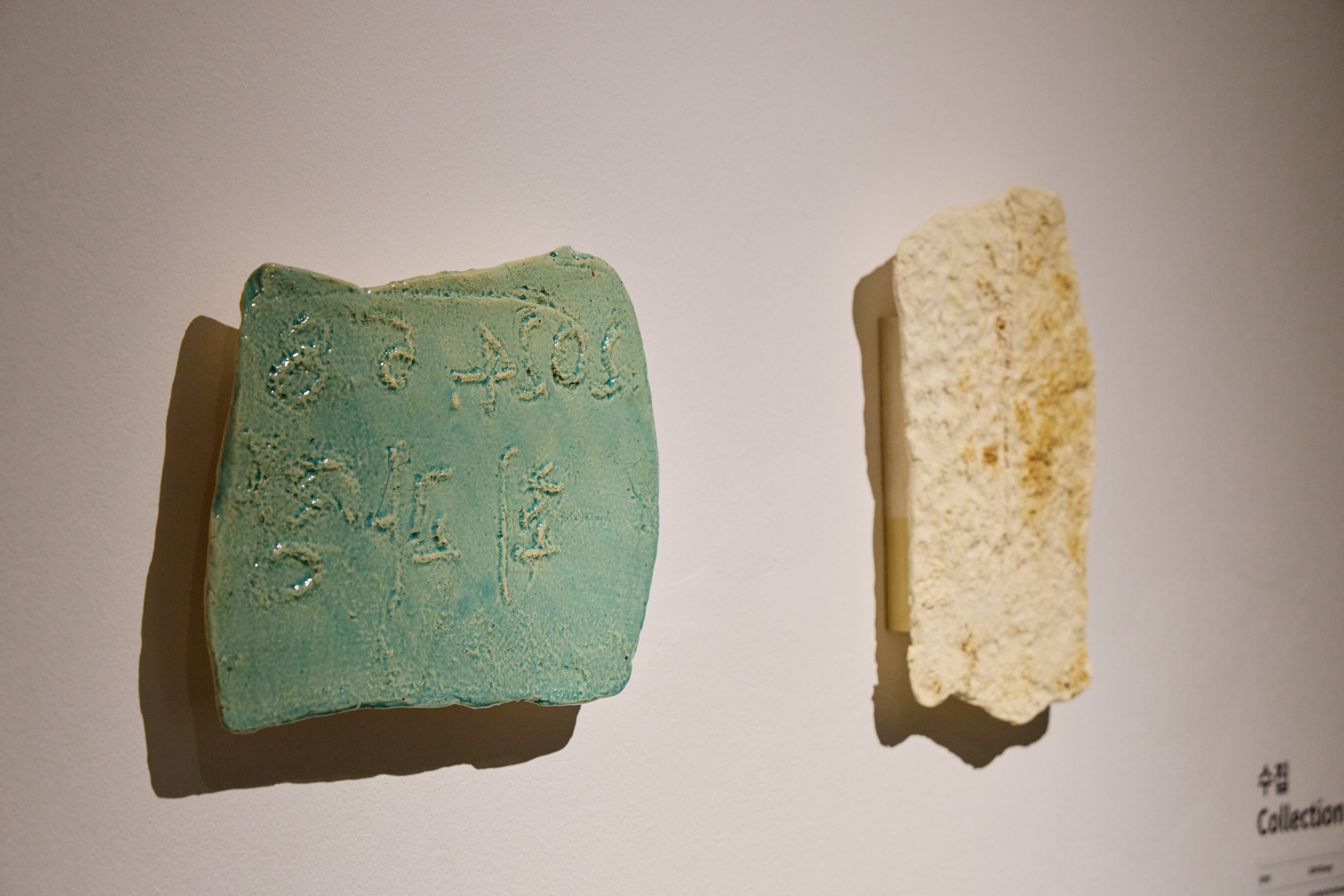 Takvonsuzip Project - 10-1 10ga, Songwol-dong, Jung-gu / Ceramics, 15x30cm, 2025
-Exhibition Dates : November 29 ~ December 01, 2024
-Exhibition Space : ChunCheon Art Village (46-4, Soyangro 4-ga, Chuncheon-si, Gangwon-do, Korea)
-A participating Artist : Kim Jiseop, Kim Youngkyung, Lee Jaebok, Jang Eungyeong, Lee Woongchul, Han Daehee, Eum Kixung, Kim Jungin, Gil Changin, Park Myeongmi
-Photograph : Gil Changin
-Hosted and supervised : ChunCheon Art Village
-Sponsor : Chuncheon City, Chuncheon Cultural Foundation
[Download PDF] Exhibition Catalog & Text
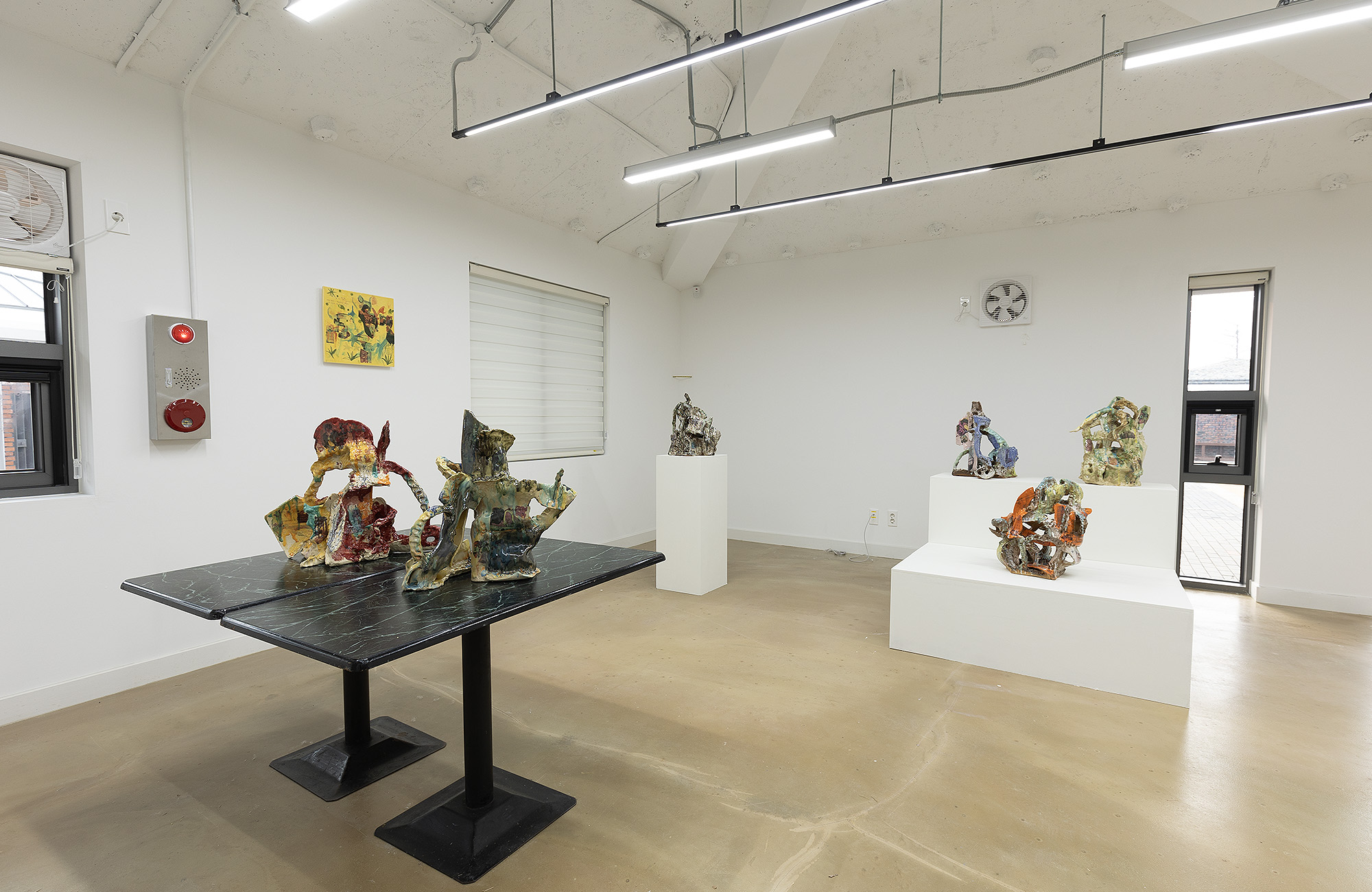
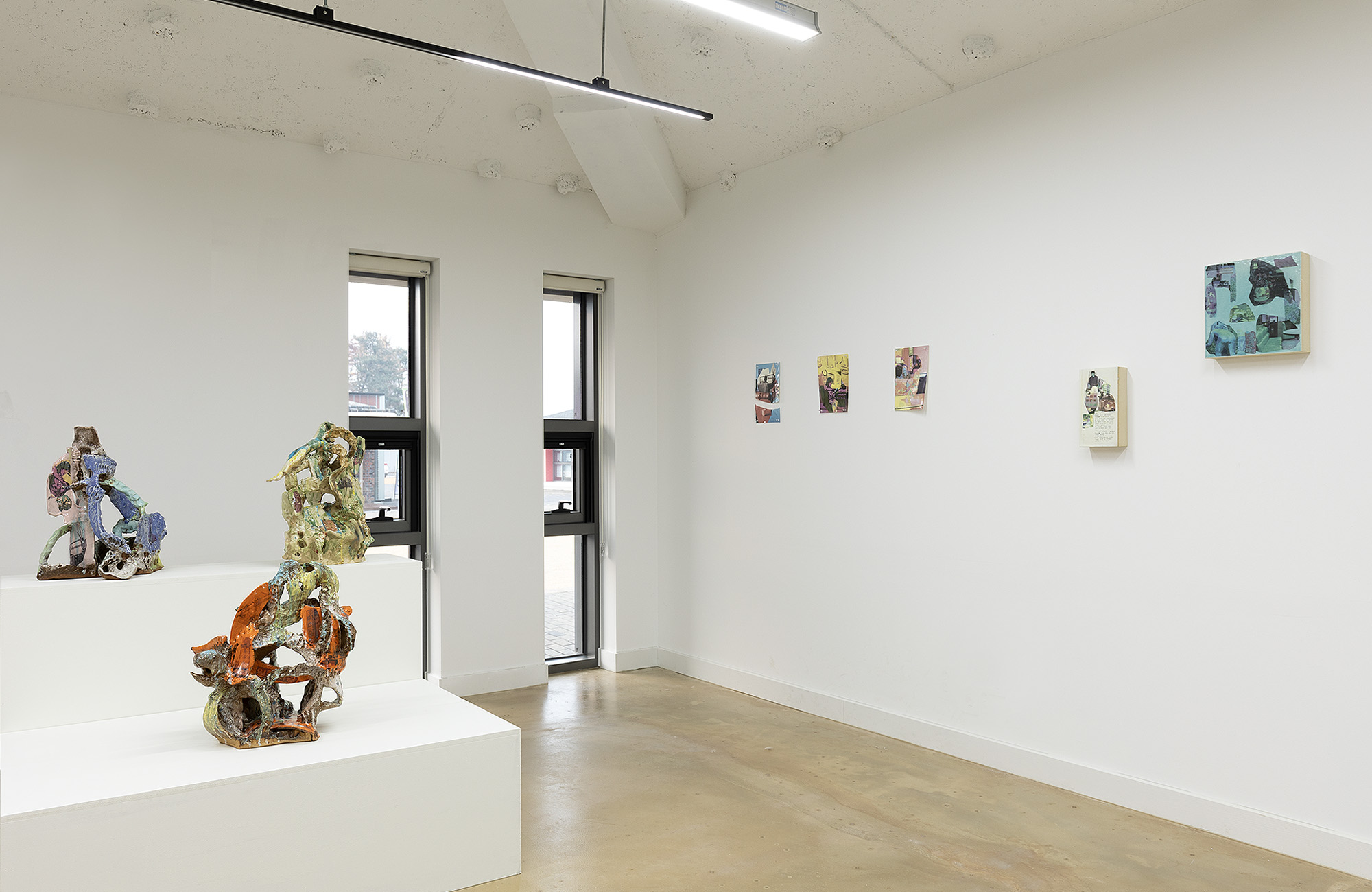
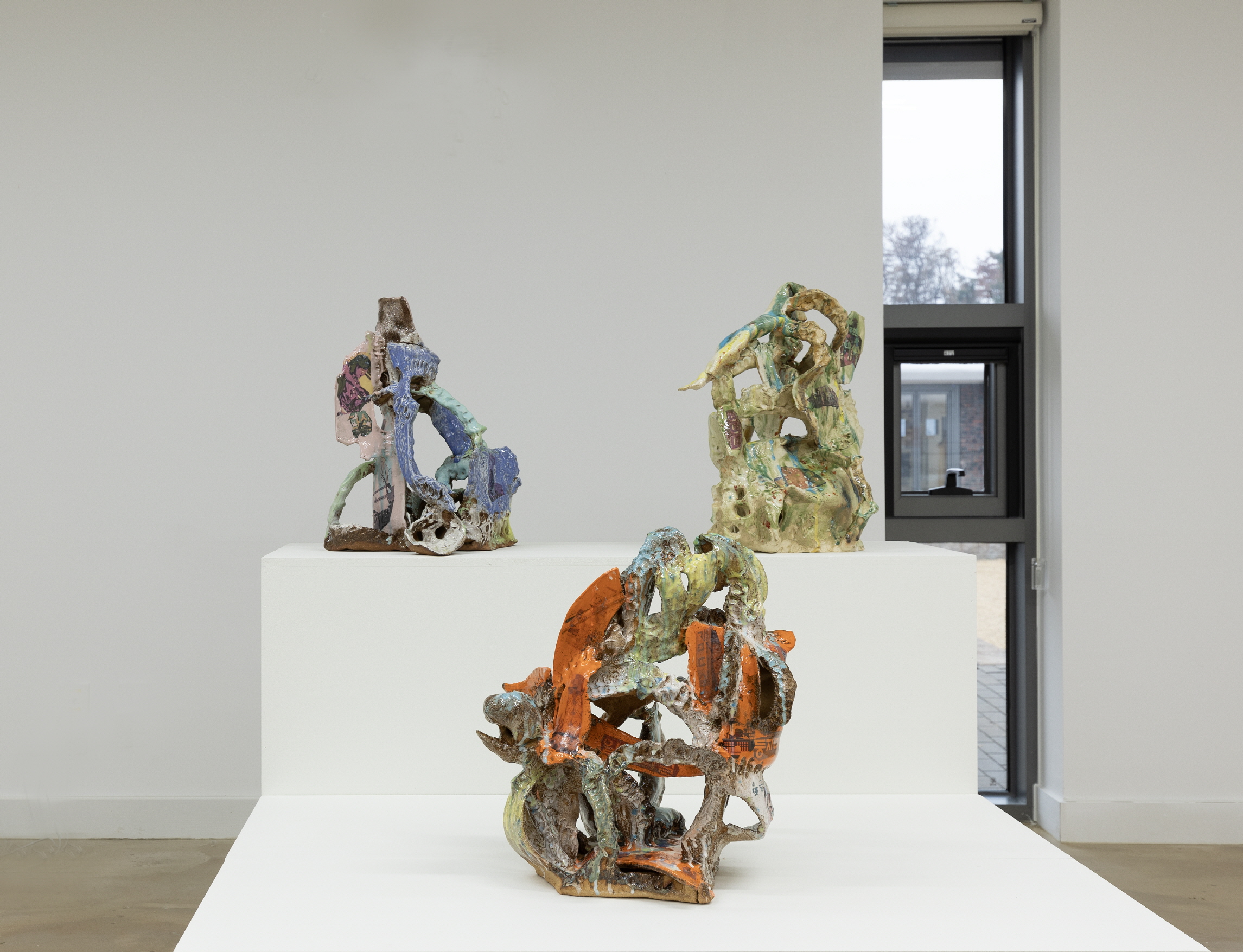
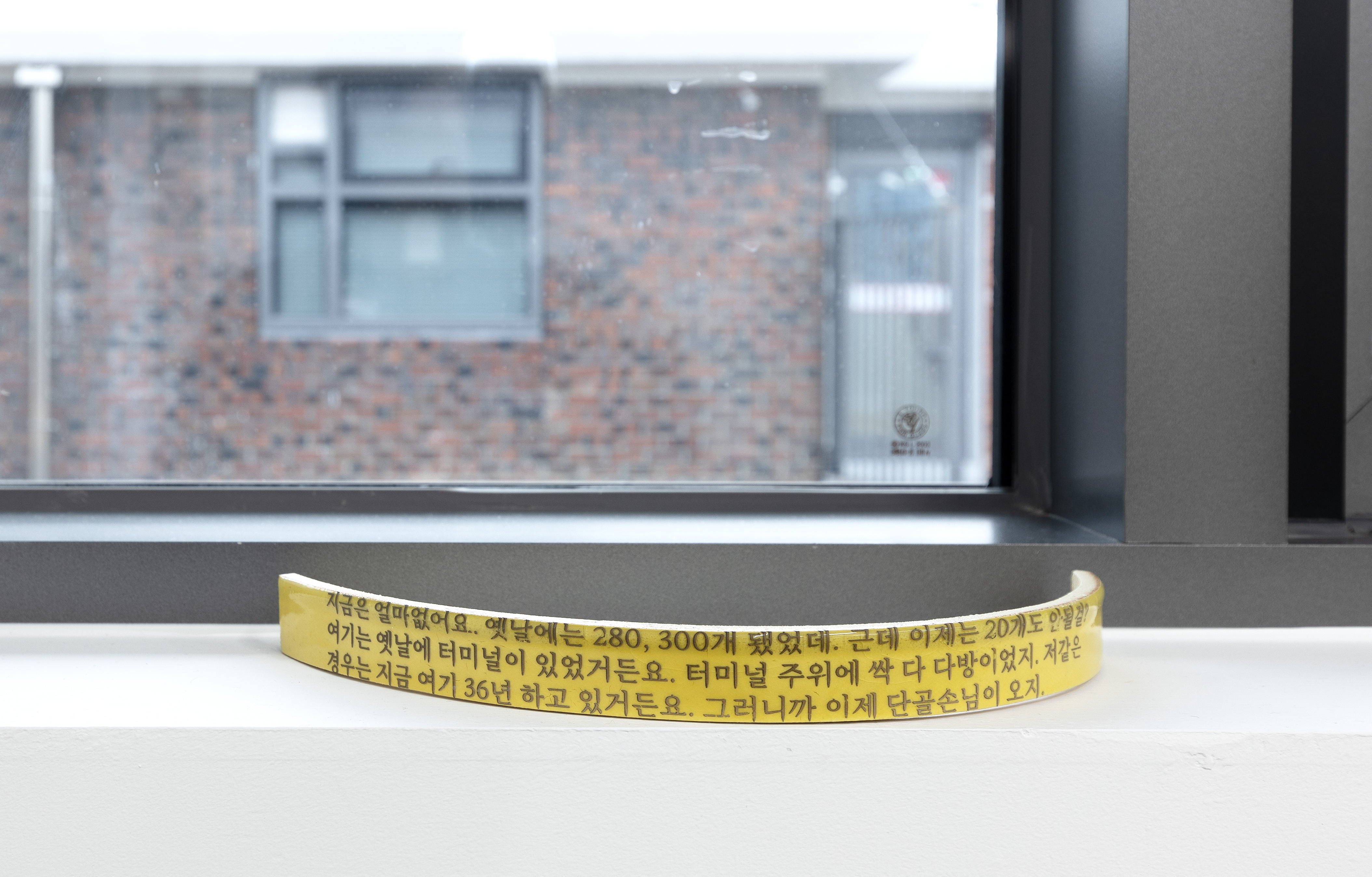 XX Madam Story / Ceramics, Digital ceramic decal, 34x12x4cm, 2024
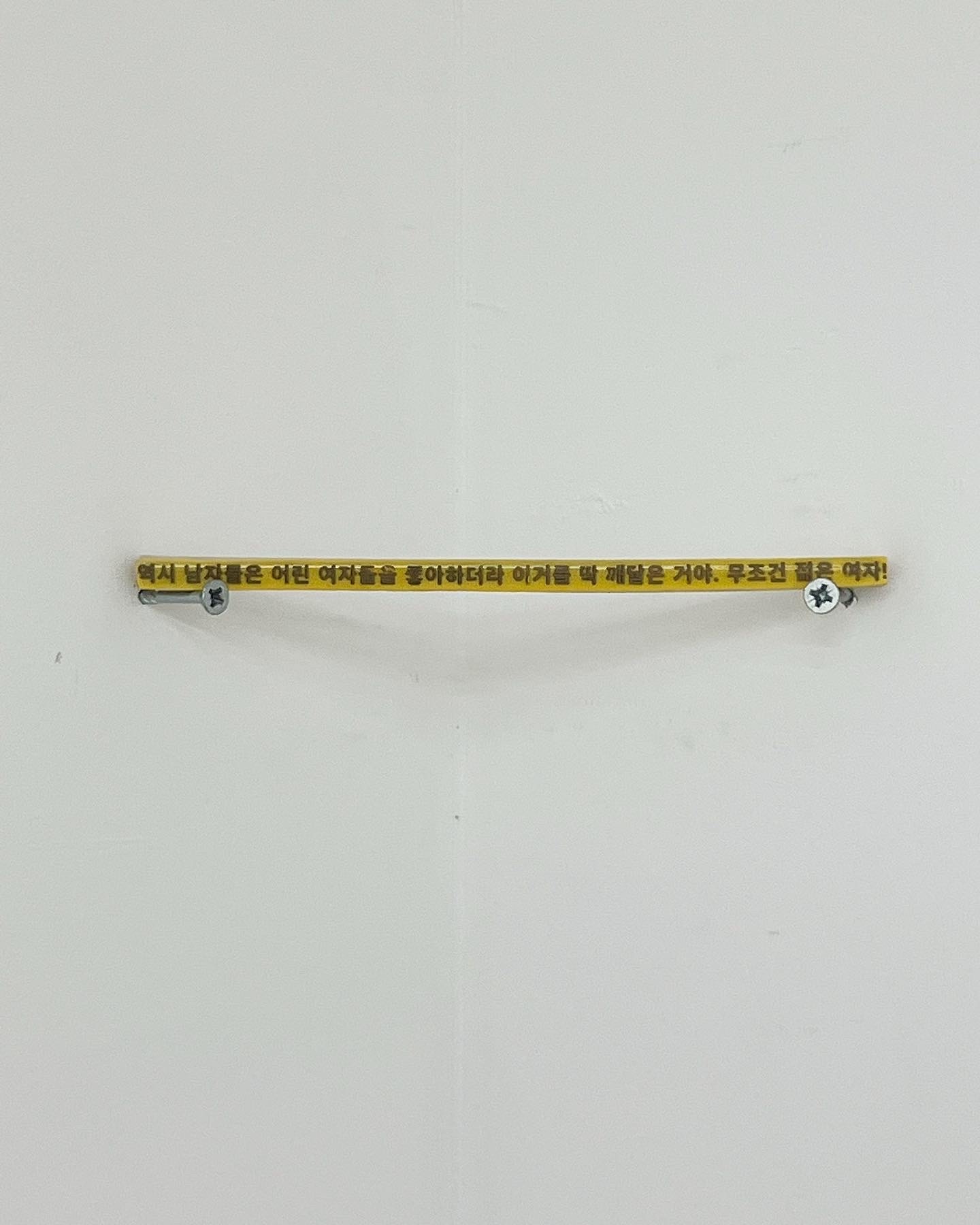 XX Madam Story / Ceramics, Digital ceramic decal, 20x1x1cm, 2024
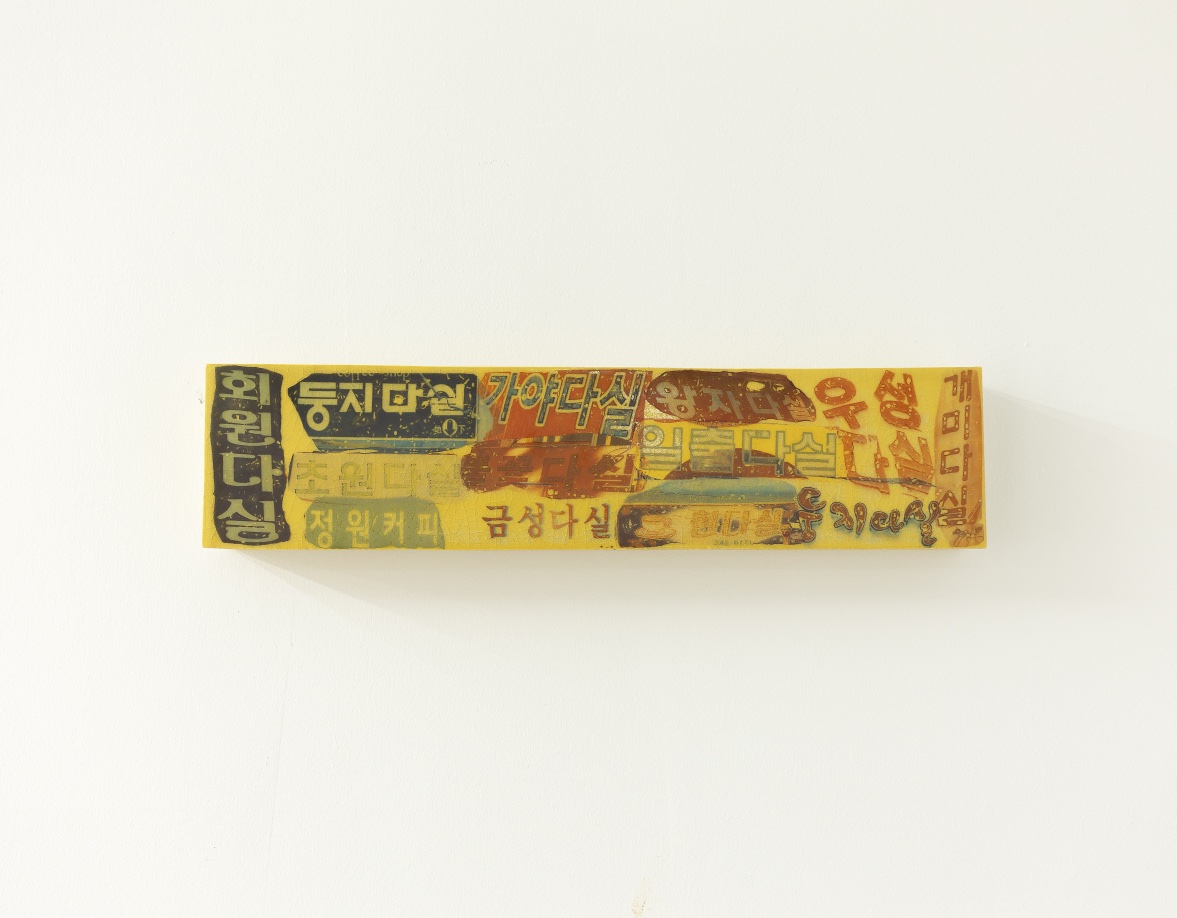 Fragments of Collected Stories - Chuncheon Dasil Signs / Ceramics, Digital ceramic decal, 44x10x5cm, 2024
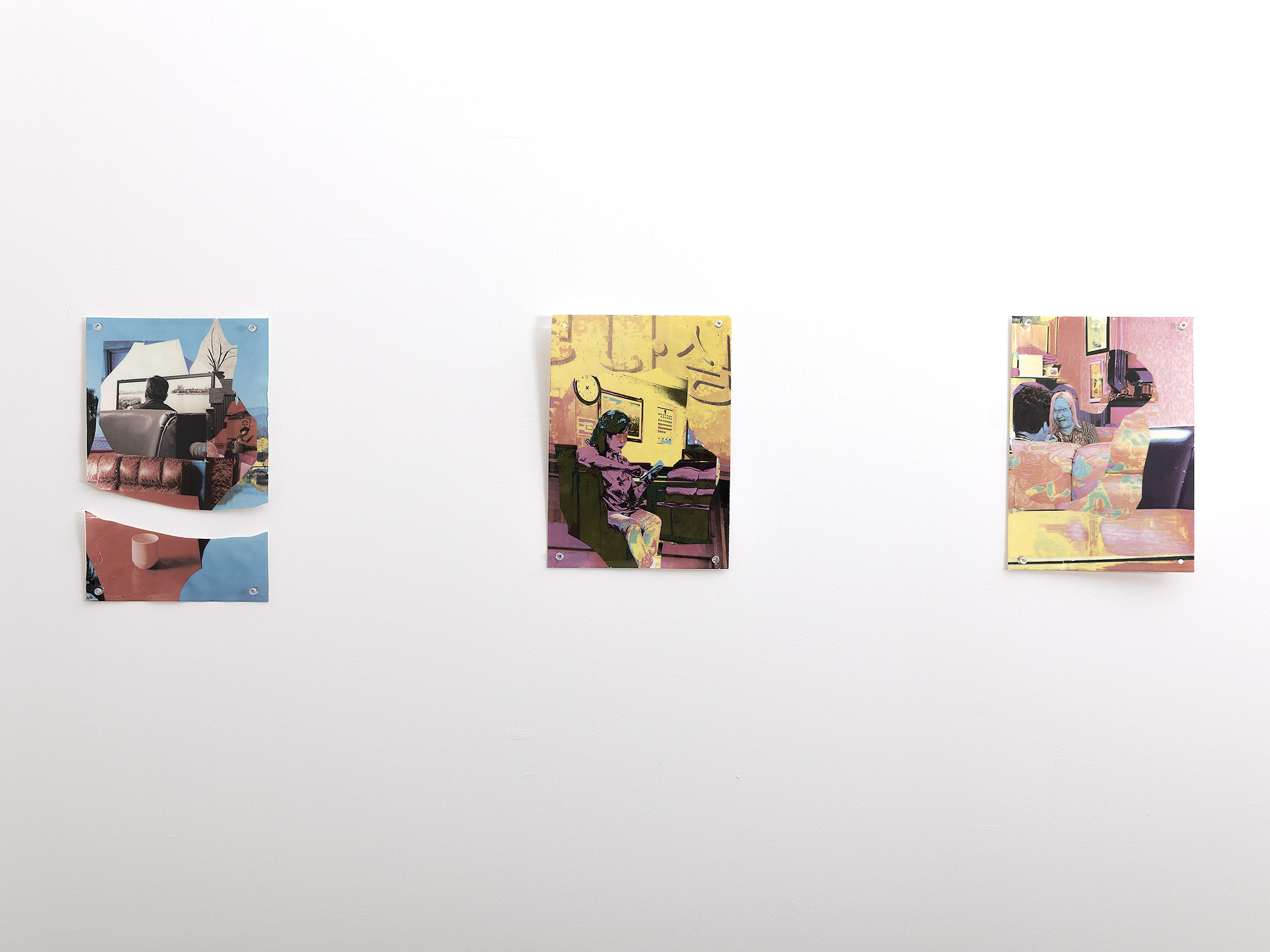 Fragments of Collected Stories - Dasil Visitors / Ceramics, Digital ceramic decal, each 28x21x0.1cm, 2024
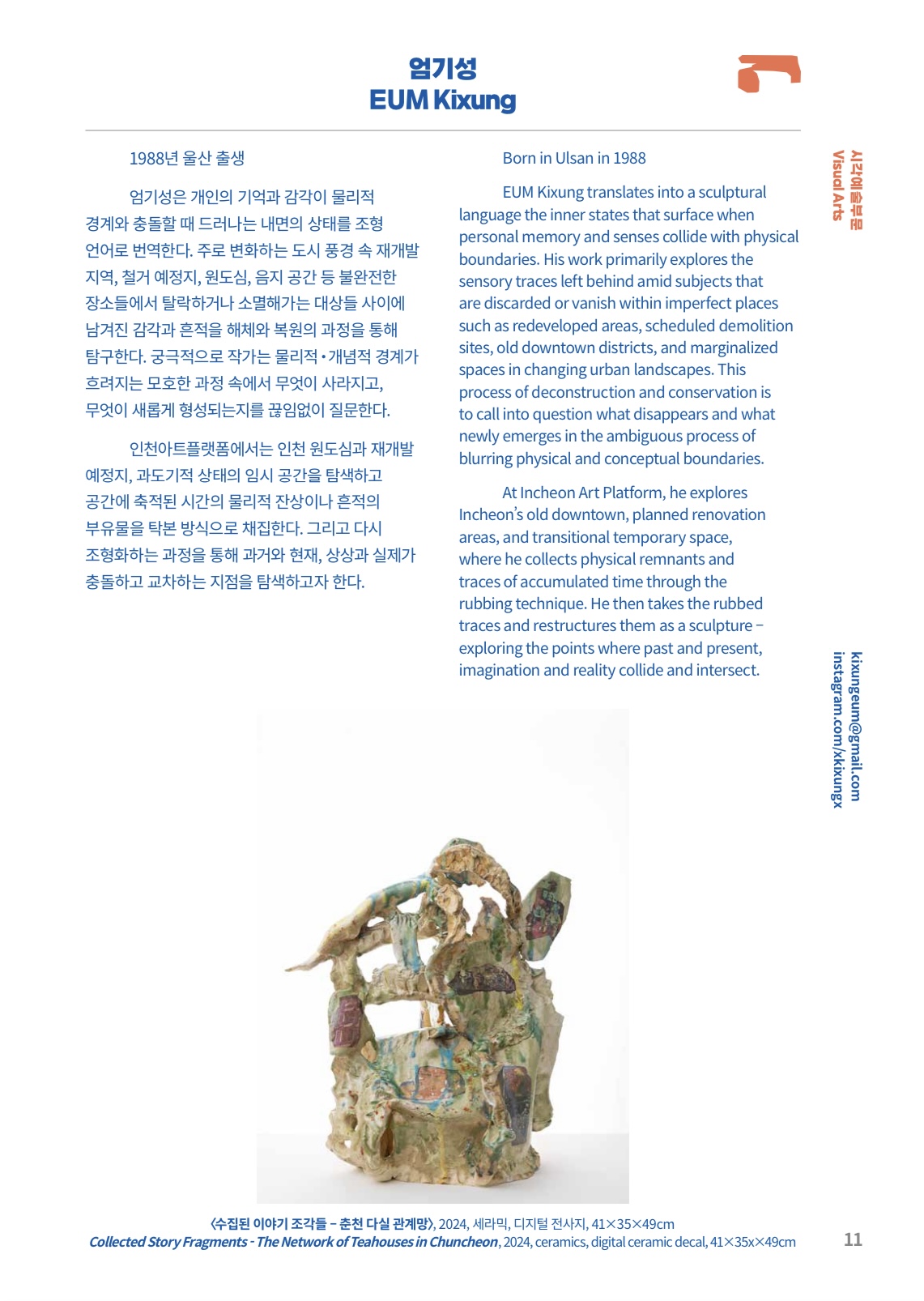
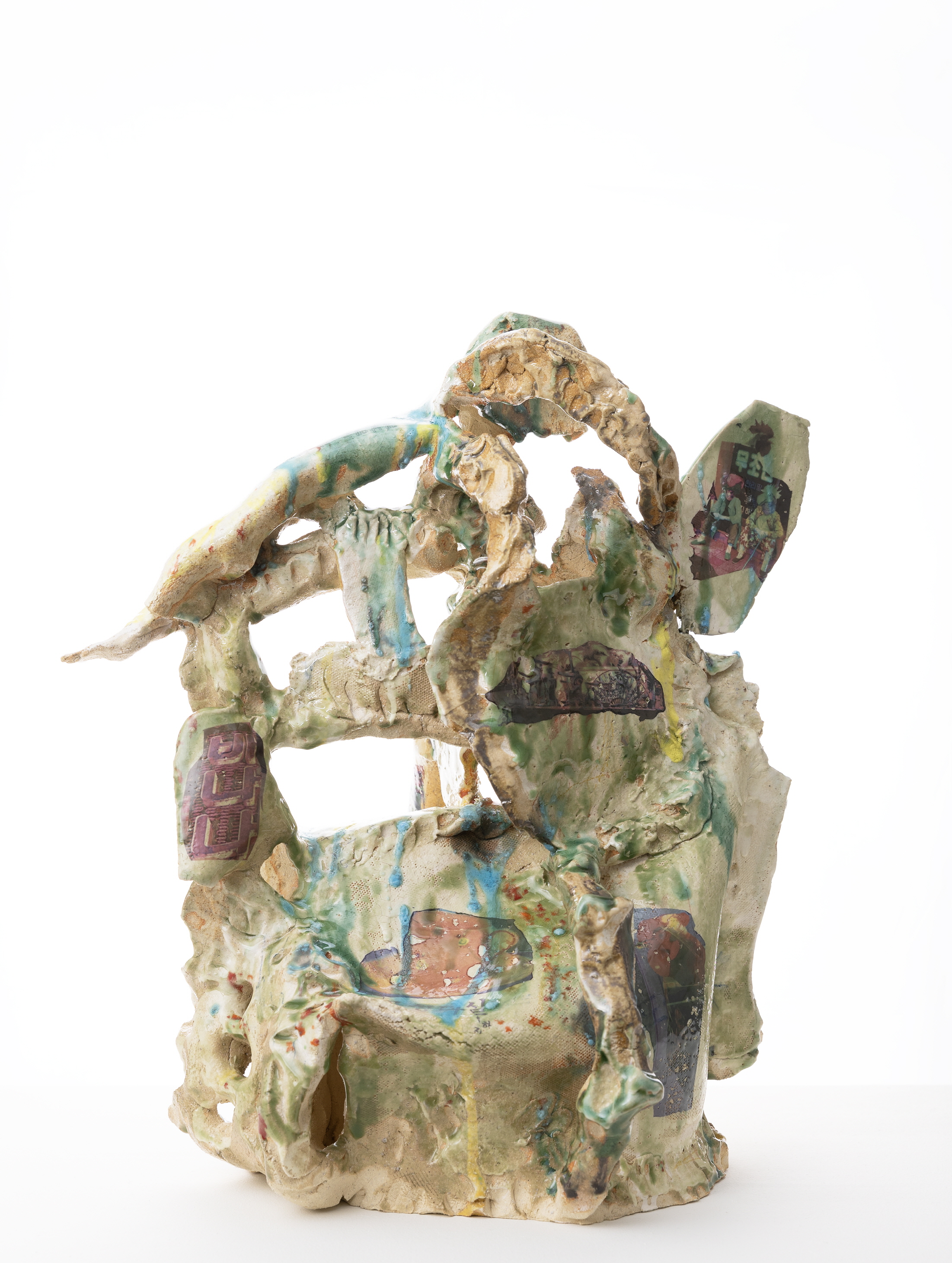 Fragments of Collected Stories - Relational Network of Chuncheon Dasils, Ceramics, Digital ceramic decal, 41x35x49cm, 2024
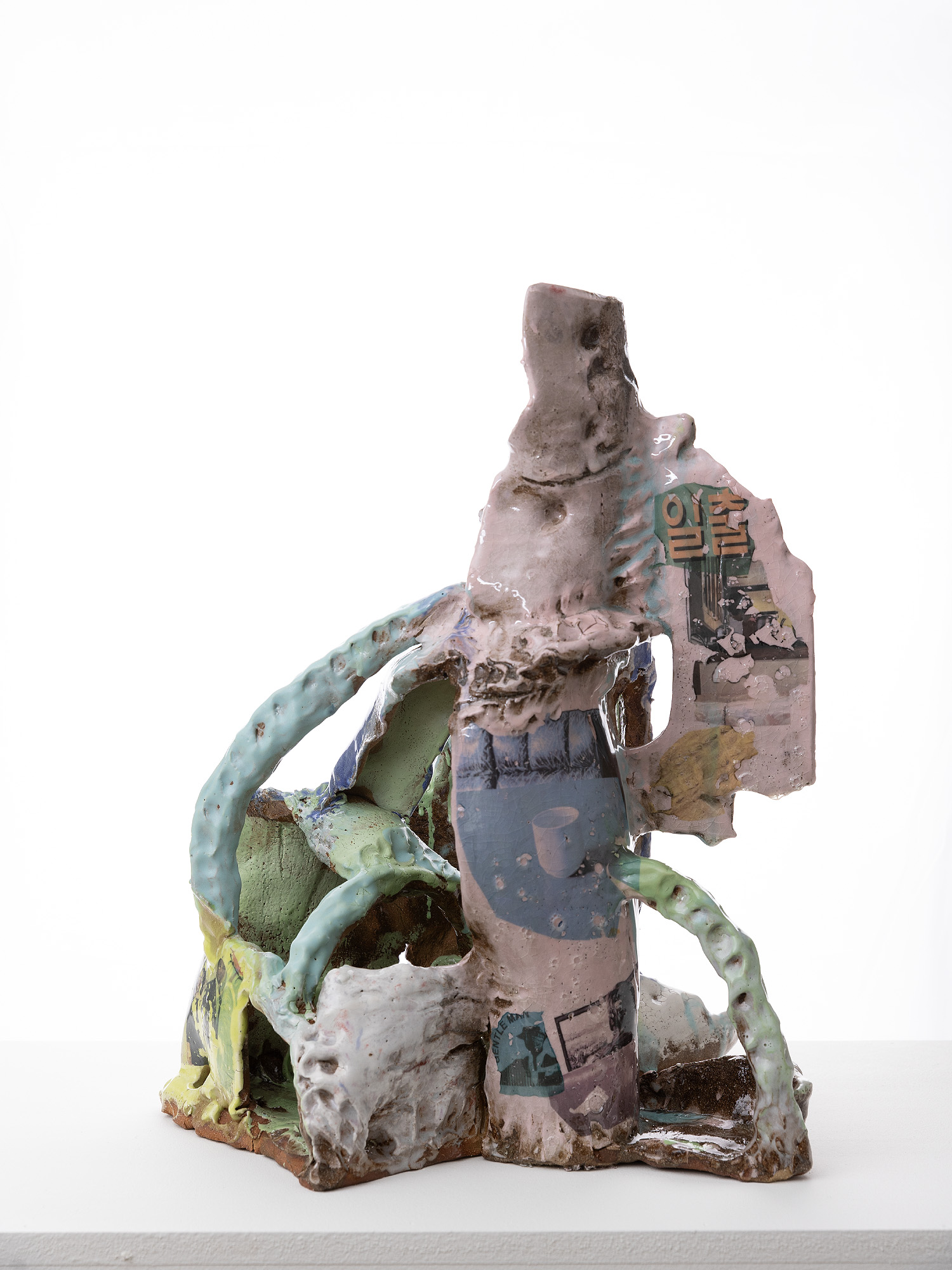 Fragments of Collected Stories - Relational Network of Chuncheon Dasils, Ceramics, Digital ceramic decal, 36x30x46cm, 2024
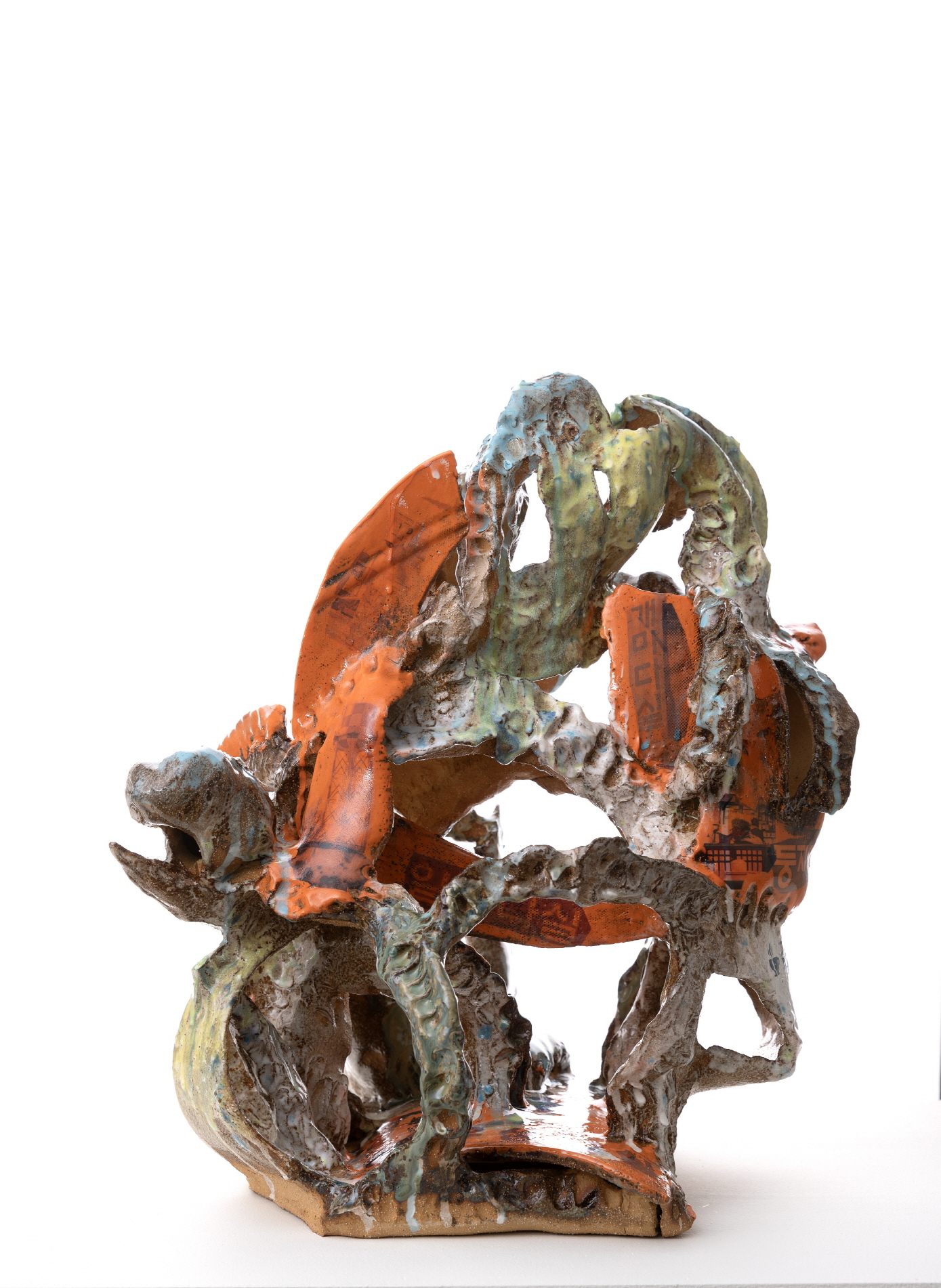 Fragments of Collected Stories - Relational Network of Chuncheon Dasils, Ceramics, Digital ceramic decal, 46x34x49cm, 2024
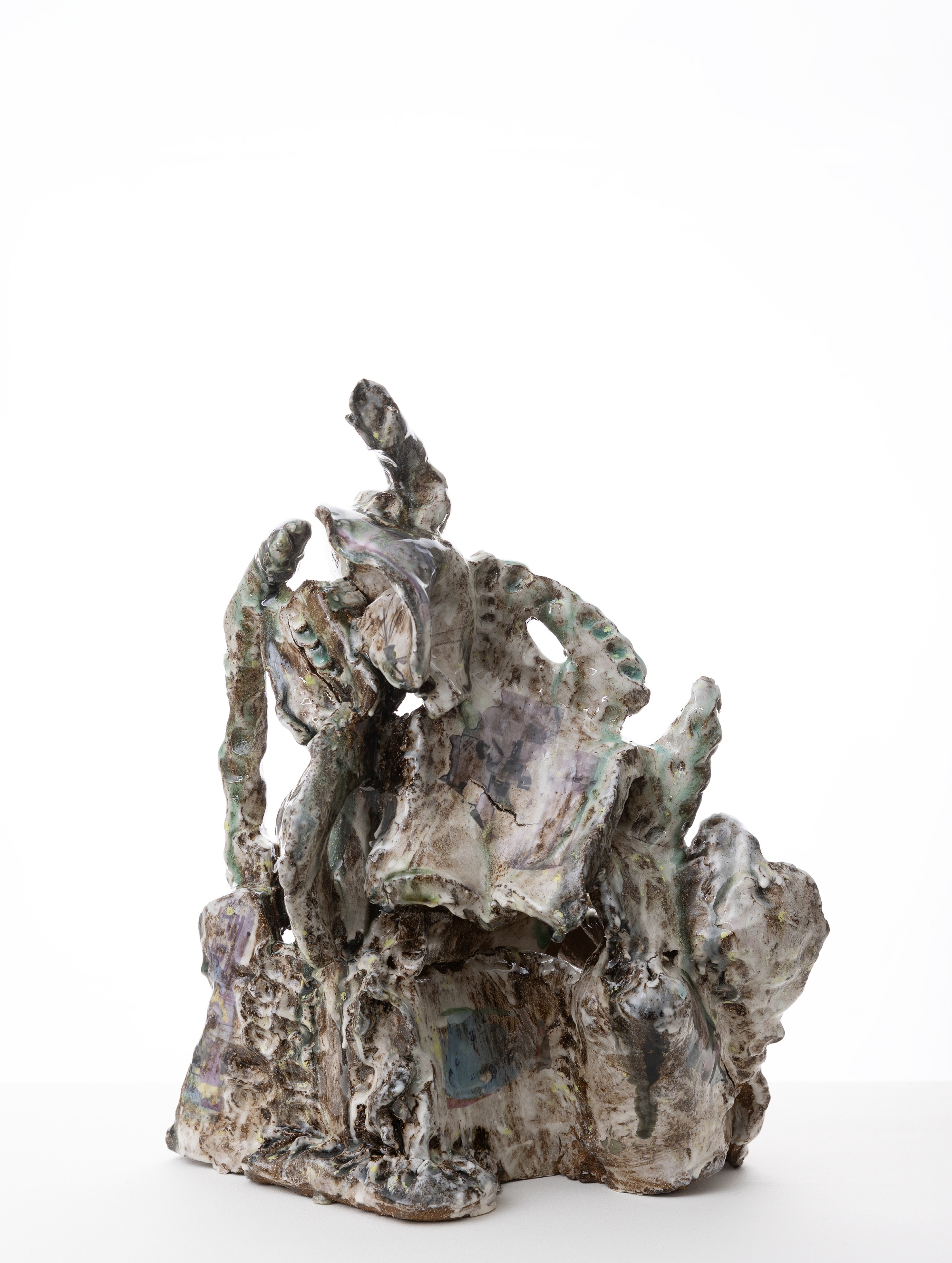 Fragments of Collected Stories - Relational Network of Chuncheon Dasils, Ceramics, Digital ceramic decal, 25x32x43cm, 2024
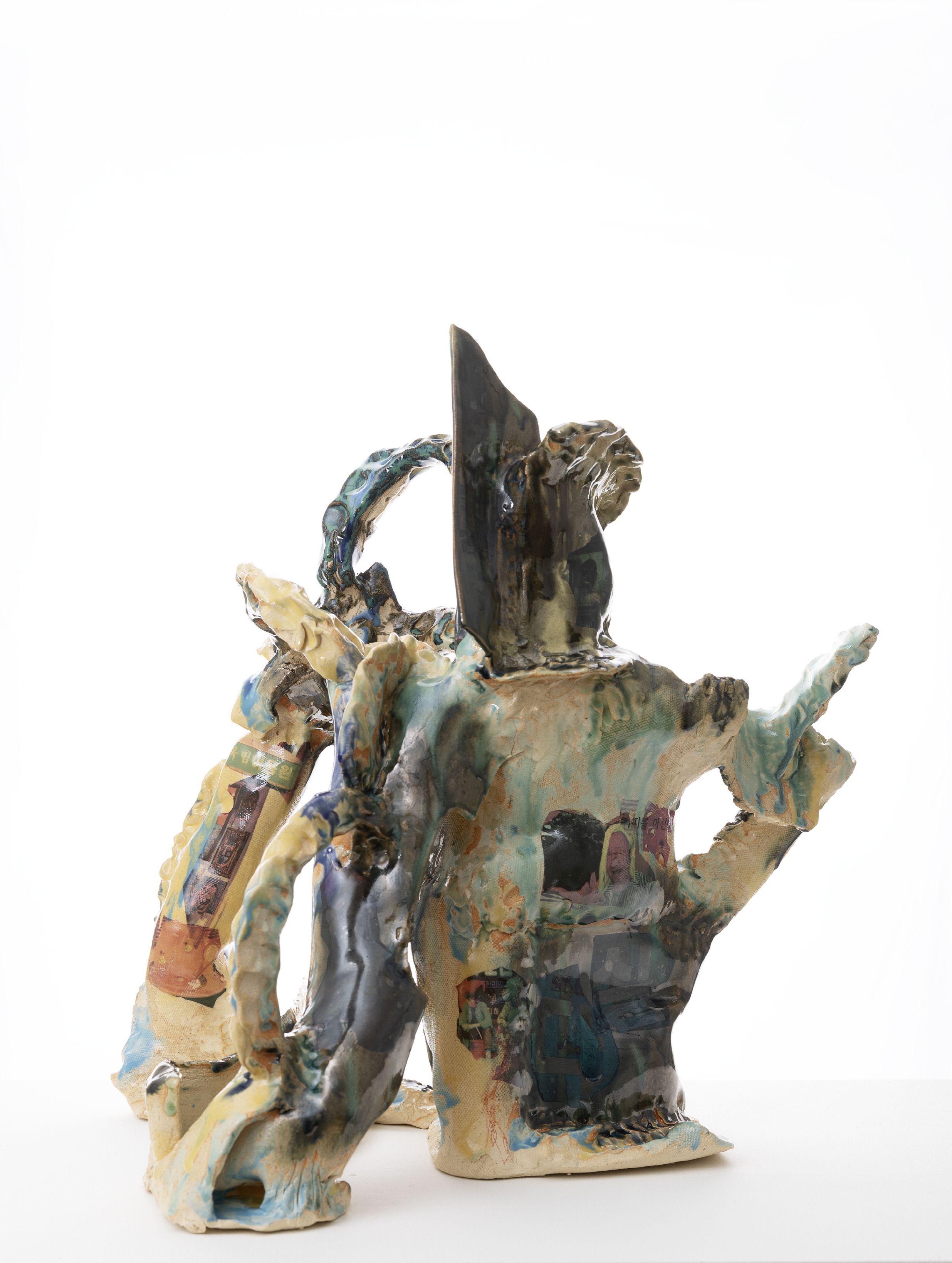 Fragments of Collected Stories - Relational Network of Chuncheon Dasils, Ceramics, Digital ceramic decal, 36x30x46cm, 2024
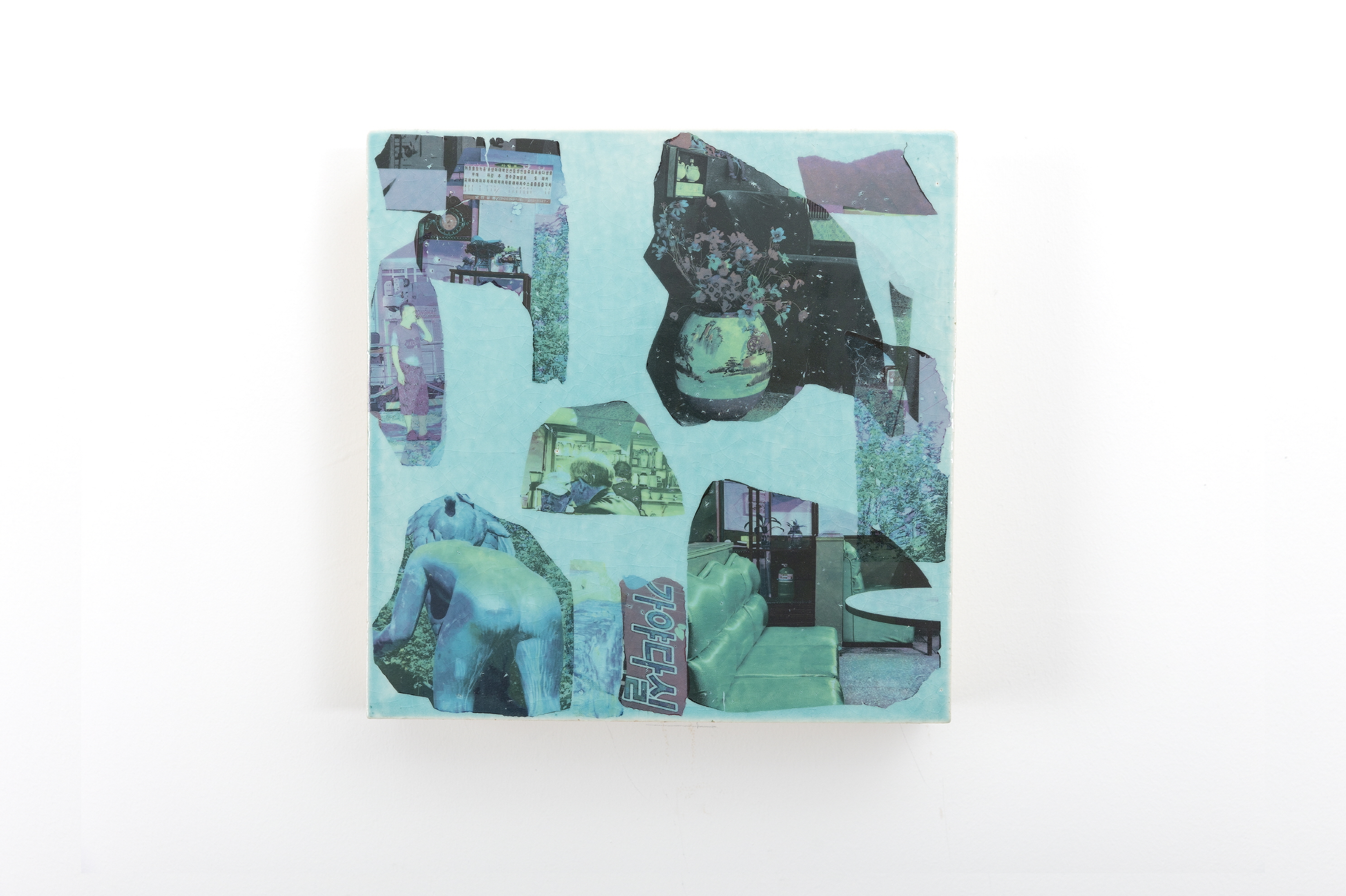 Fragments of Collected Stories - Light and Shadow, Ceramics, Digital ceramic decal, 29x29x6cm, 2024
-Exhibition Dates : 준비 중
-Exhibition Space : Tokyo, Japan
-A participating Artist : 준비 중
-Exhibition Curator : 준비 중
-Exhibition Text : 준비 중
-Design : 준비 중
-Photograph : 준비 중
-Hosted and supervised : 준비 중
-Sponsor : 준비 중
*This exhibition is supported by 준비 중
[Download PDF] Exhibition Catalog & Text
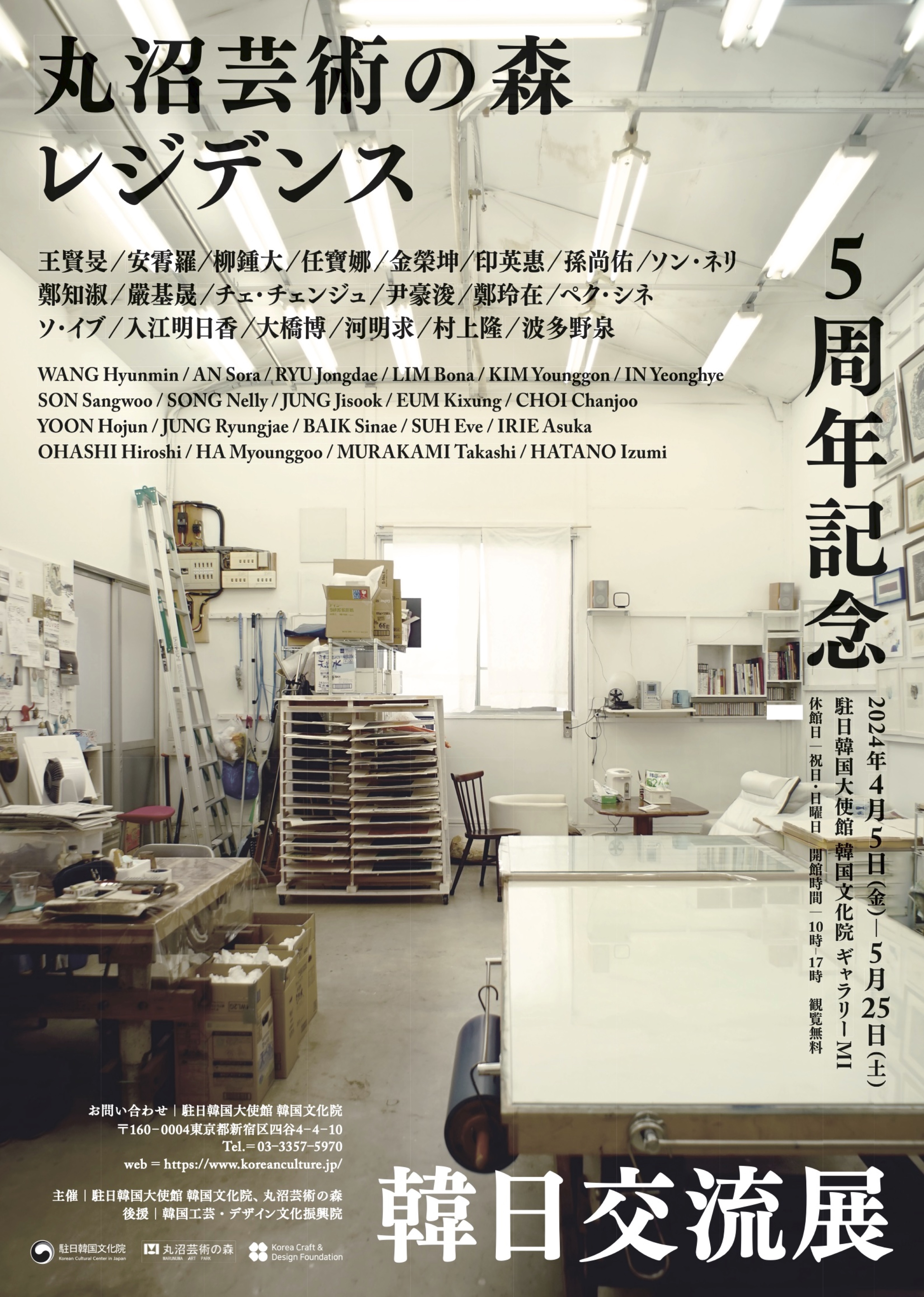
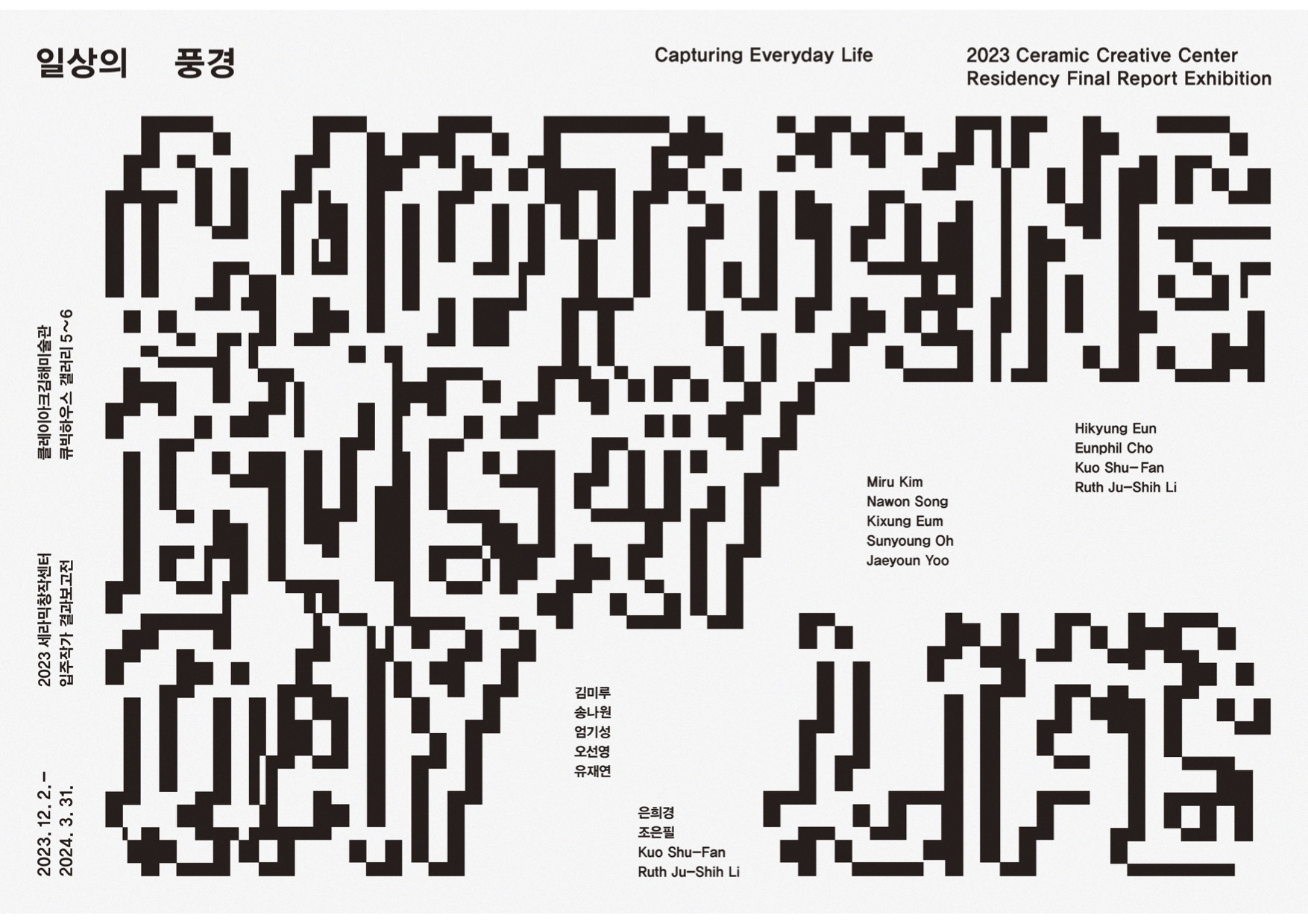
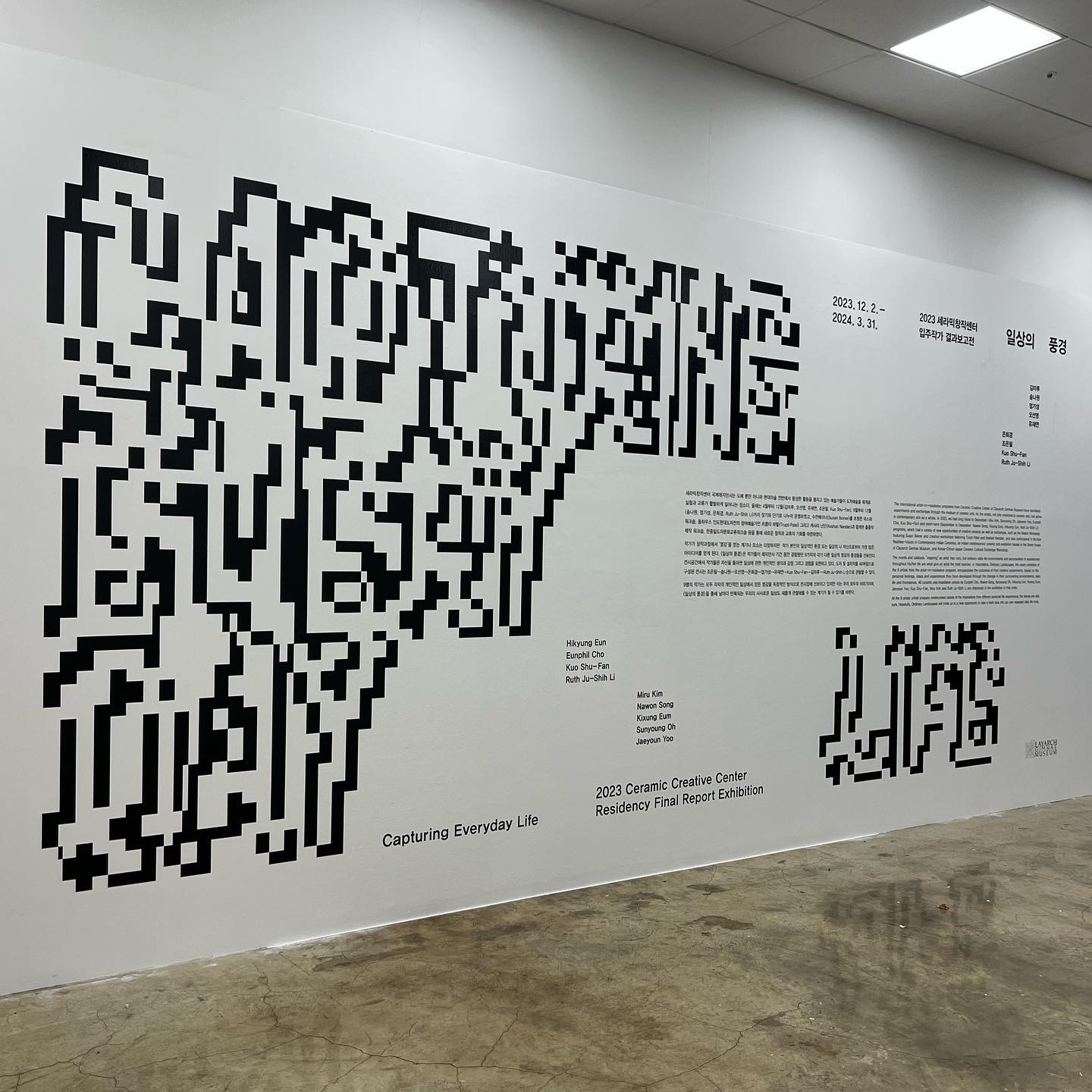
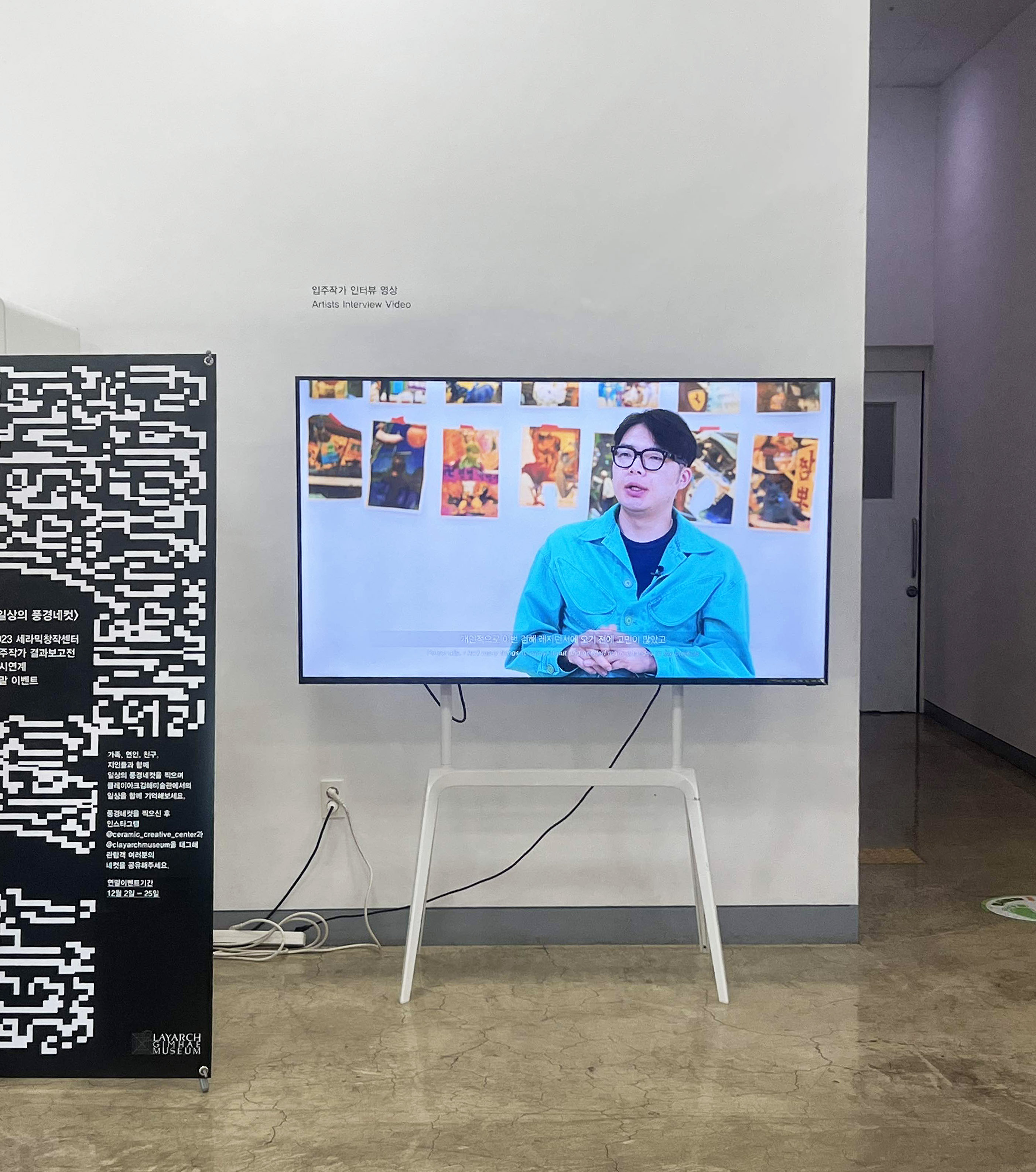
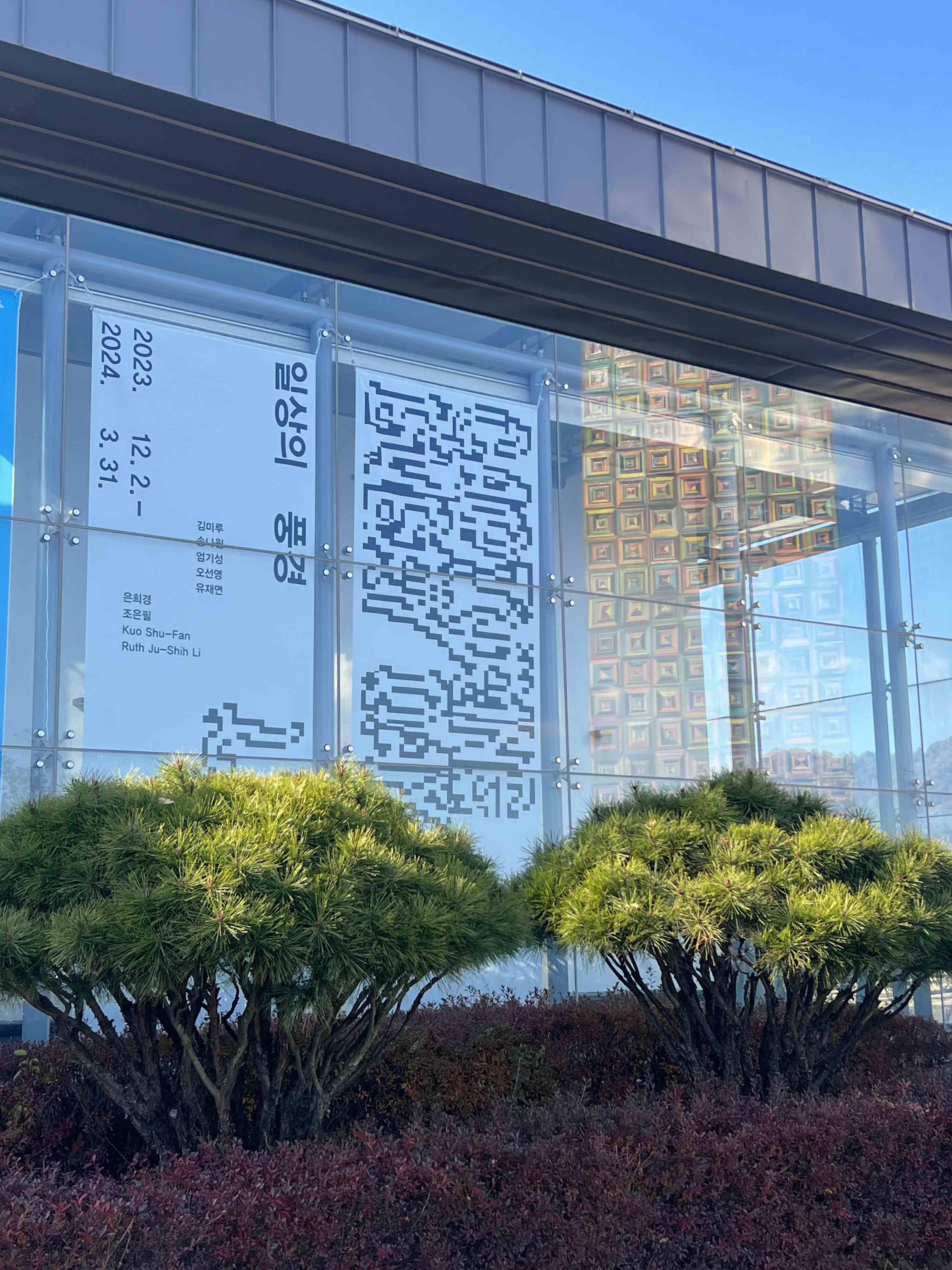
-Exhibition Dates : December 02 2023 ~ March 31 2024
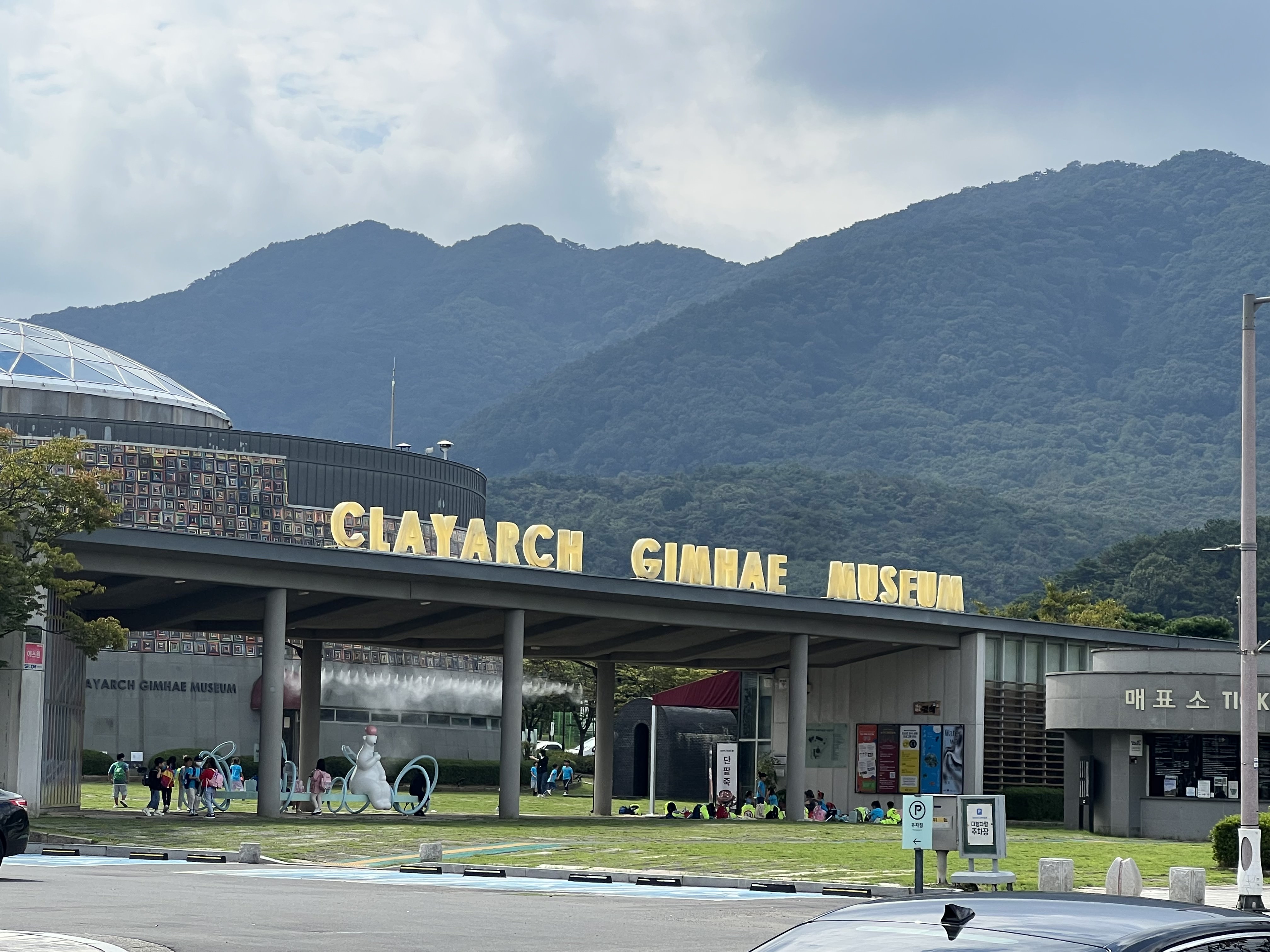
-Exhibition Space : Clayarch Gimhae Museum (25, Buncheong-ro, Jillye-myeon, Gimhae-si, Gyeongsangnam-do)
-A participating Artist : Ruth Ju-Shih Li, Song Nawon, Eum Kixung, Eun Hikyung, Kuo Shu-Fan, Kim Miru, Oh Sunyoung, Yoo Jaeyoun, Cho Eunphil
-Exhibition Curator : Hong Heejoo
-Residency Artist Critique : Lee Seulbi (Mihakkwan Director)
-Design : ARA DESIGN
-Photograph : Lee Dongmoon
-Hosted and supervised : Clayarch Gimhae of Gimhae Cultural Foundation
[Download PDF] Exhibition Catalog & Text
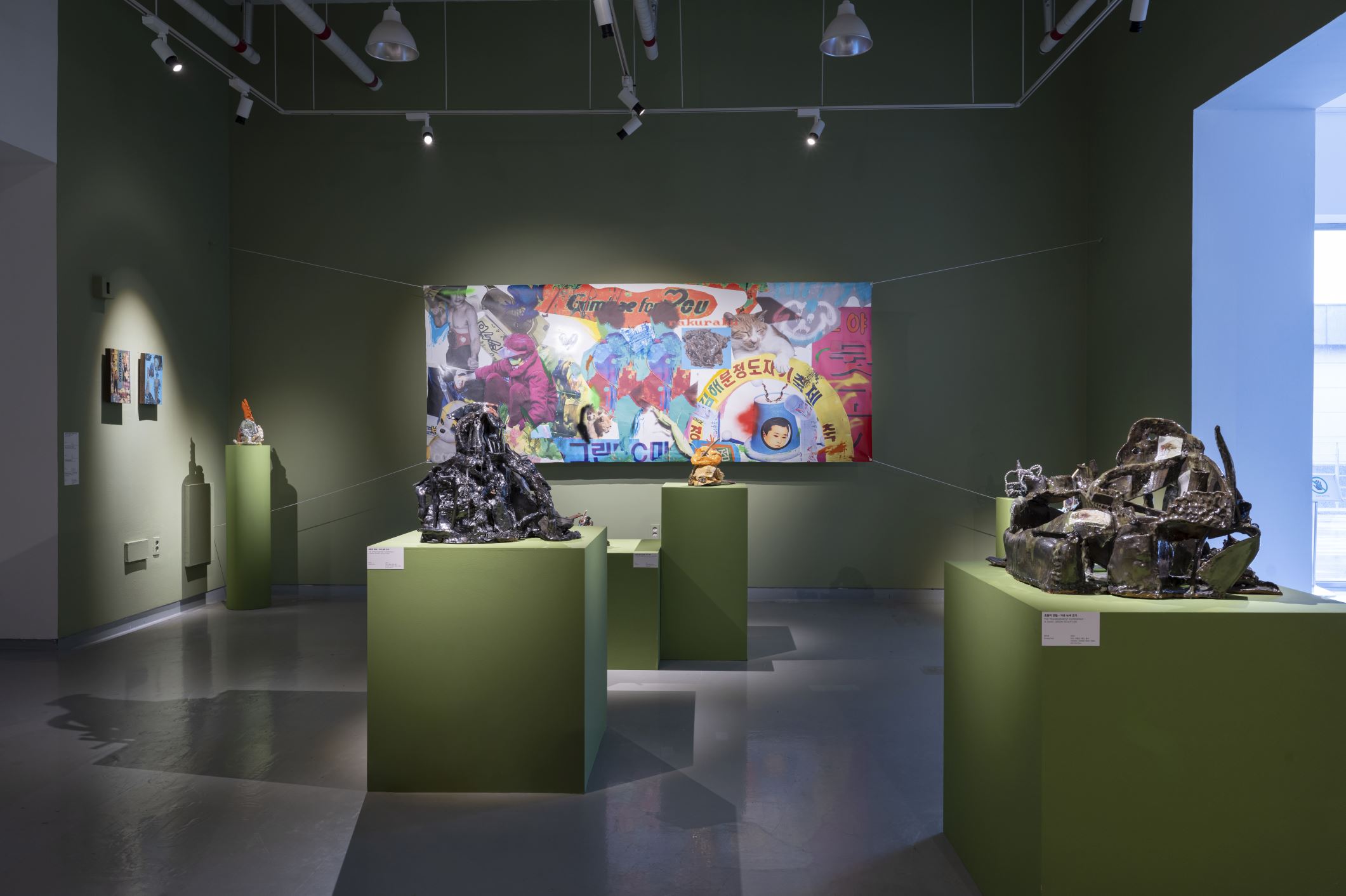
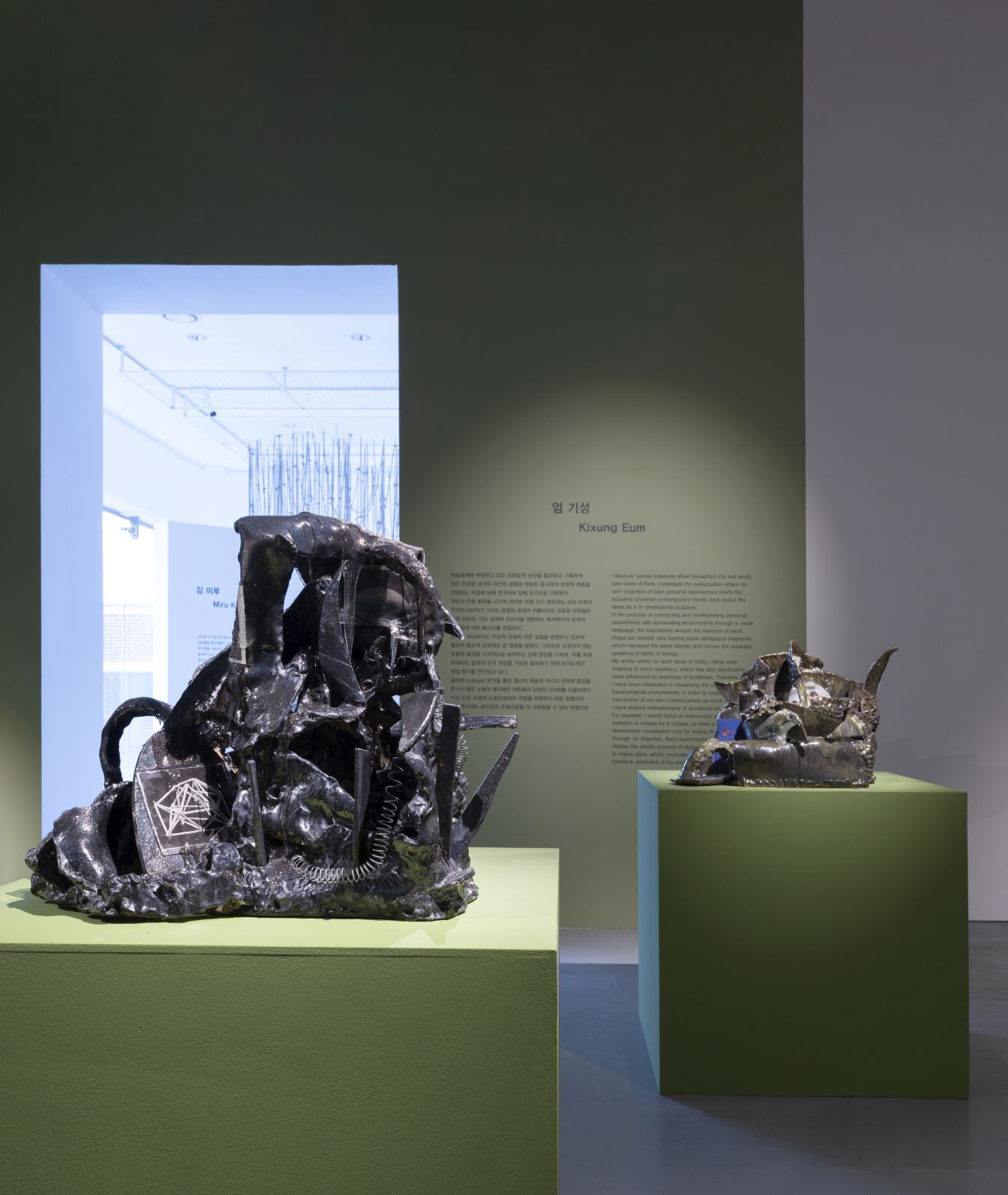
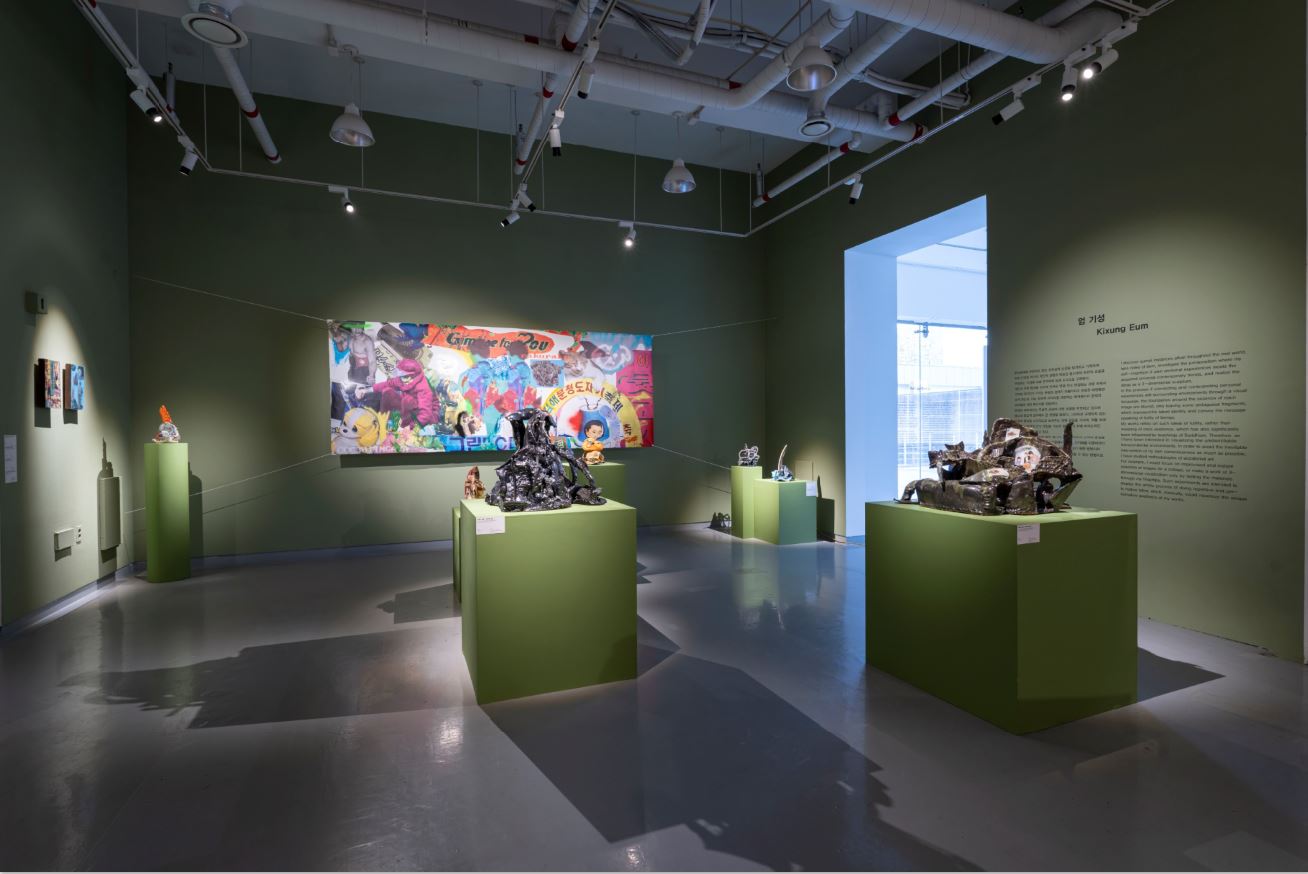
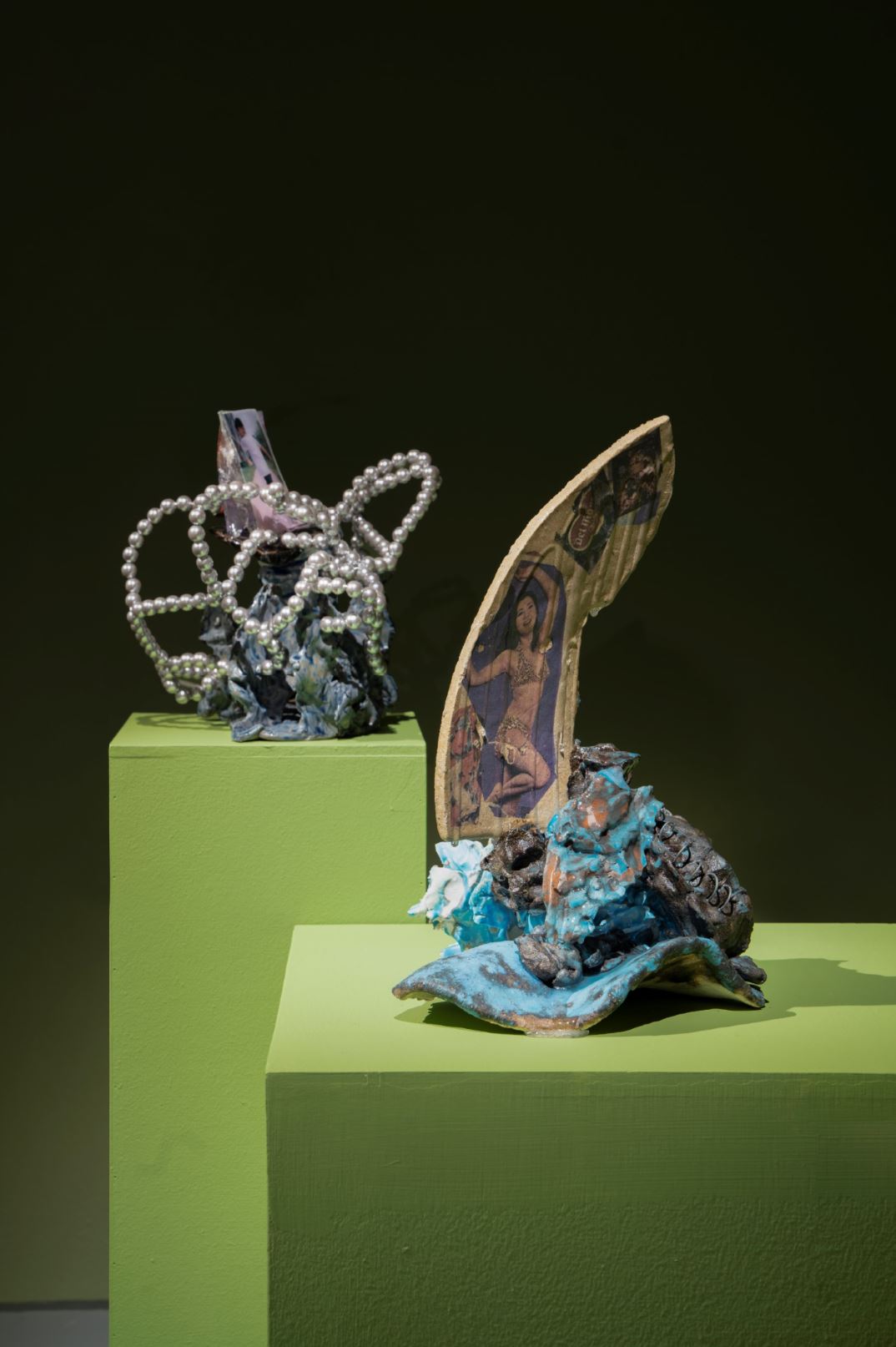
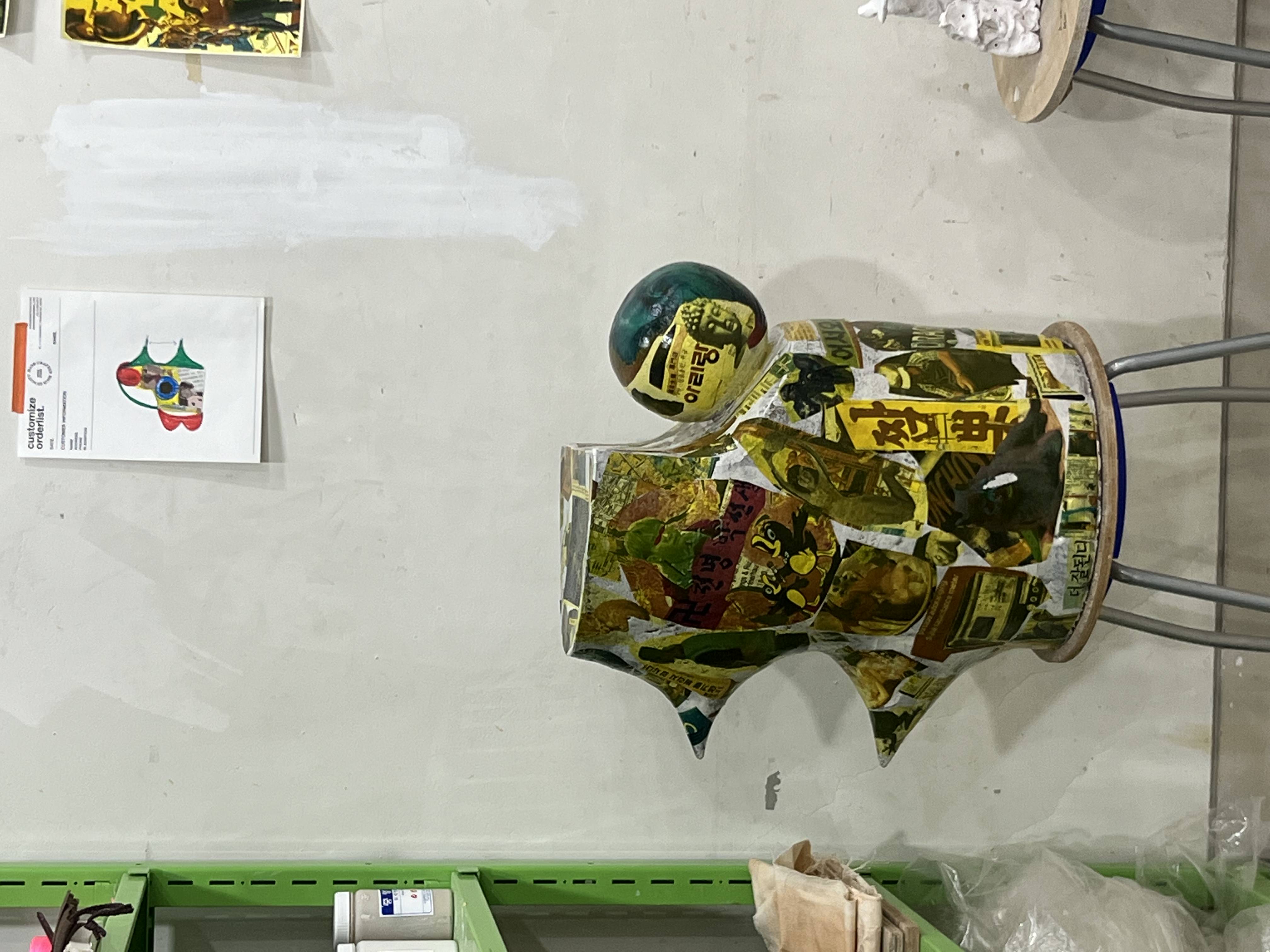
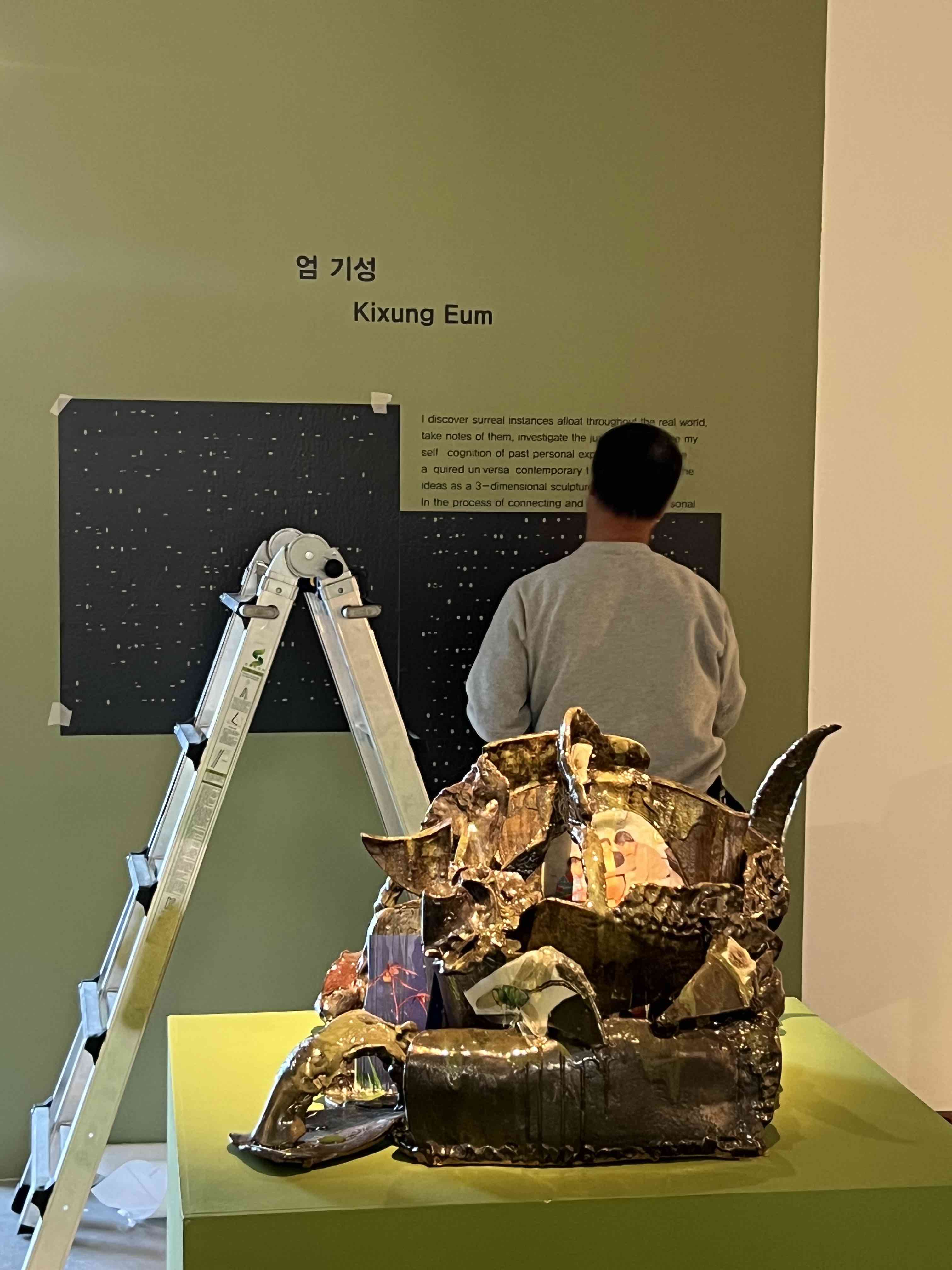
 A Giant Black Sculpture - The Trenscendet Experience / Ceramics, Kanthal, Resin, Paper, 61x63x56cm, 2023
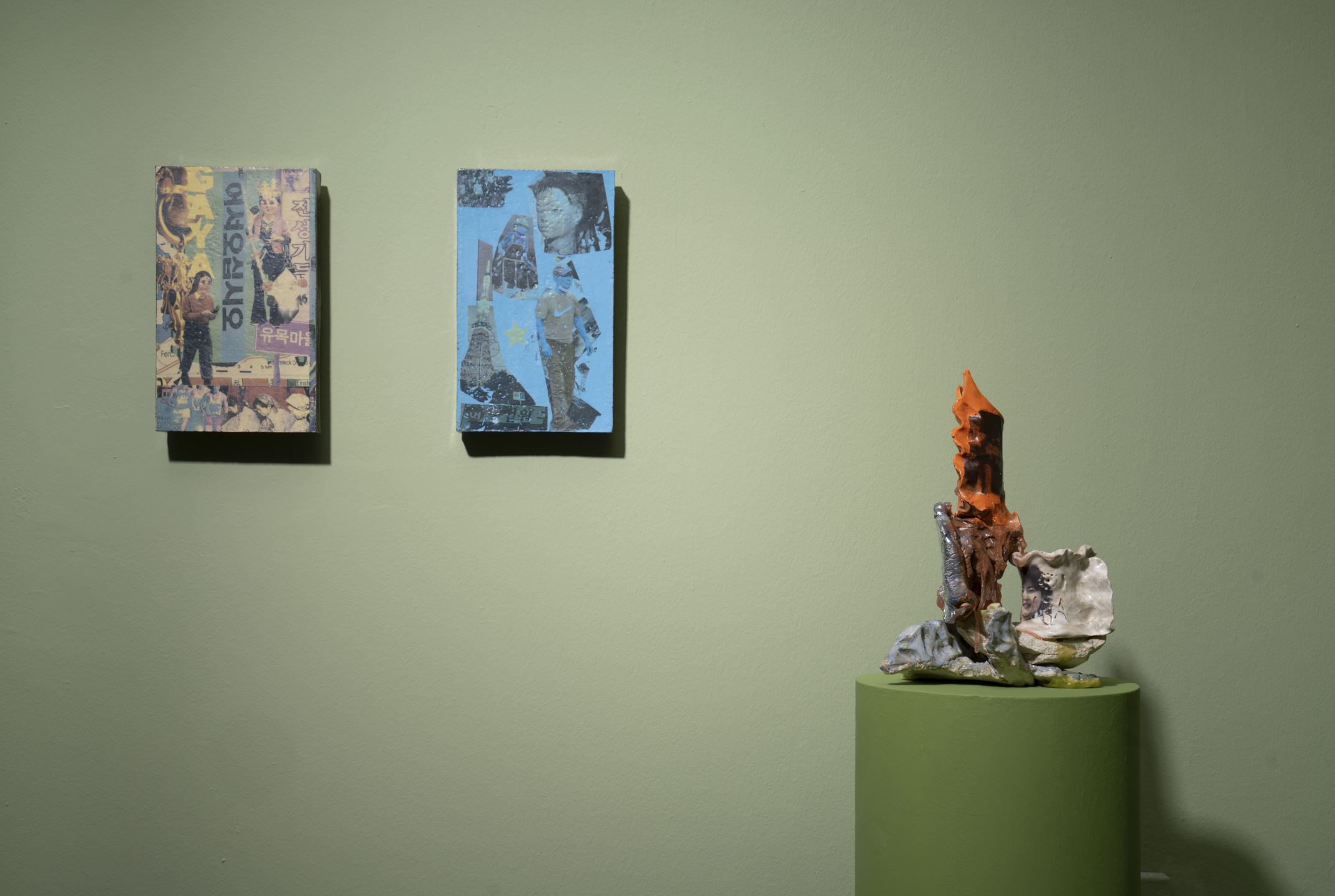
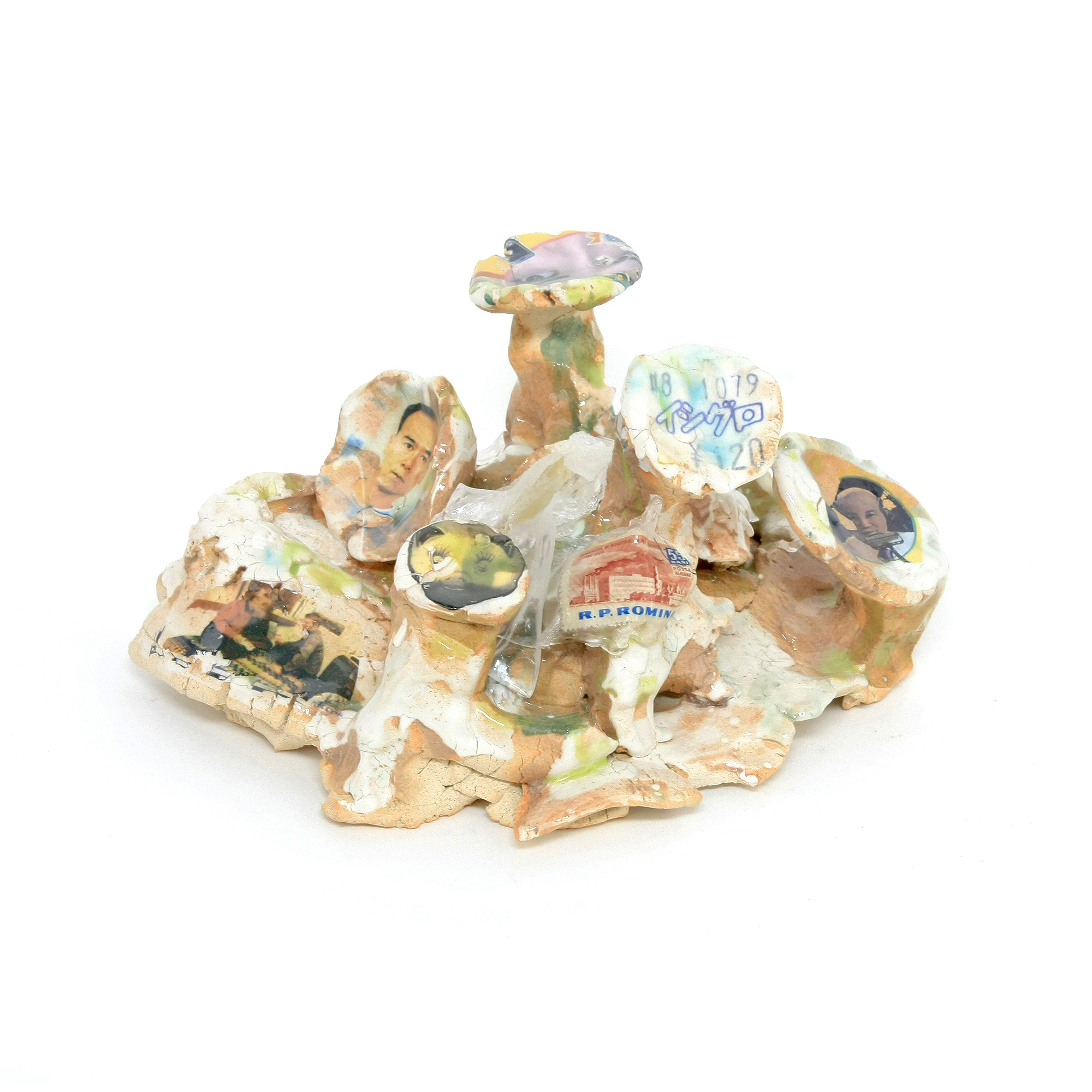 Collected Image Pieces - Only Mountains / Ceramics, Kanthal, Resin, Paper, 25x18x22cm, 2023
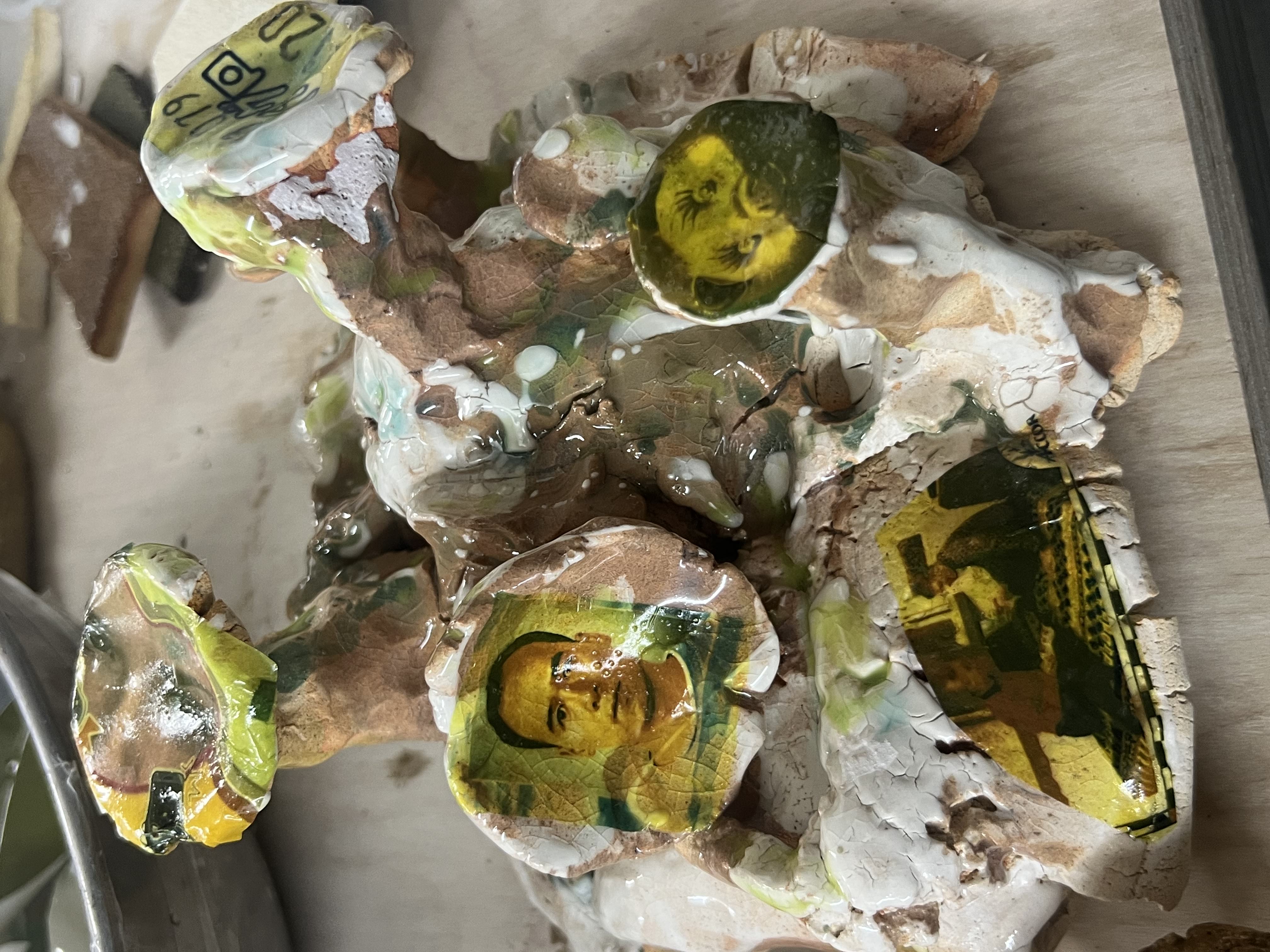
 Collected Image Pieces - Gimhae Dongsang-dong / Ceramics, Digital ceramic decal, Resin, 25x18x22cm, 2023
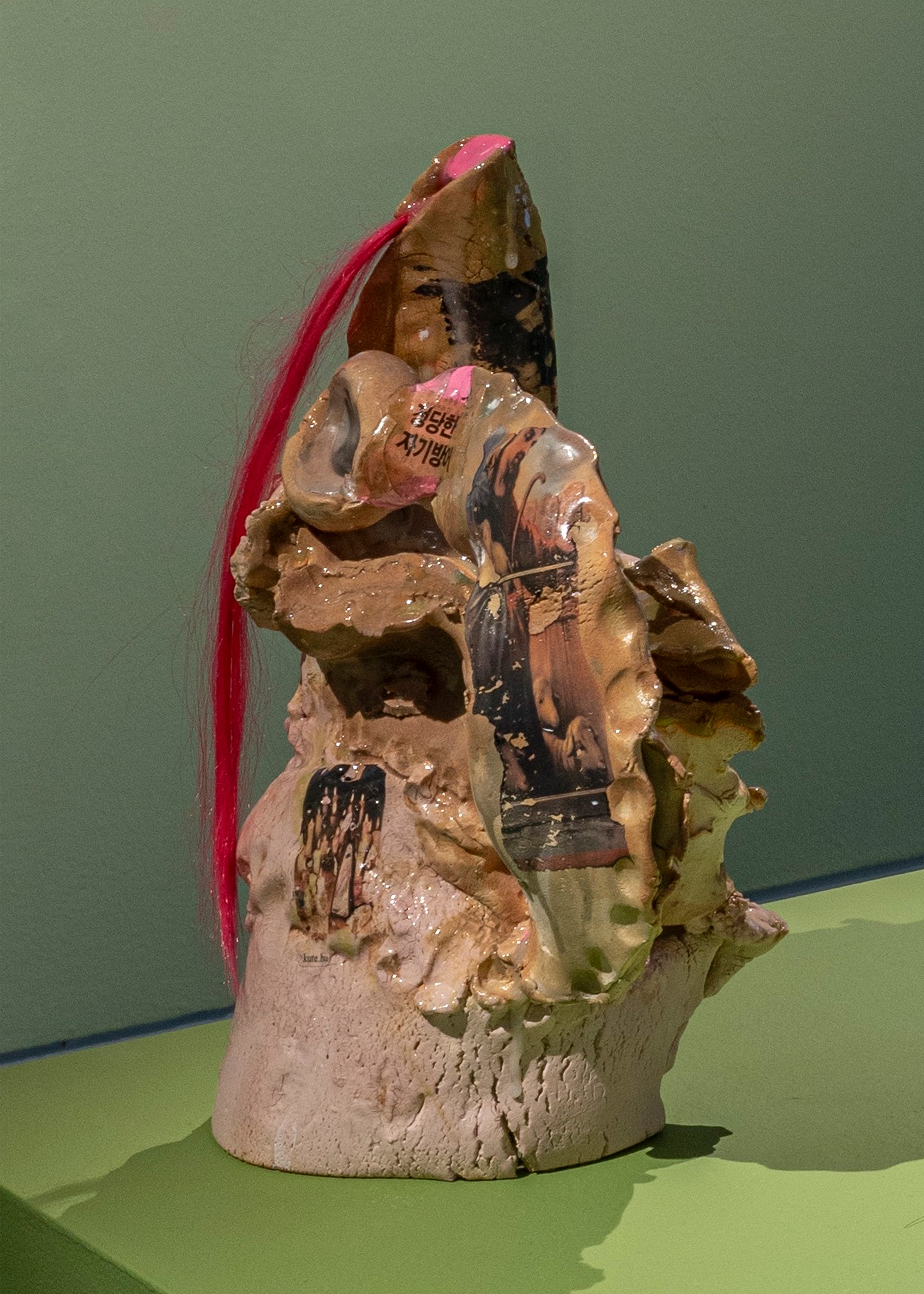
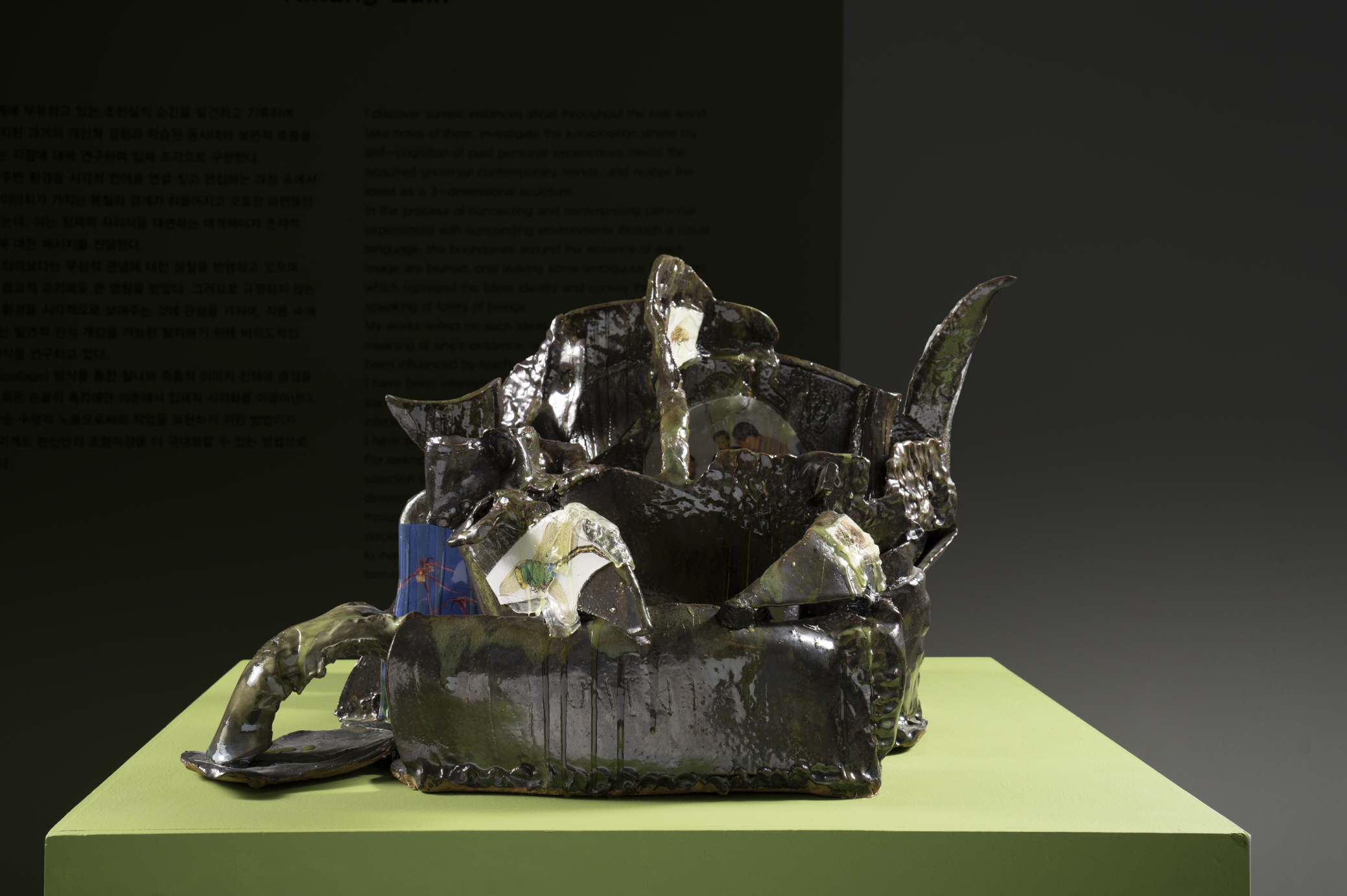 A Giant Green Sculpture - The Trenscendet Experience / Ceramics, Kanthal, Resin, Paper, 65x75x47cm, 2023
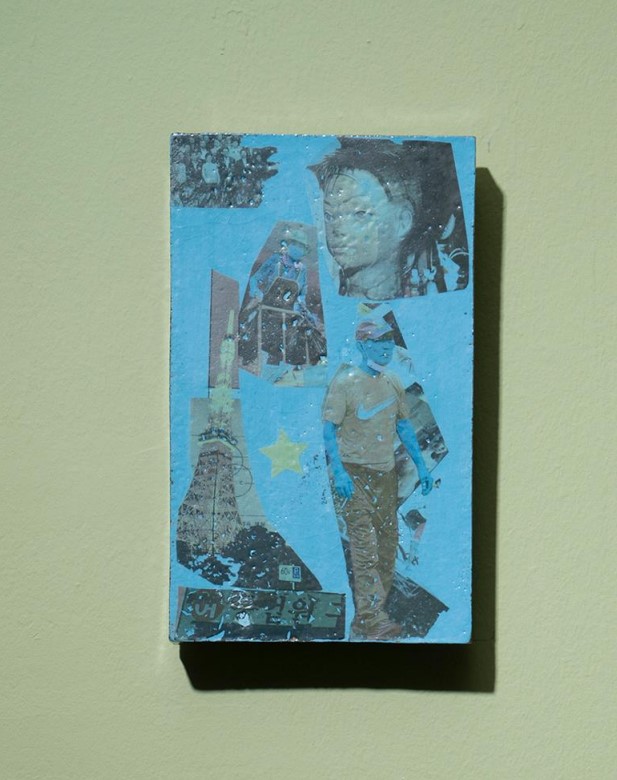 Collected Image Pieces - Blue Tokyo / Ceramics, Digital ceramic decal, 21x34cm, 2023
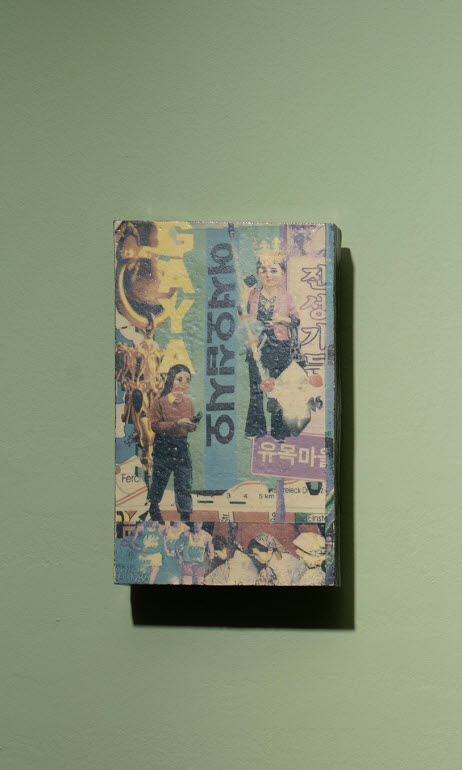 Collected Image Pieces - Welcome to Gaya / Ceramics, Digital ceramic decal, 21x34cm, 2023
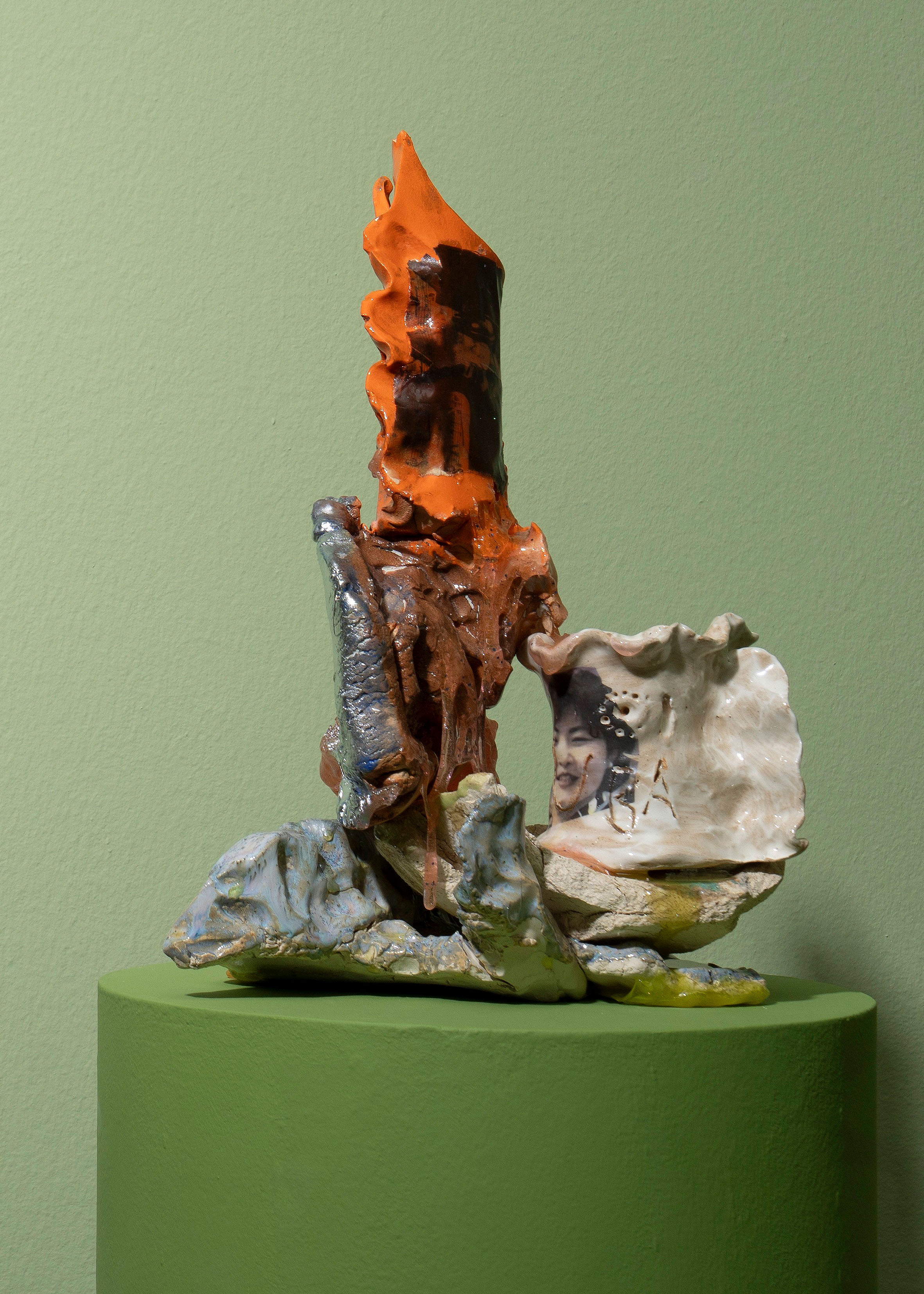 Collected Image Pieces - Flower / Ceramics, Digital ceramic decal, Resin, 22x17x38cm, 2023
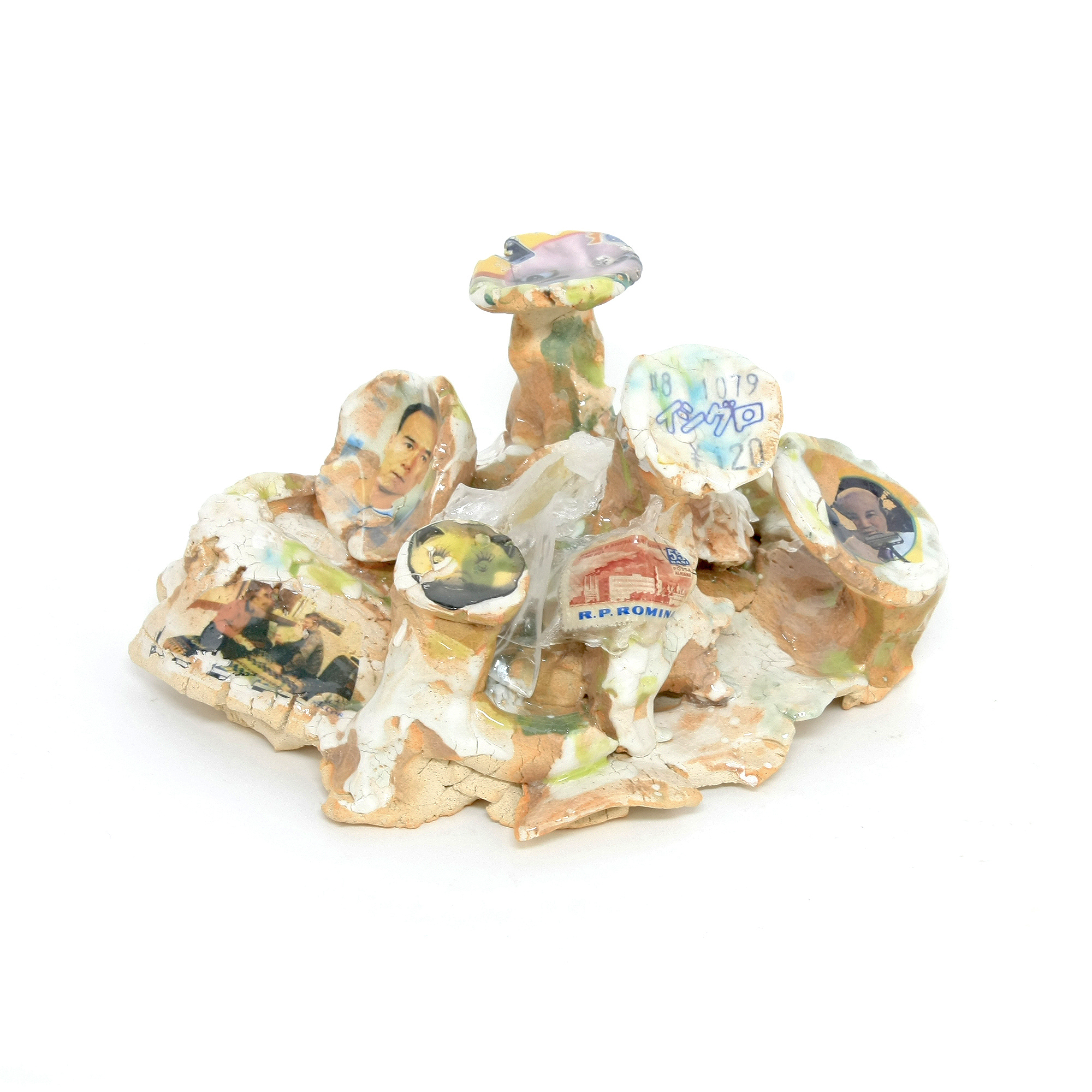 Collected Image Pieces - Untitled / Ceramics, Digital ceramic decal, Resin, 24x15x12cm, 2023
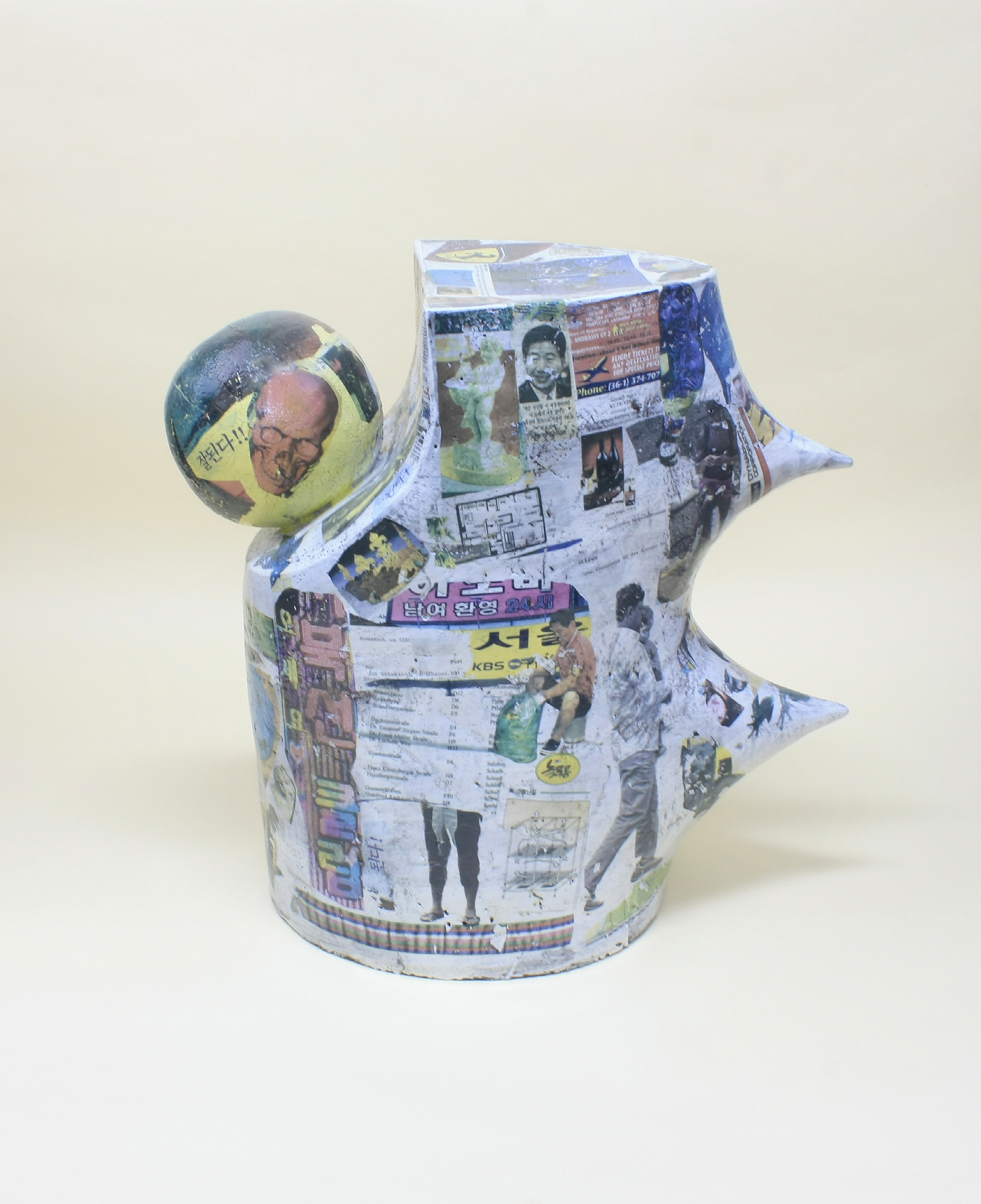 Collected Image Pieces - Untitled / Ceramics, Digital ceramic decal, 33x45x58cm, 2023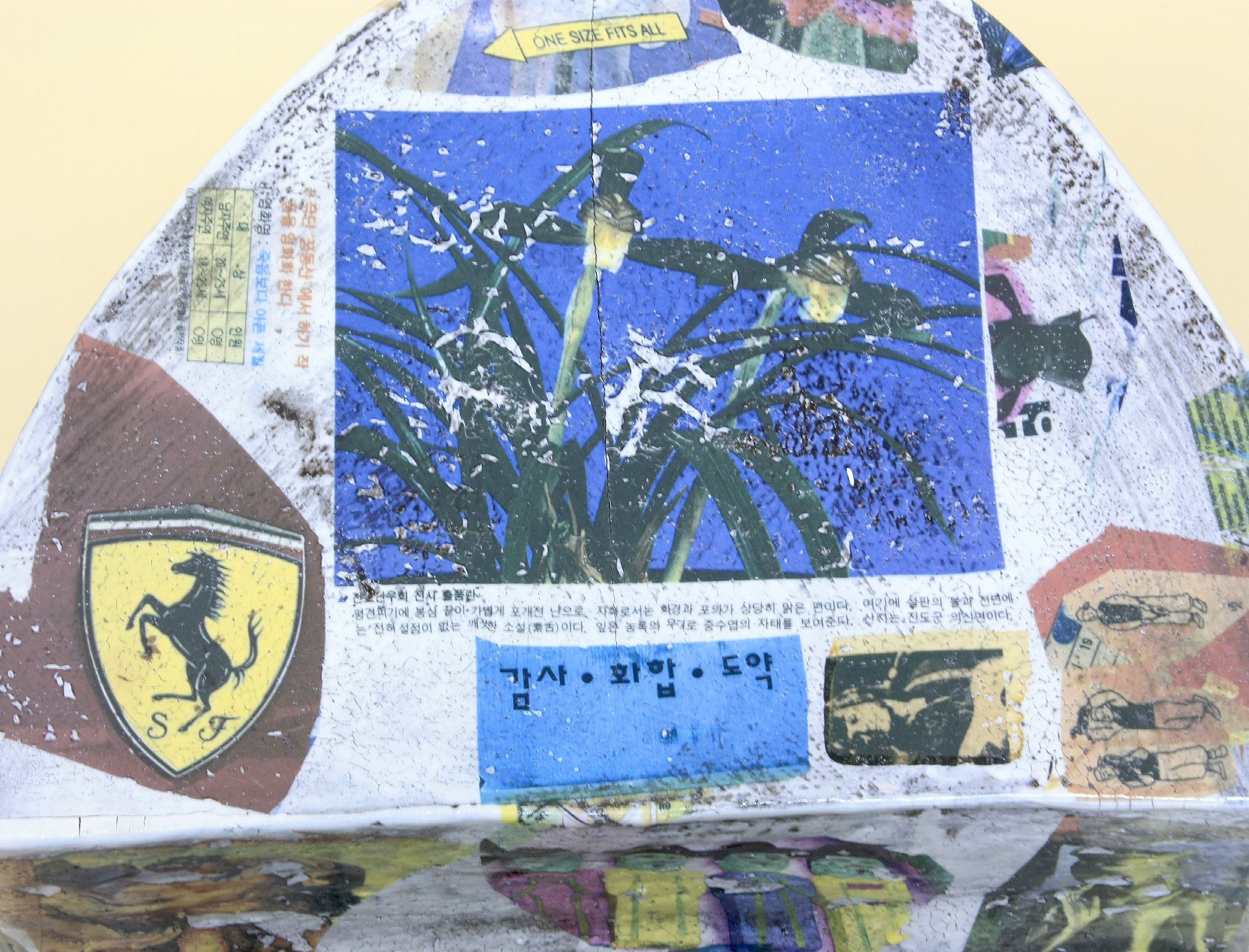
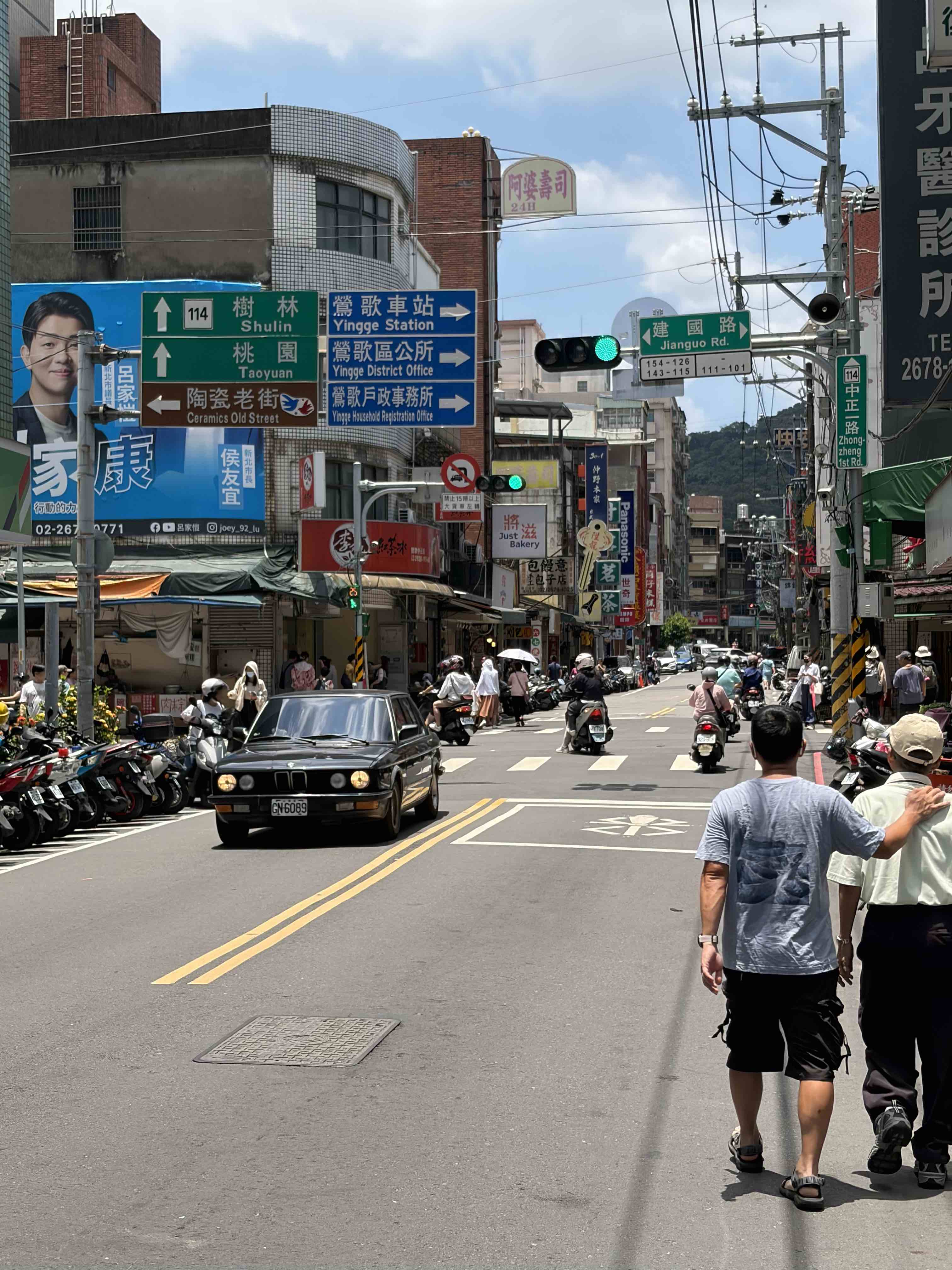
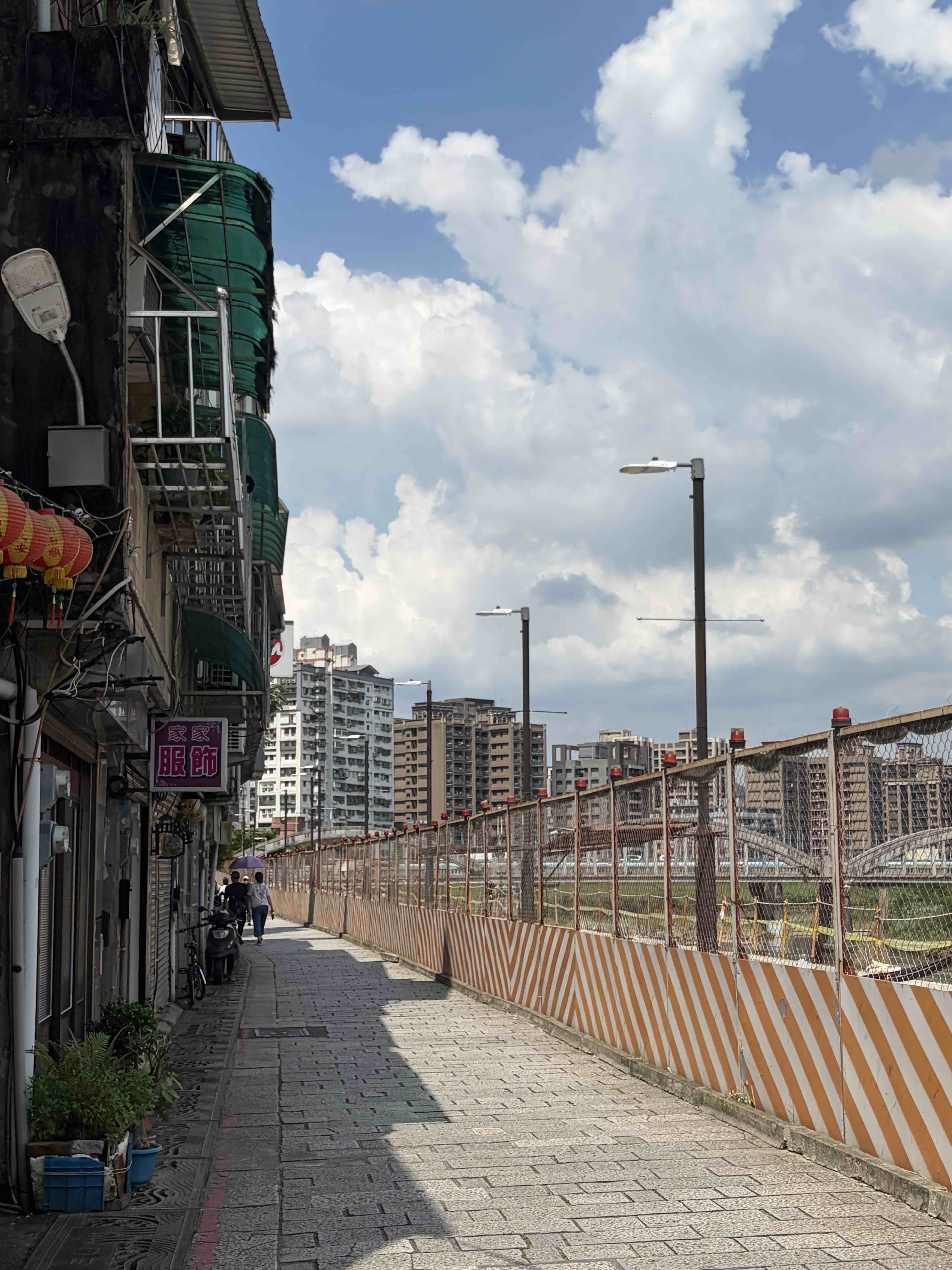
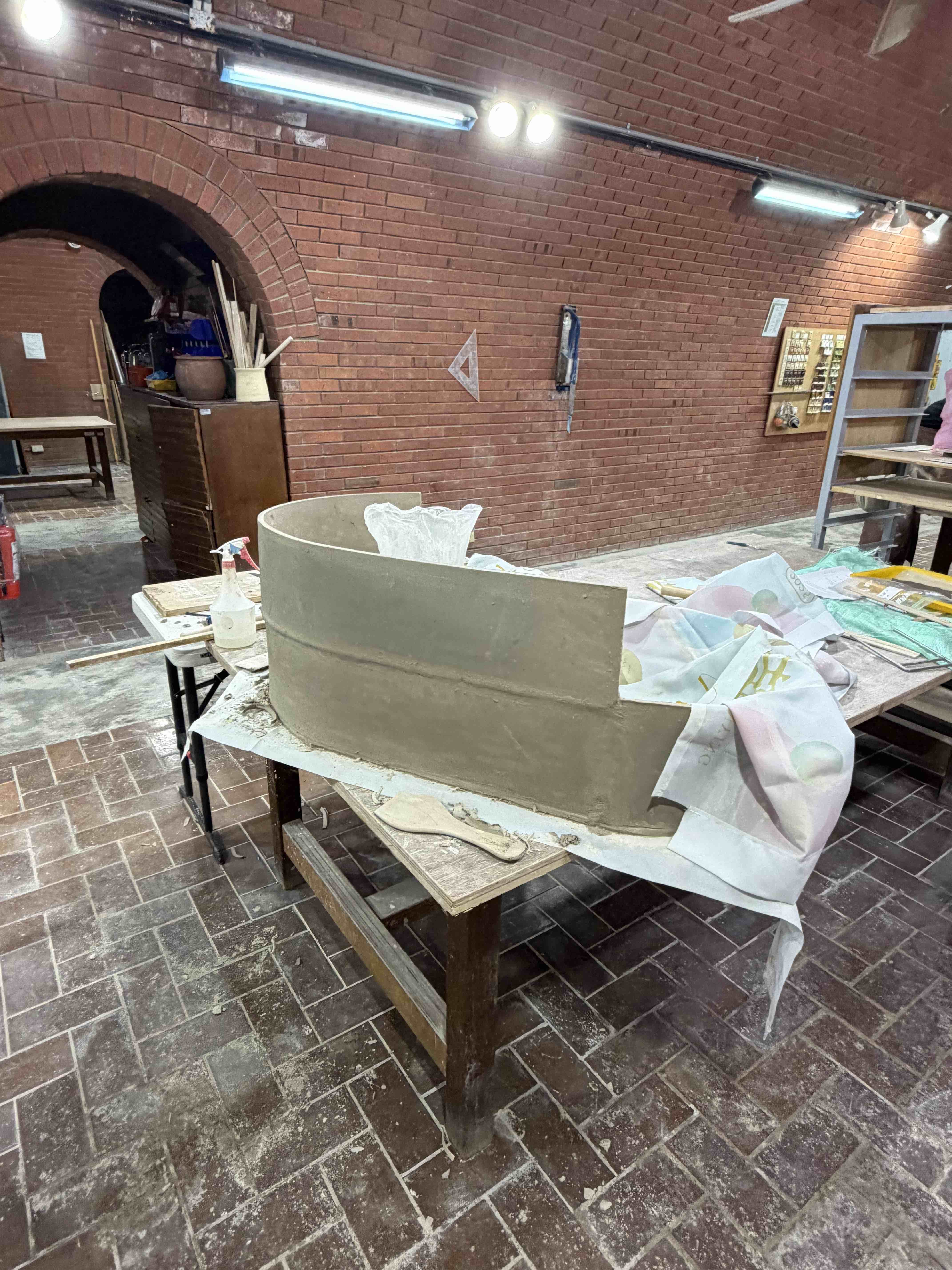
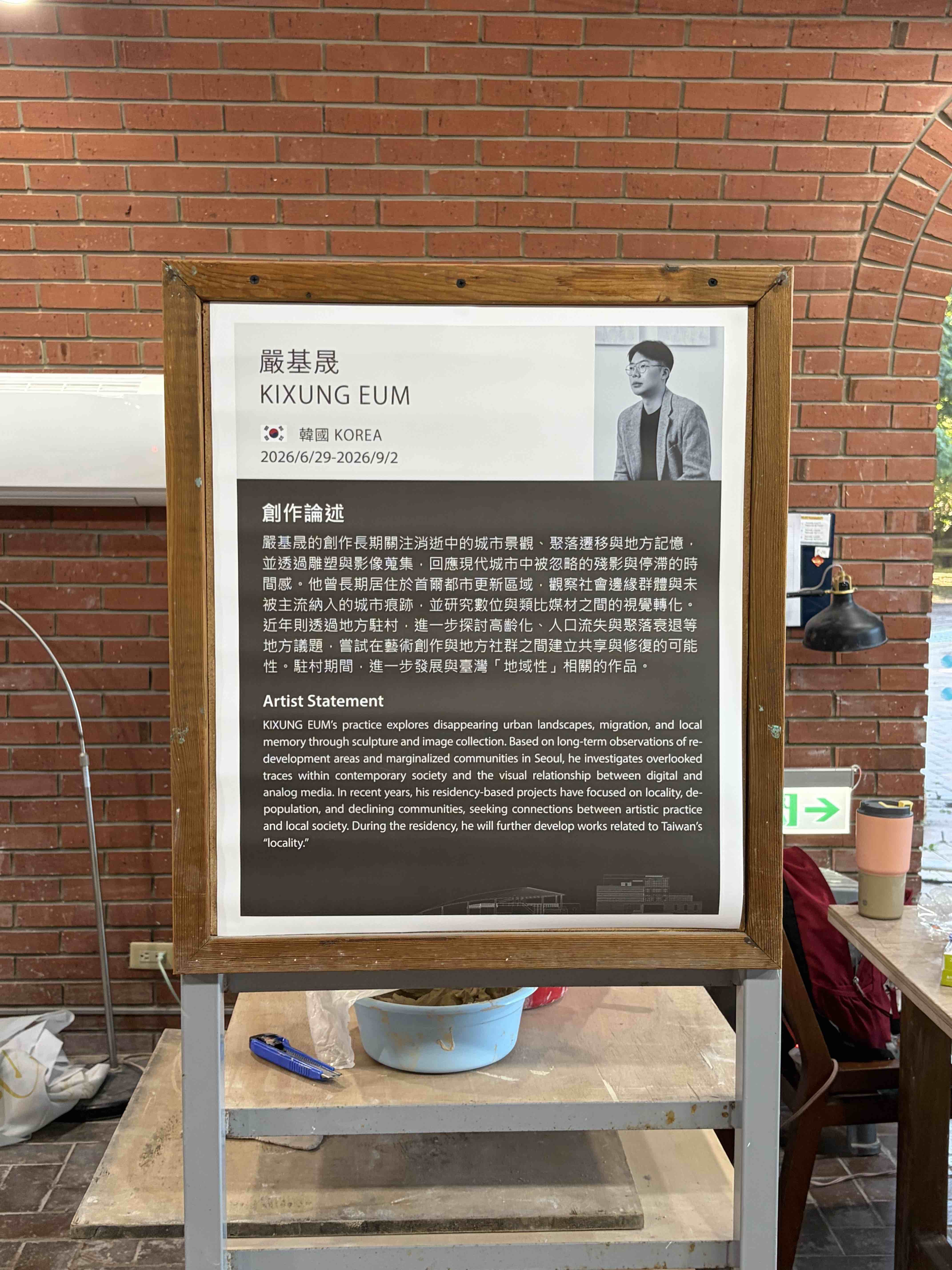
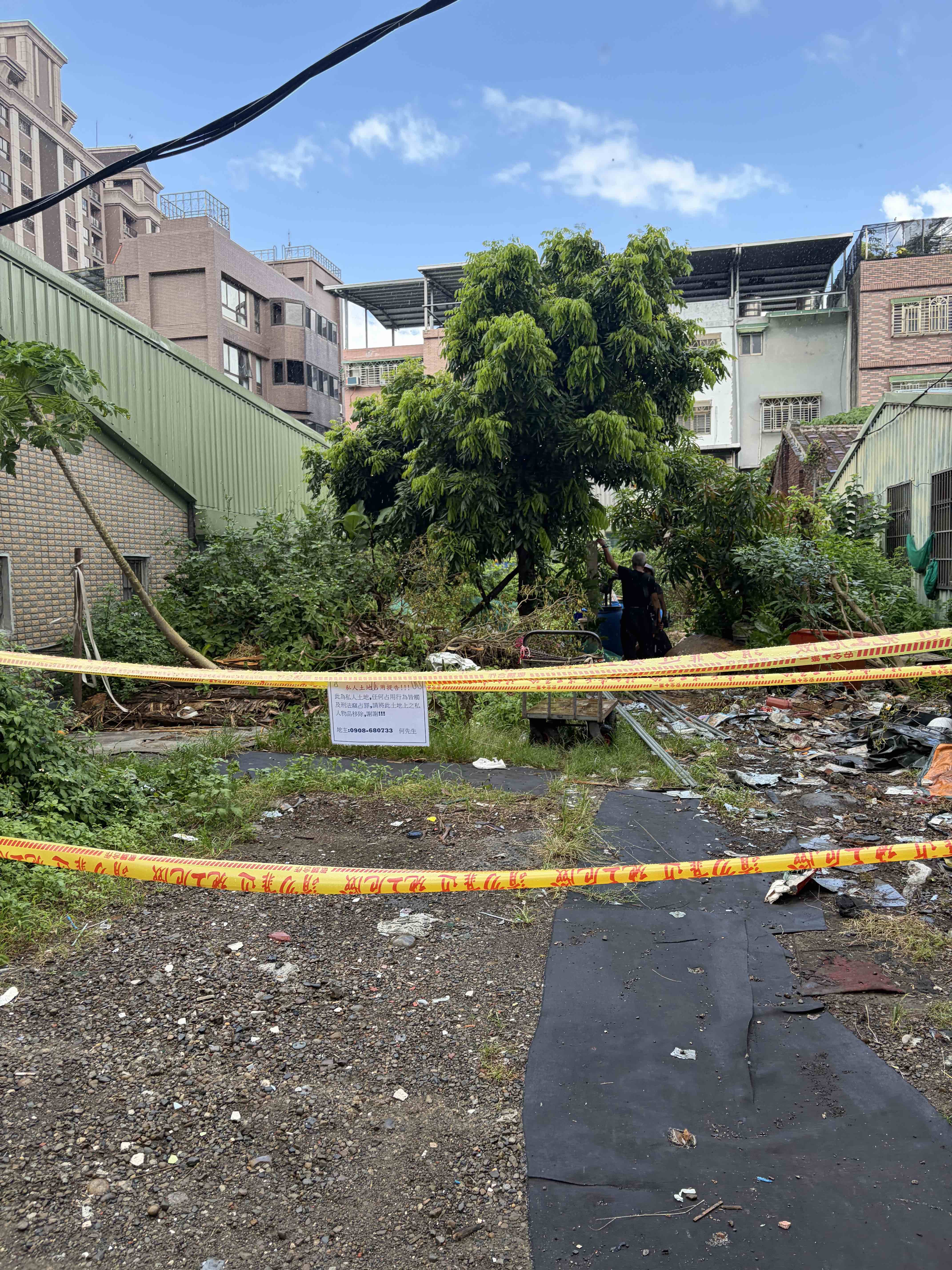
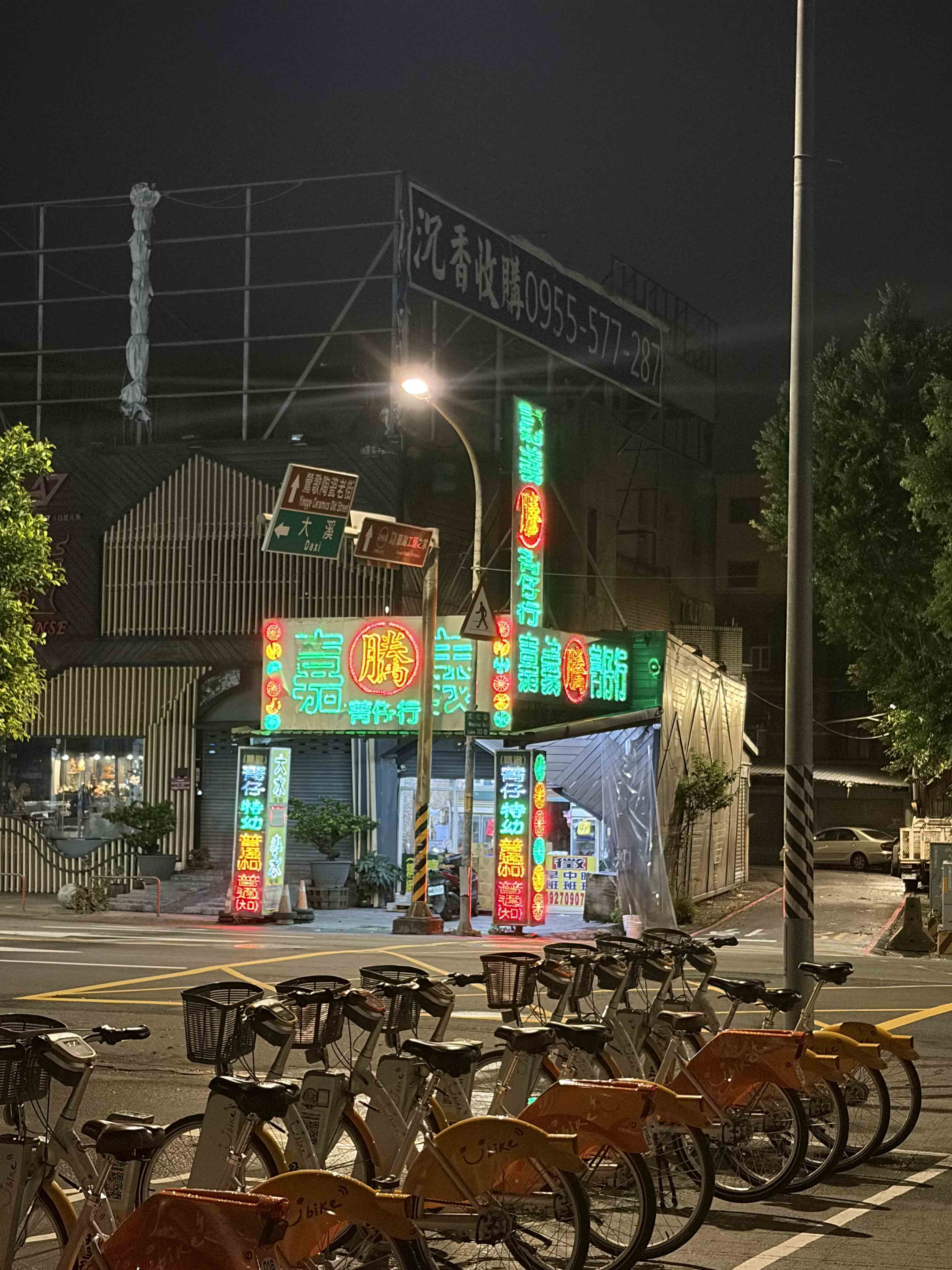
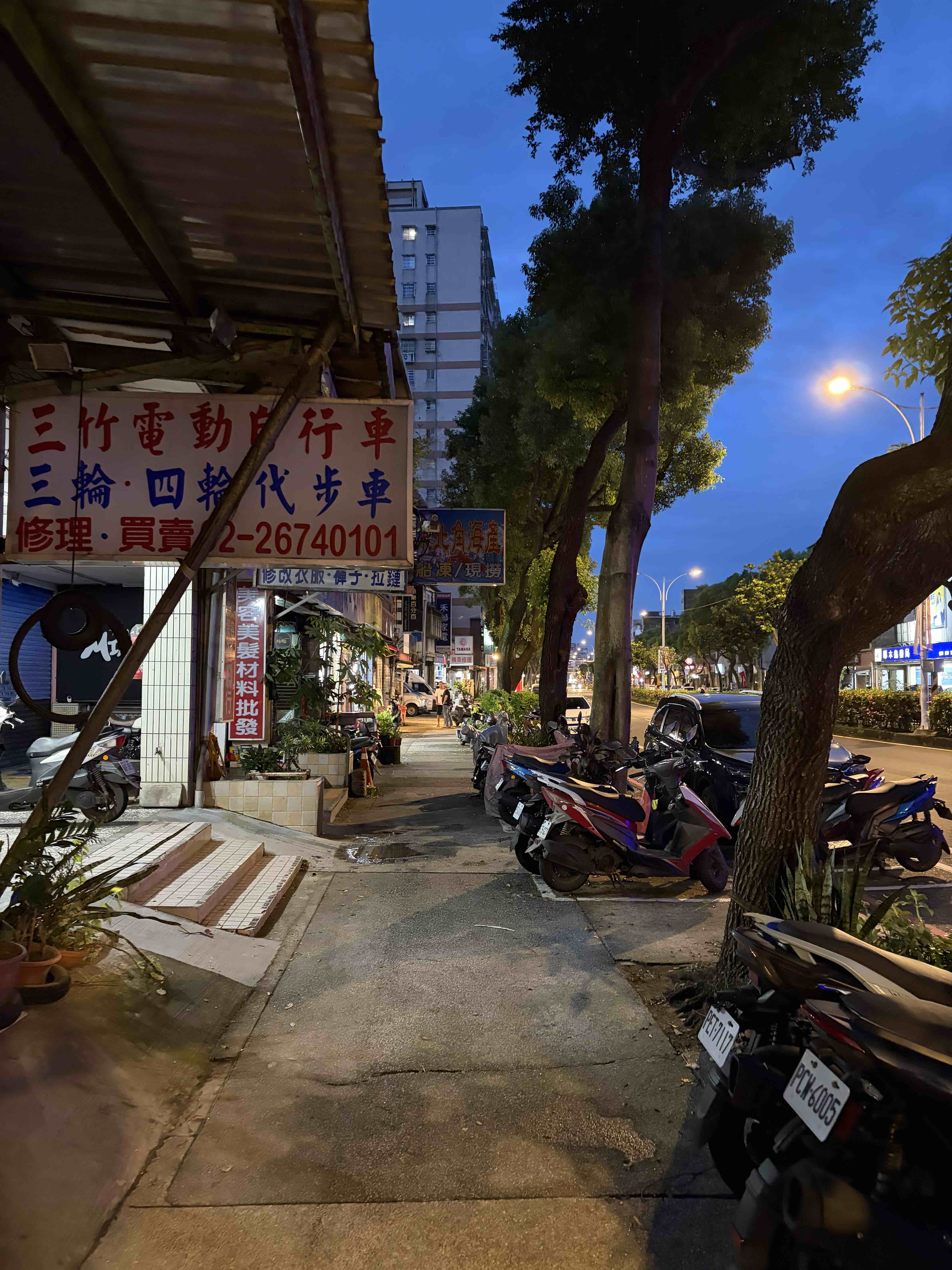
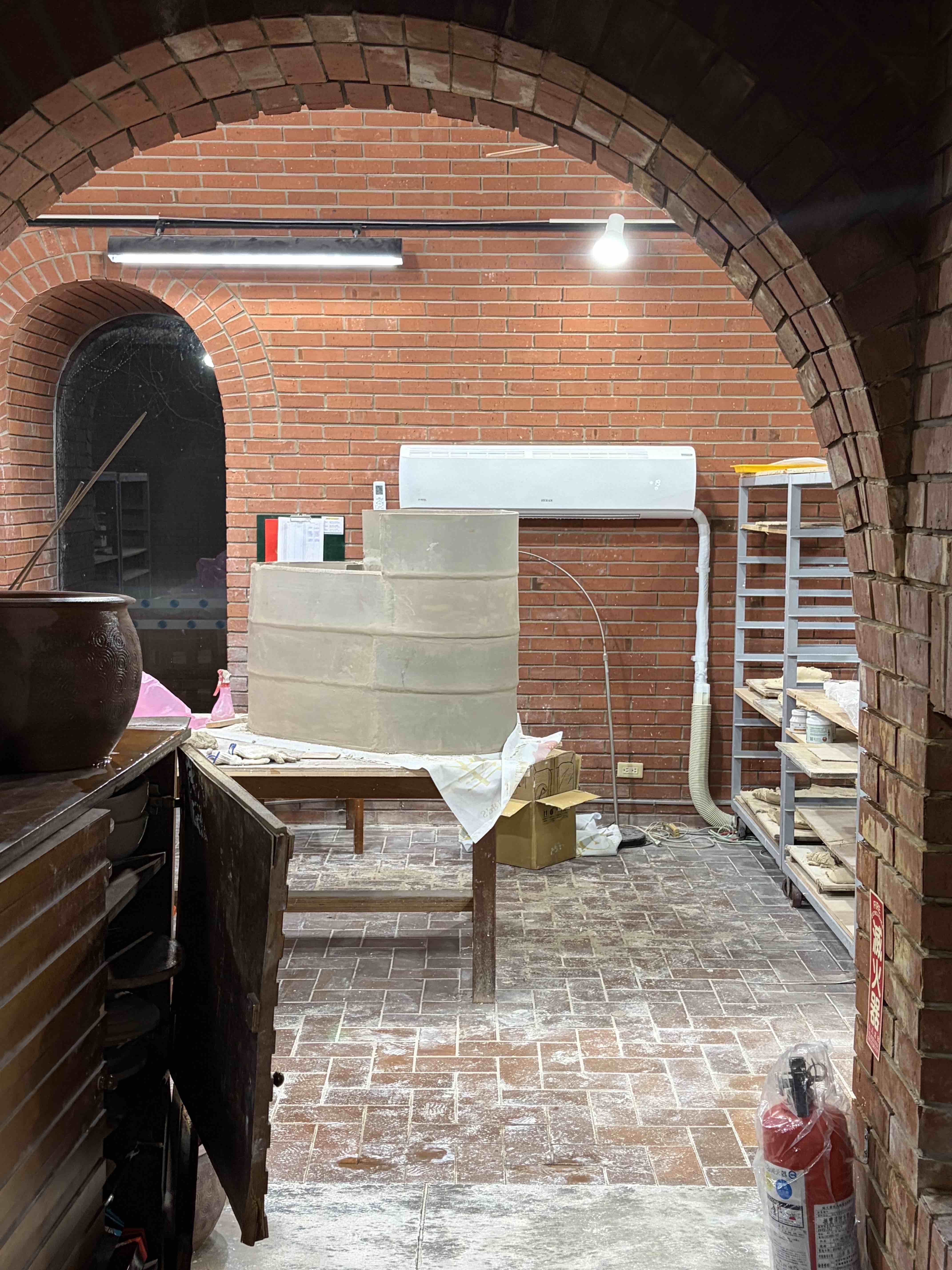
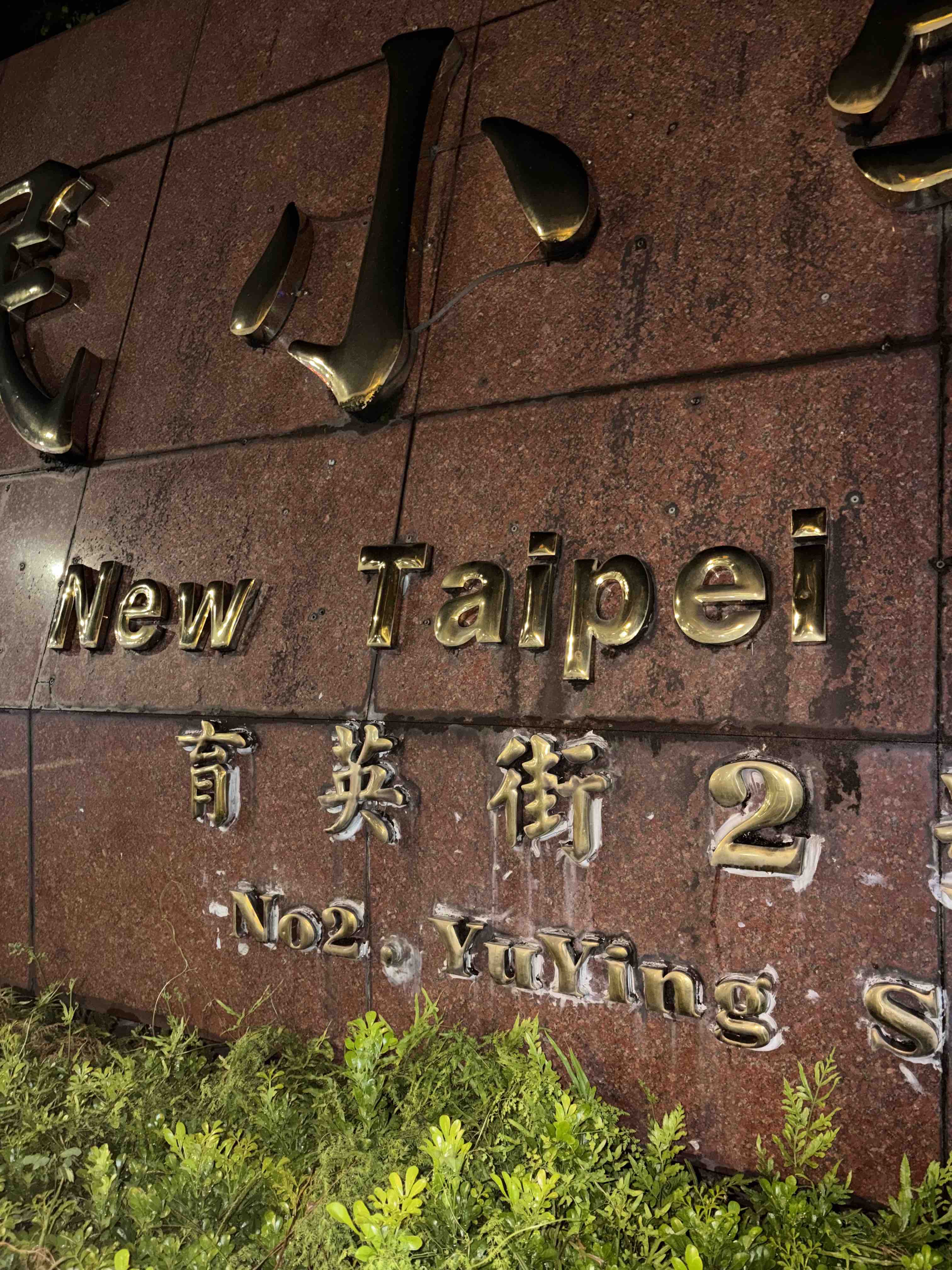
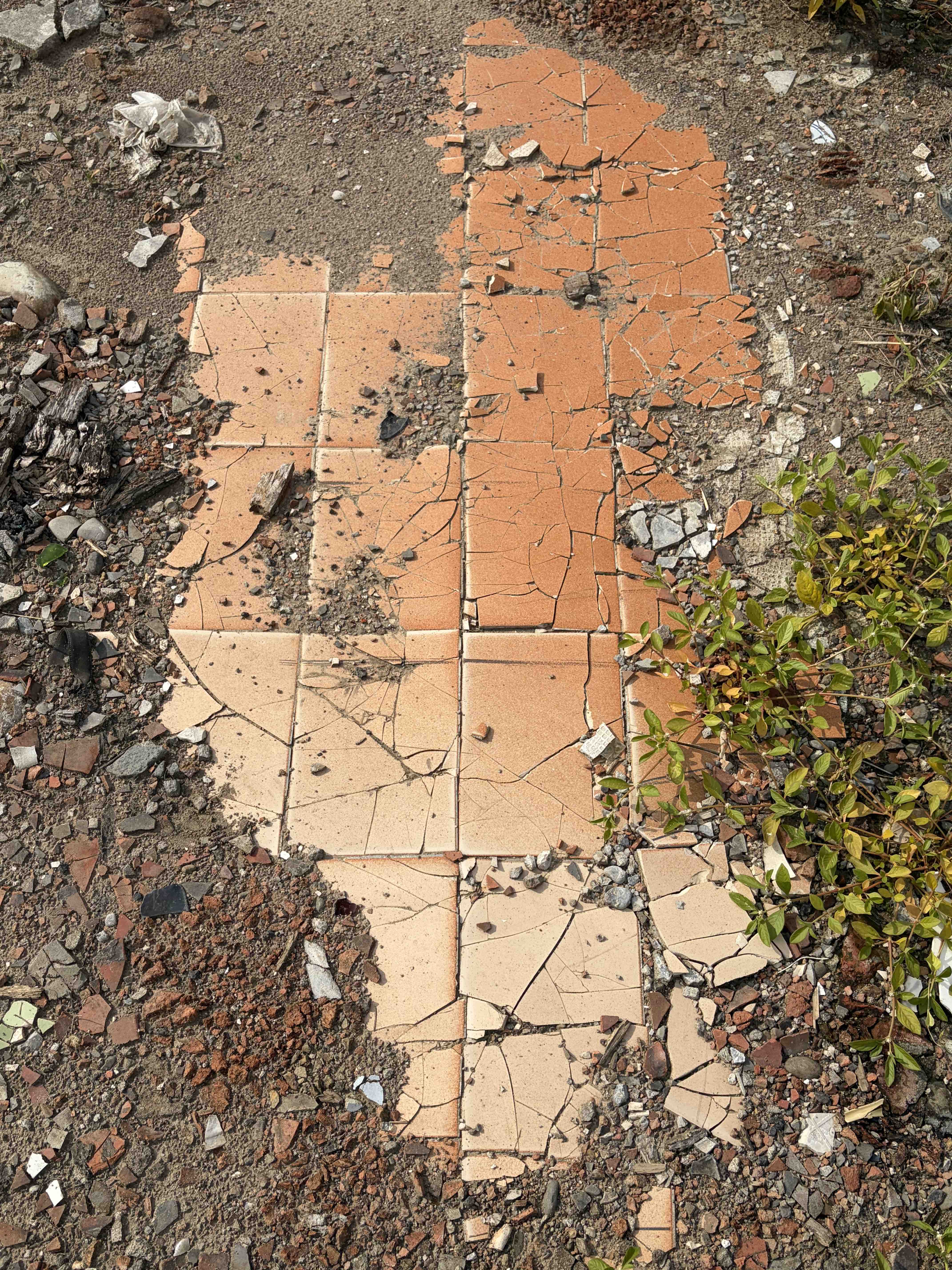
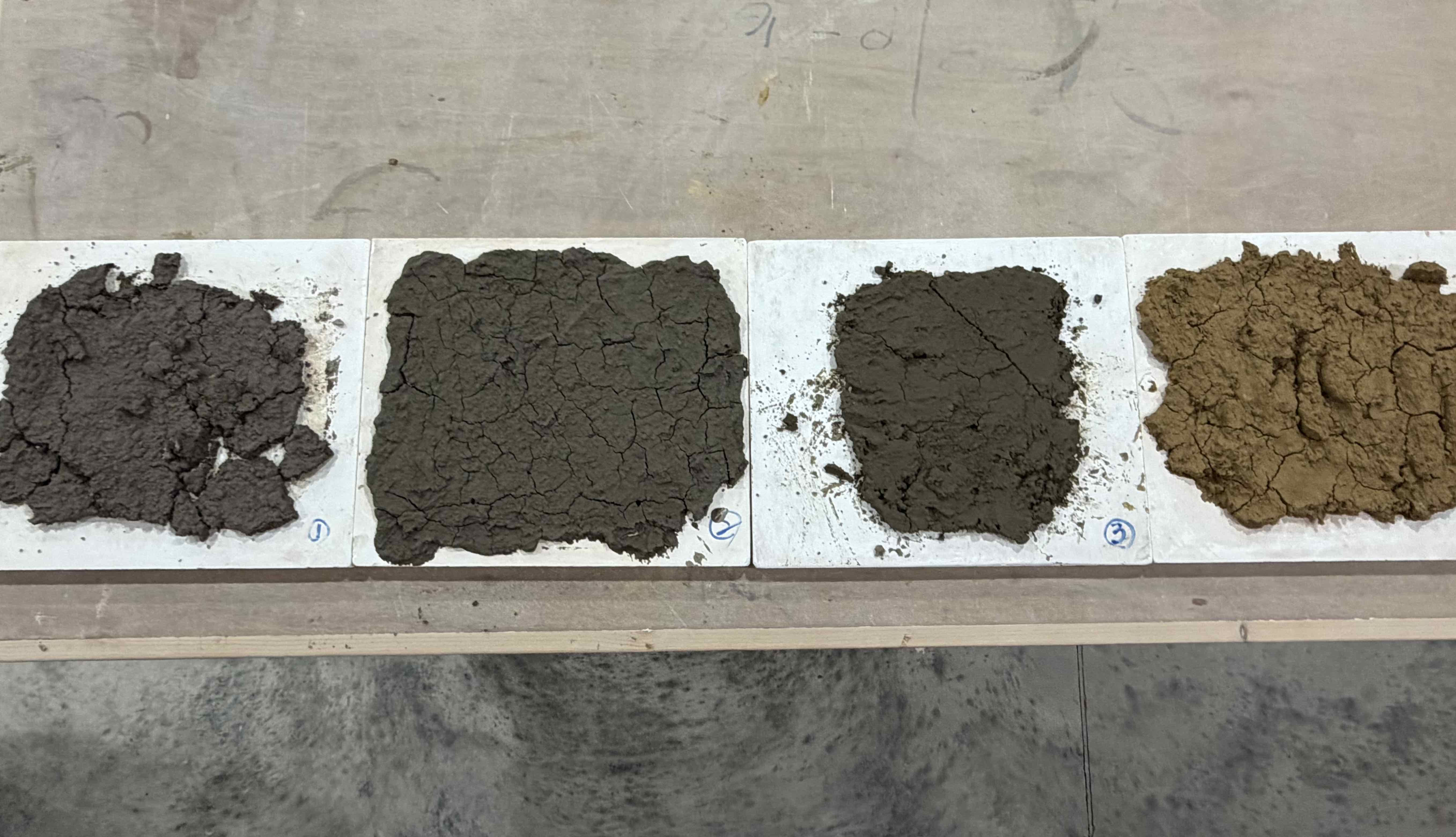
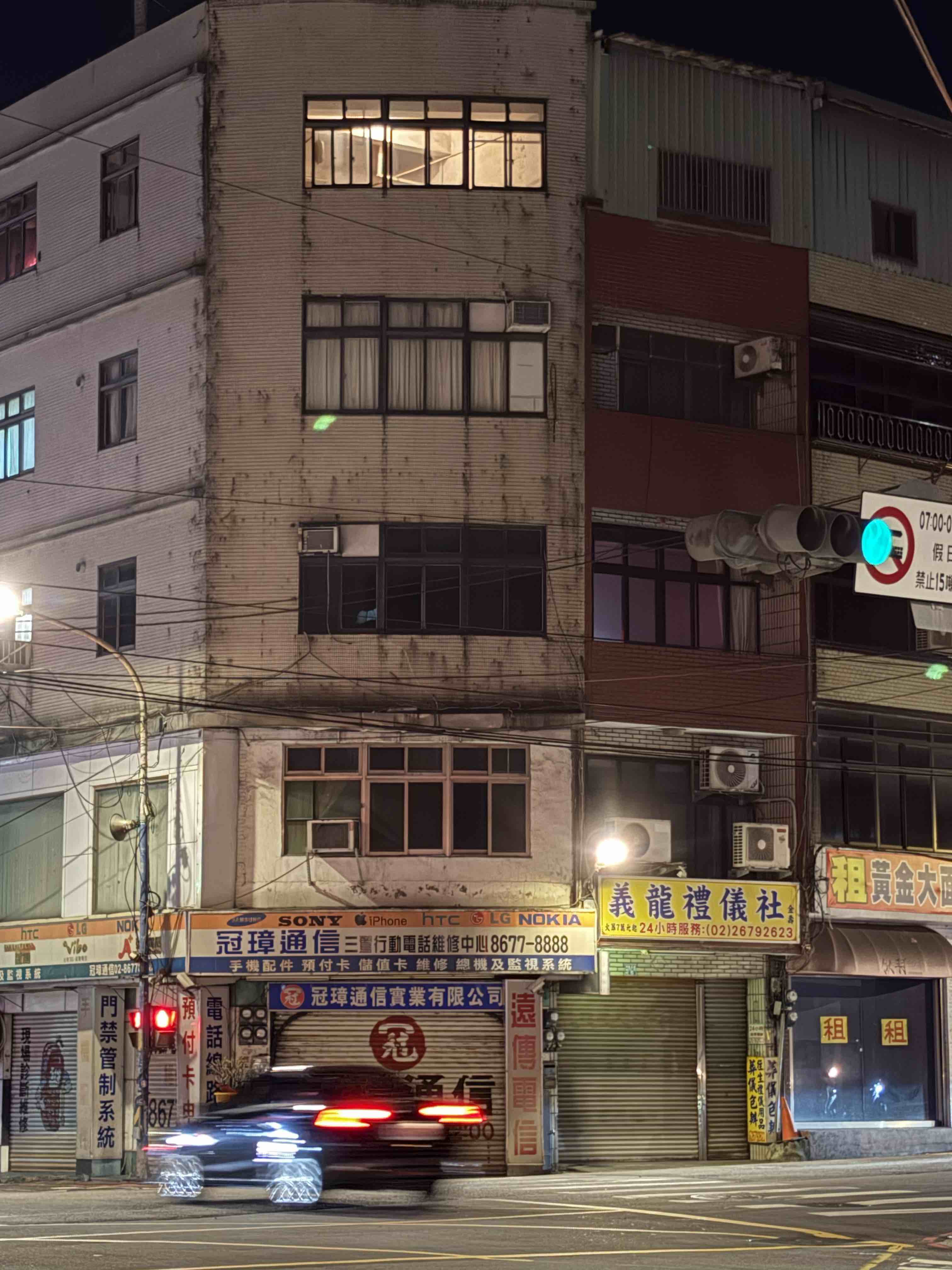
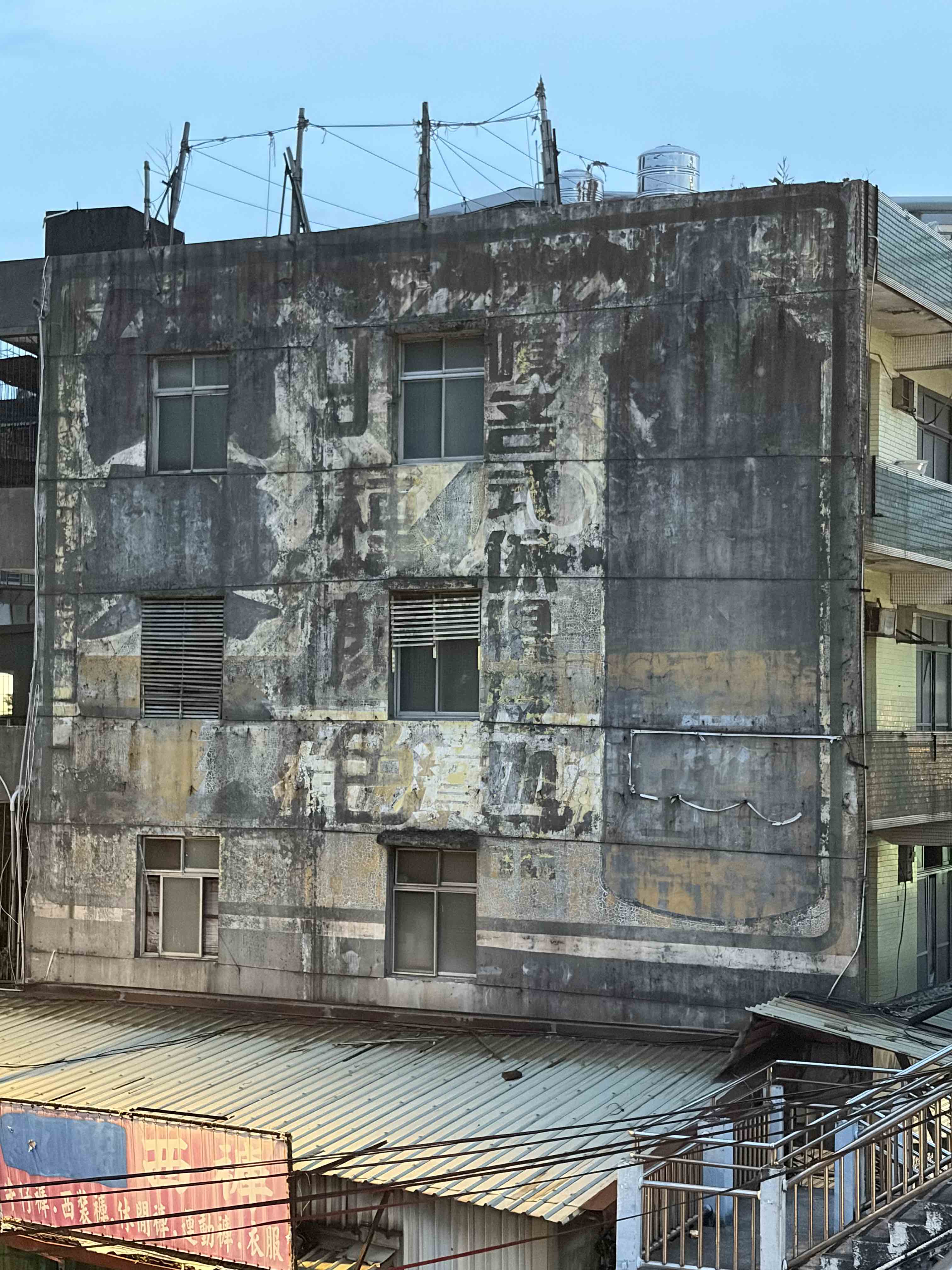
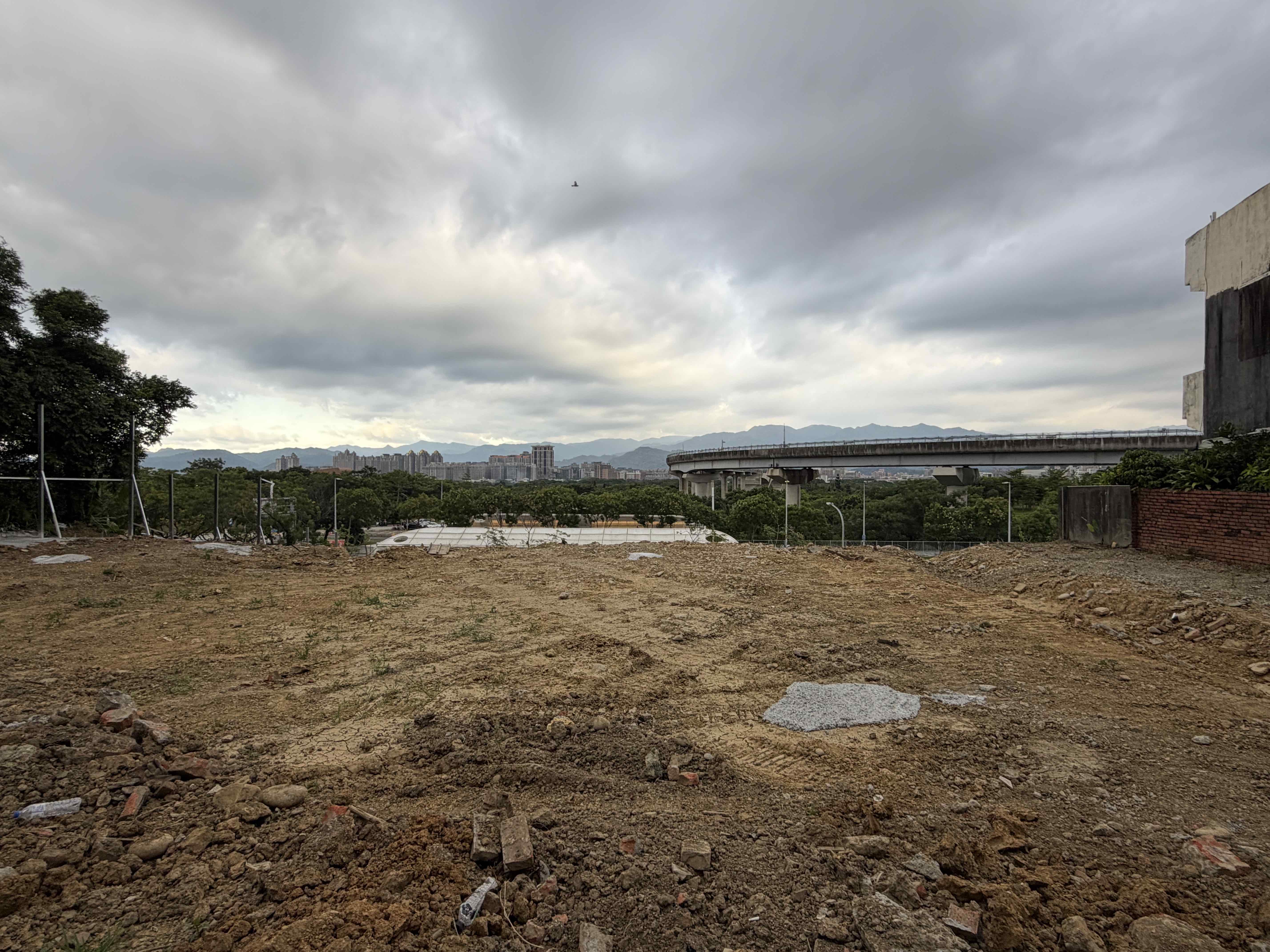
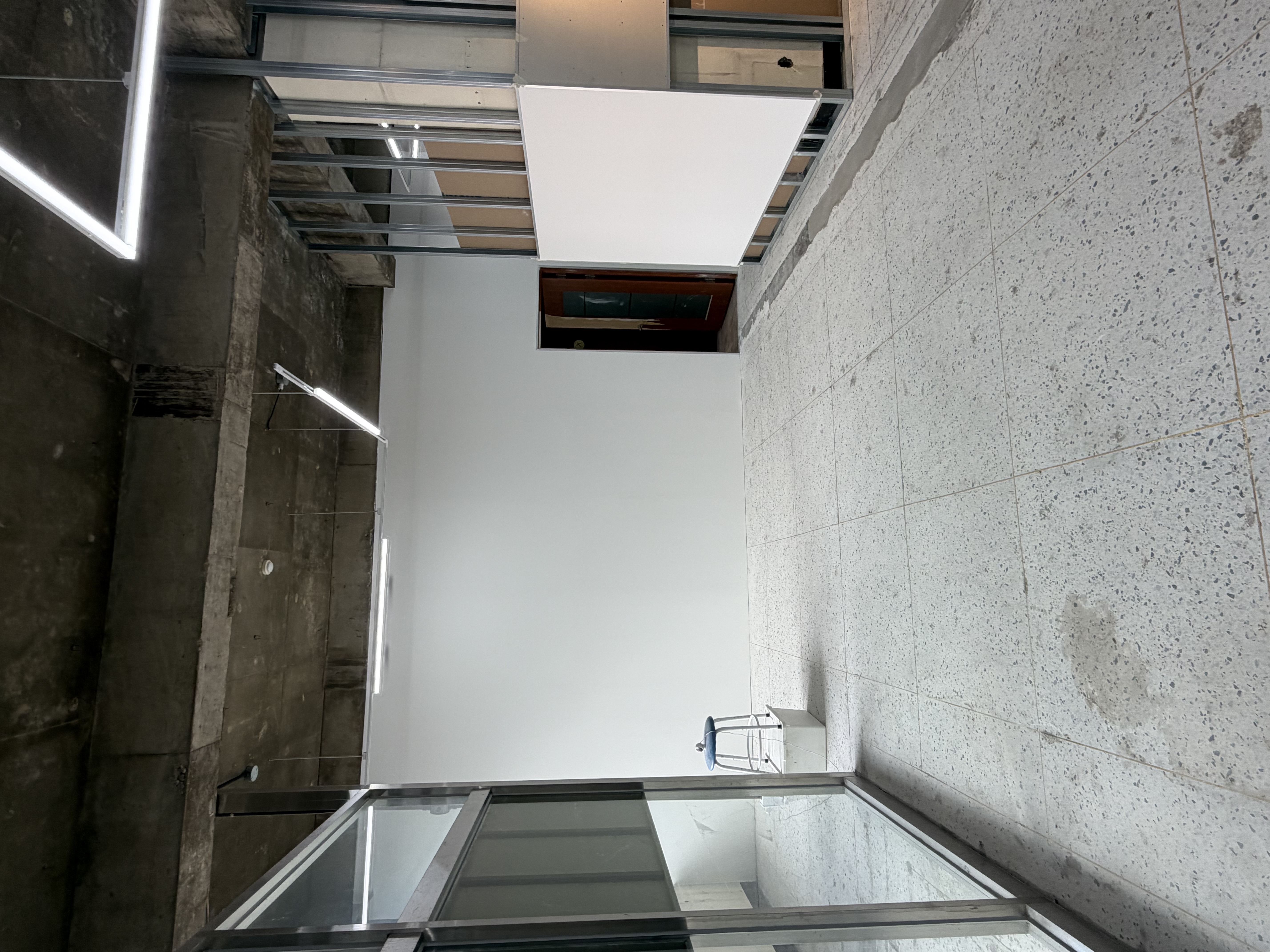
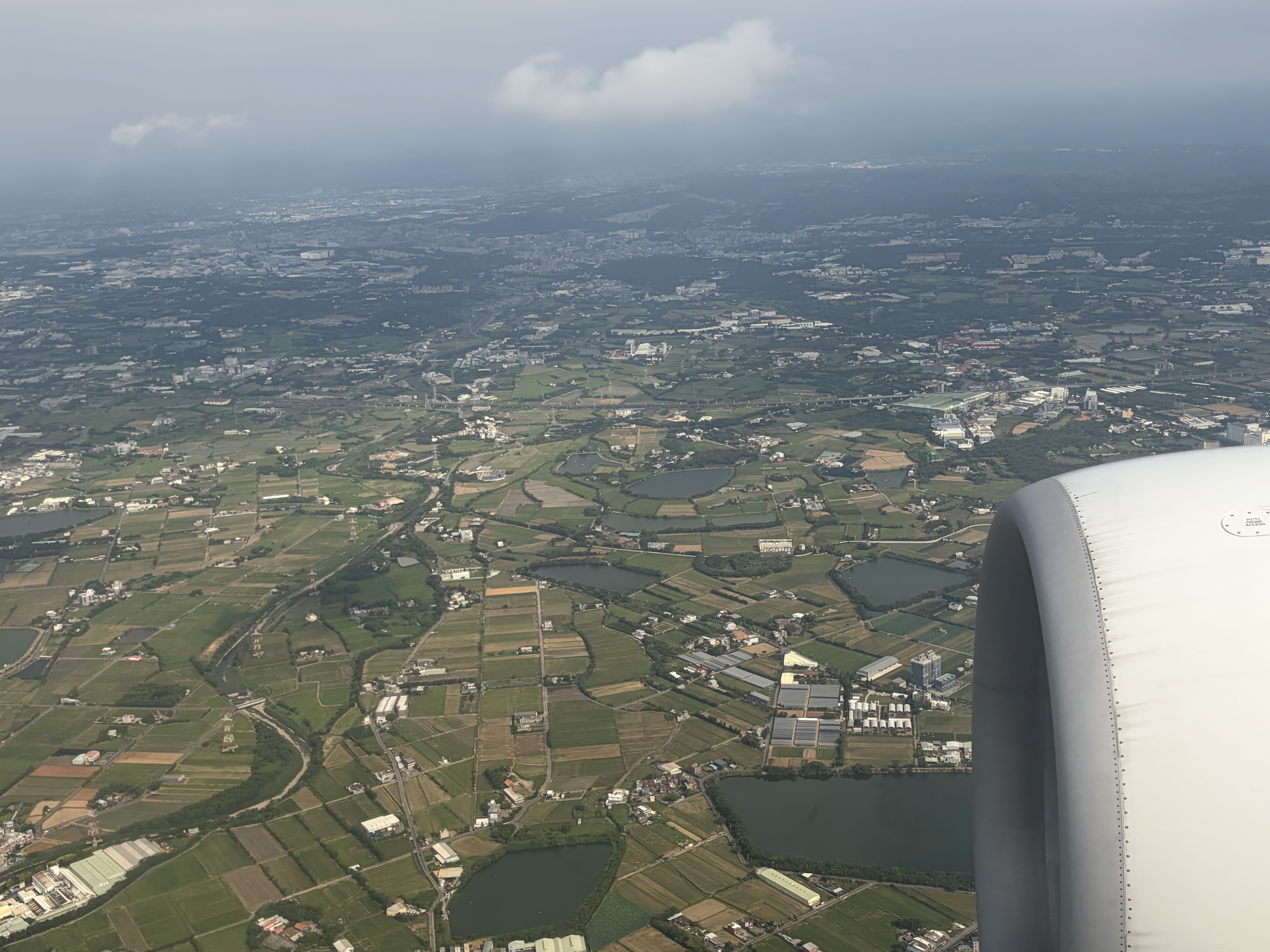
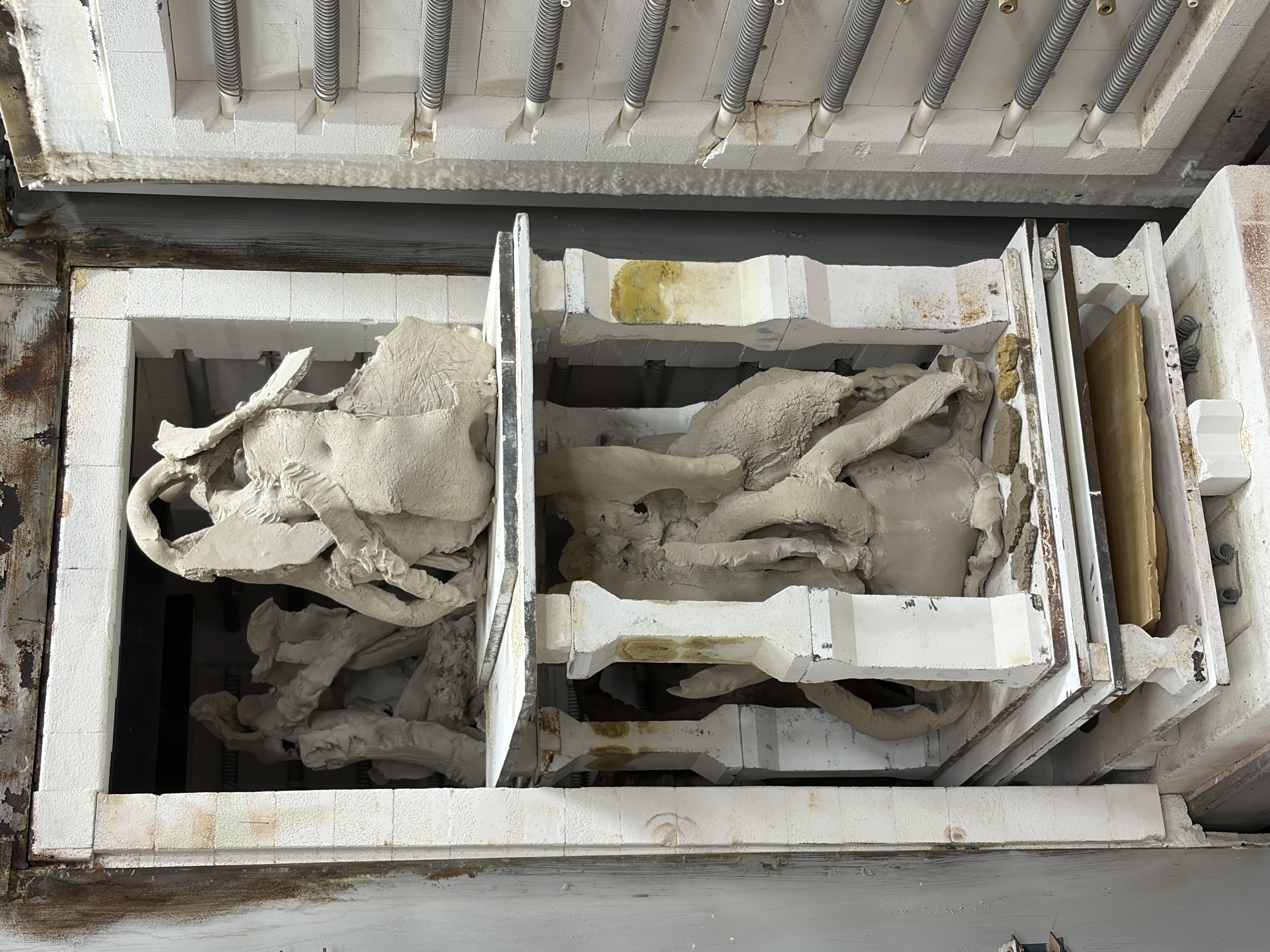
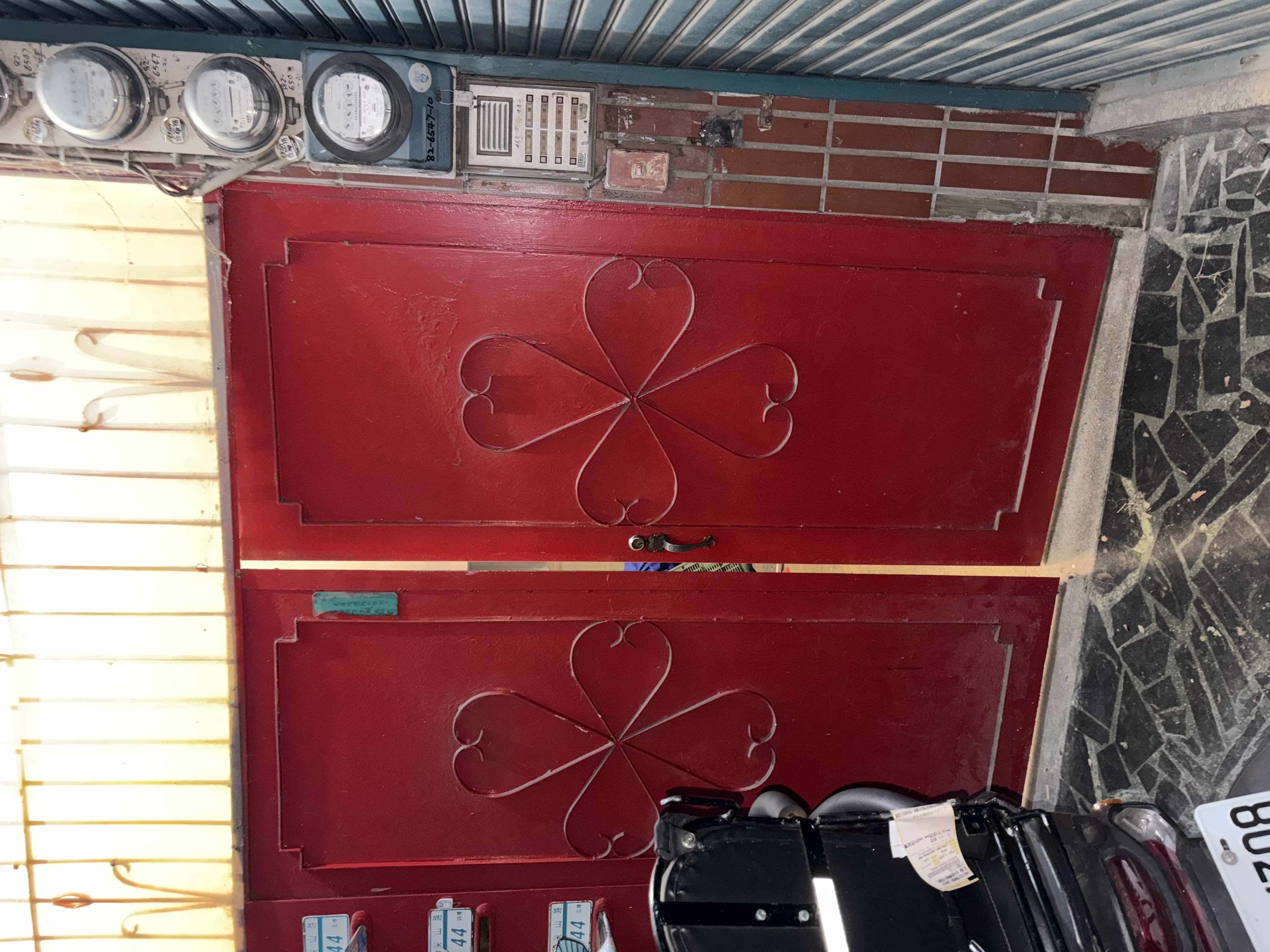
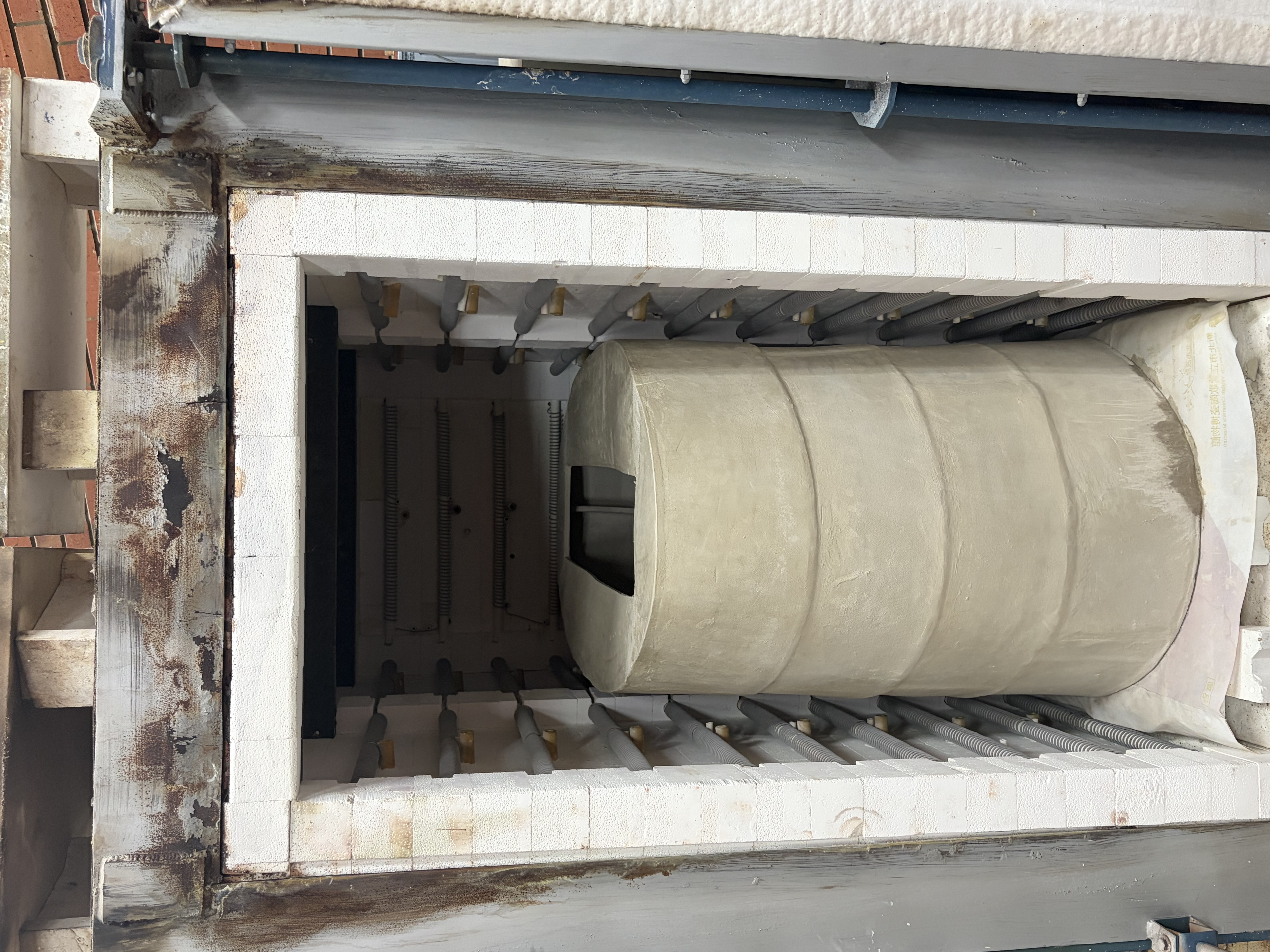
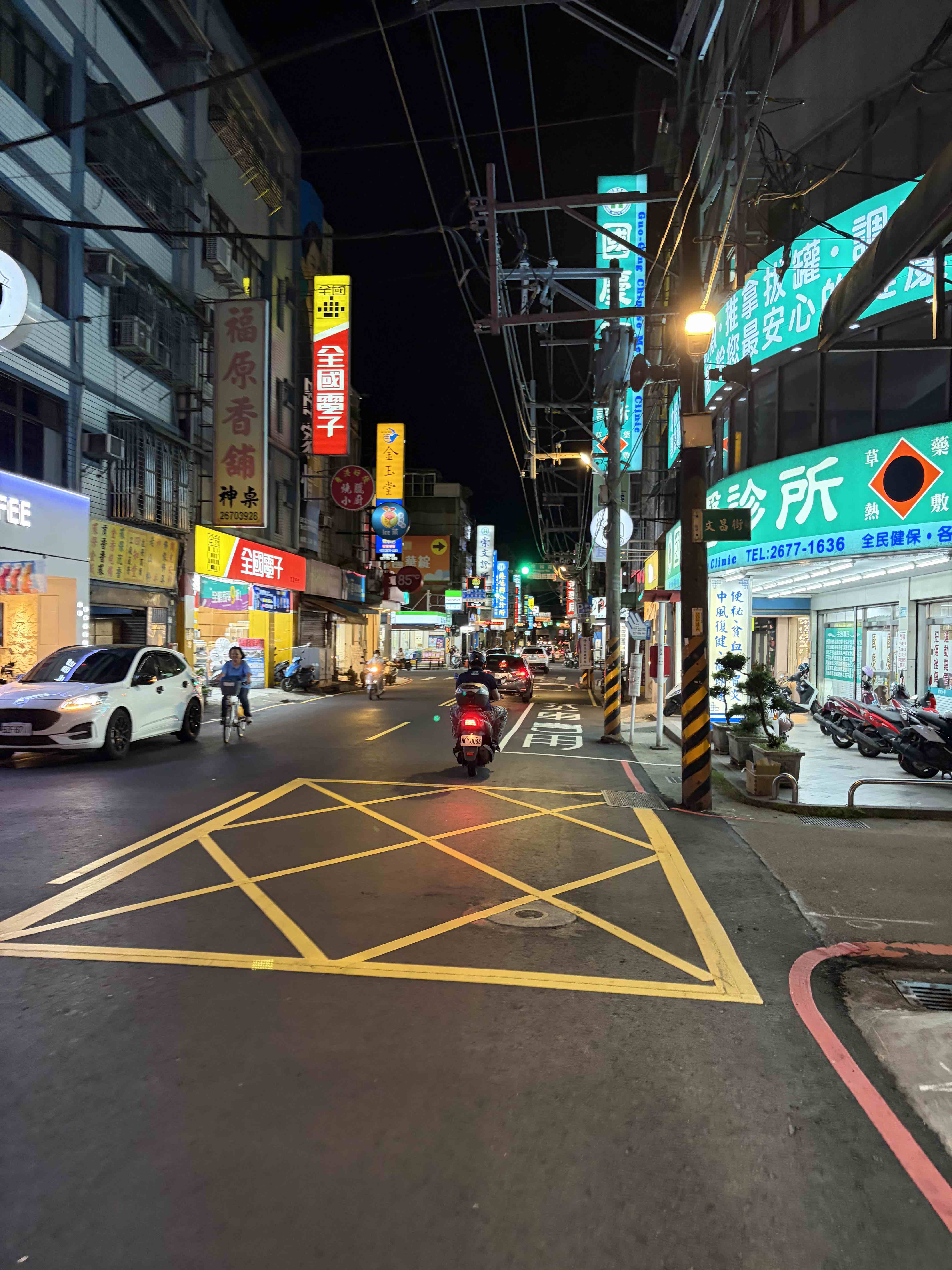
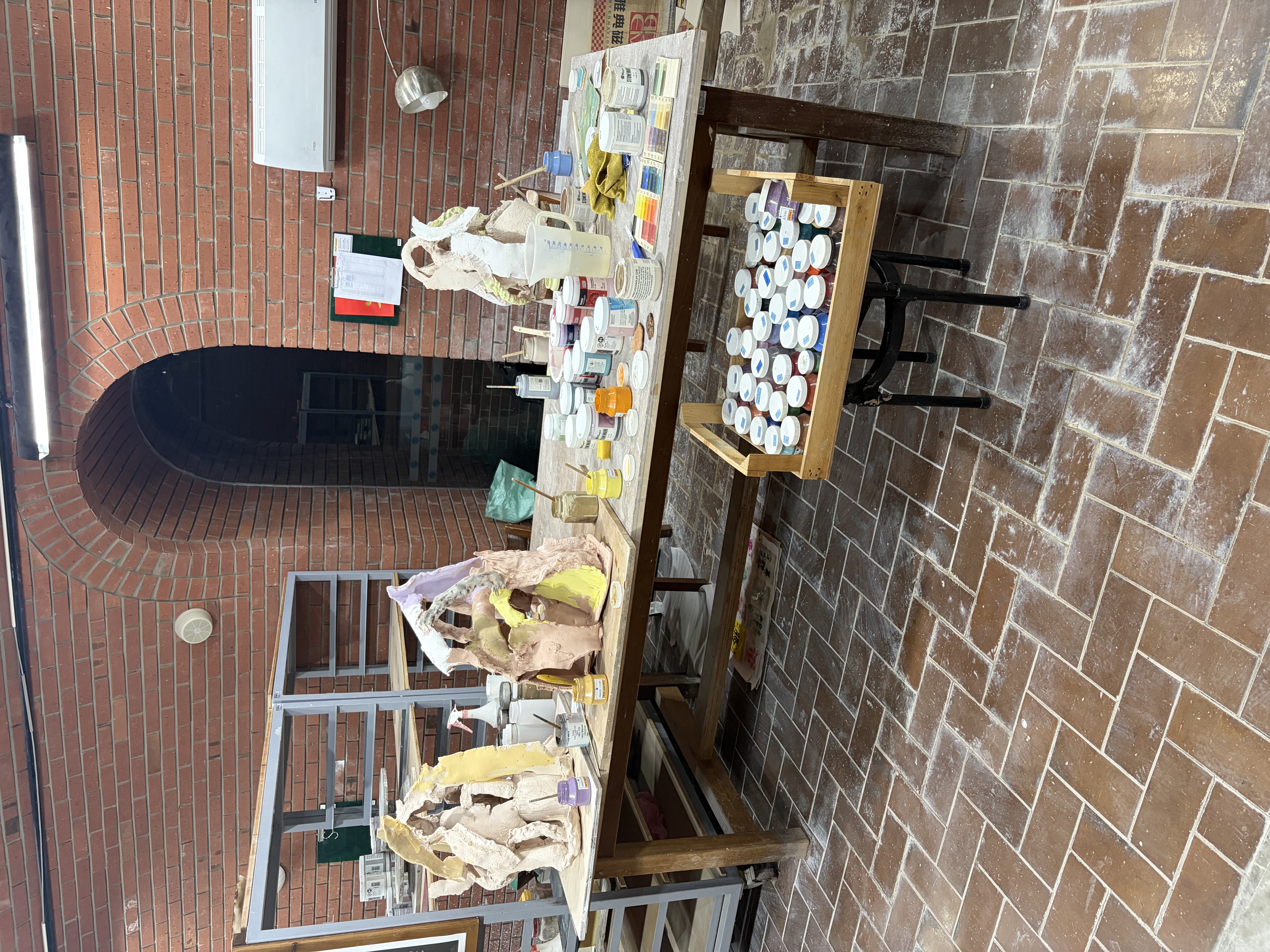
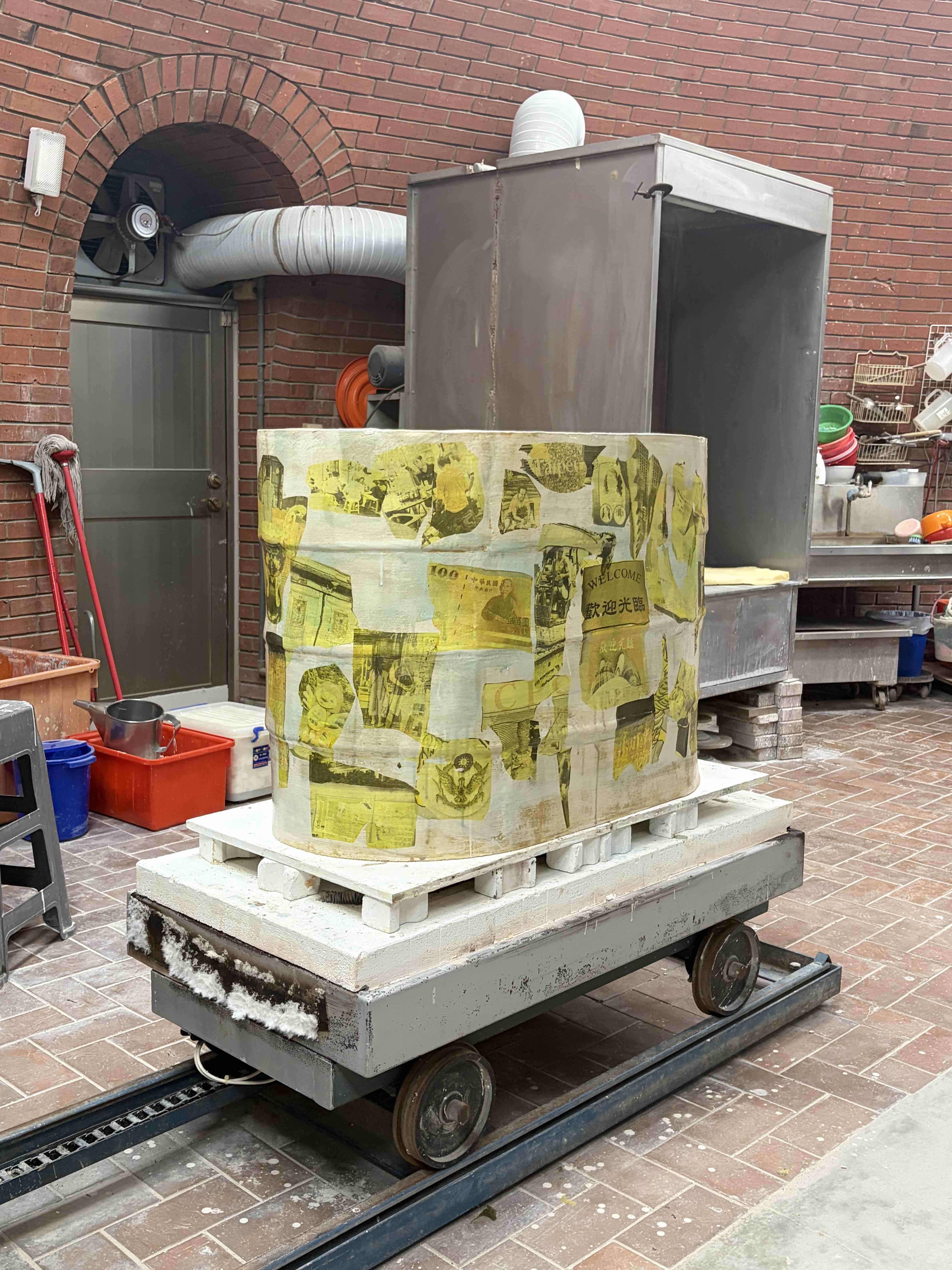
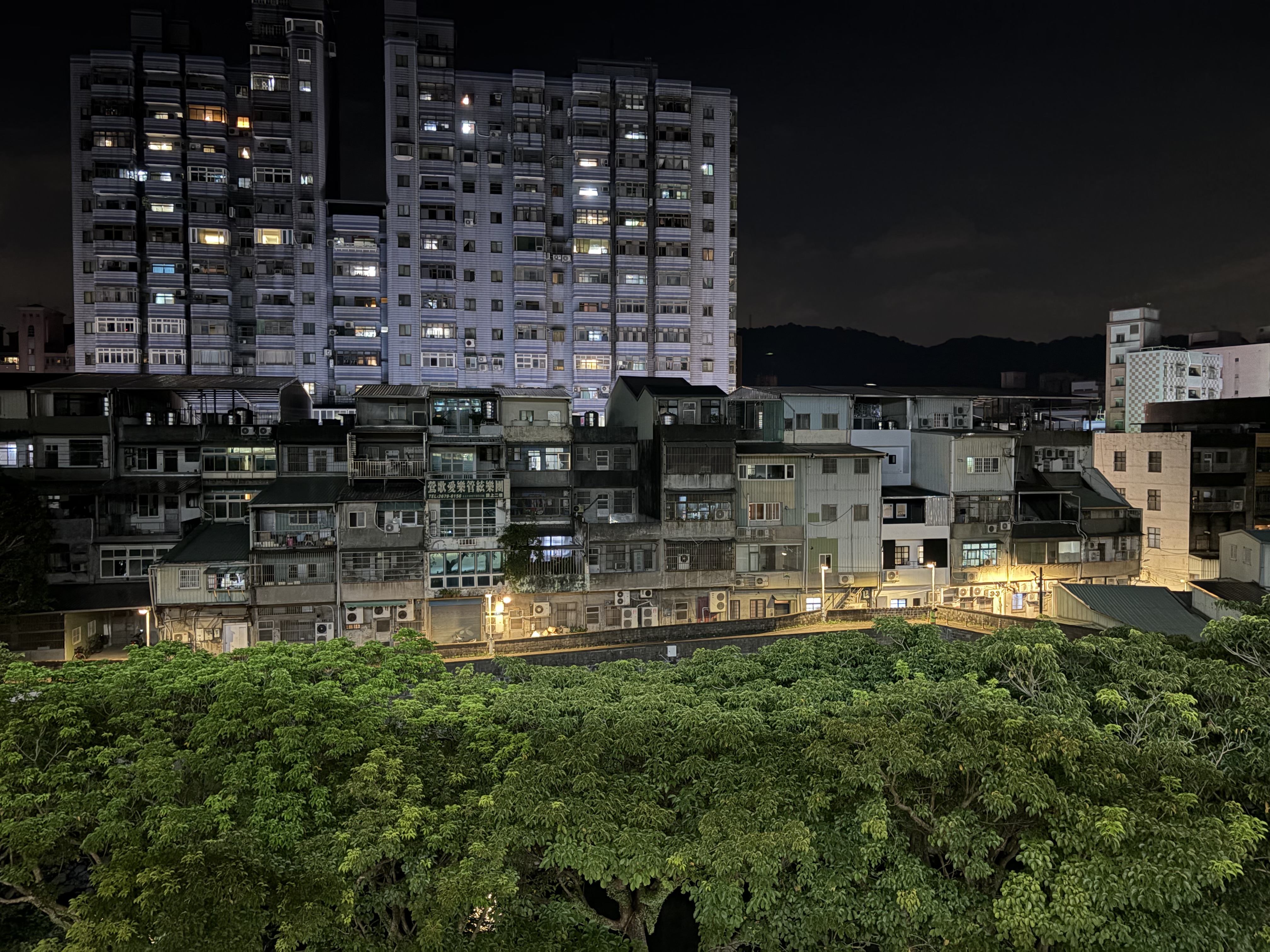
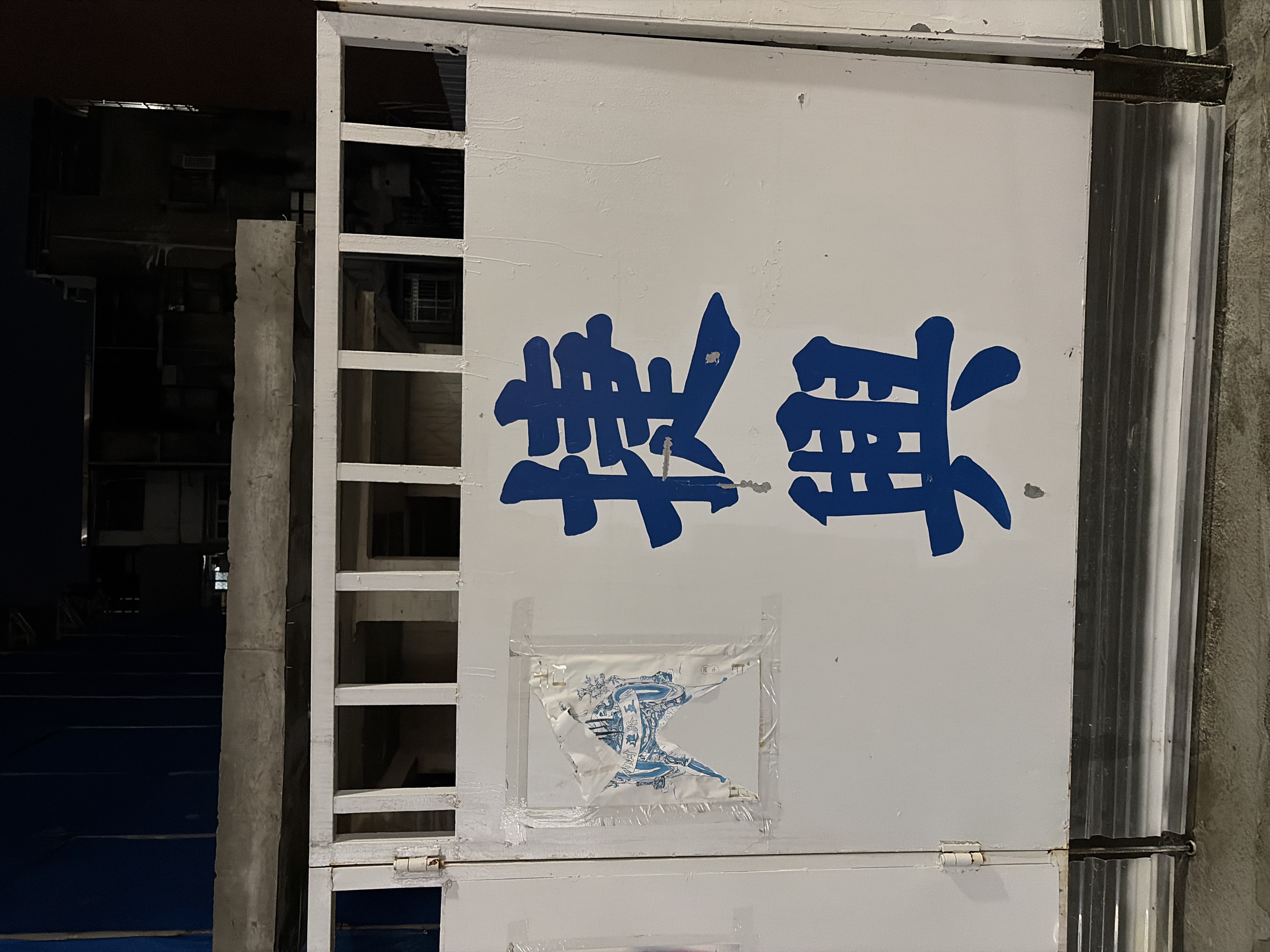
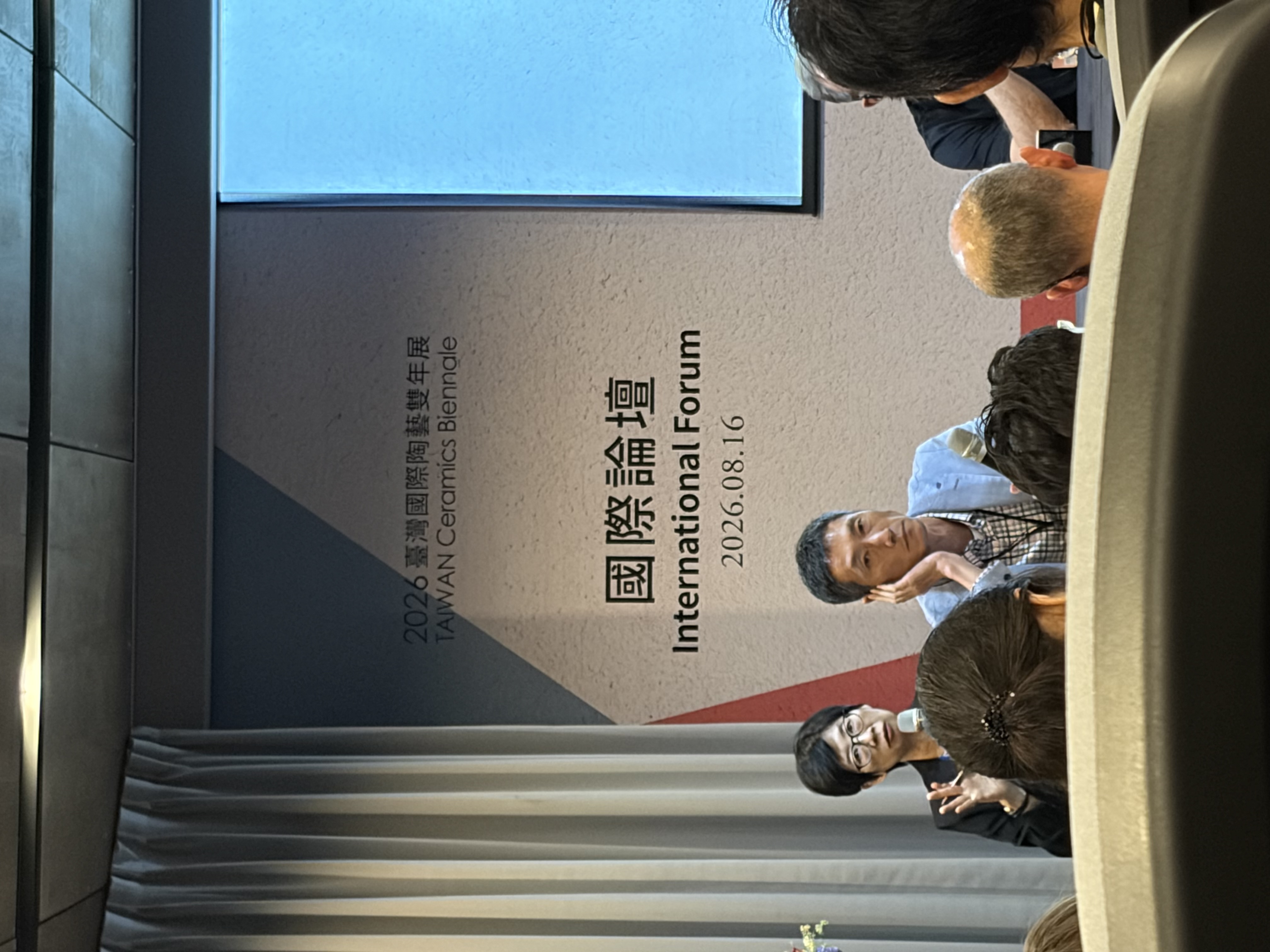
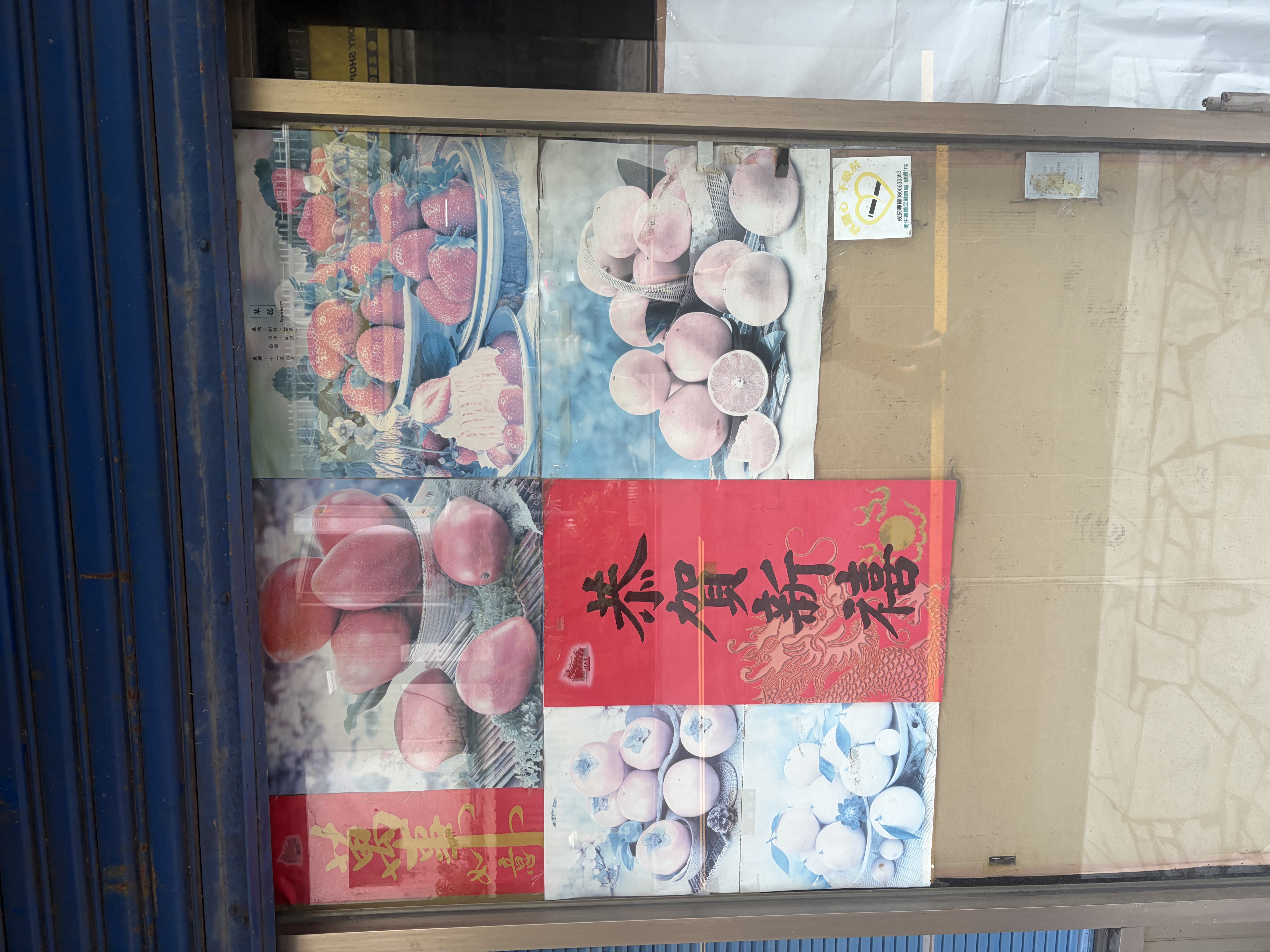
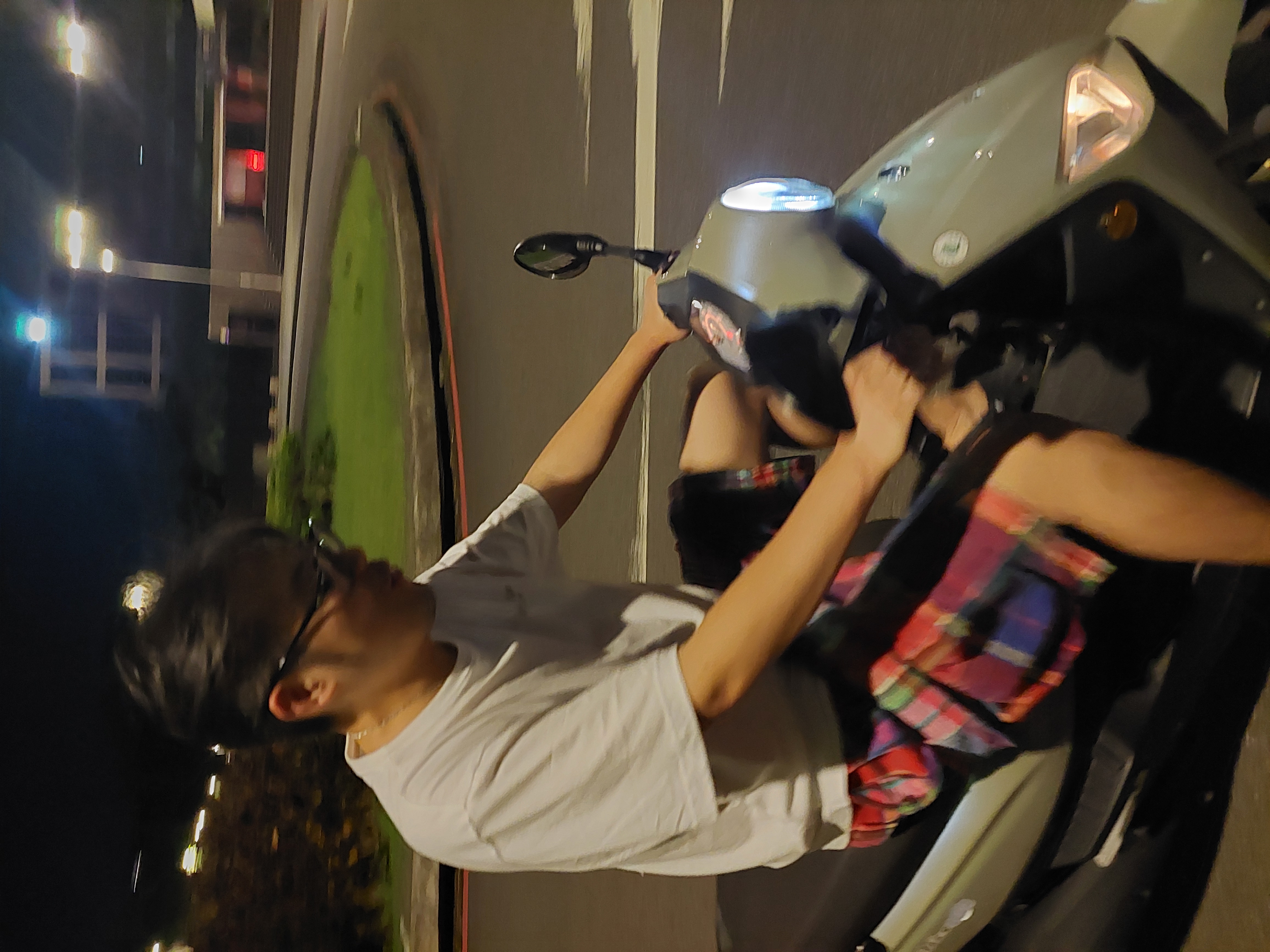
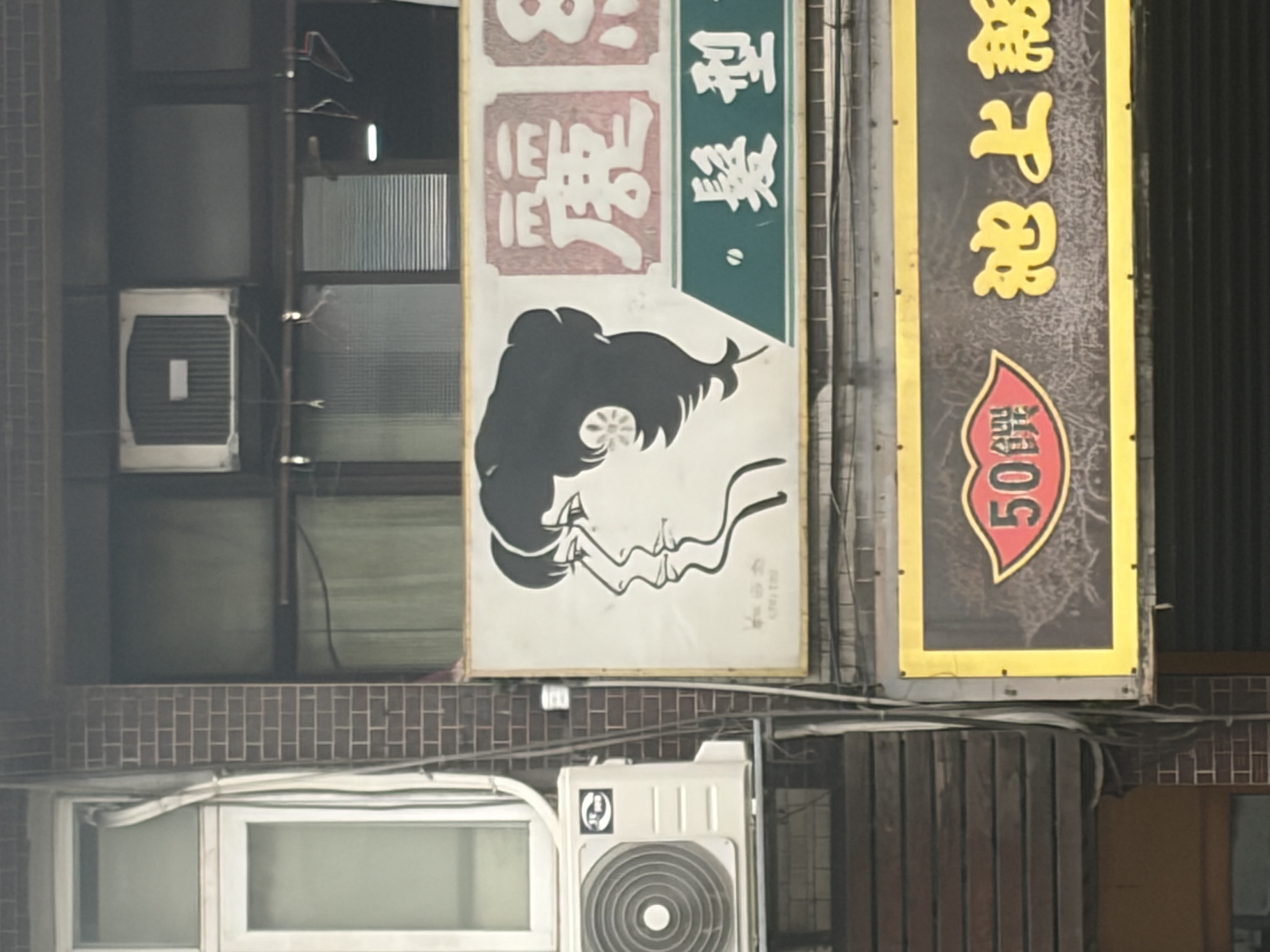
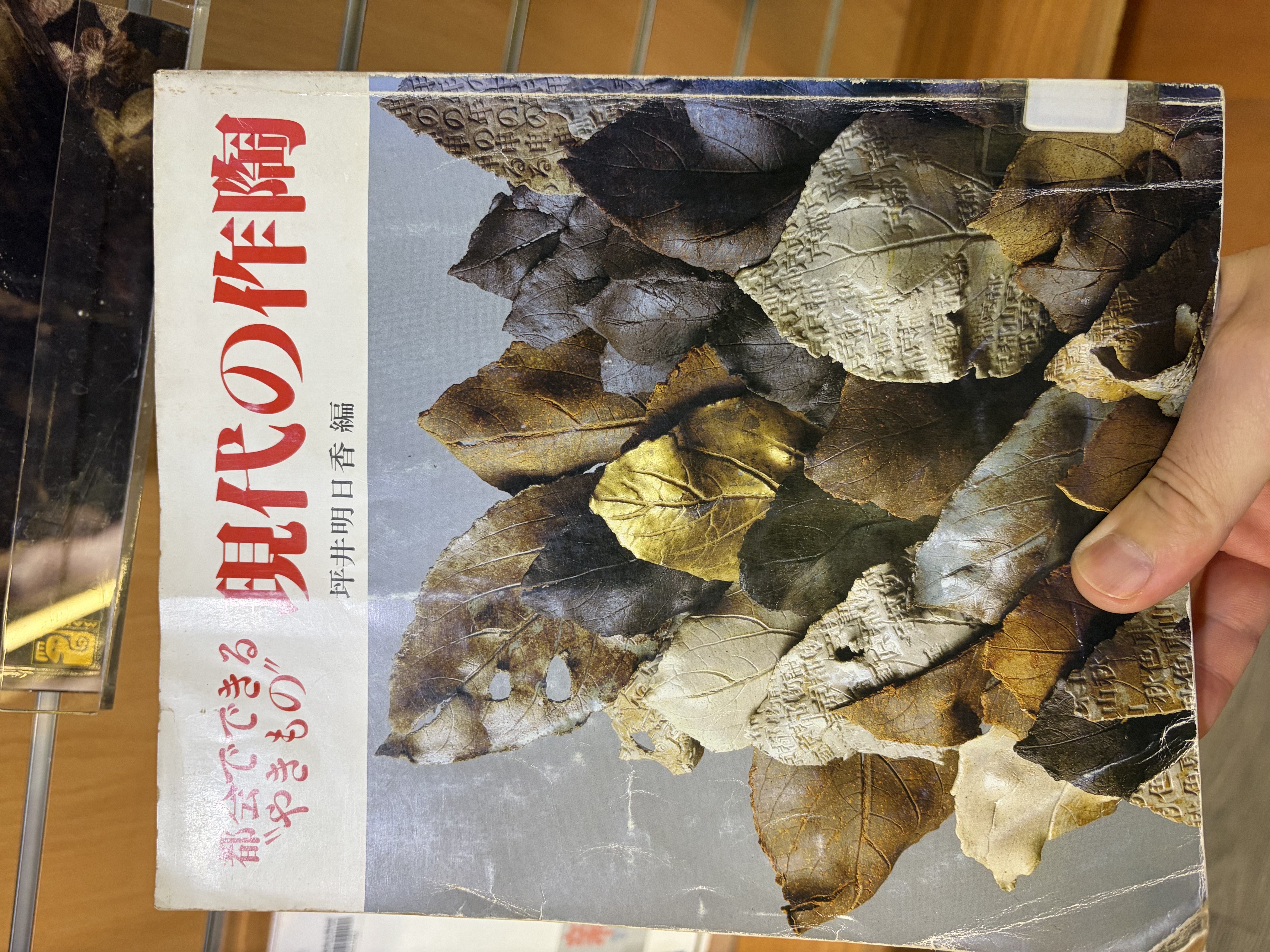
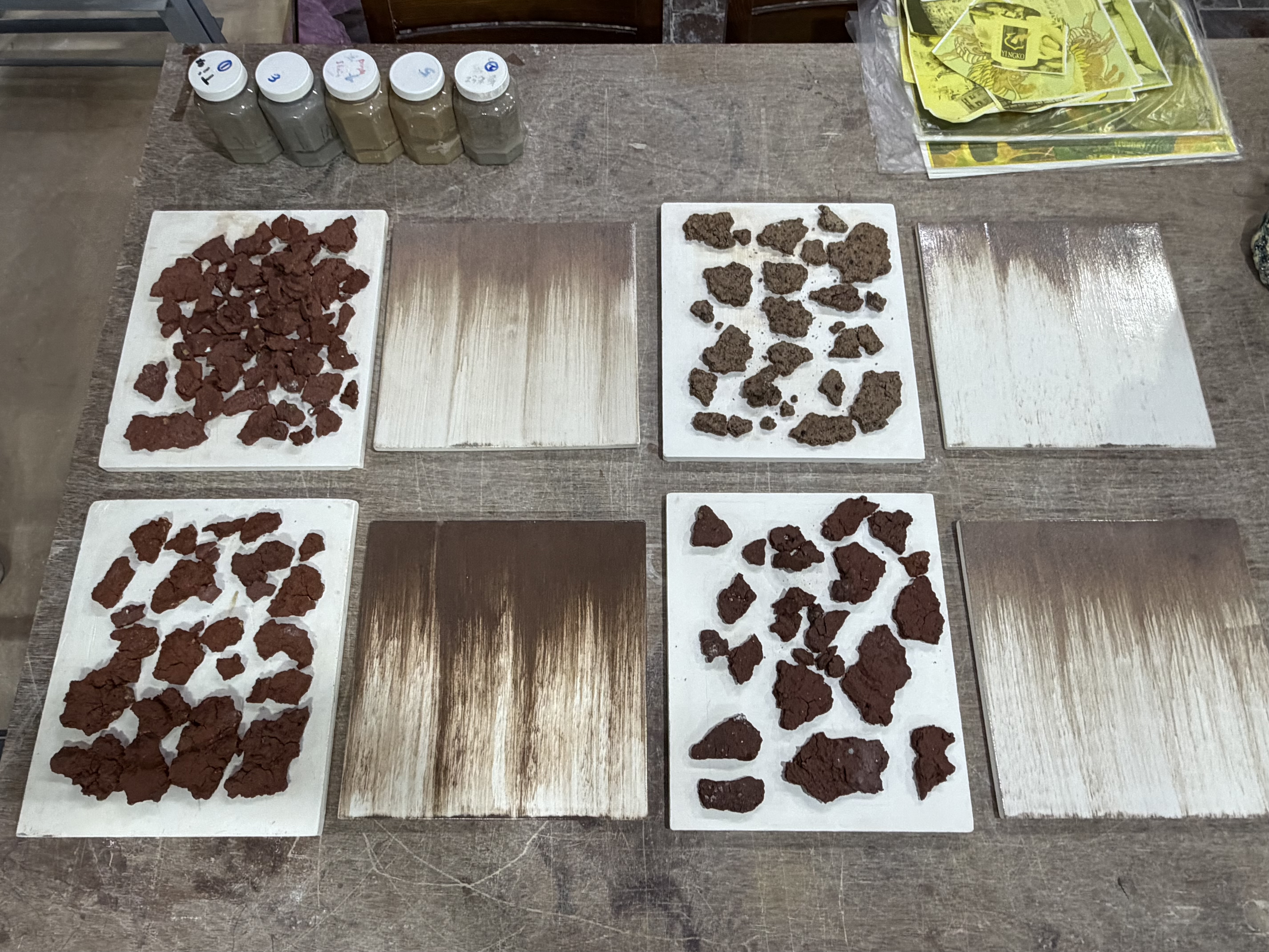
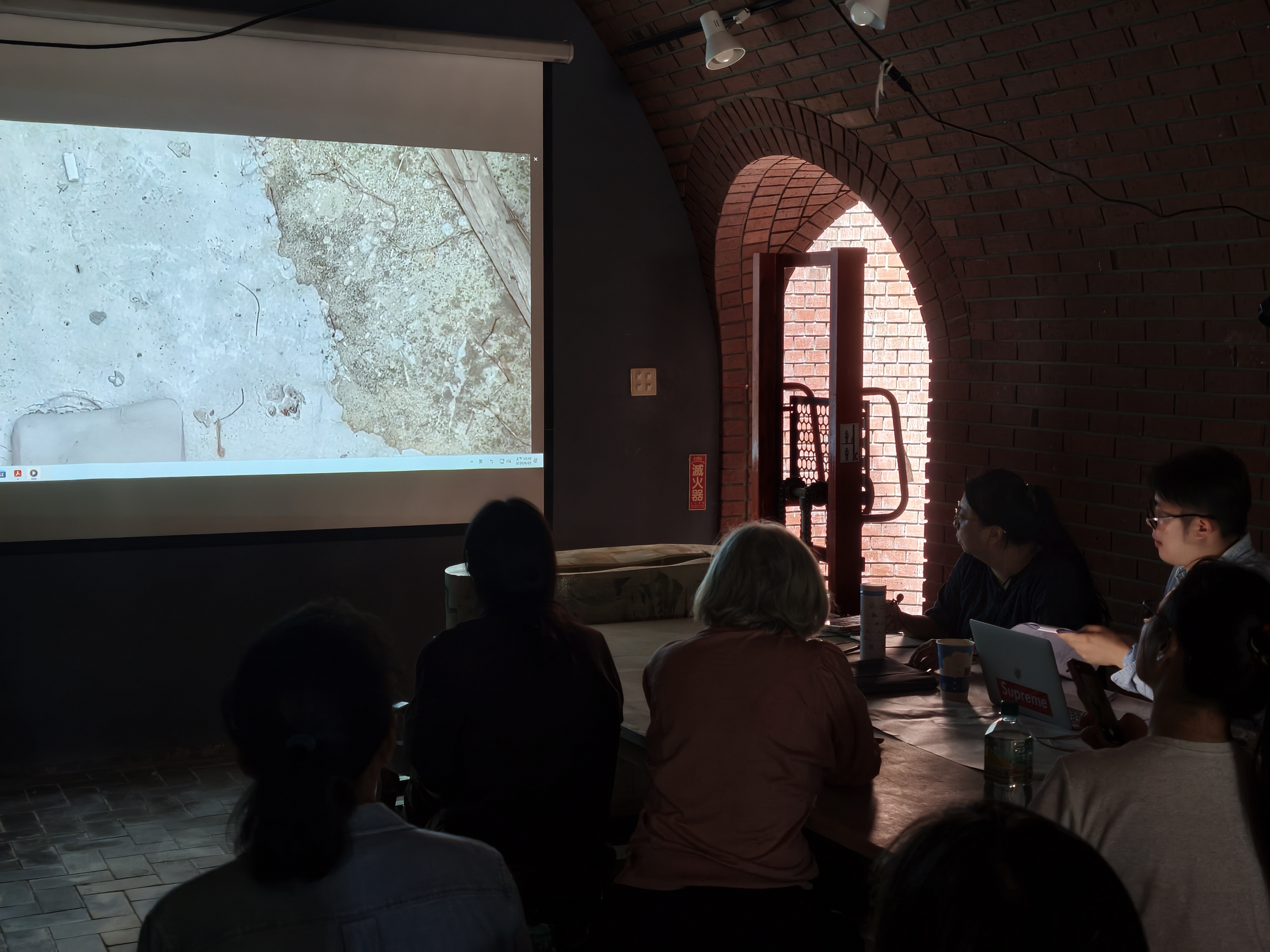
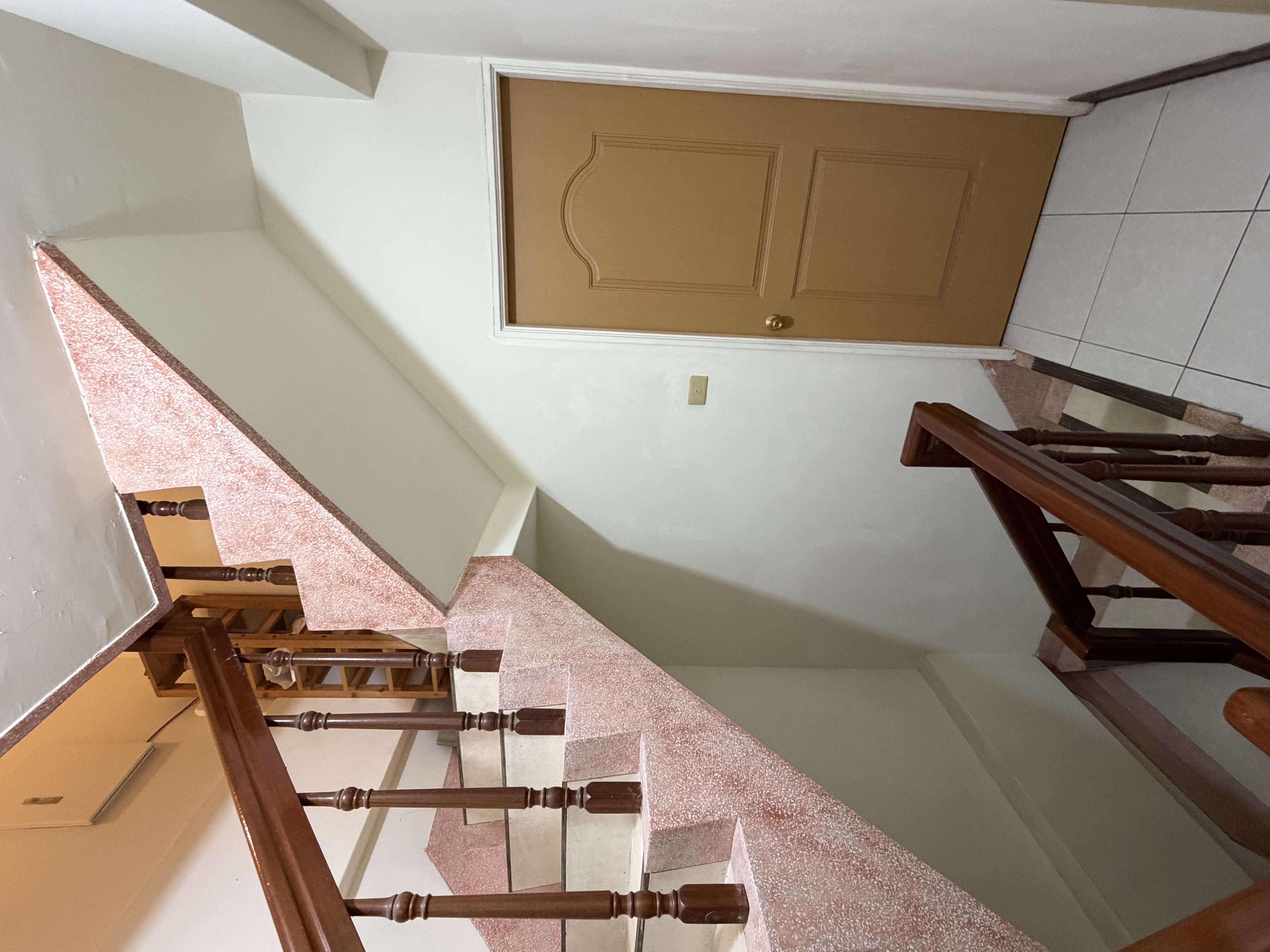
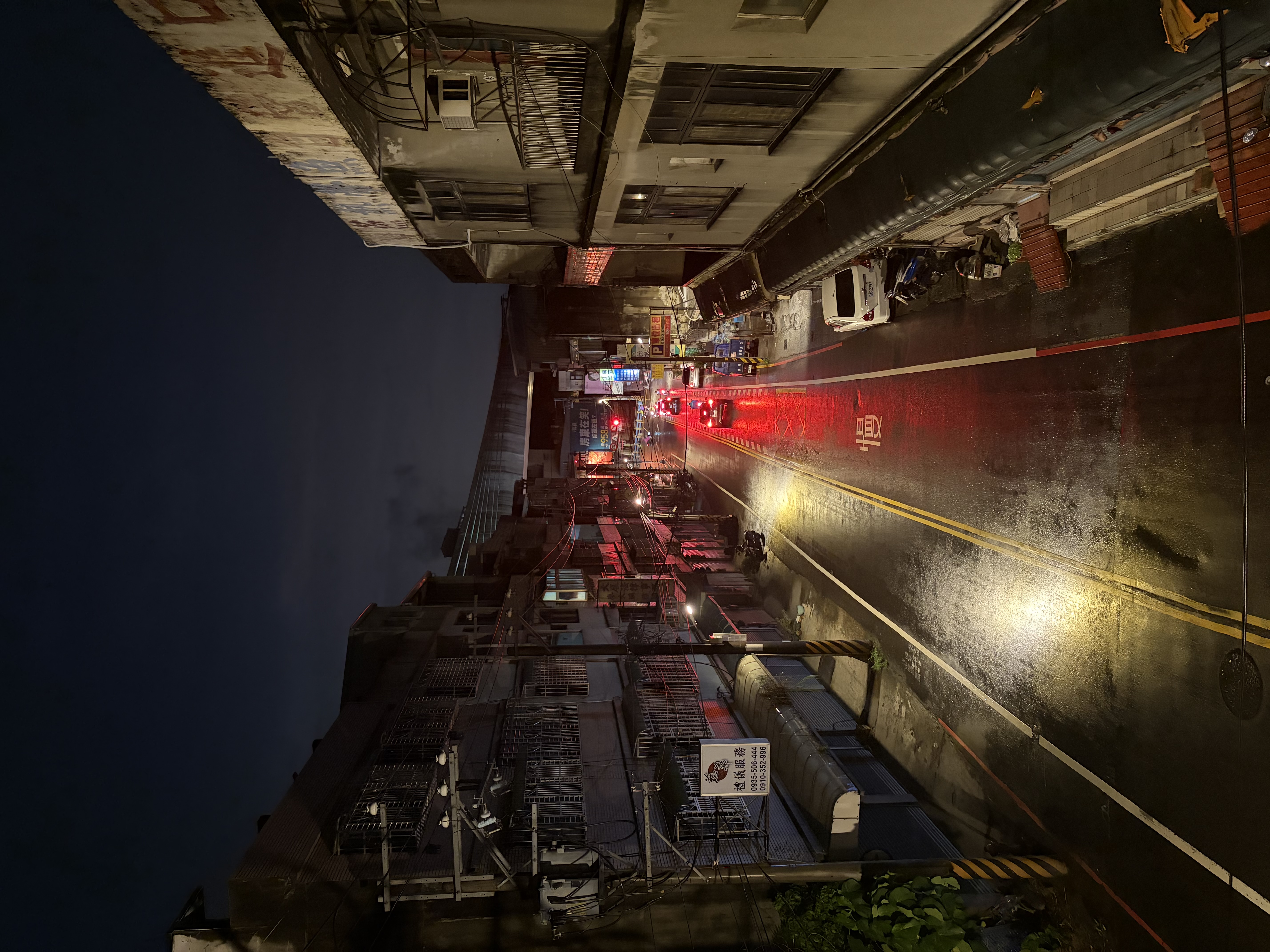
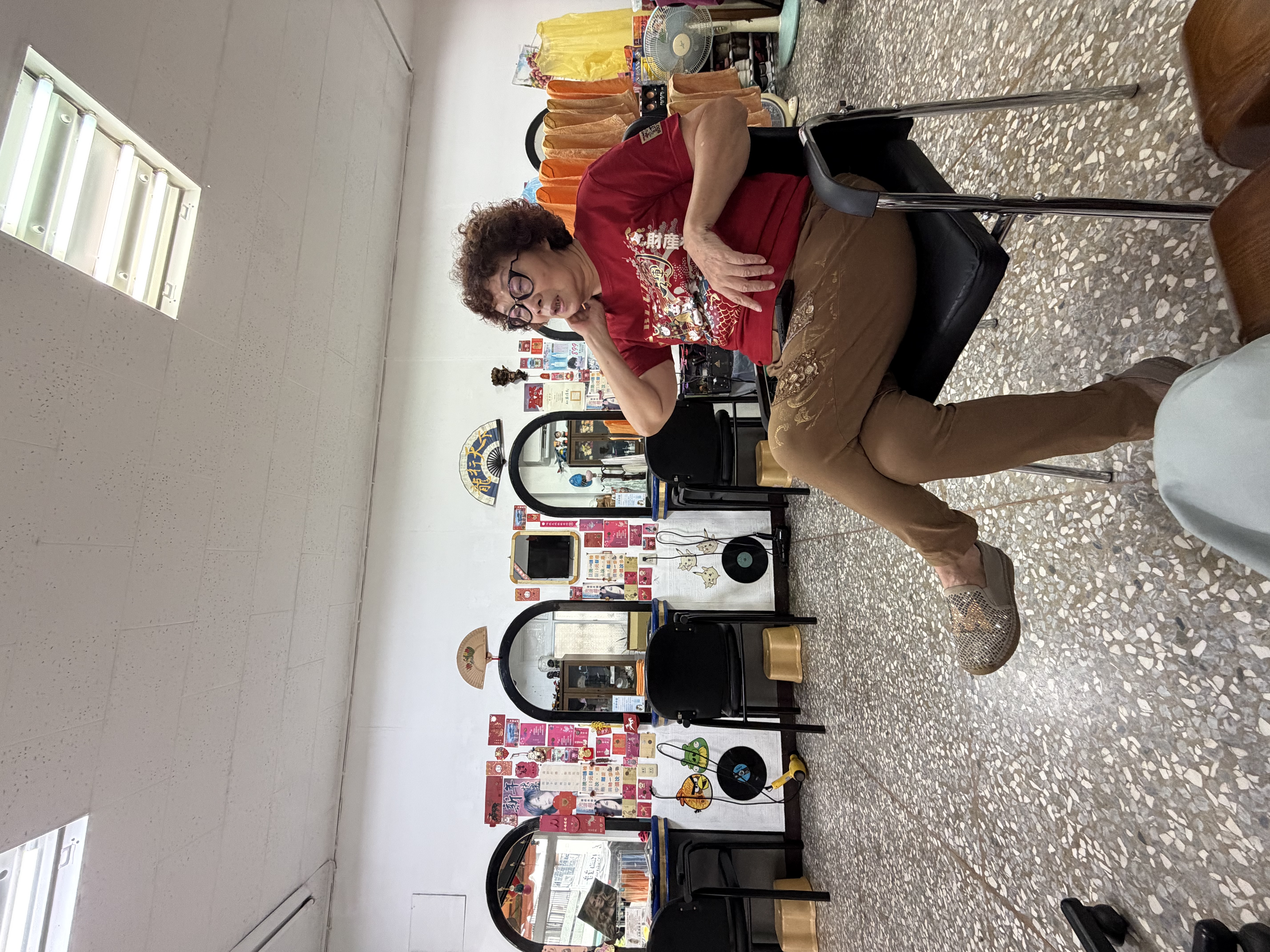
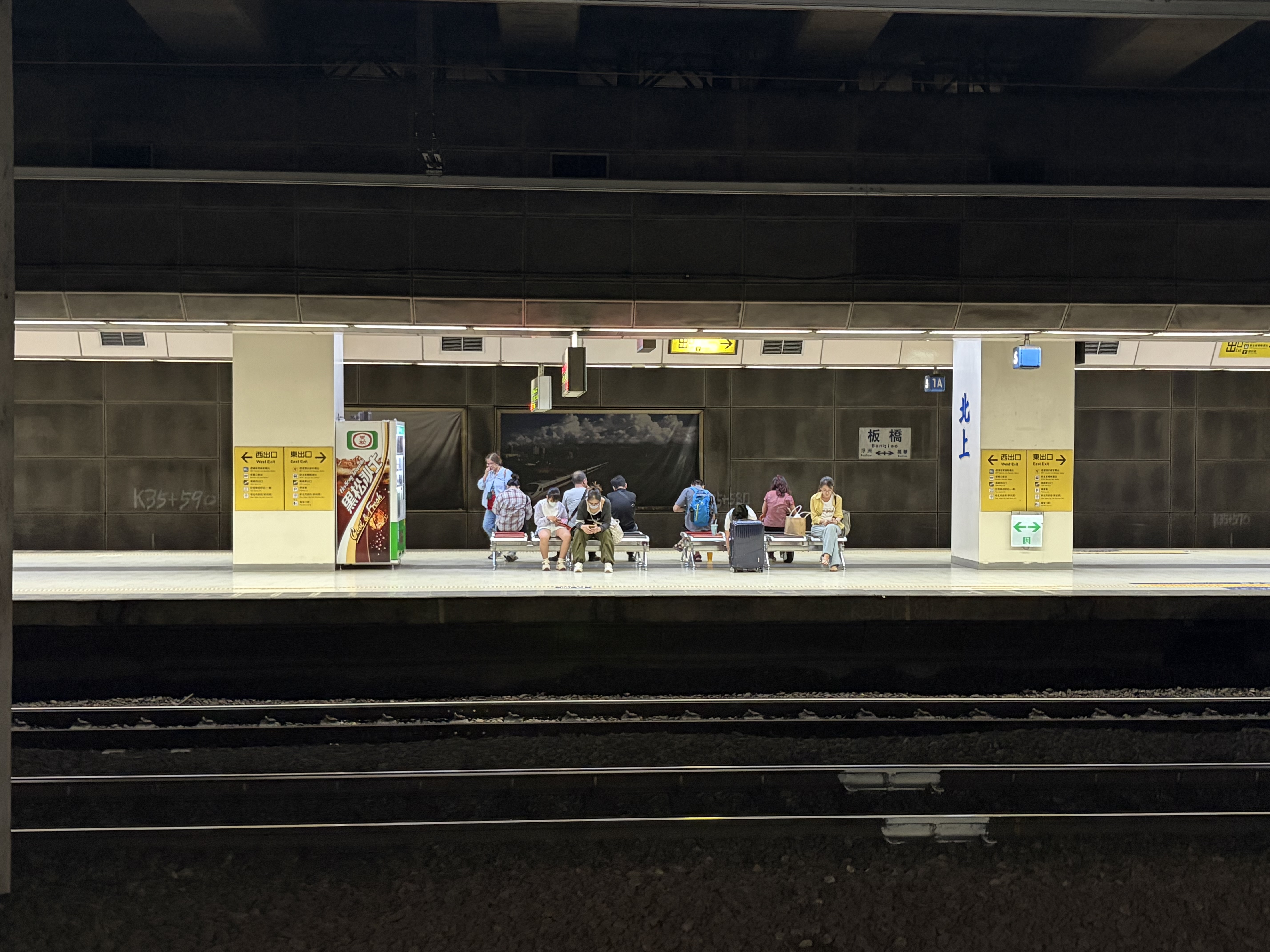
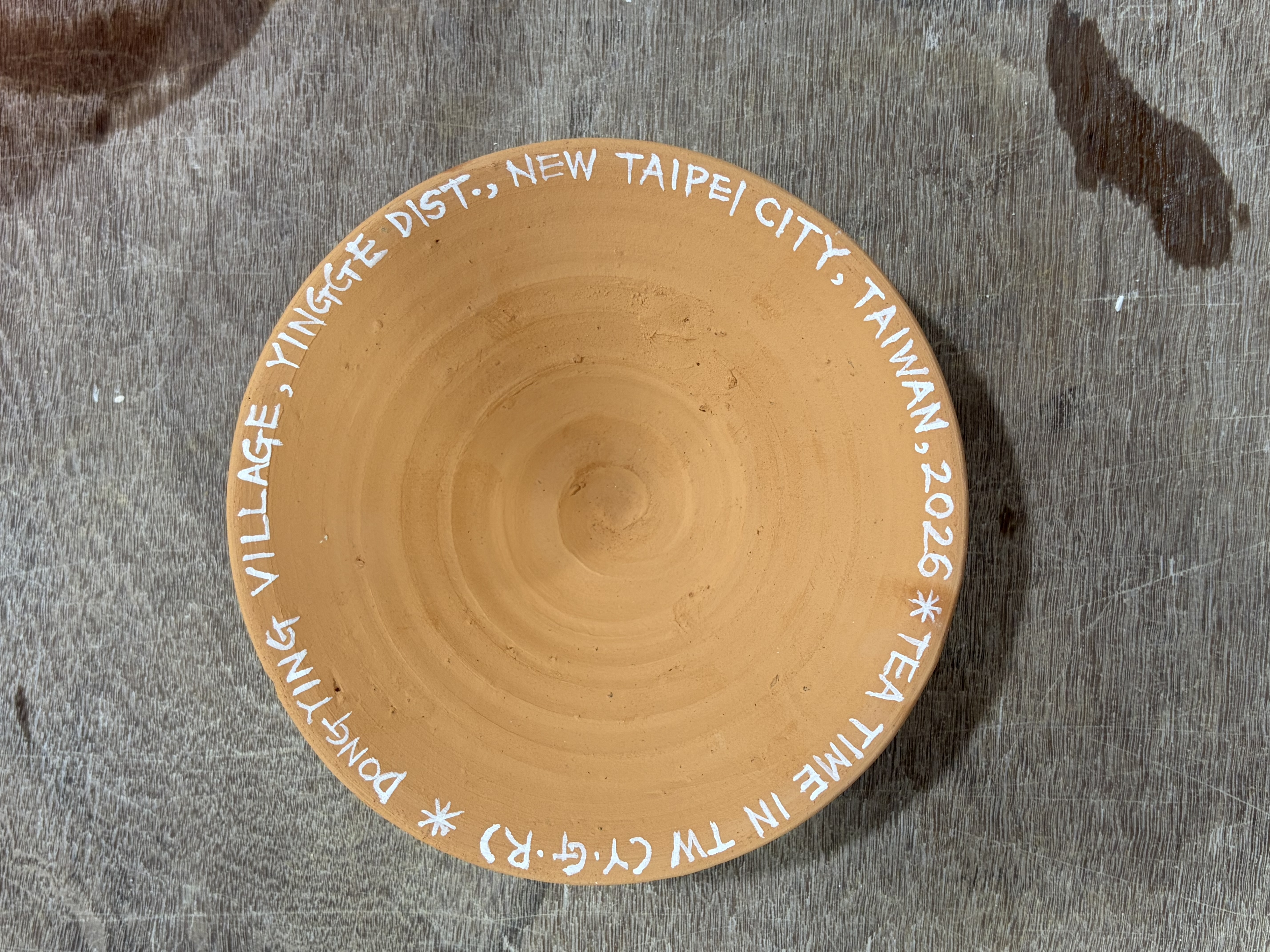
-Residency Period : June 29 ~ September 02, 2026
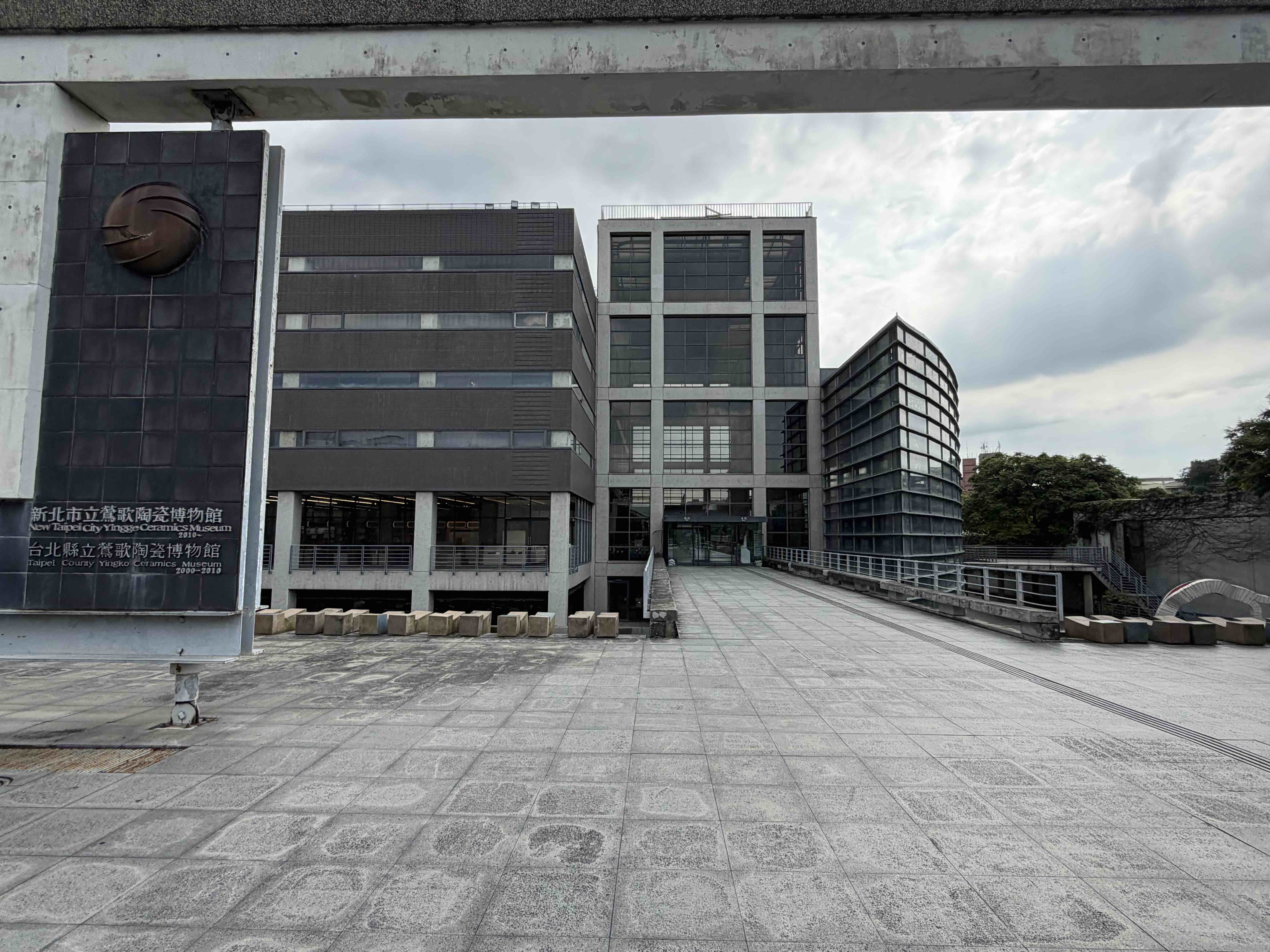
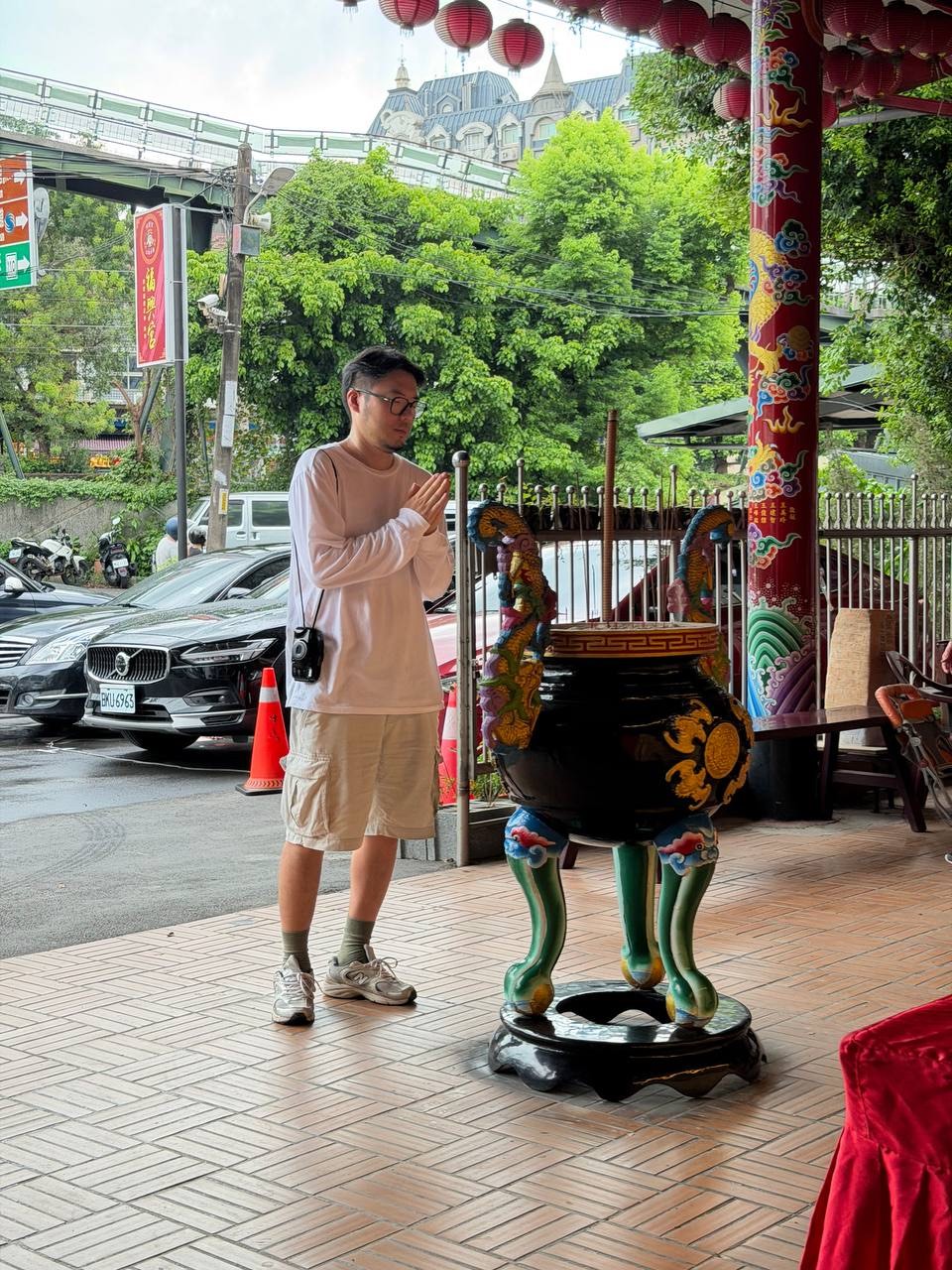
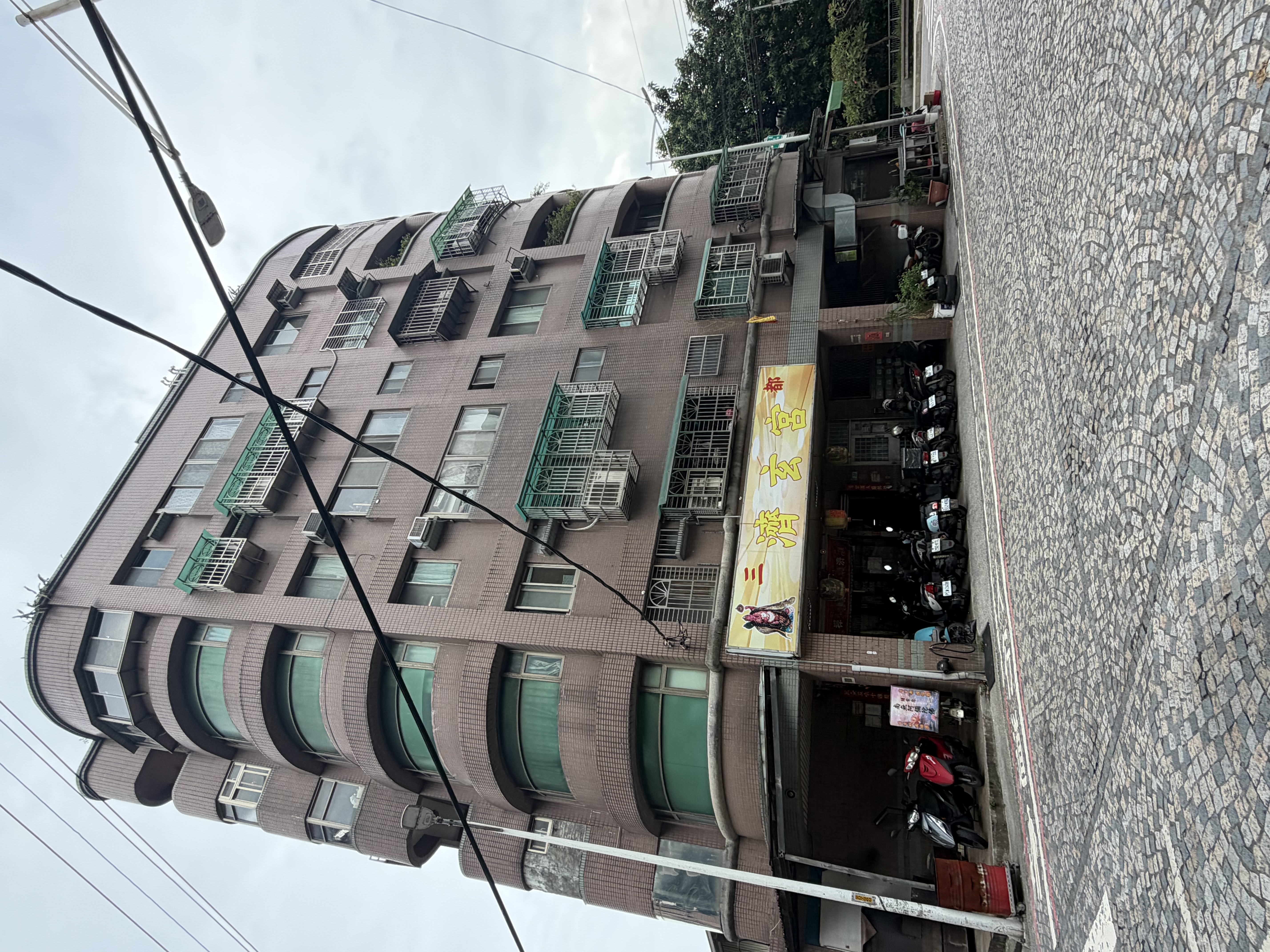
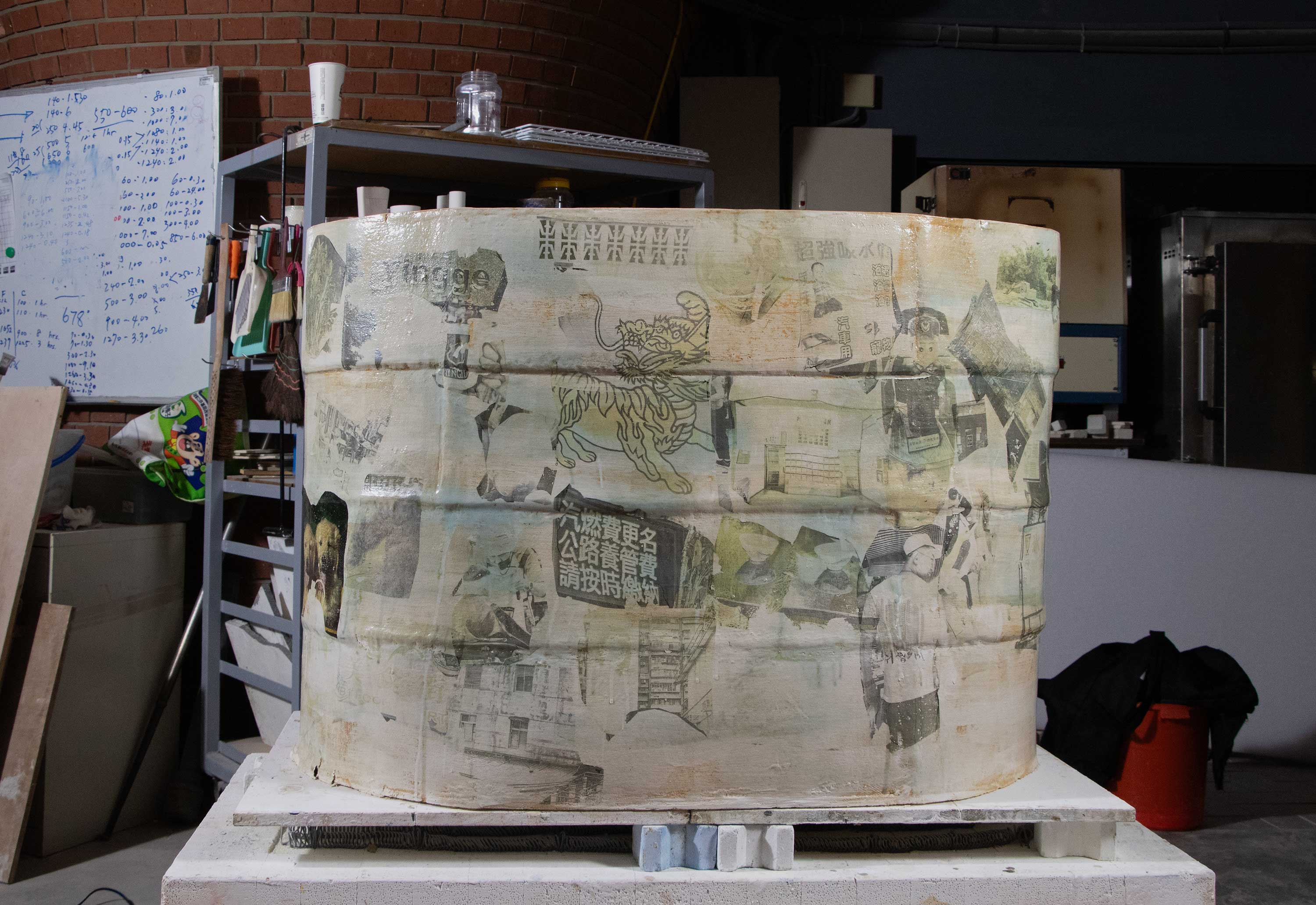
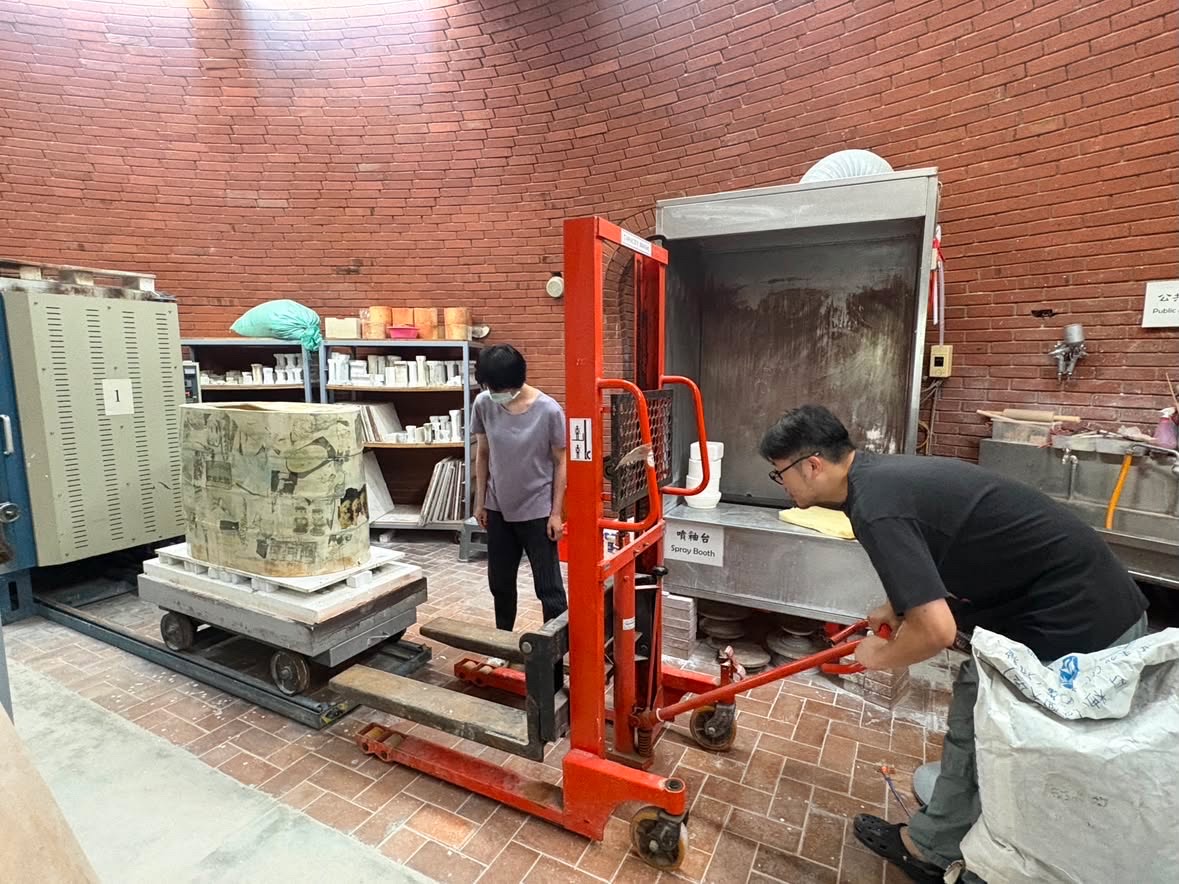
-Location : New Taipei City Yingge Ceramics Museum (No. 200, Wenhua Rd., Yingge Dist., New Taipei City, Taiwan)
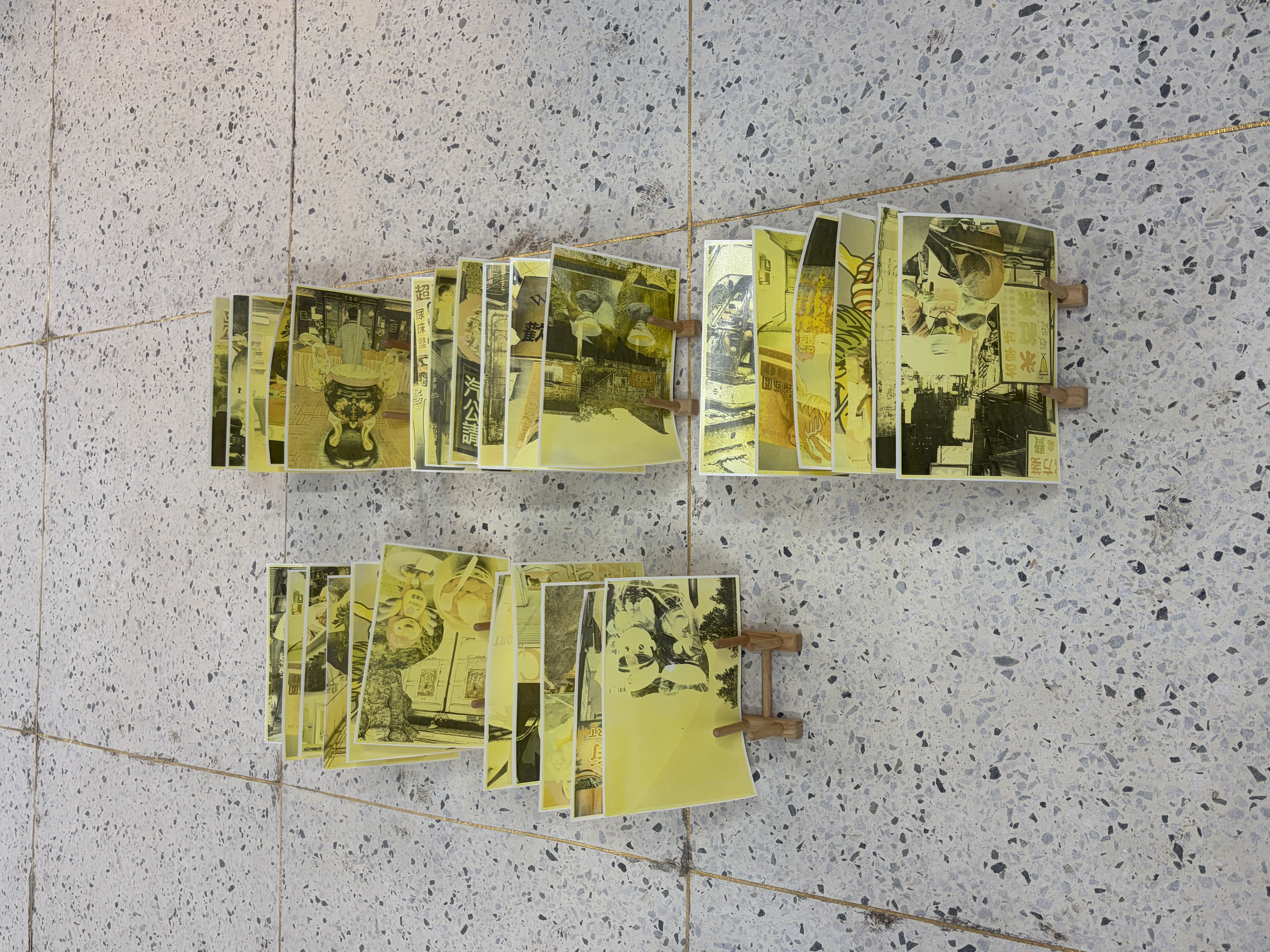
-Residency Plan :
1. Locality
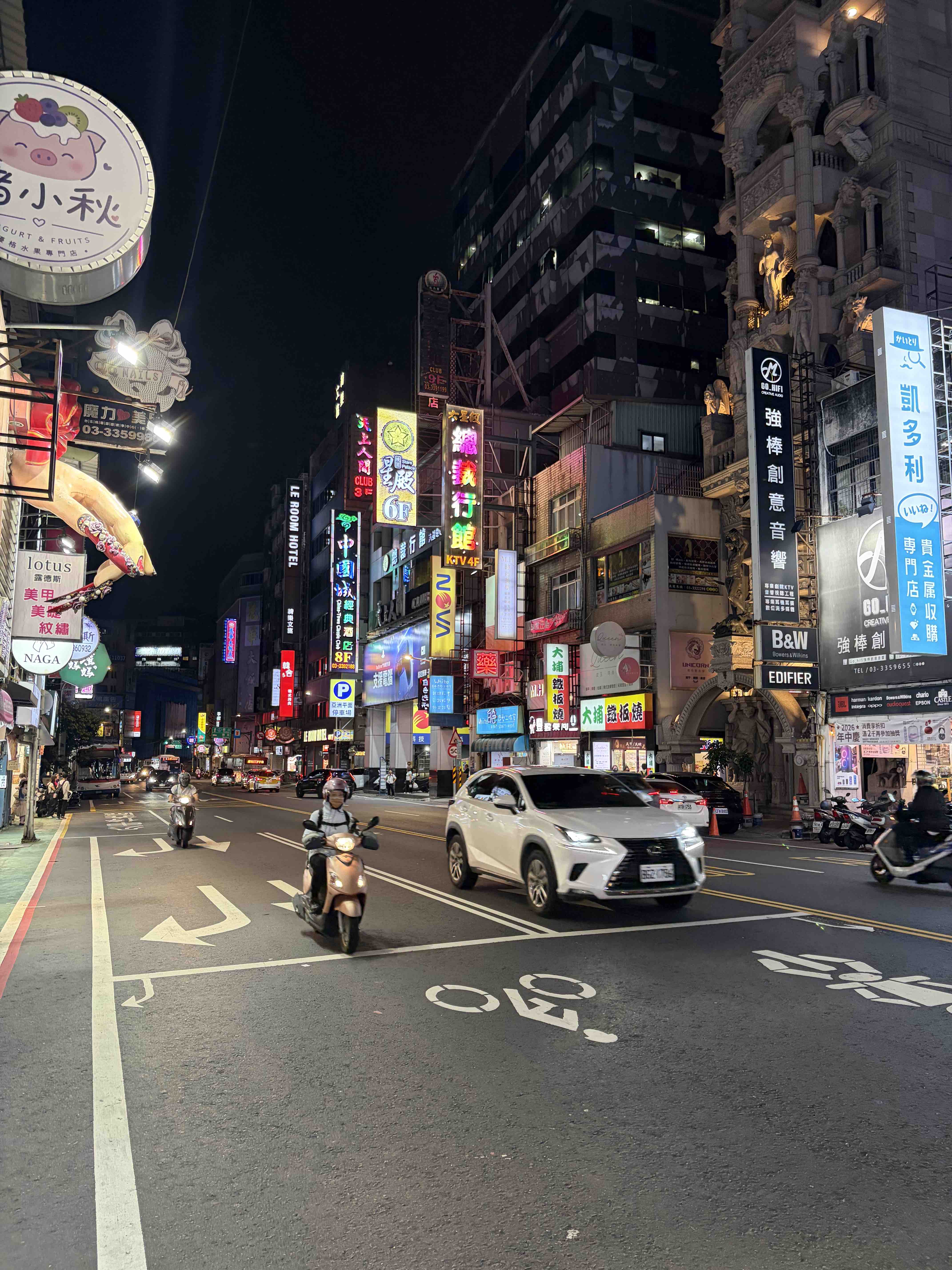
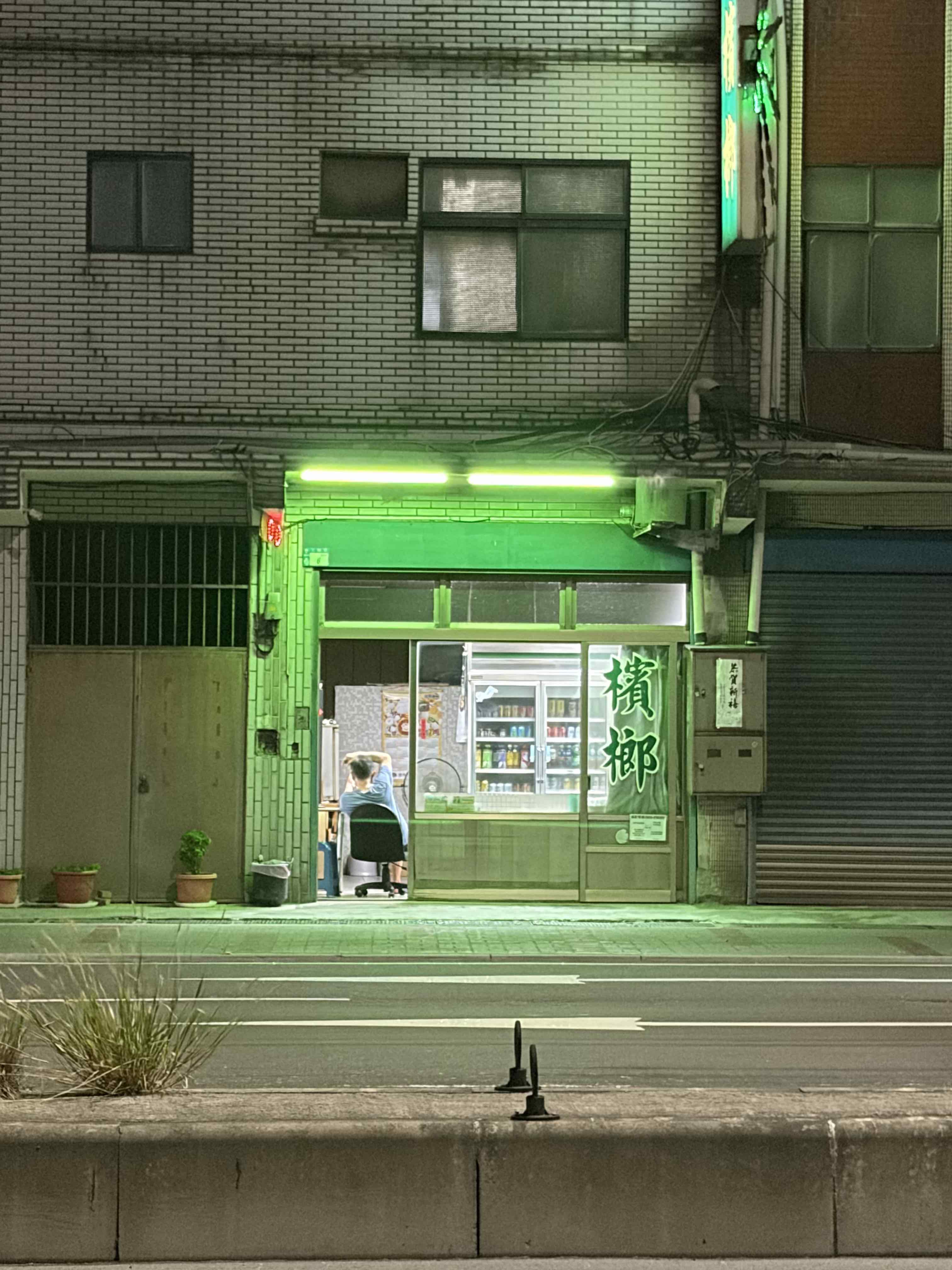
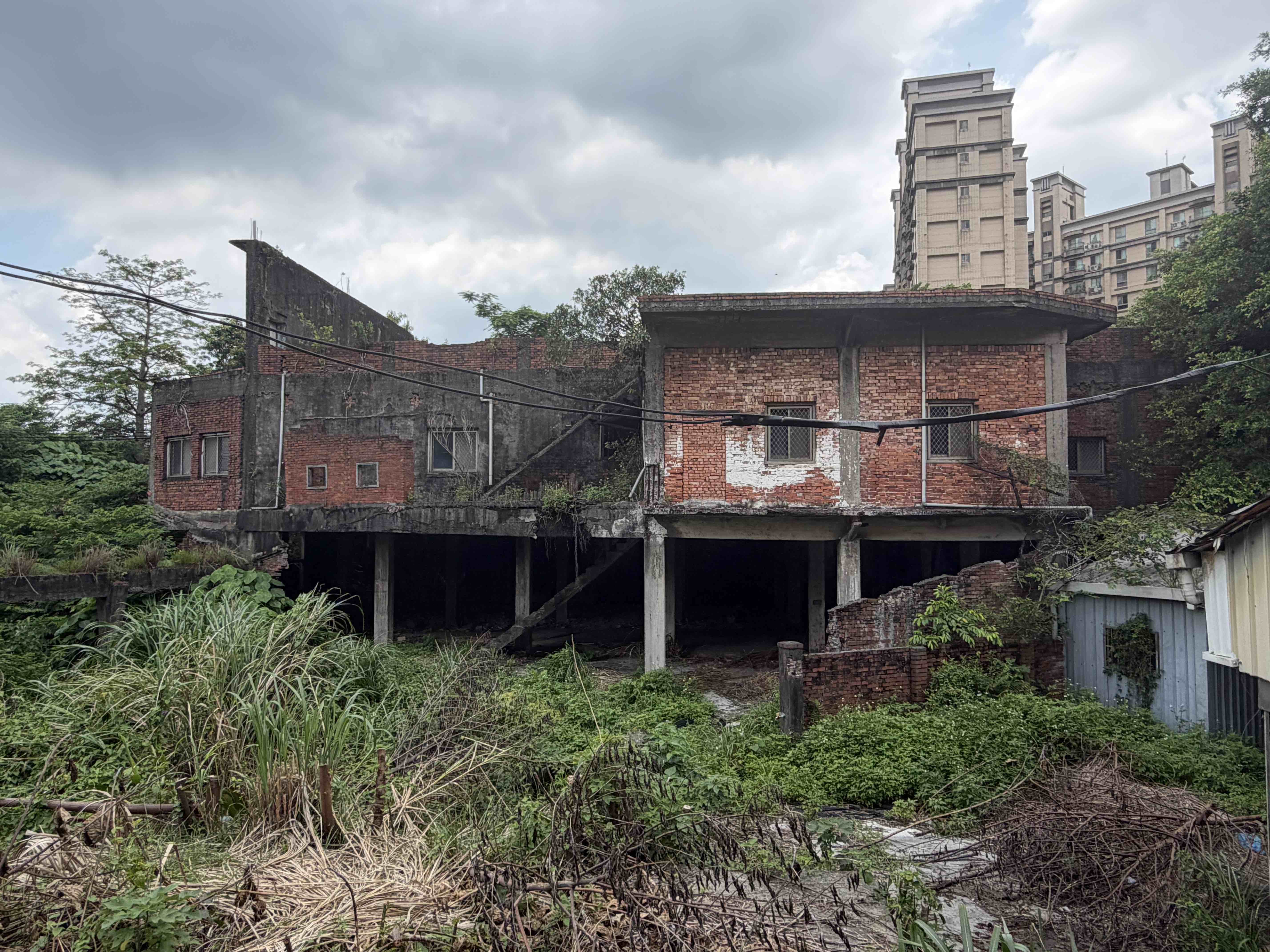
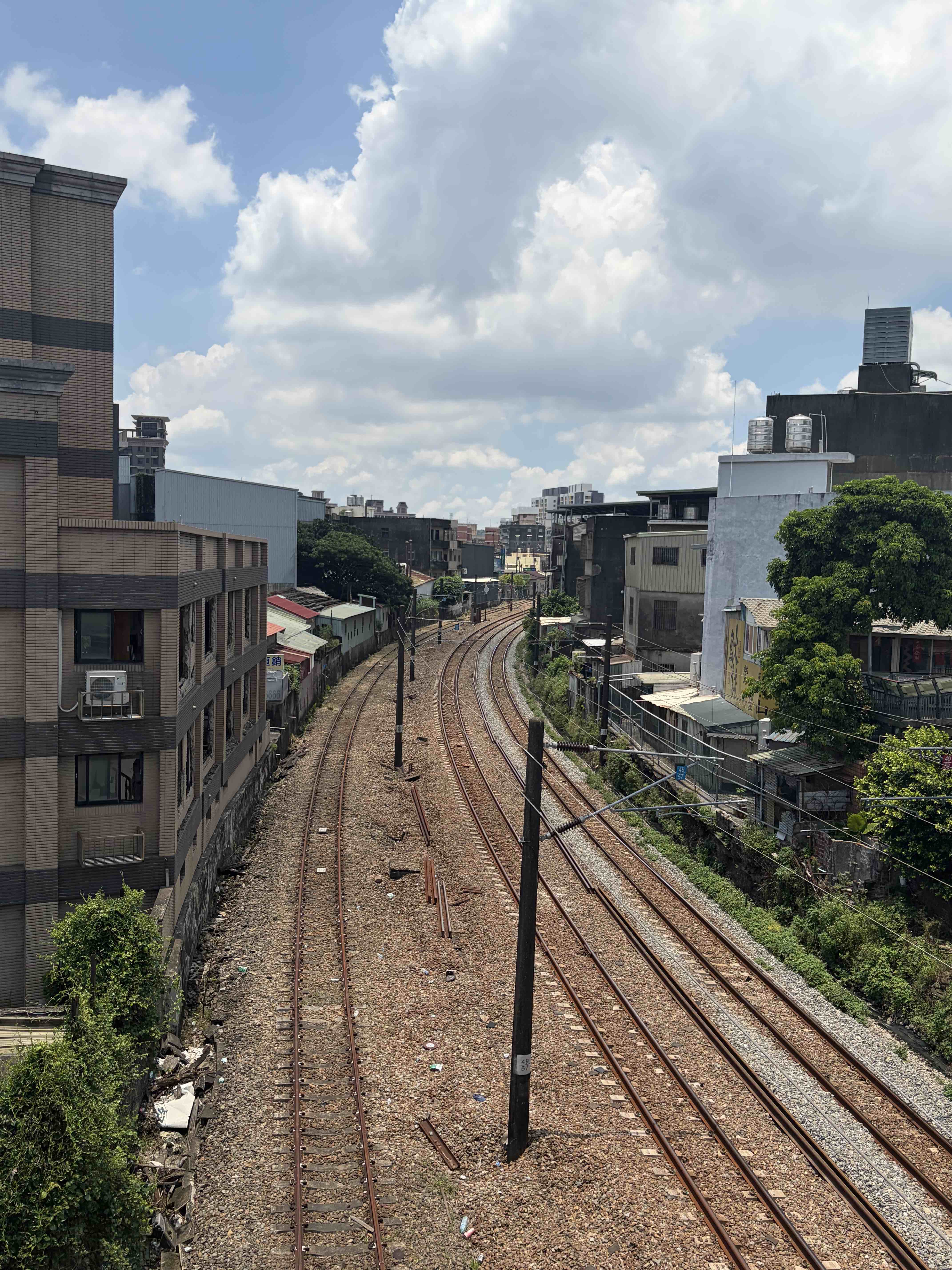
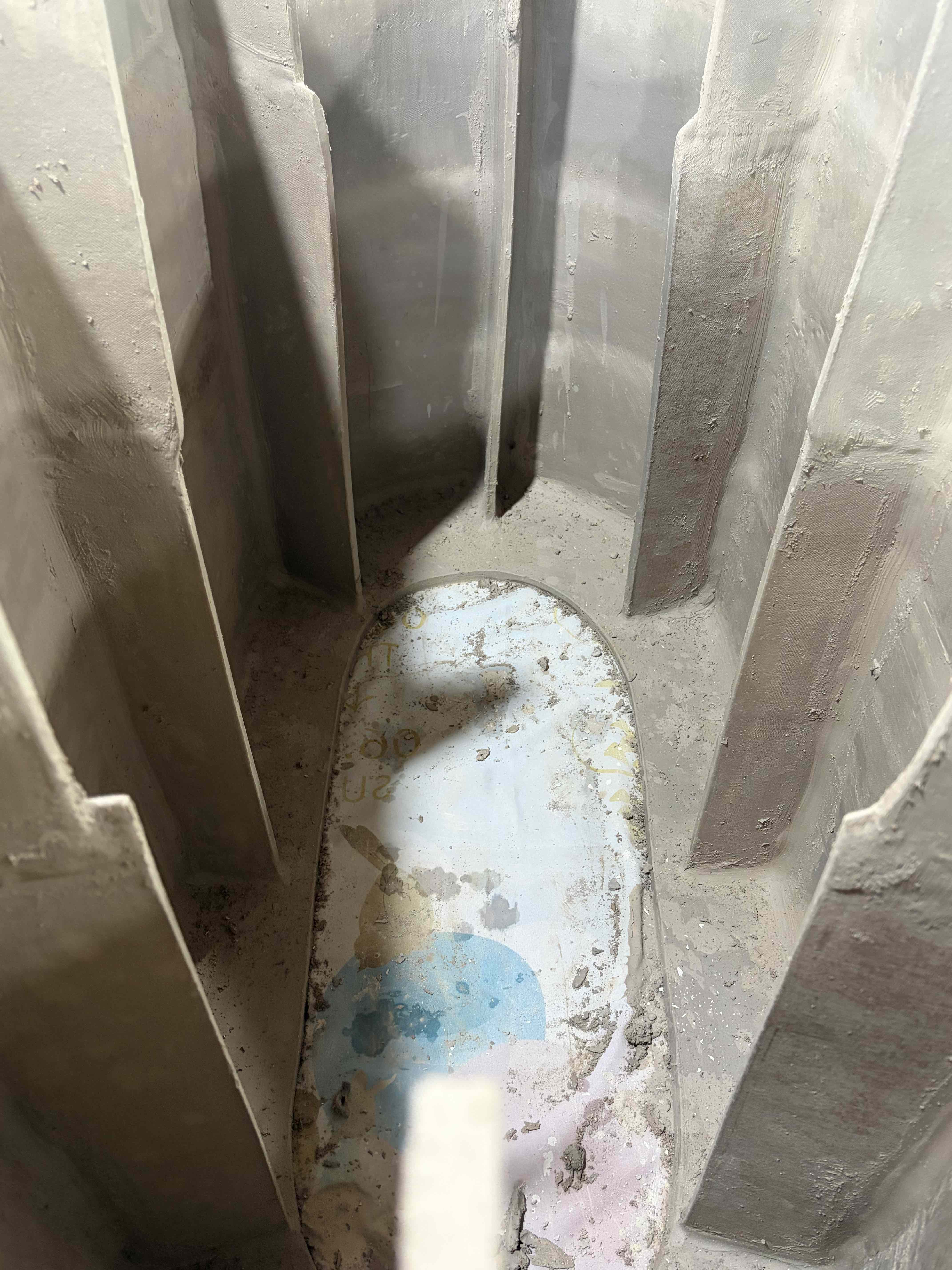
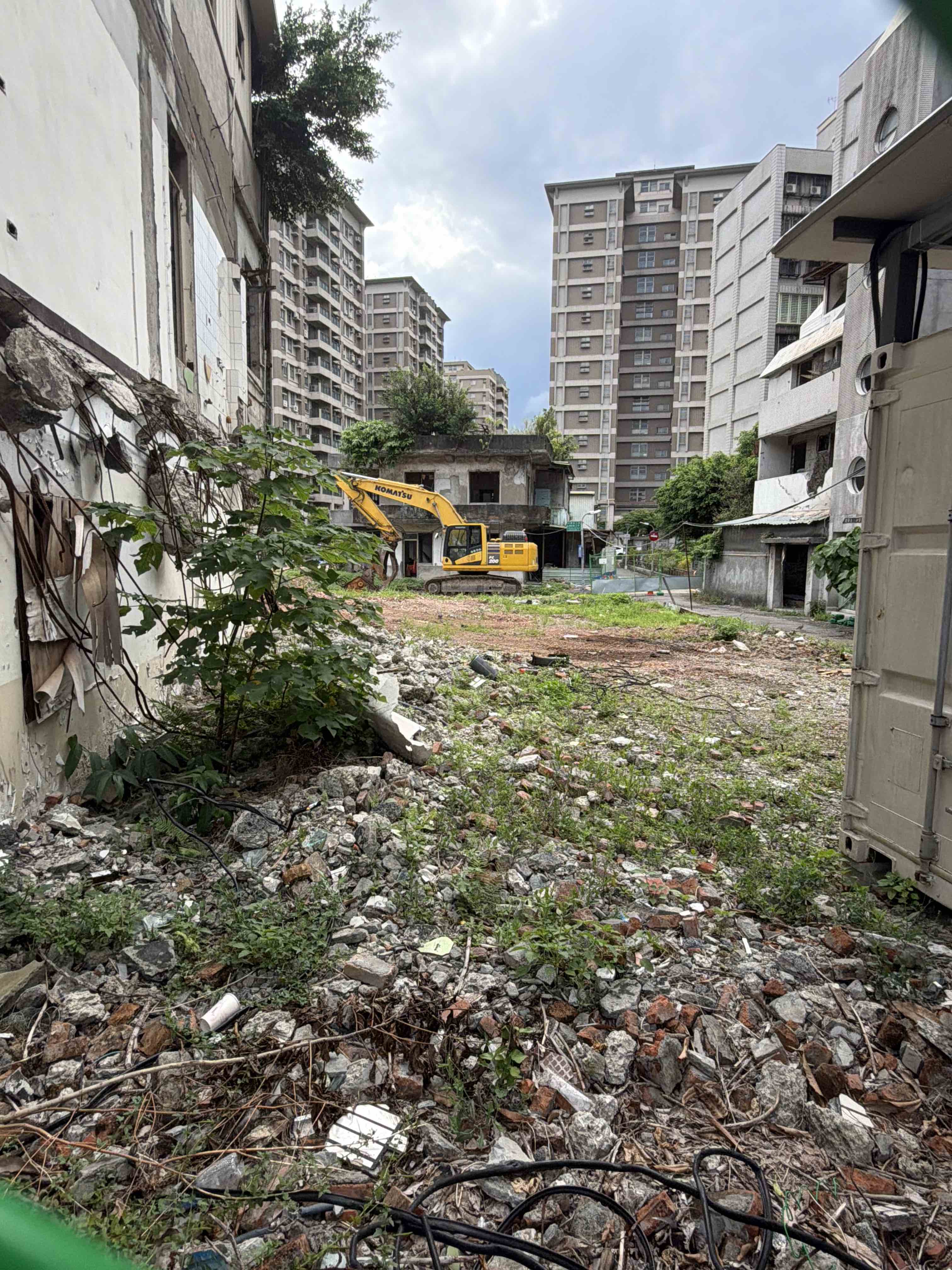
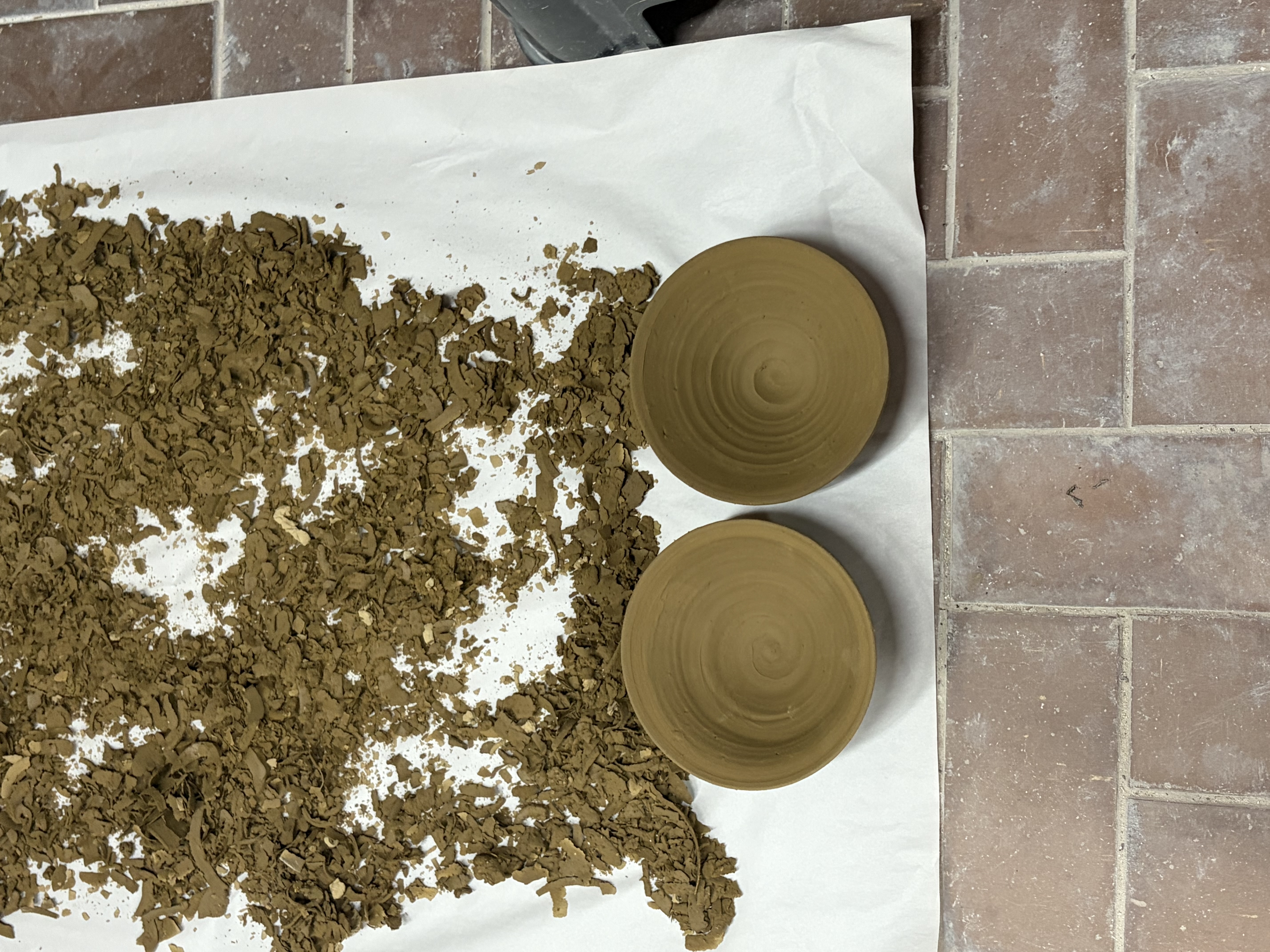
2. Researching Material Traces (Geological) in the Shadows of Taiwan's Urban Development
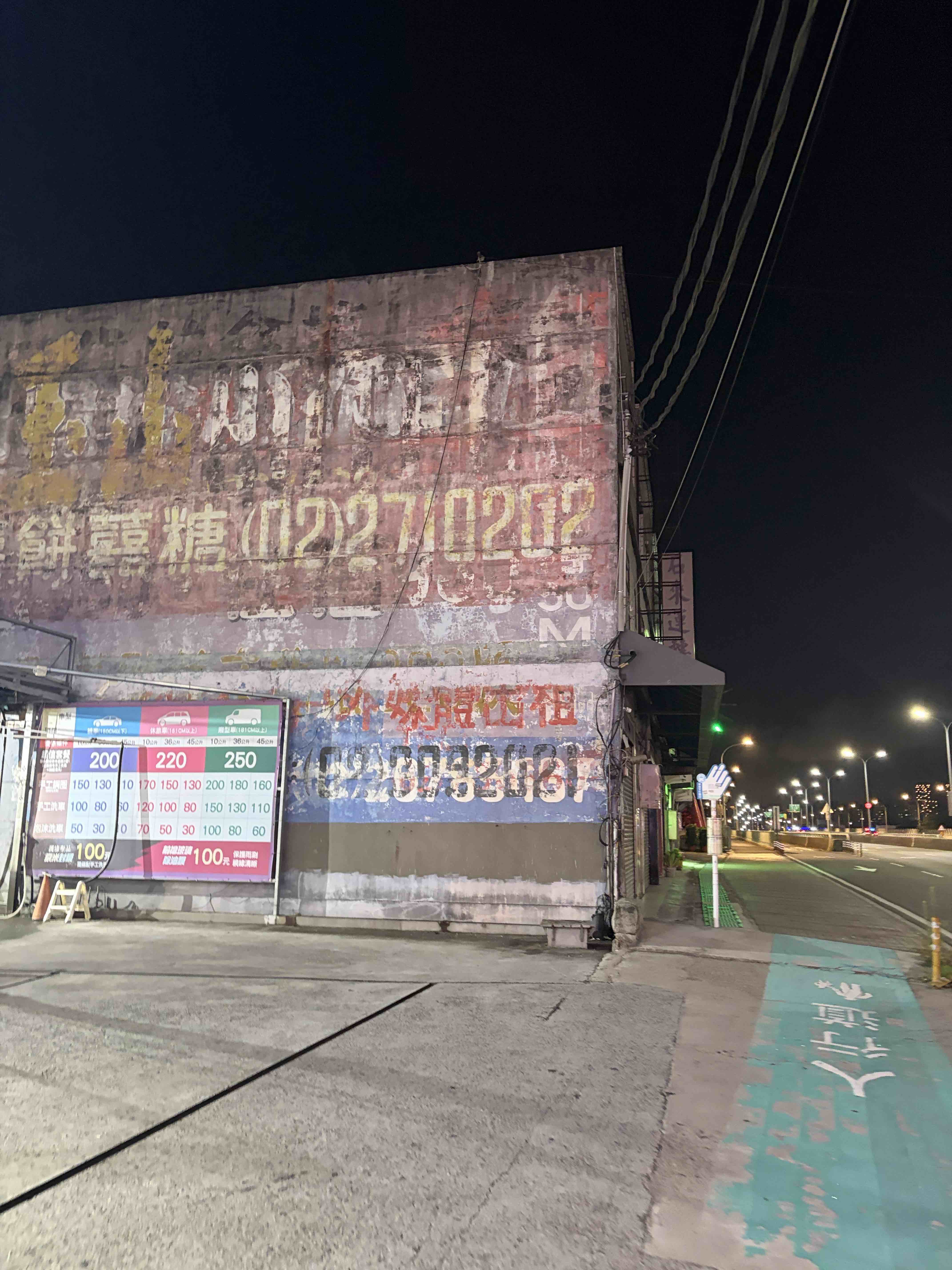
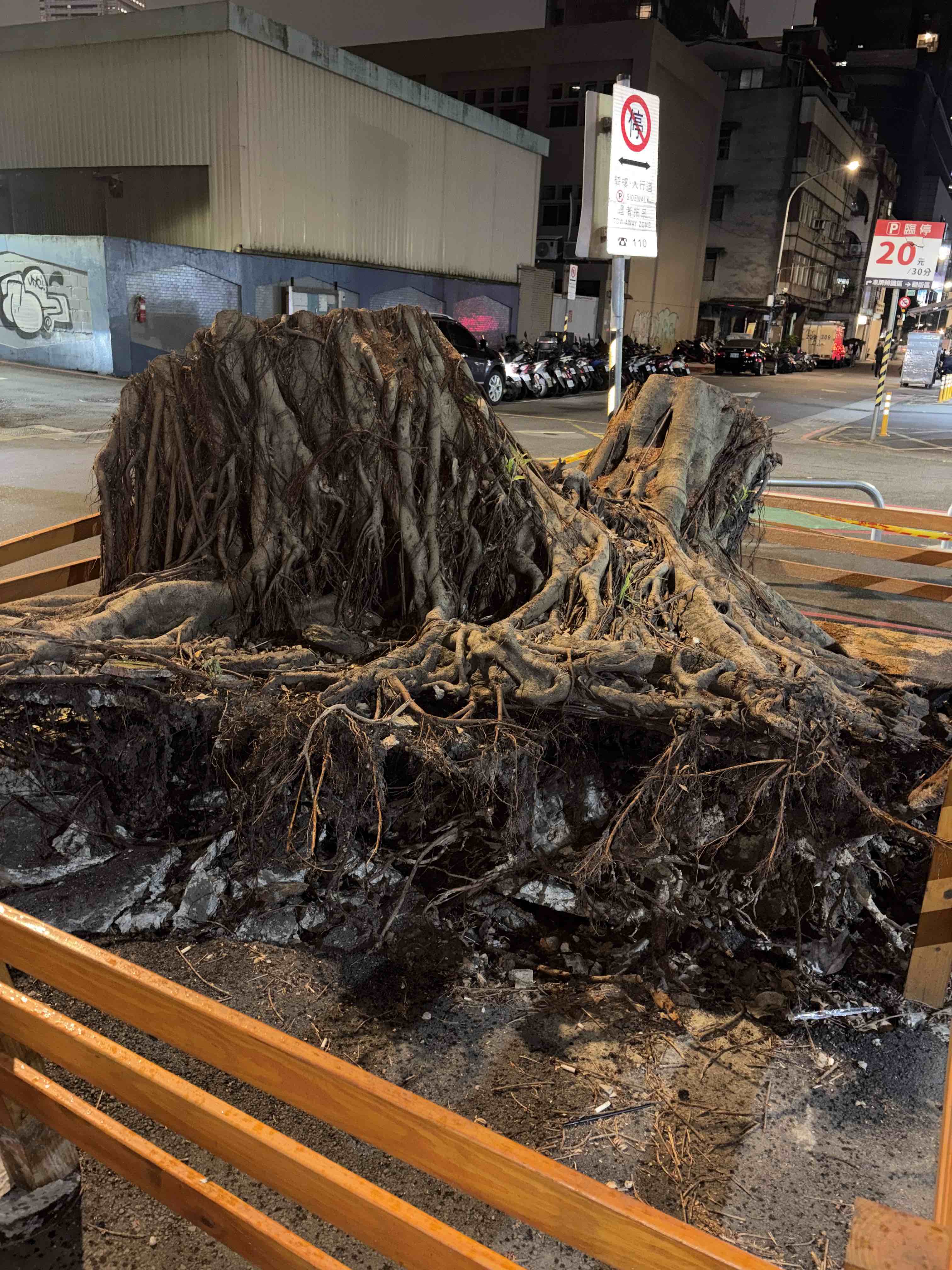
3. Collecting Unfamiliar Urban Images
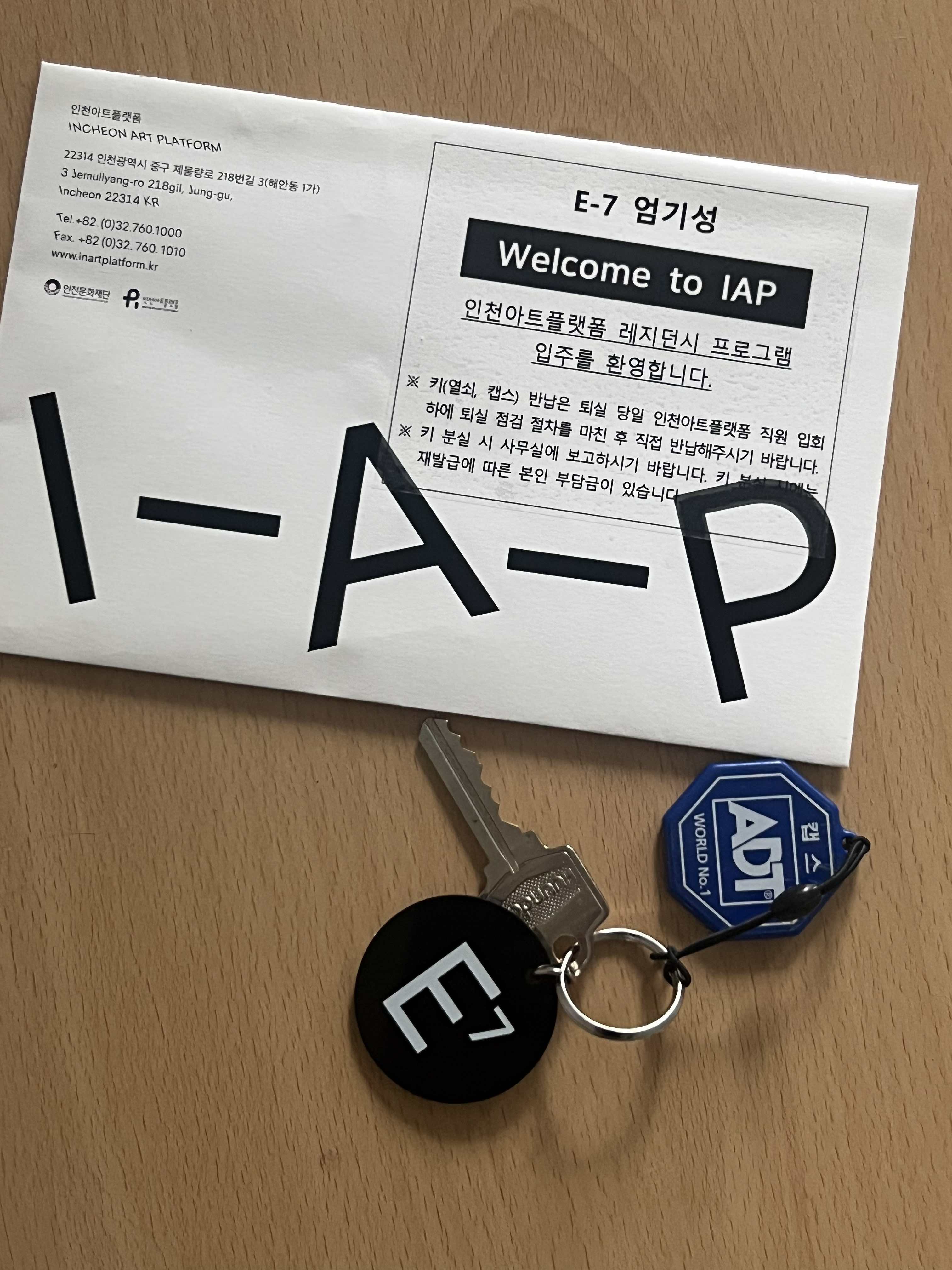
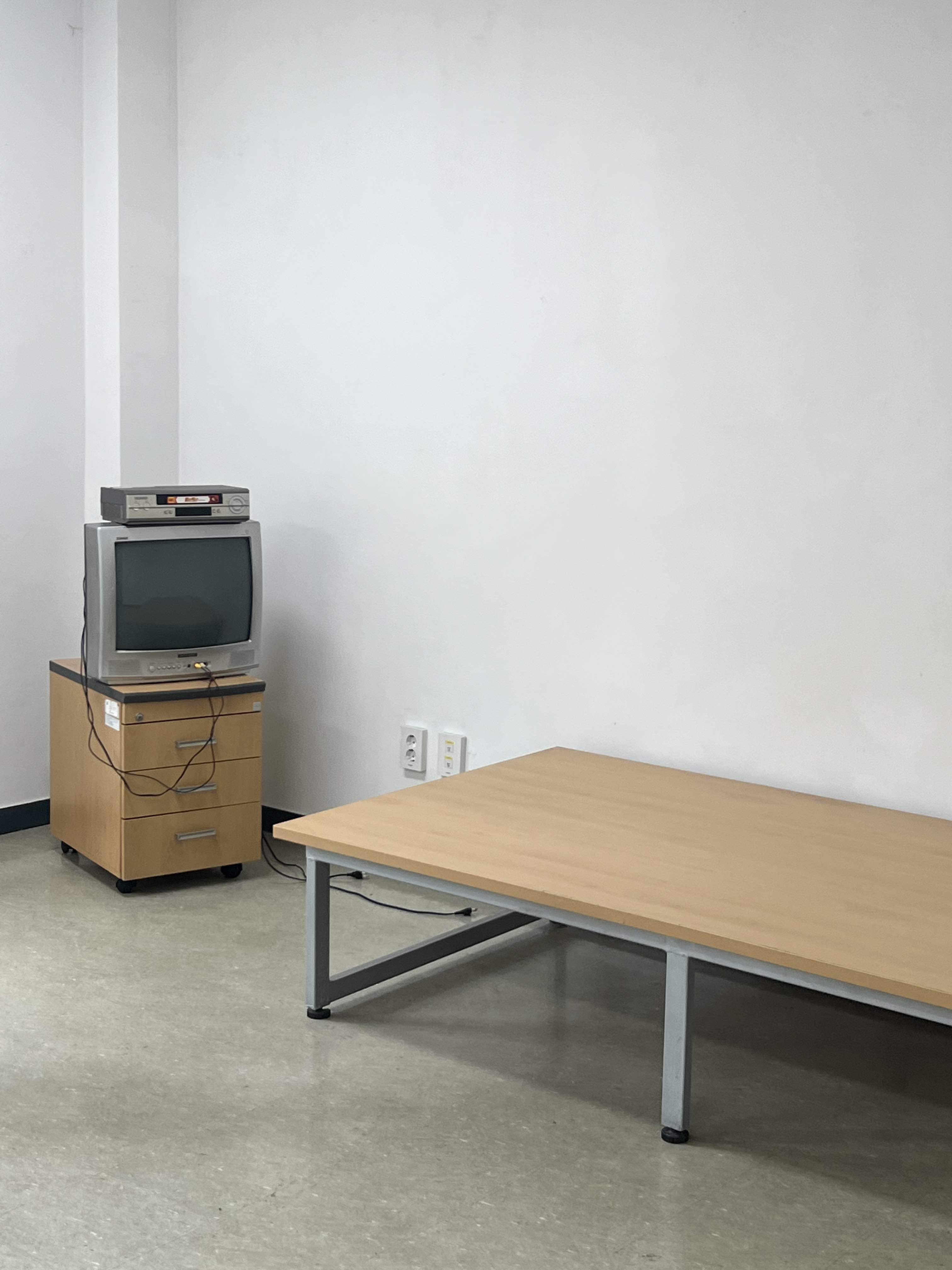
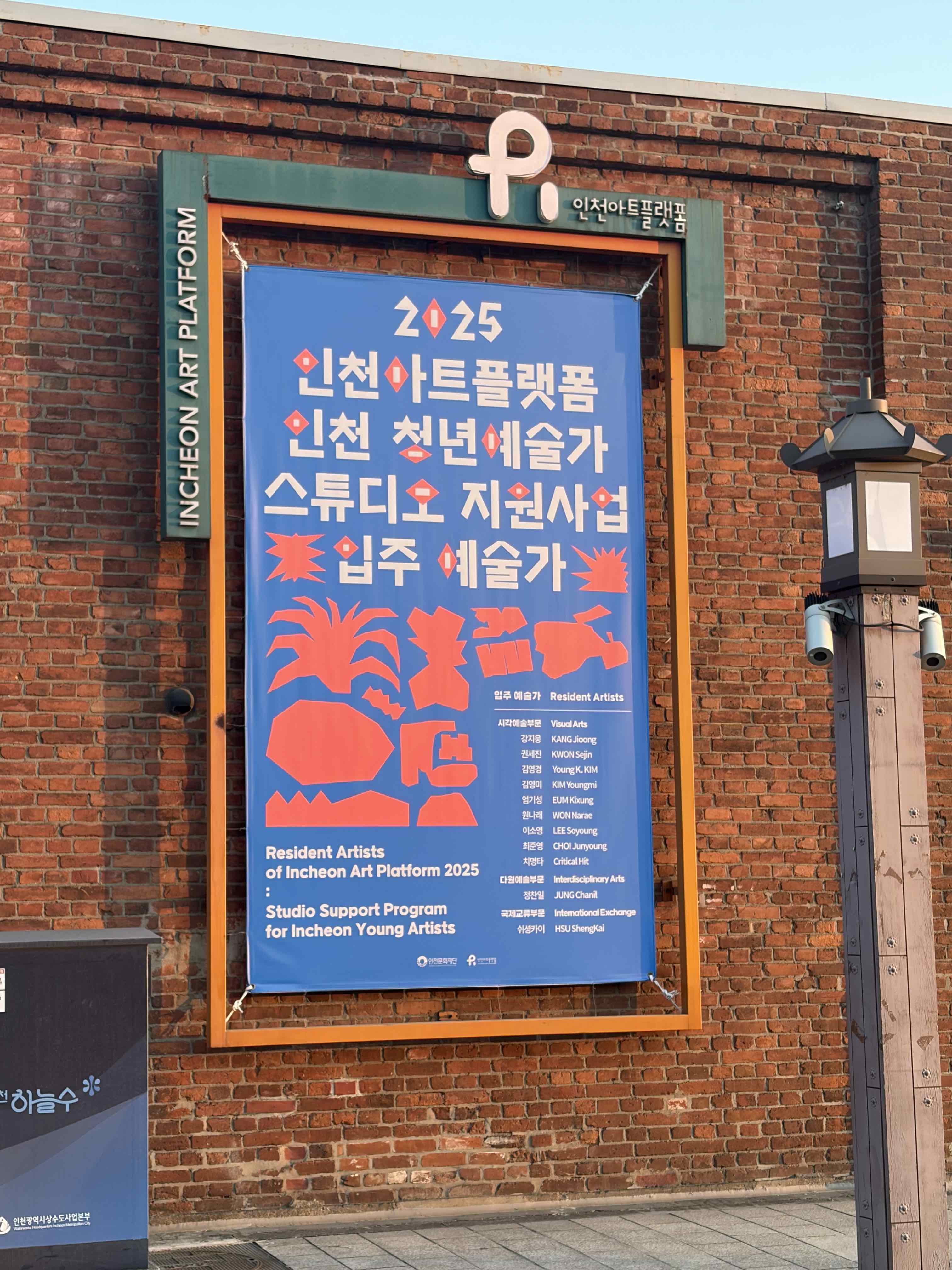
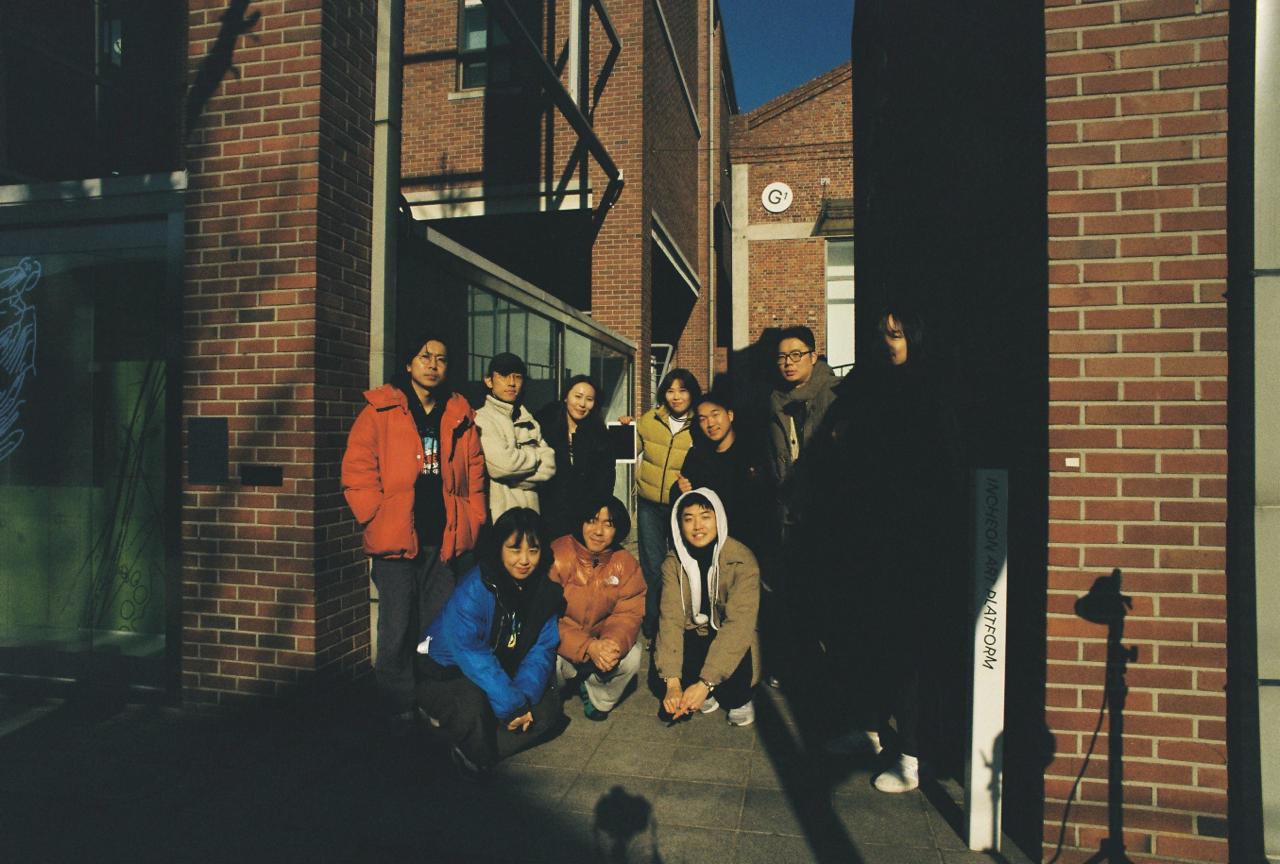
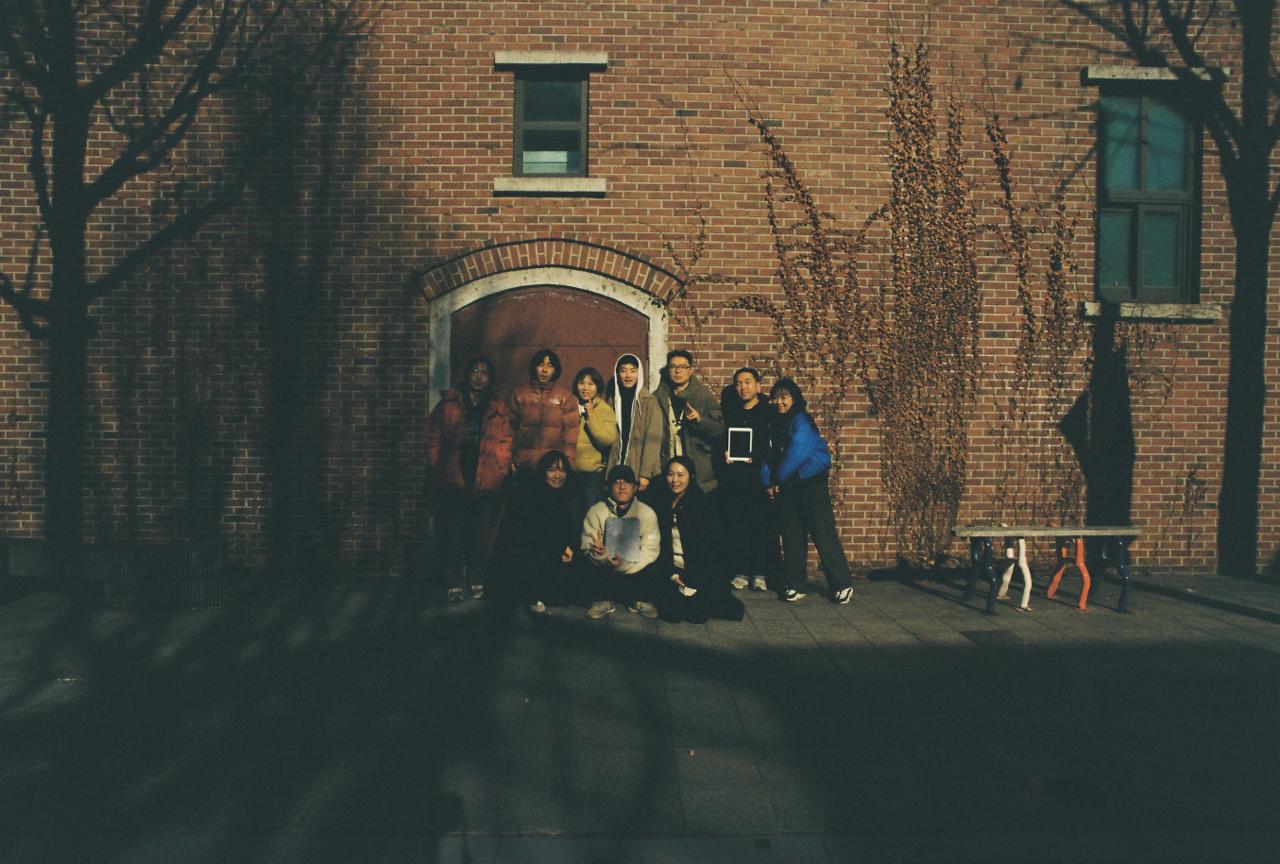
-Residency Period : July 1 ~ December 31, 2025
-Location : Incheon Art Platform (3, Jemullyang-ro 218beon-gil, Jemulpo-gu, Incheon, Korea)
-Room No. : E-7
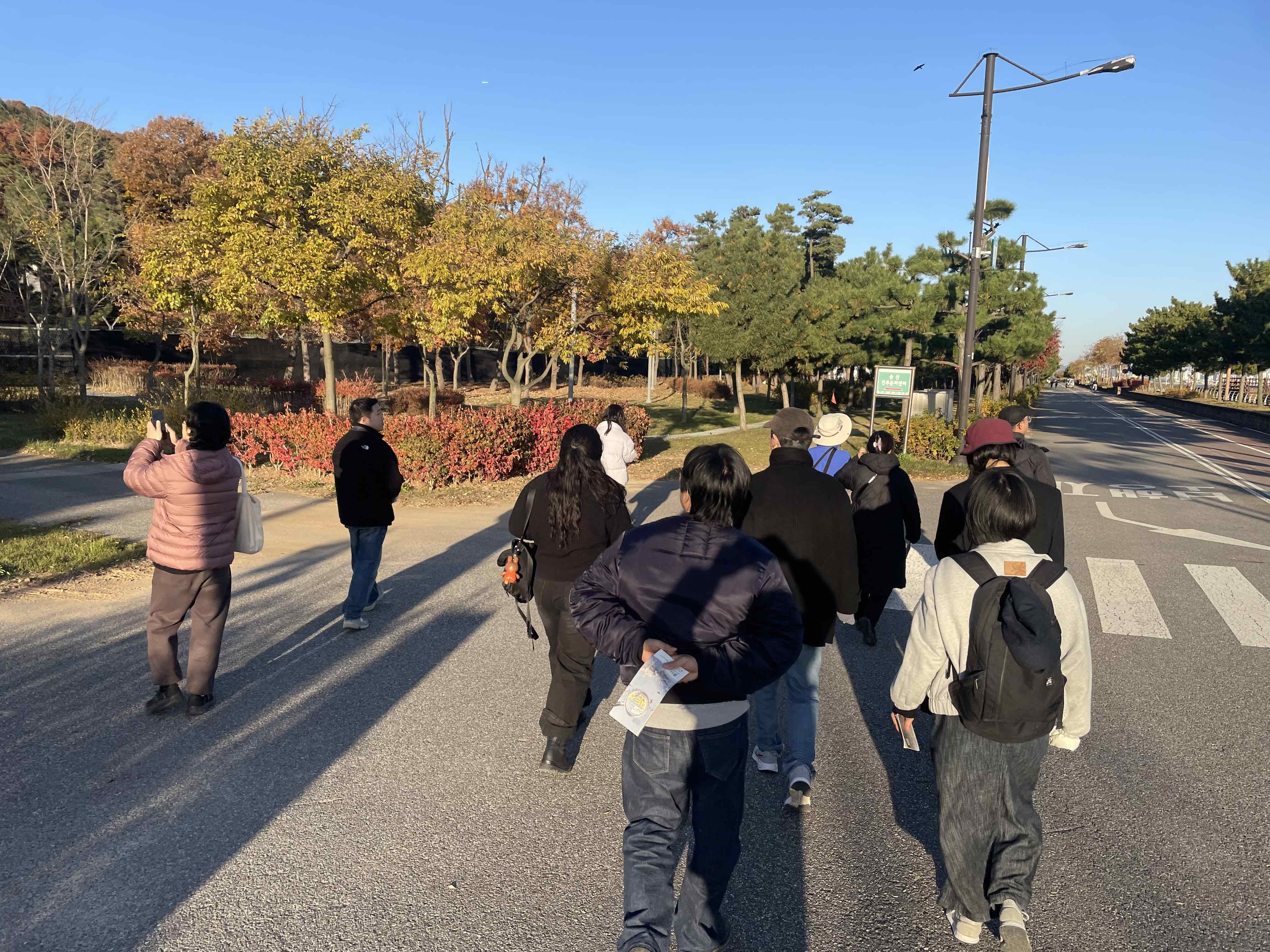
-Residency Plan :
1. Field Research (Focused on Development Zones)
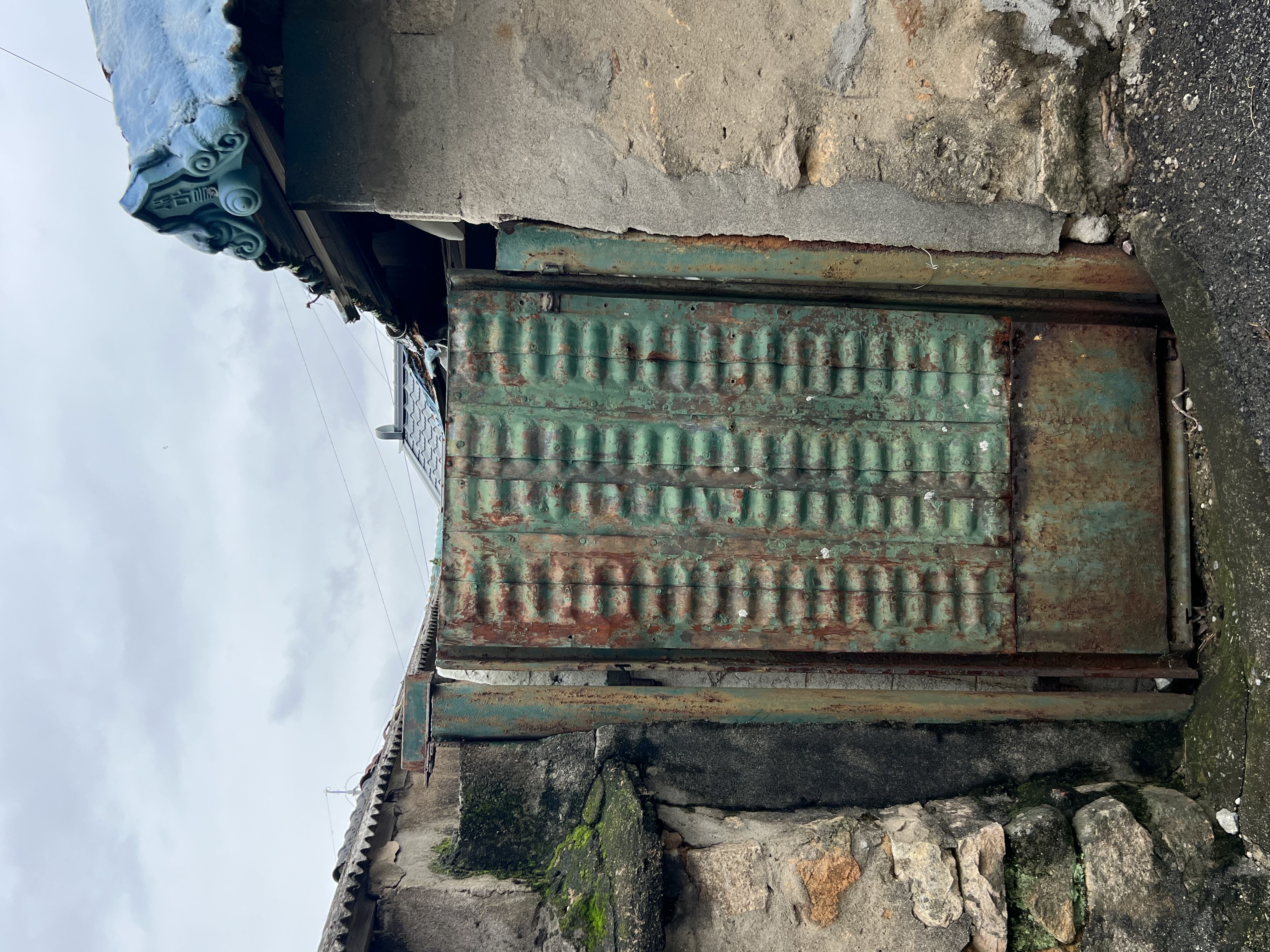
2. Research on traces of human presence remaining in the area—focused on development zones
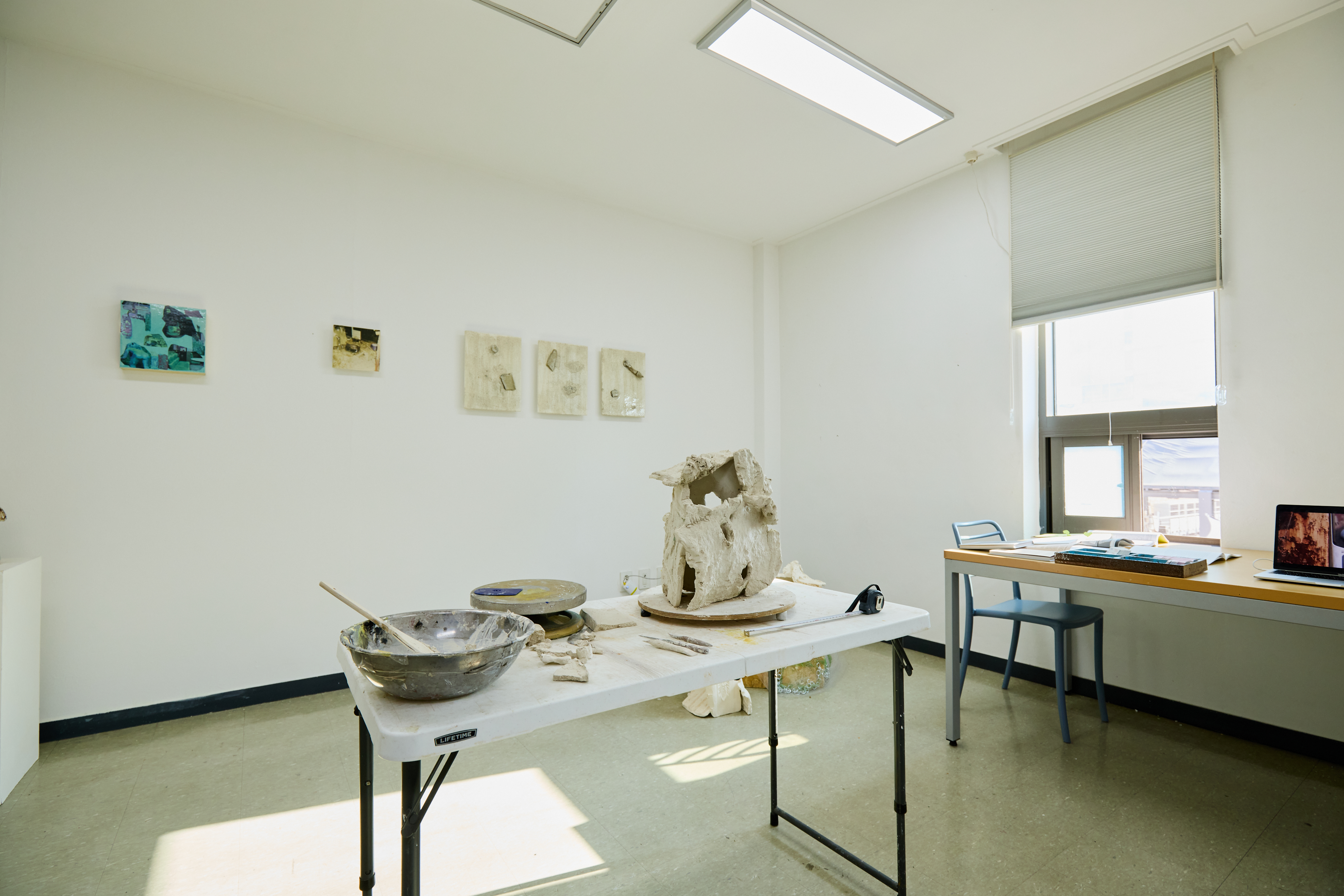
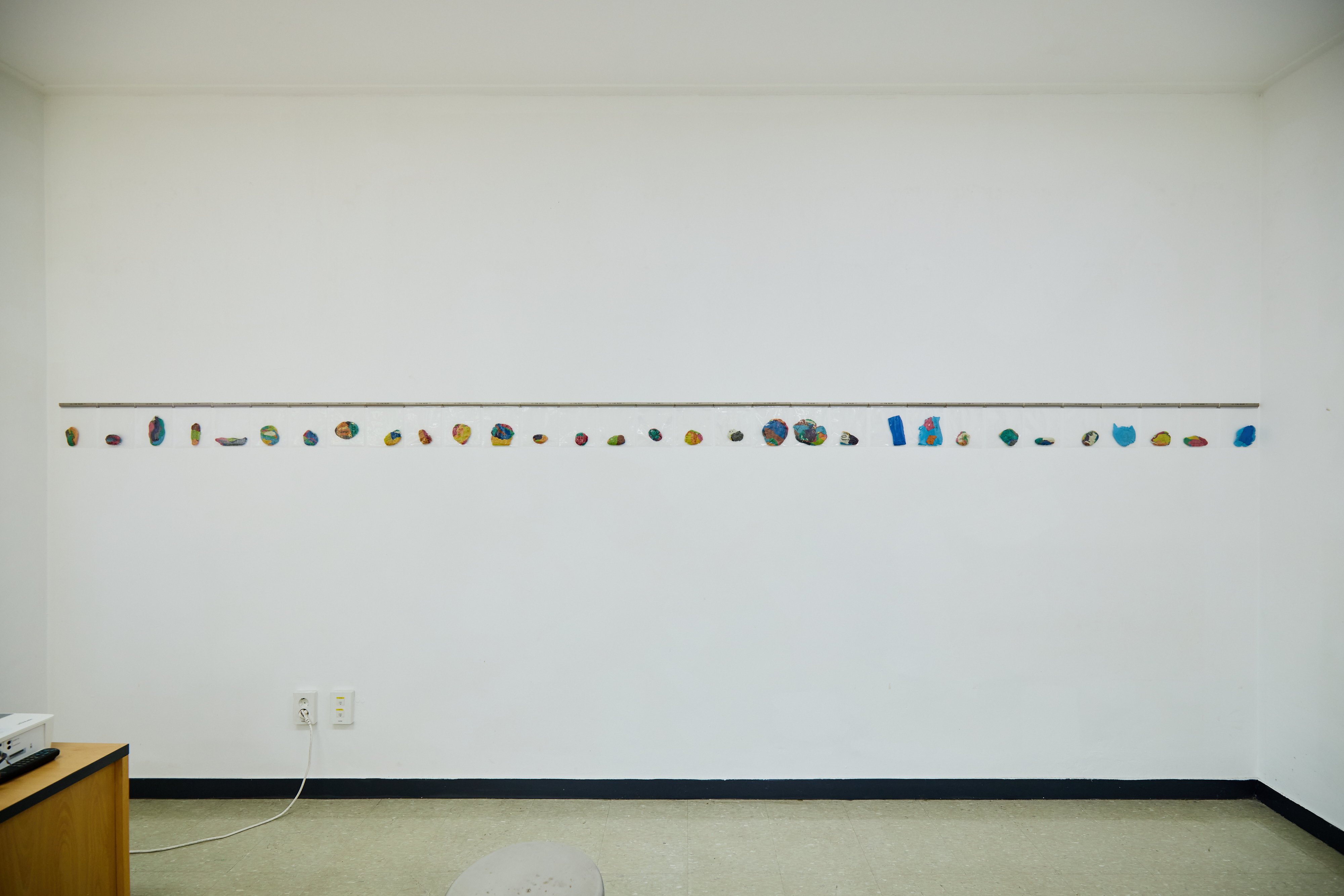
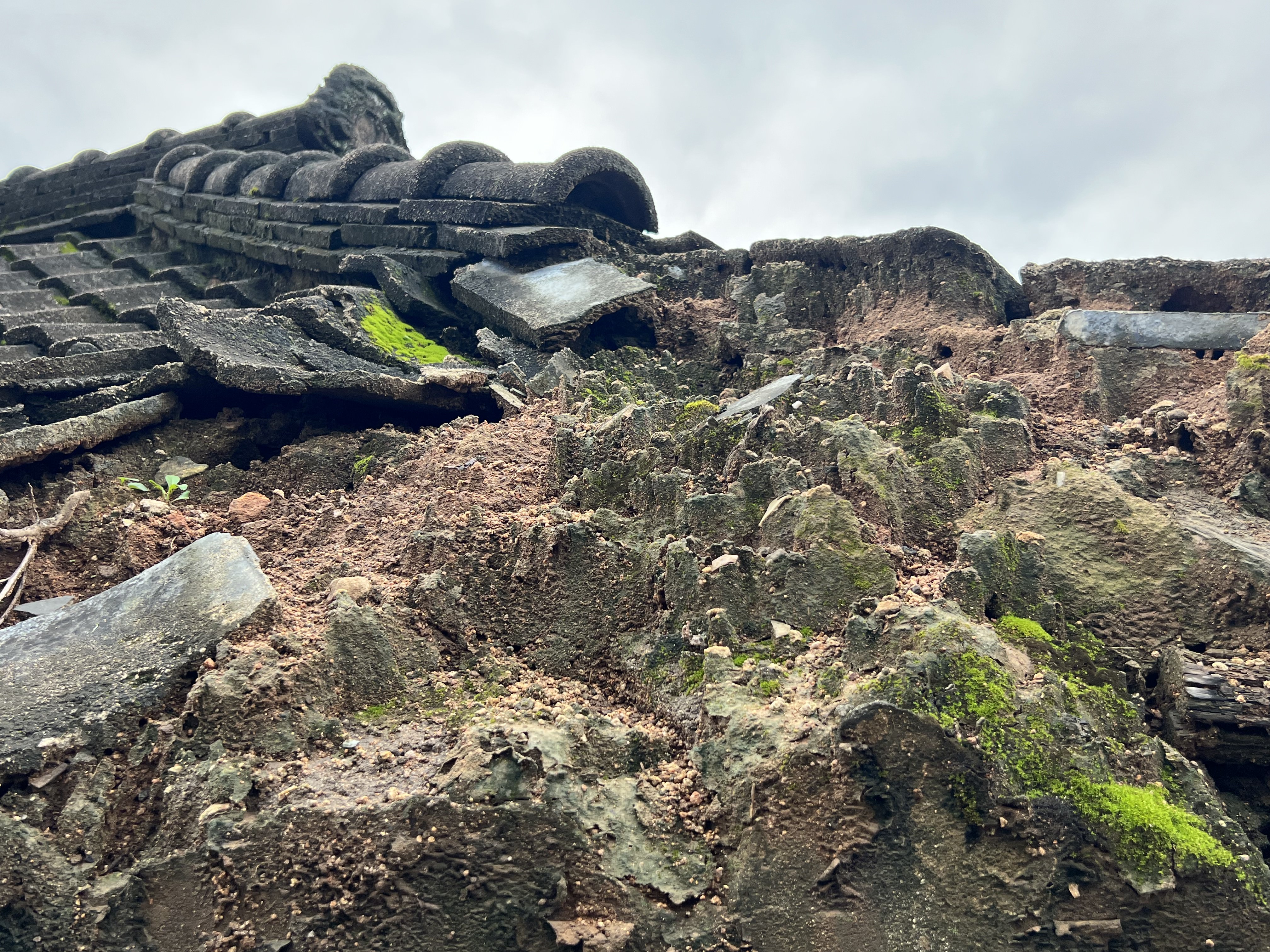
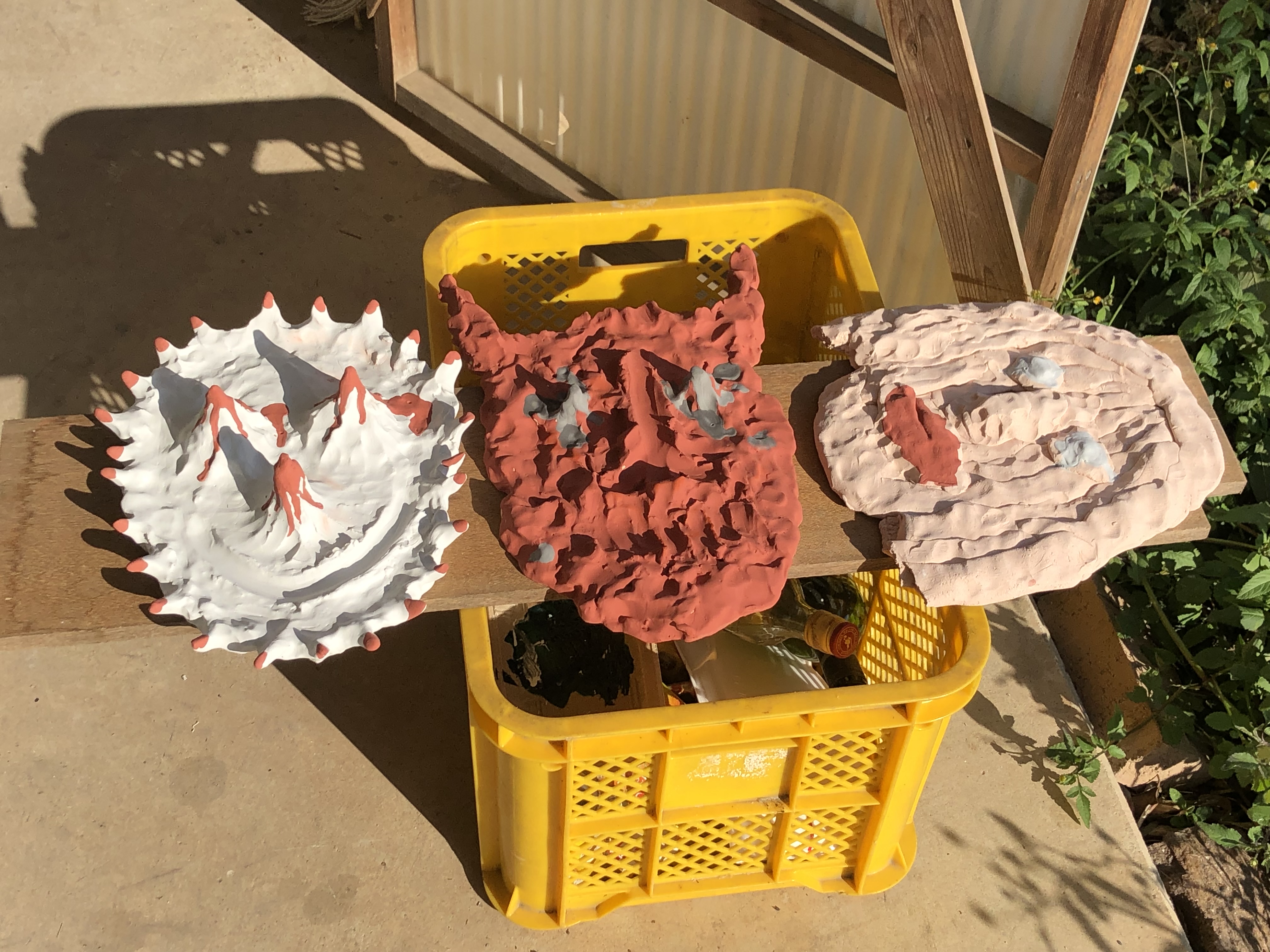
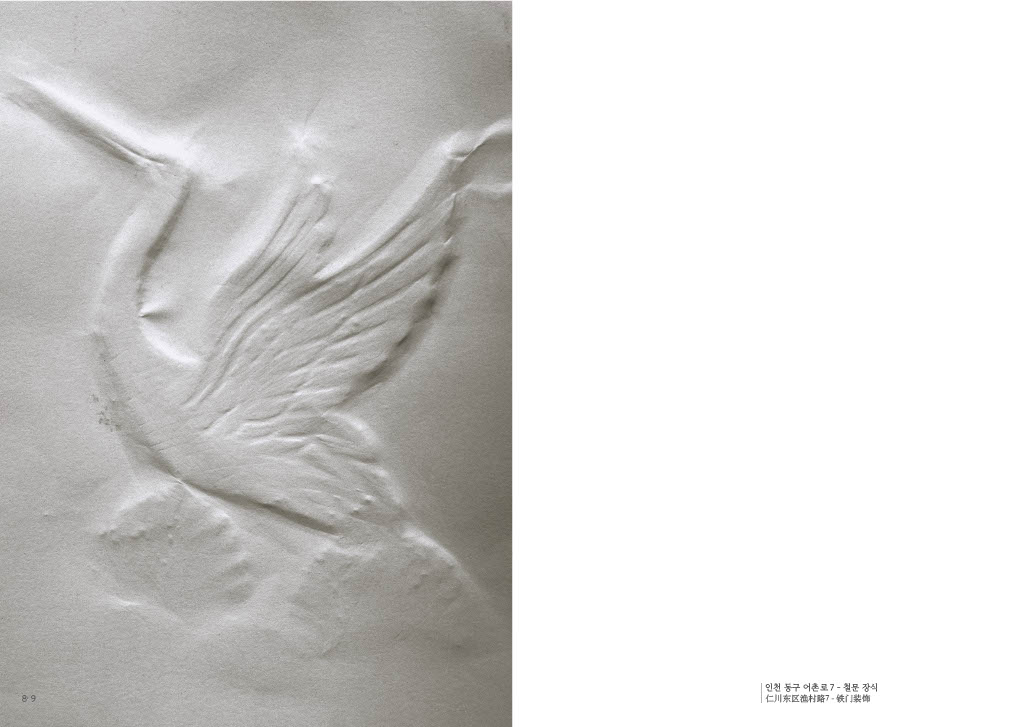
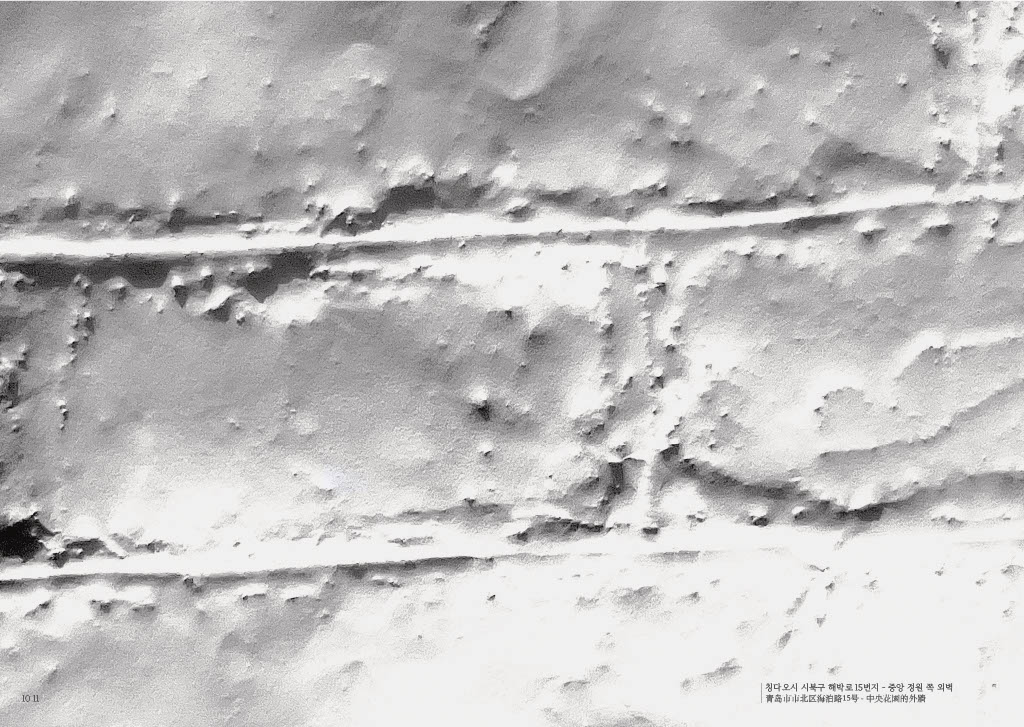
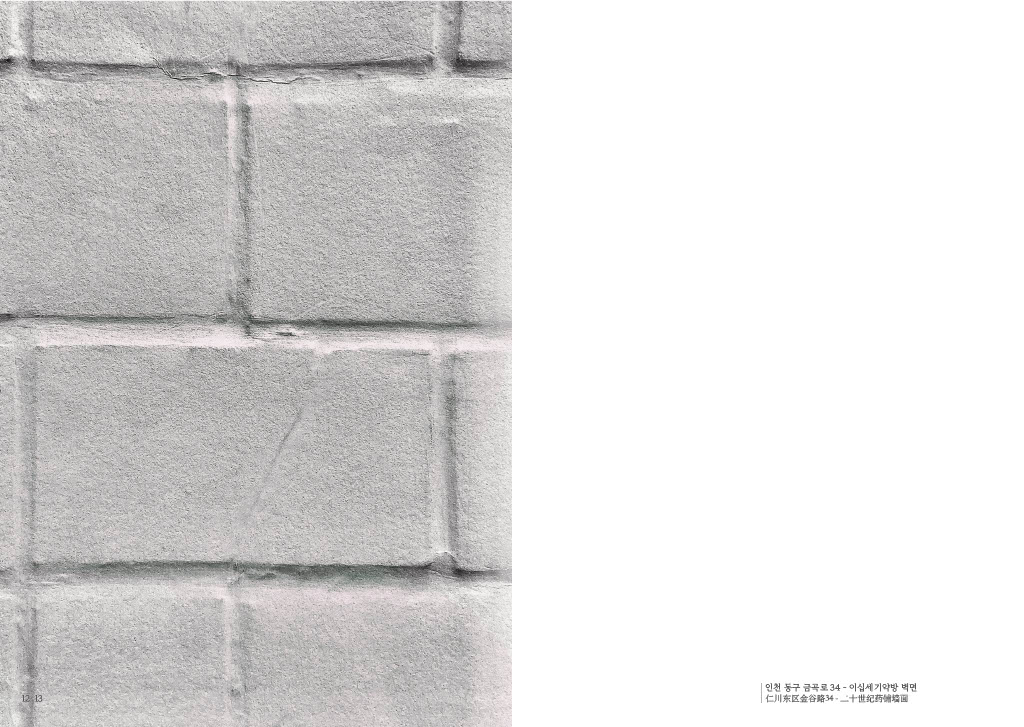
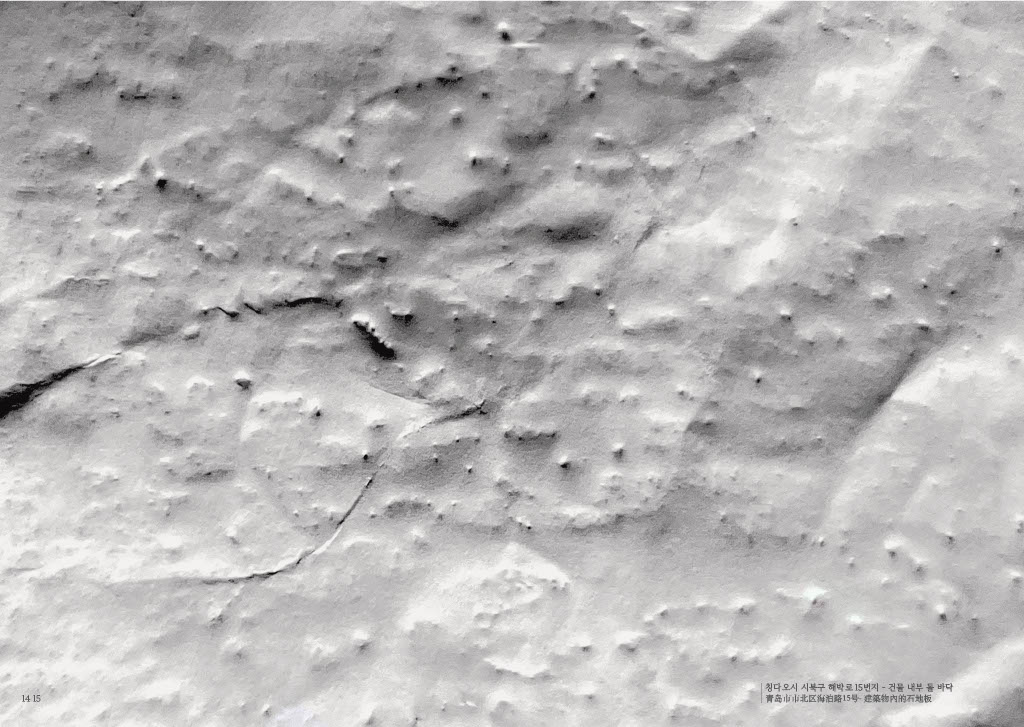
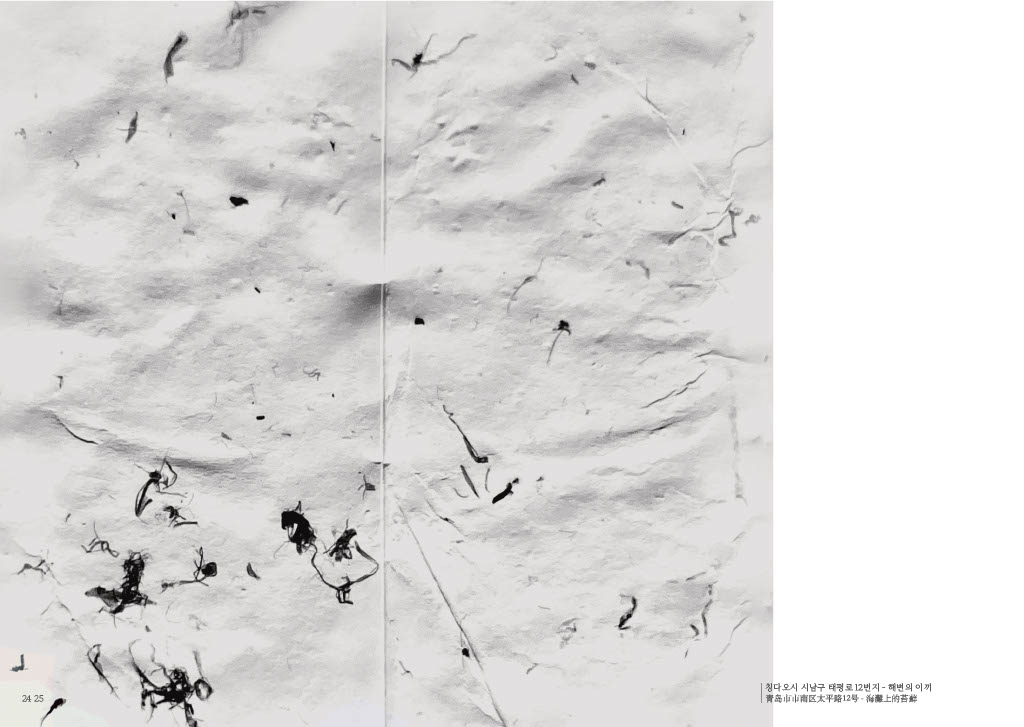
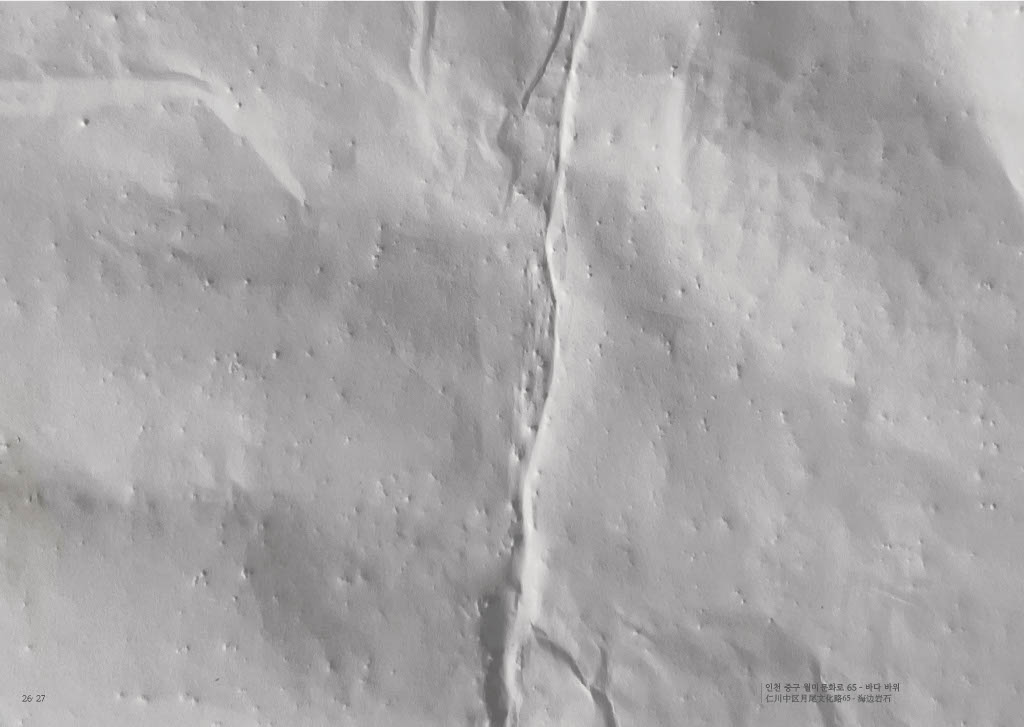
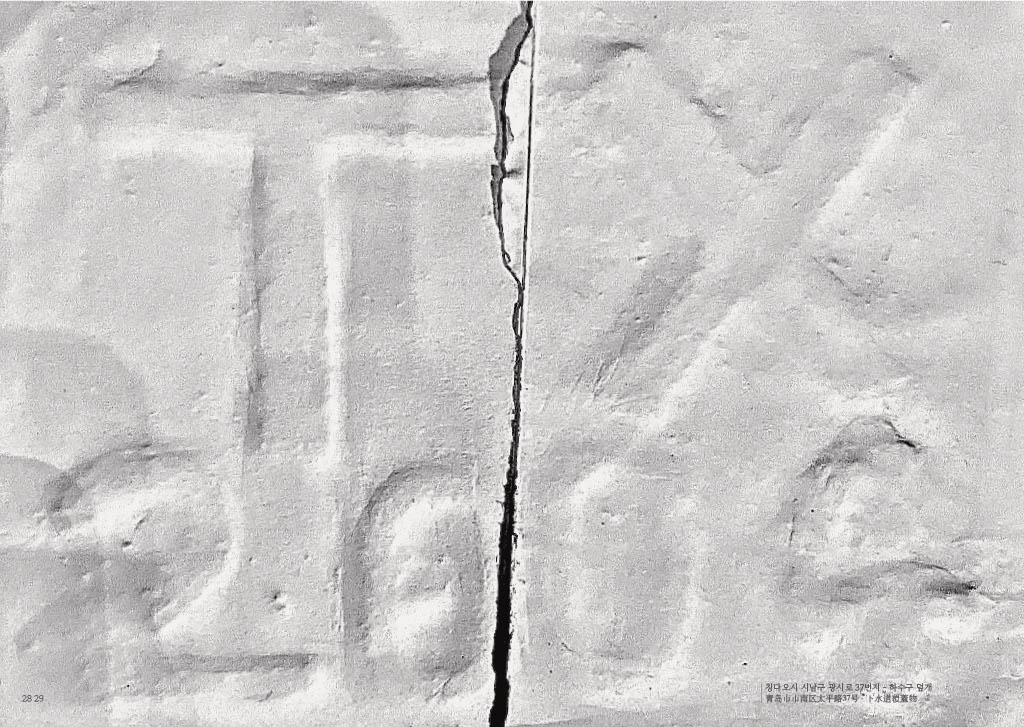
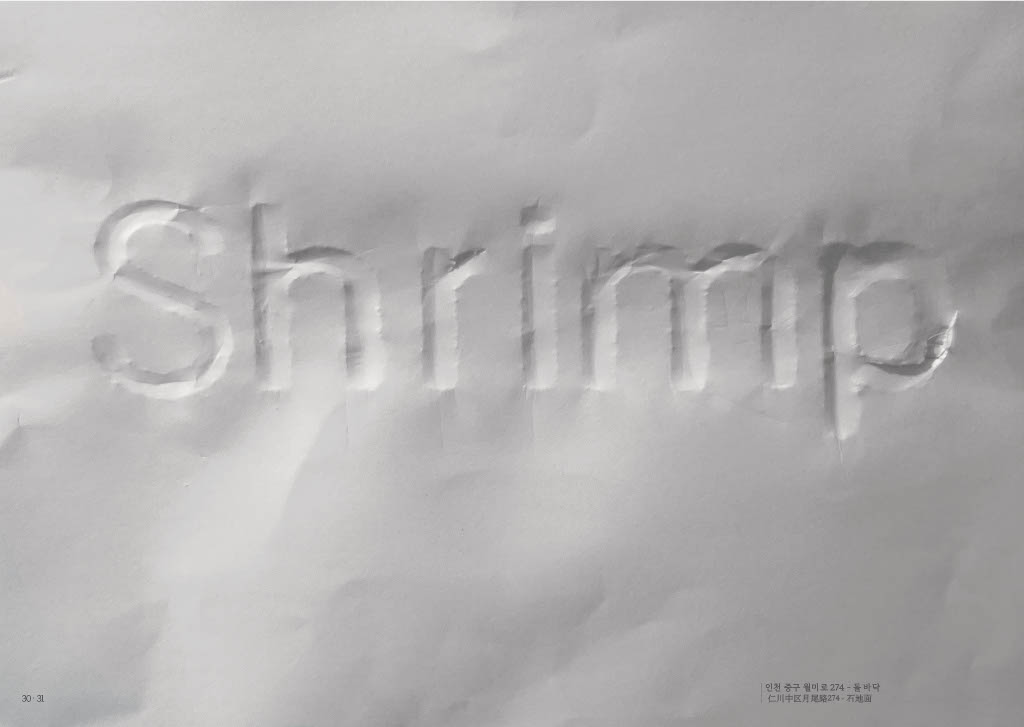
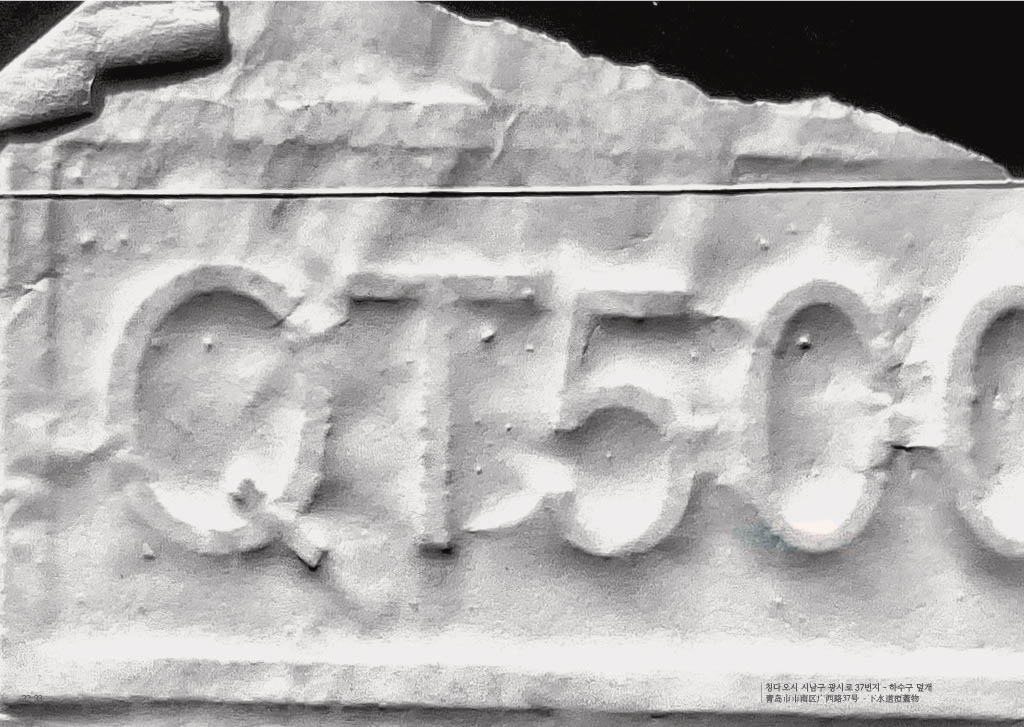
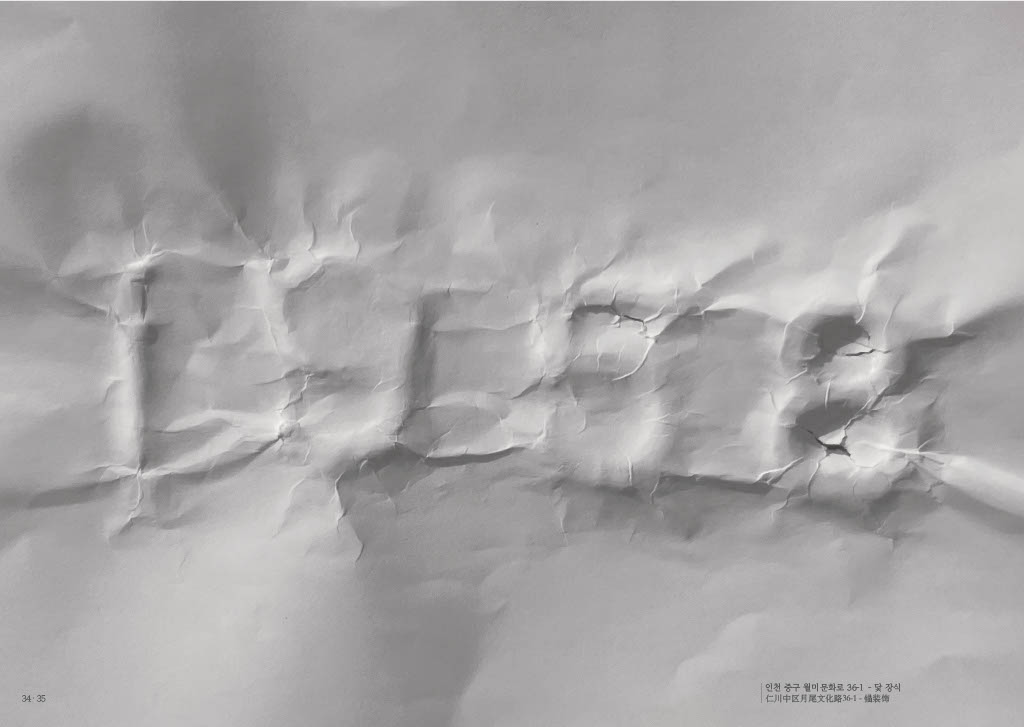
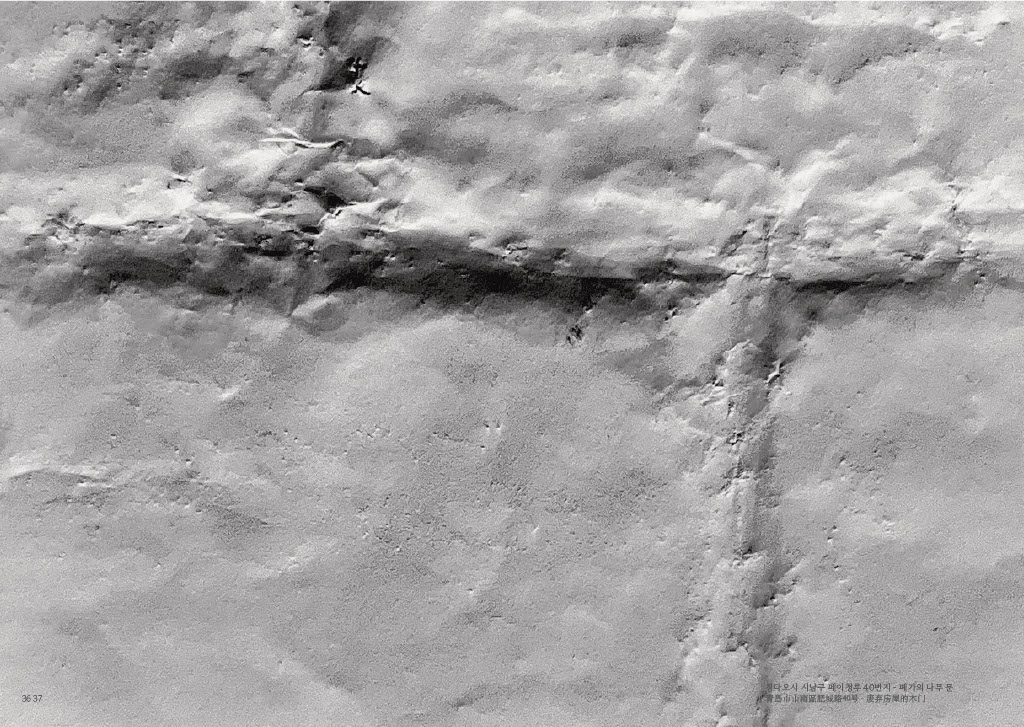
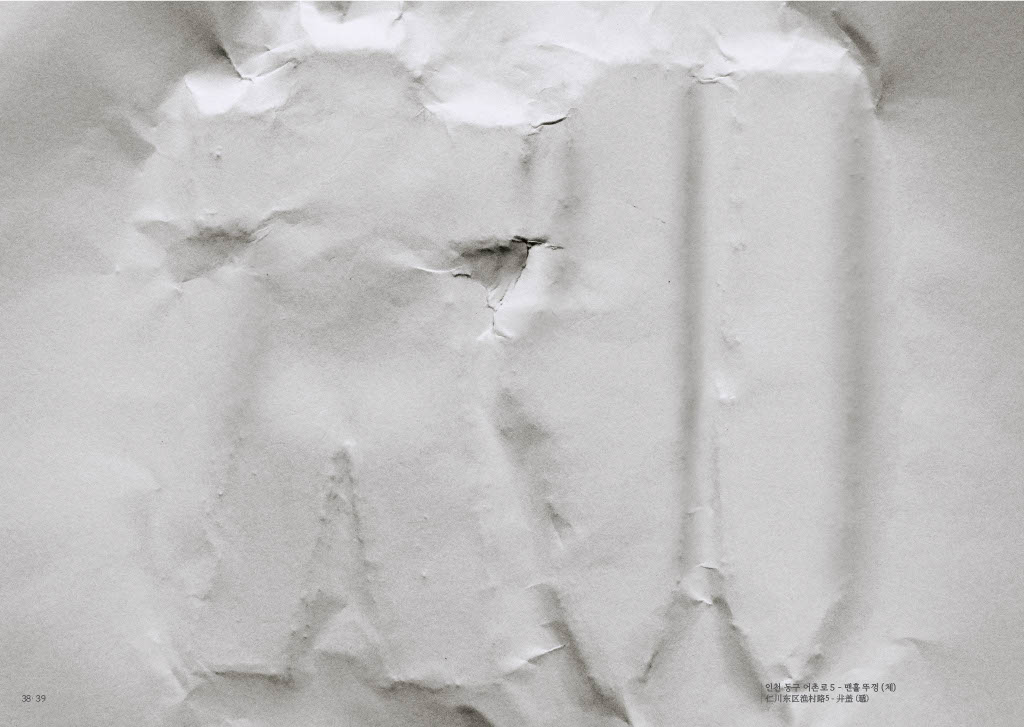
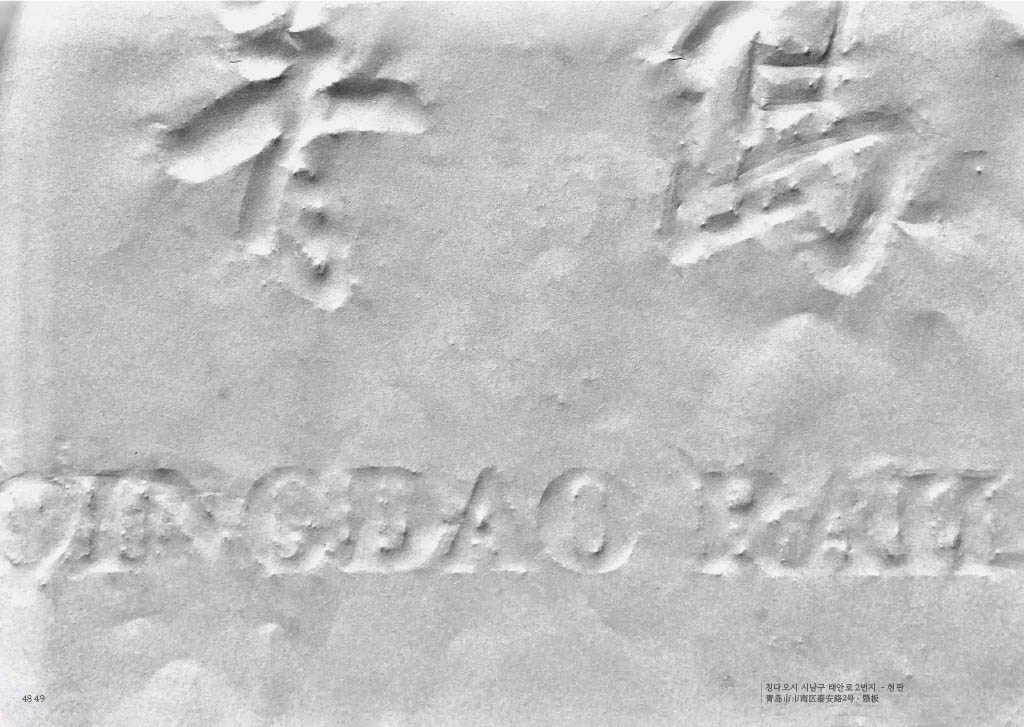
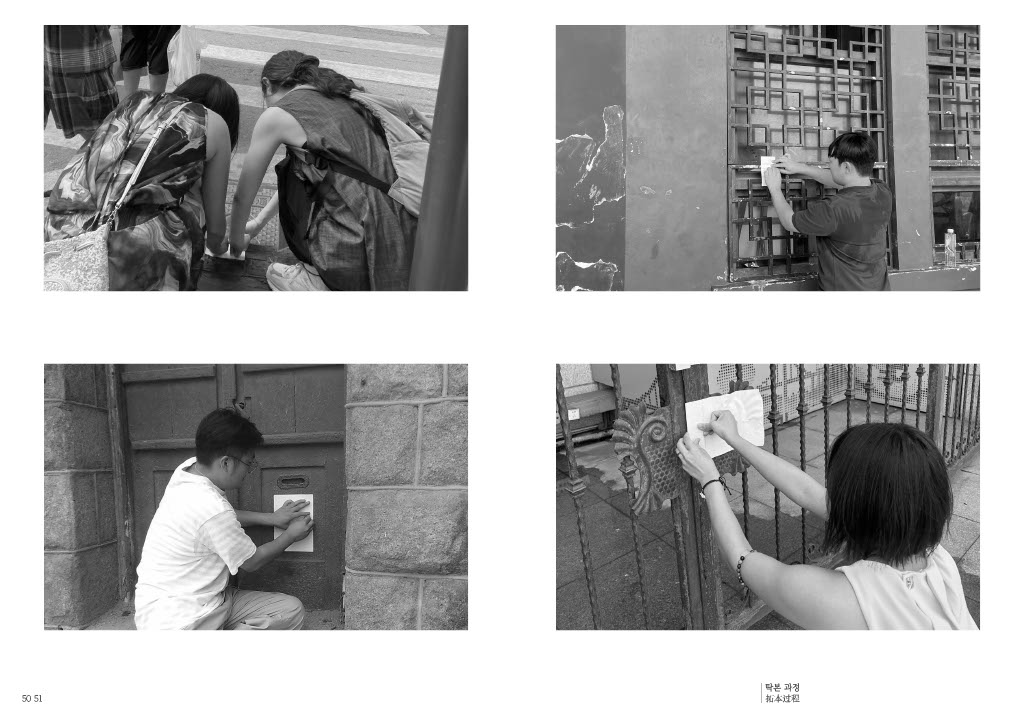
3. A series of clay rubbings produced directly at the research site
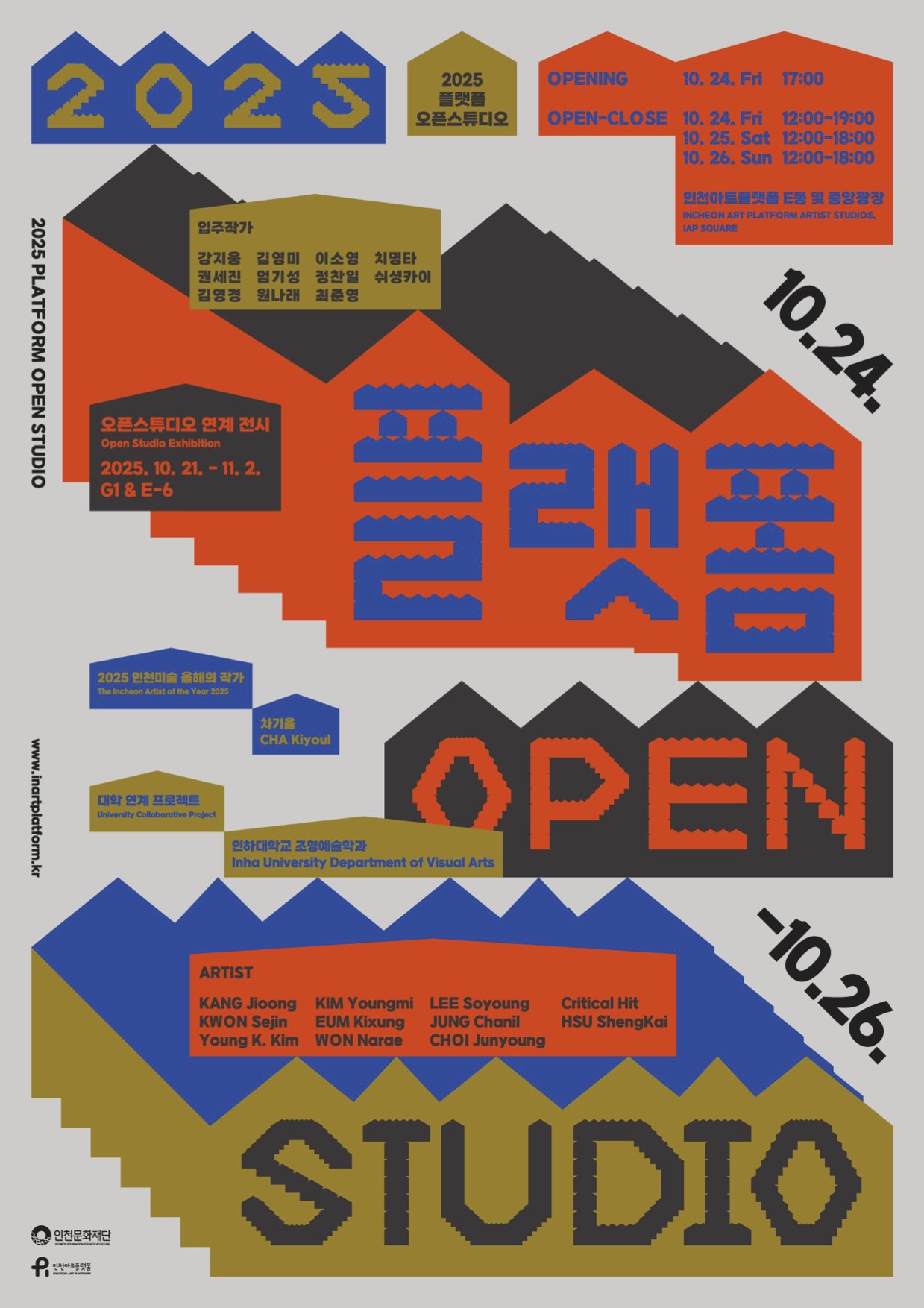
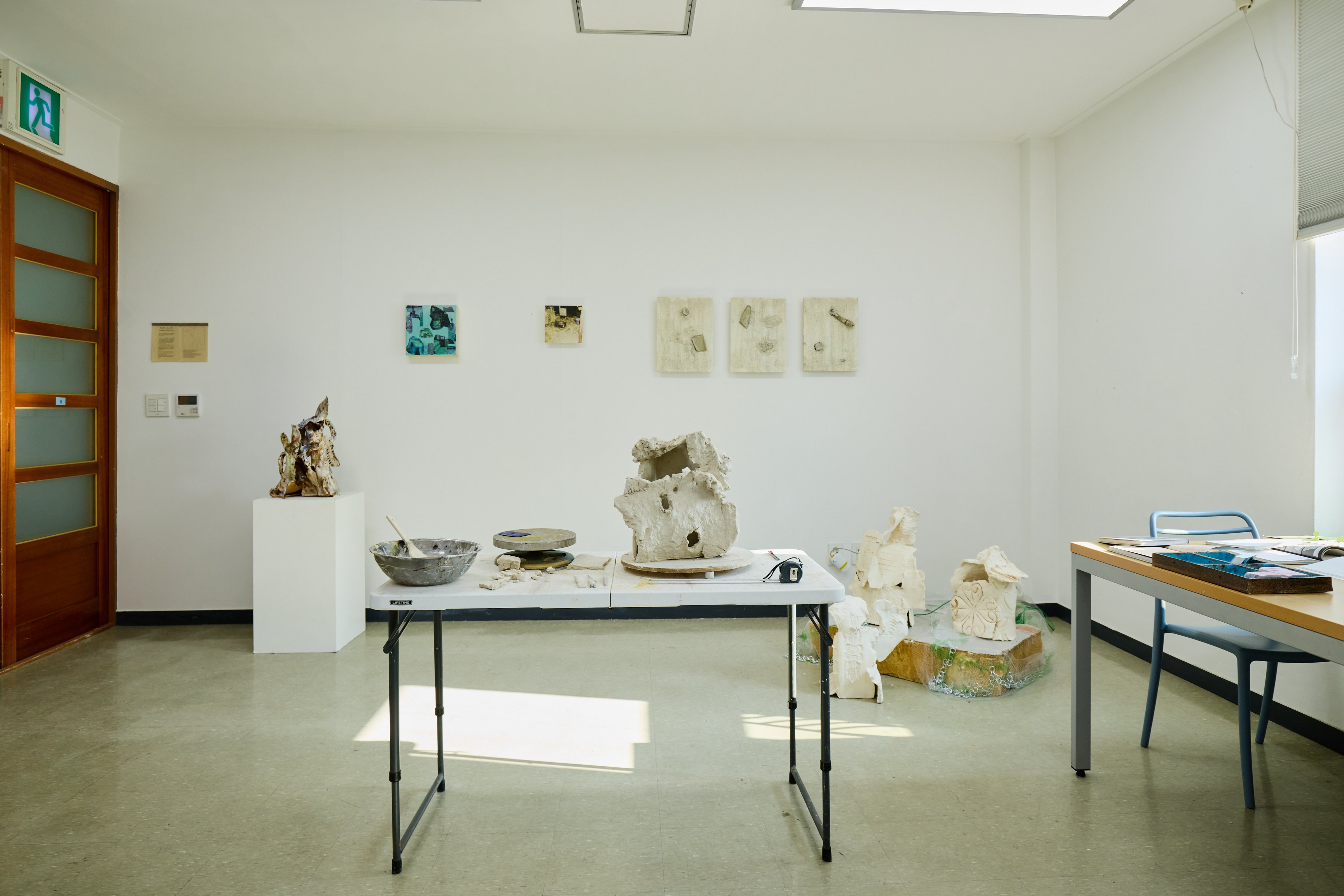
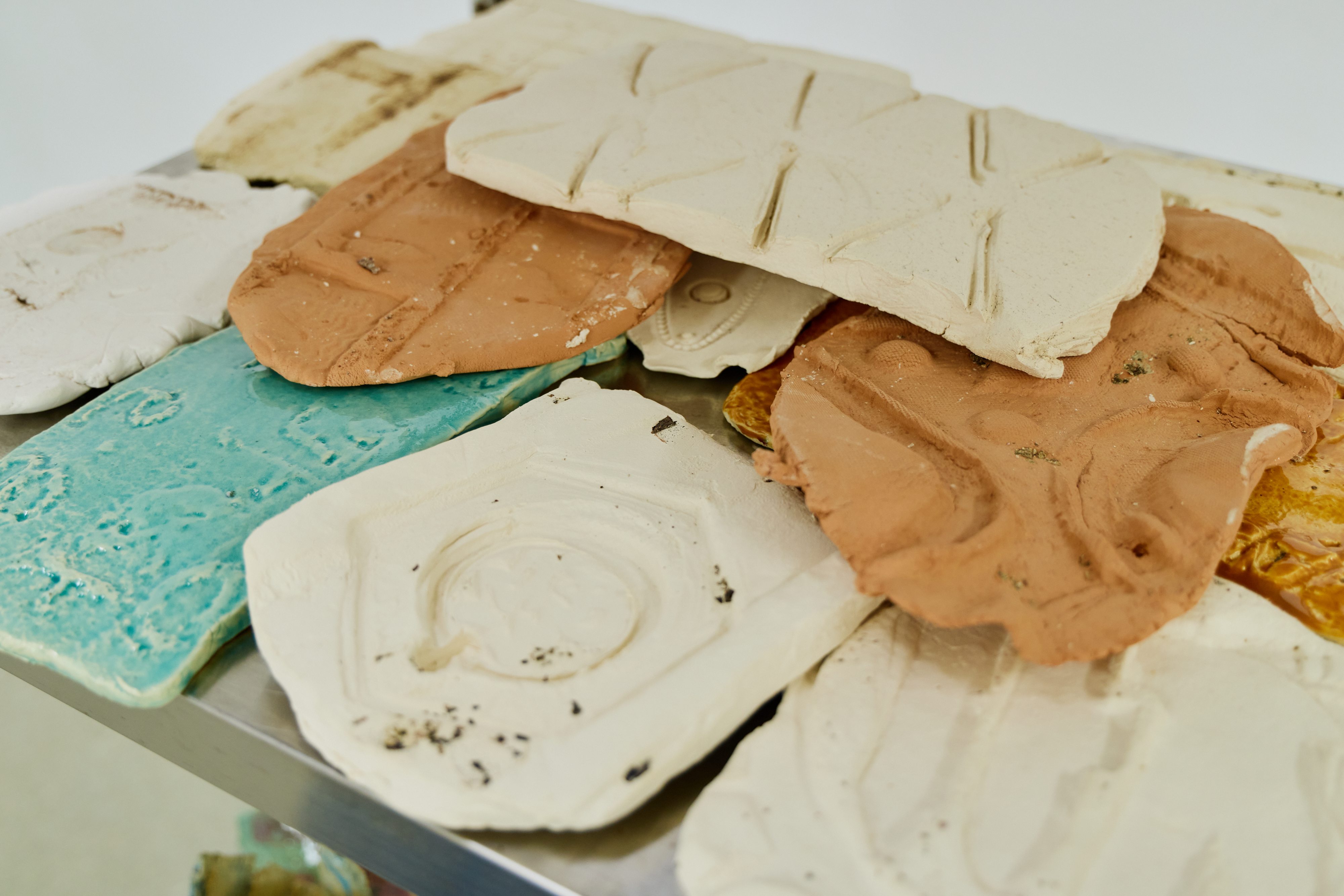
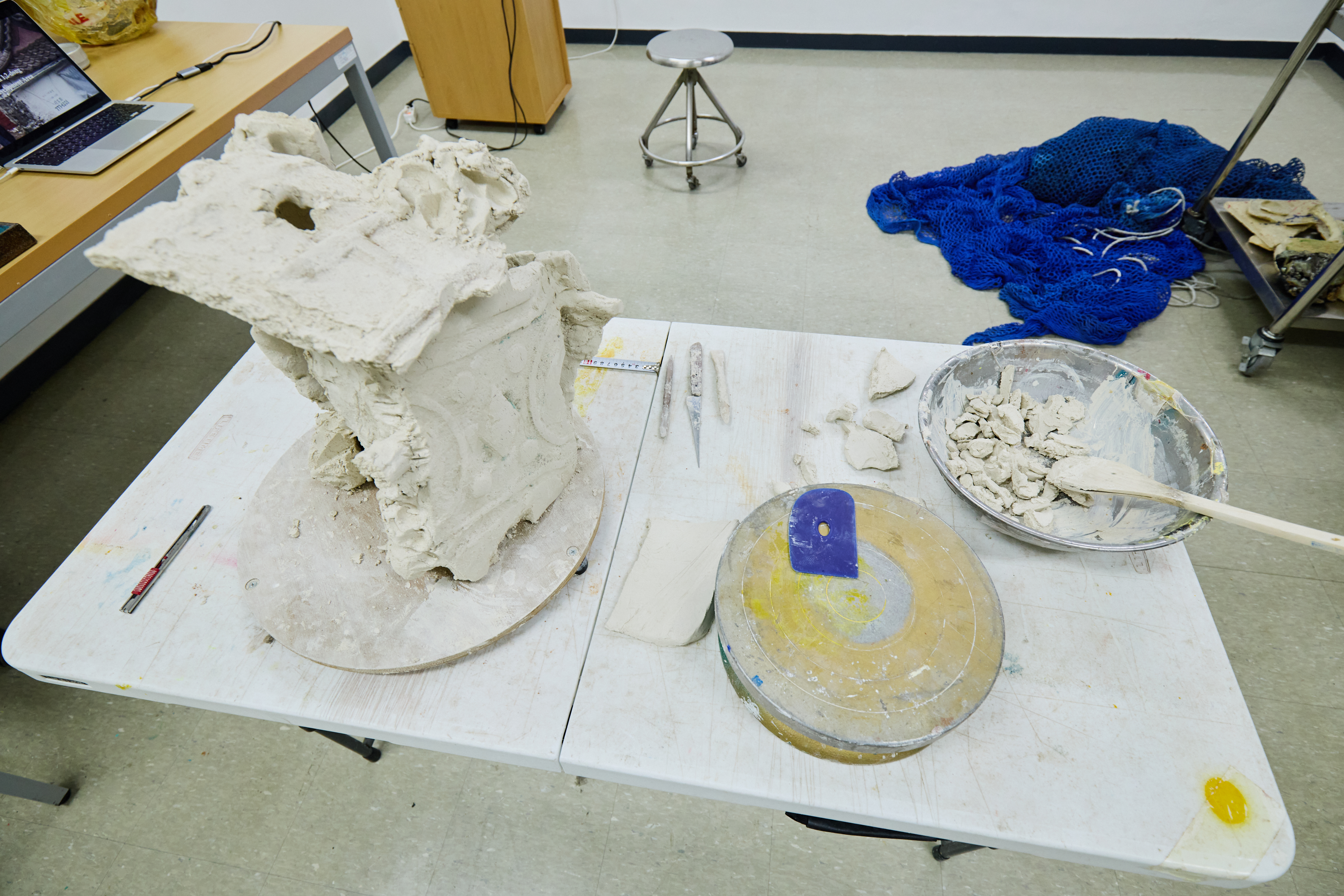
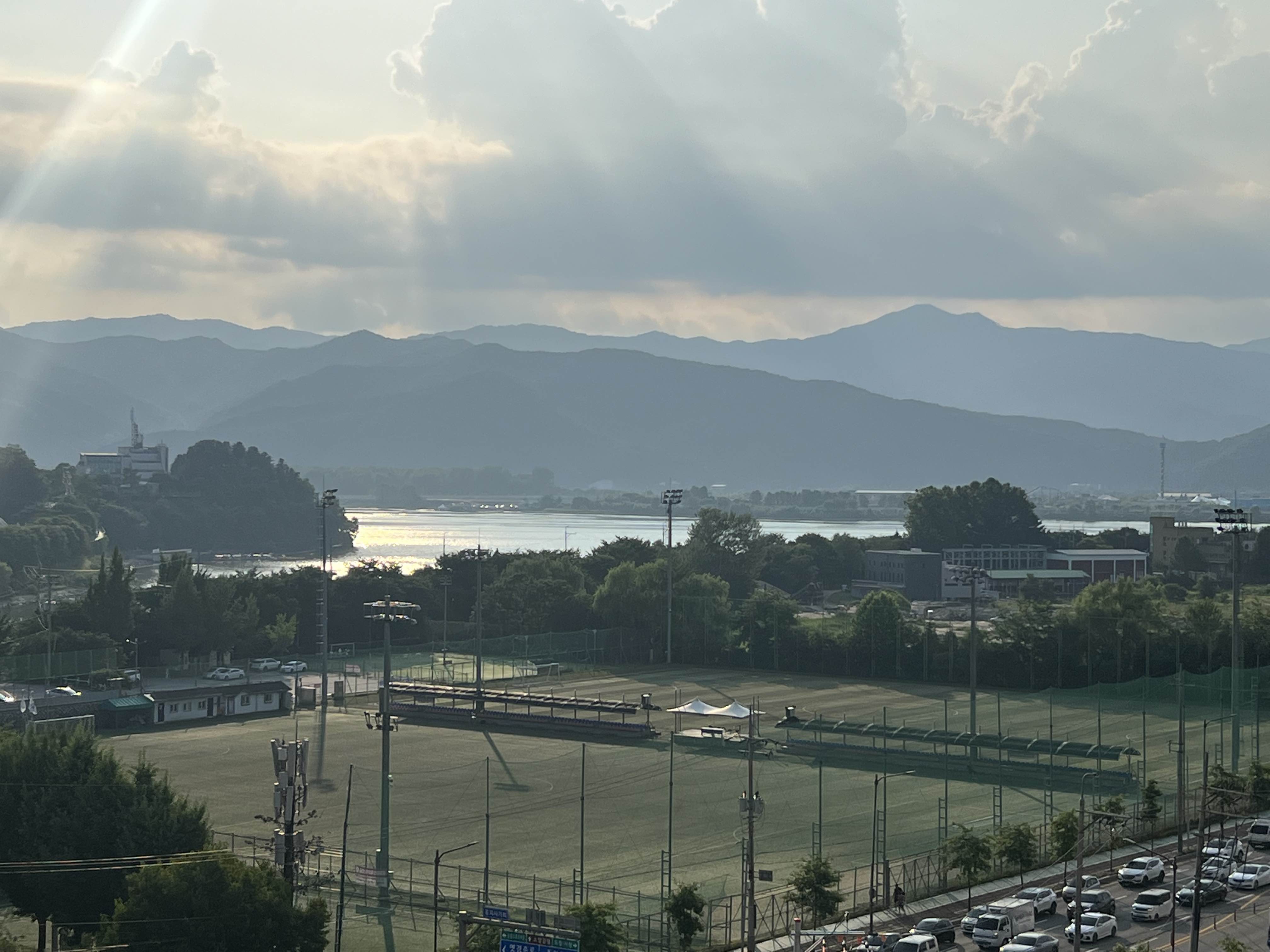
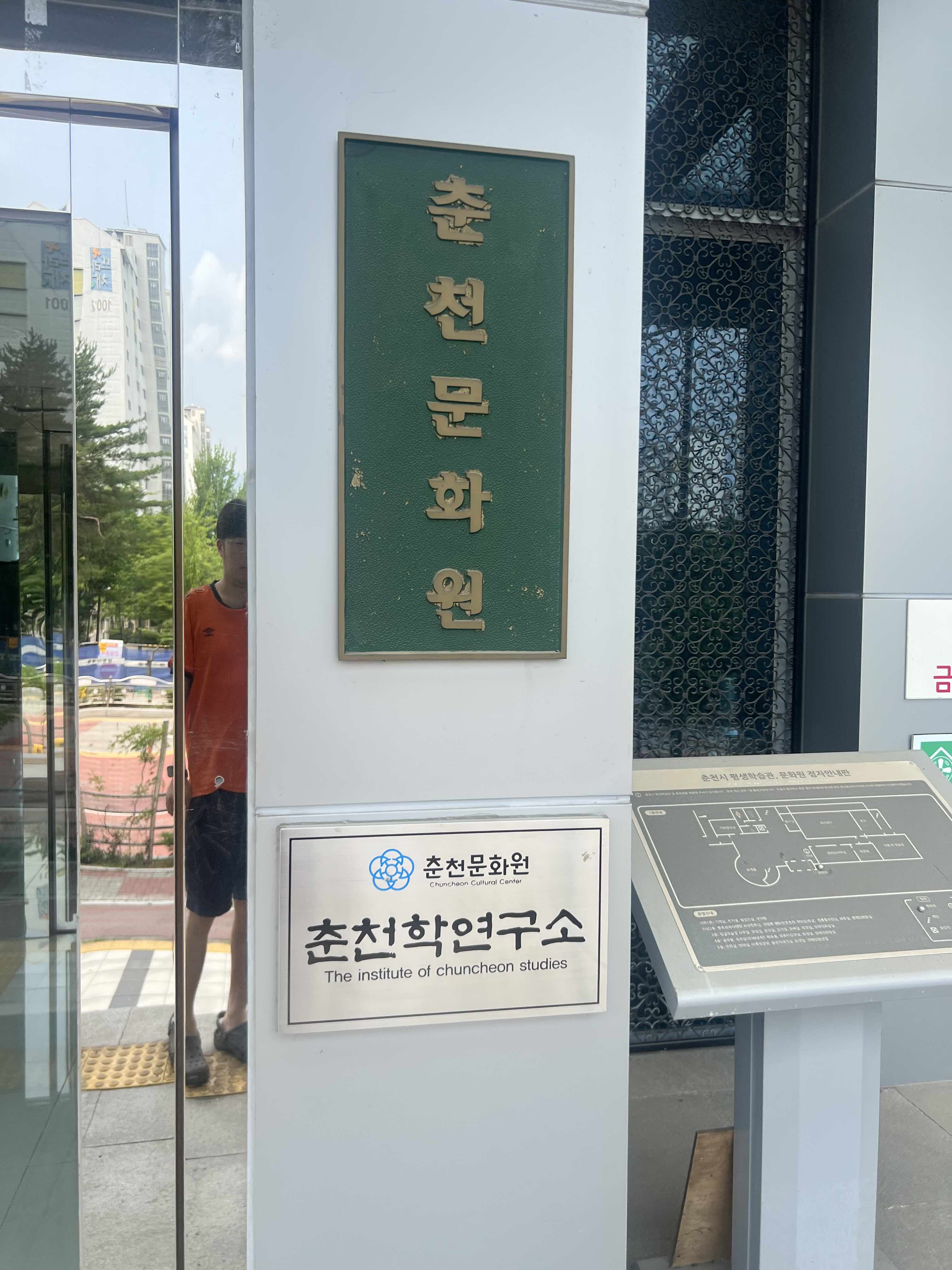
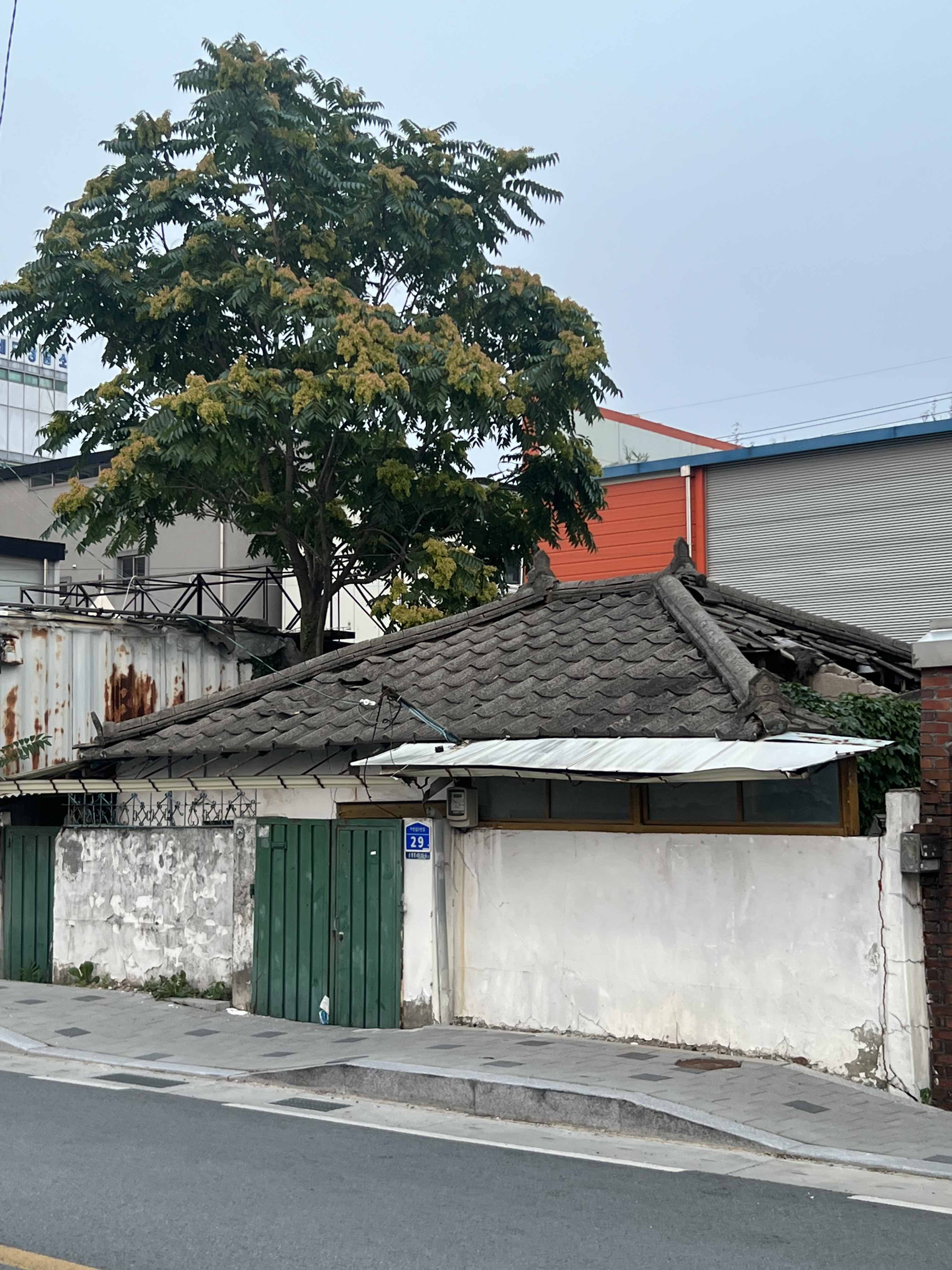
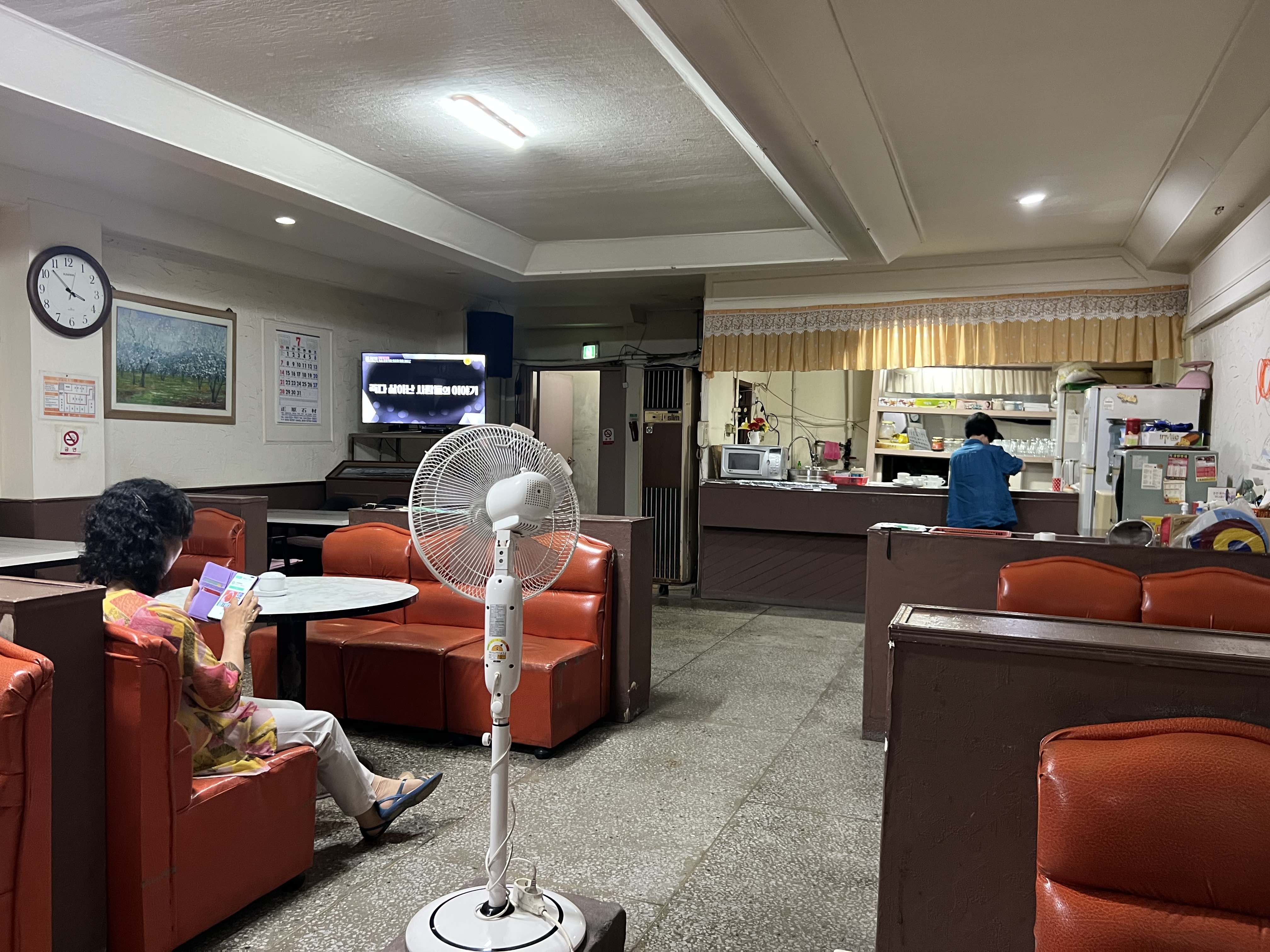
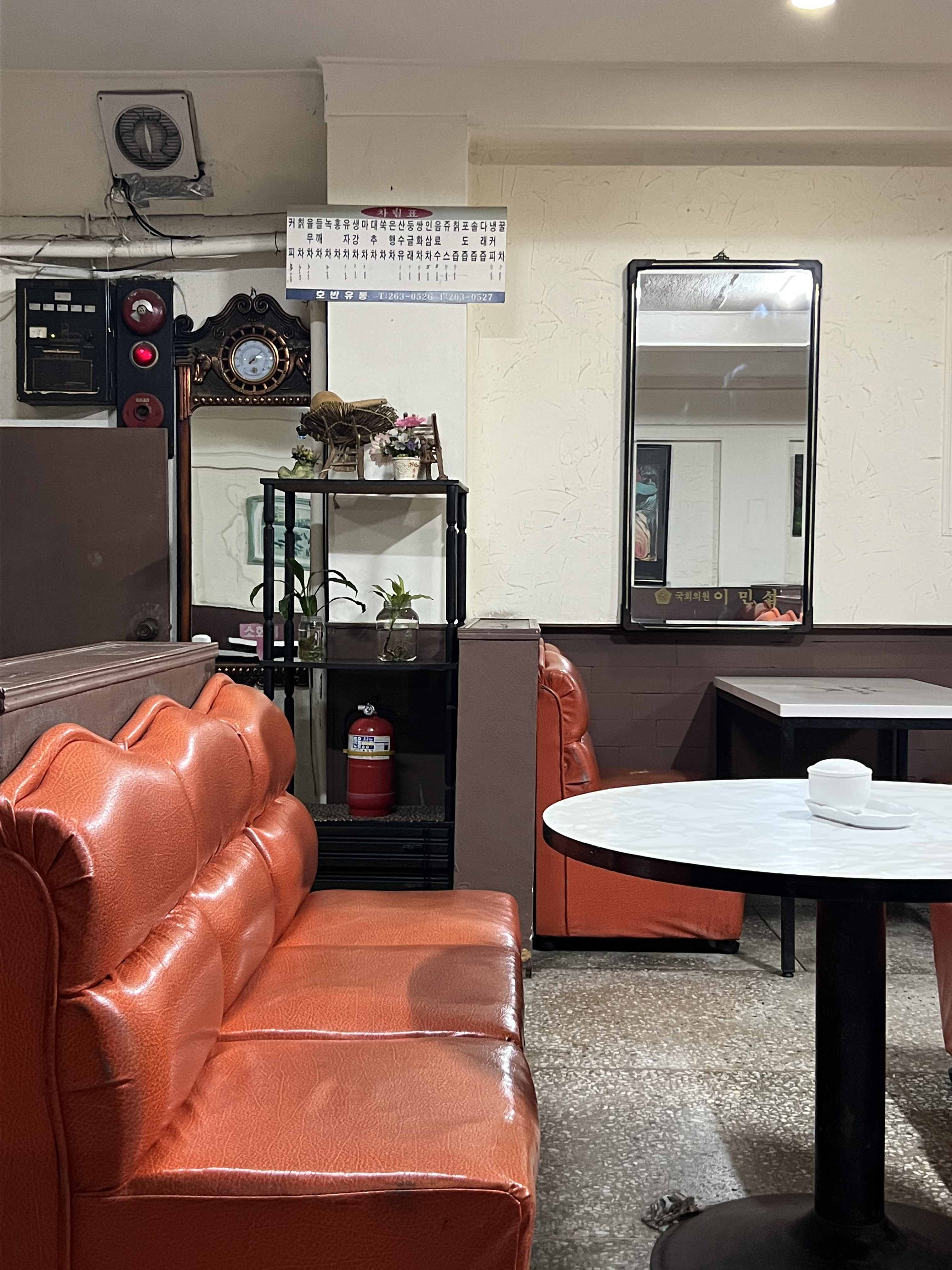
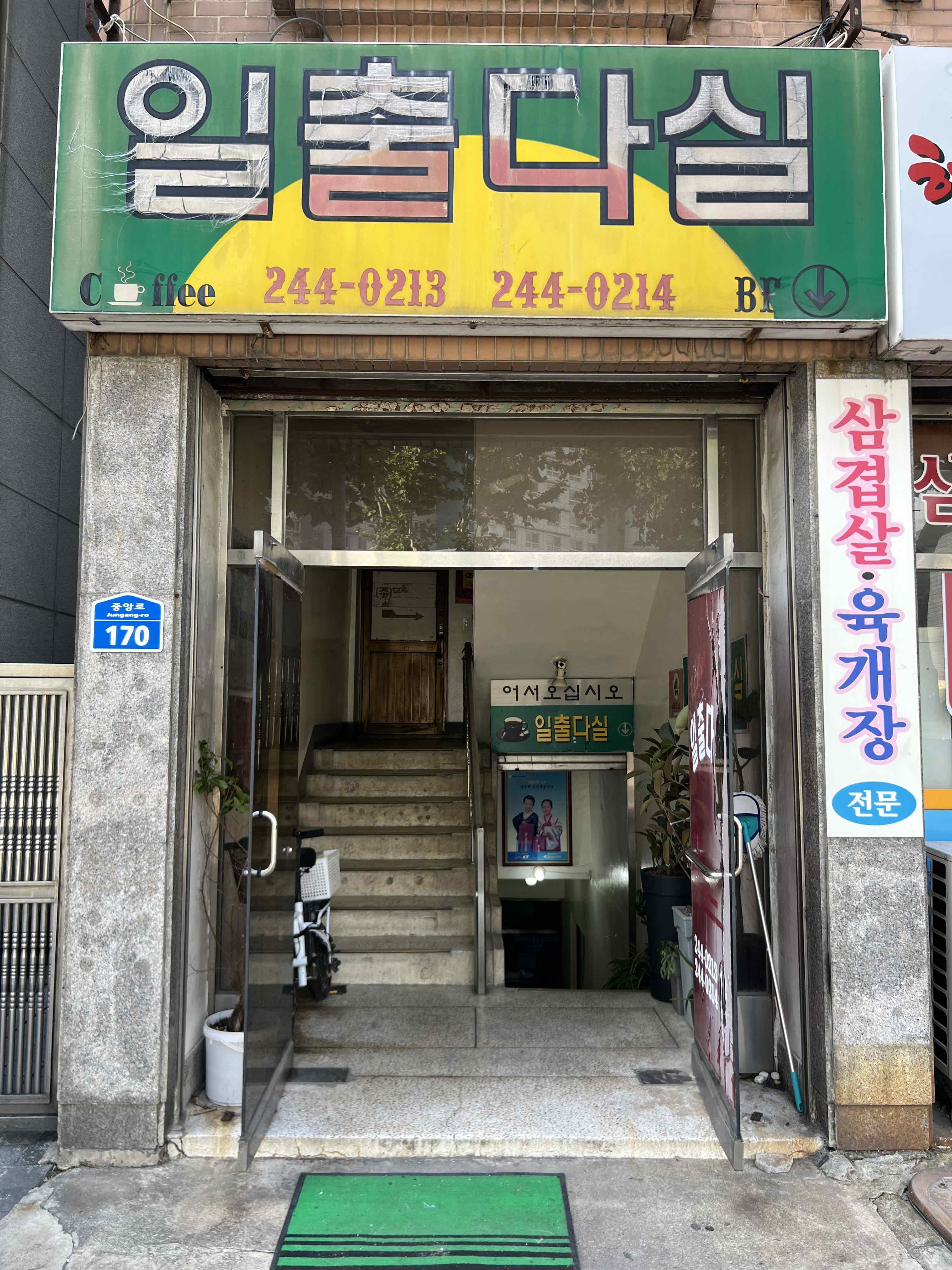
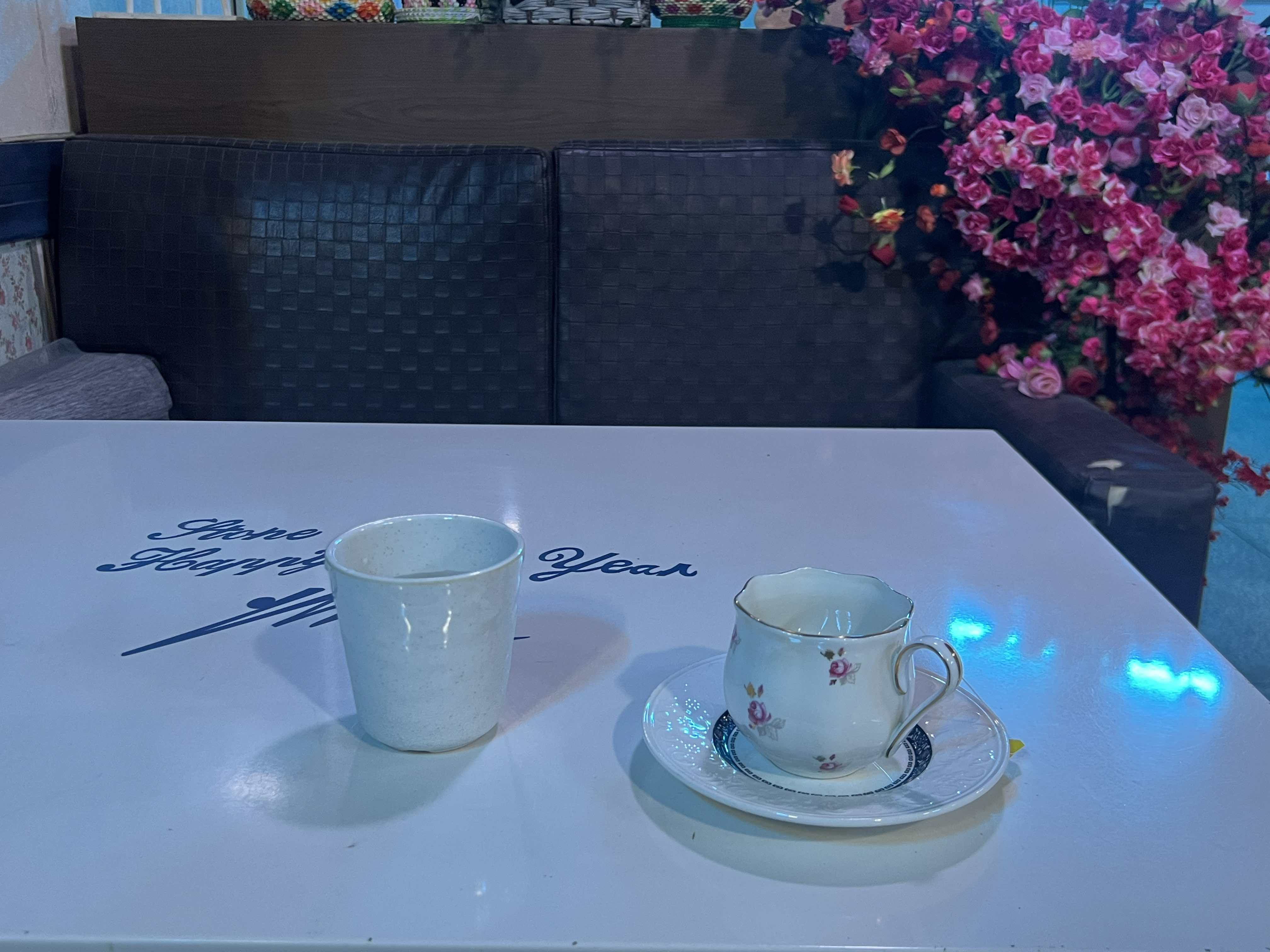
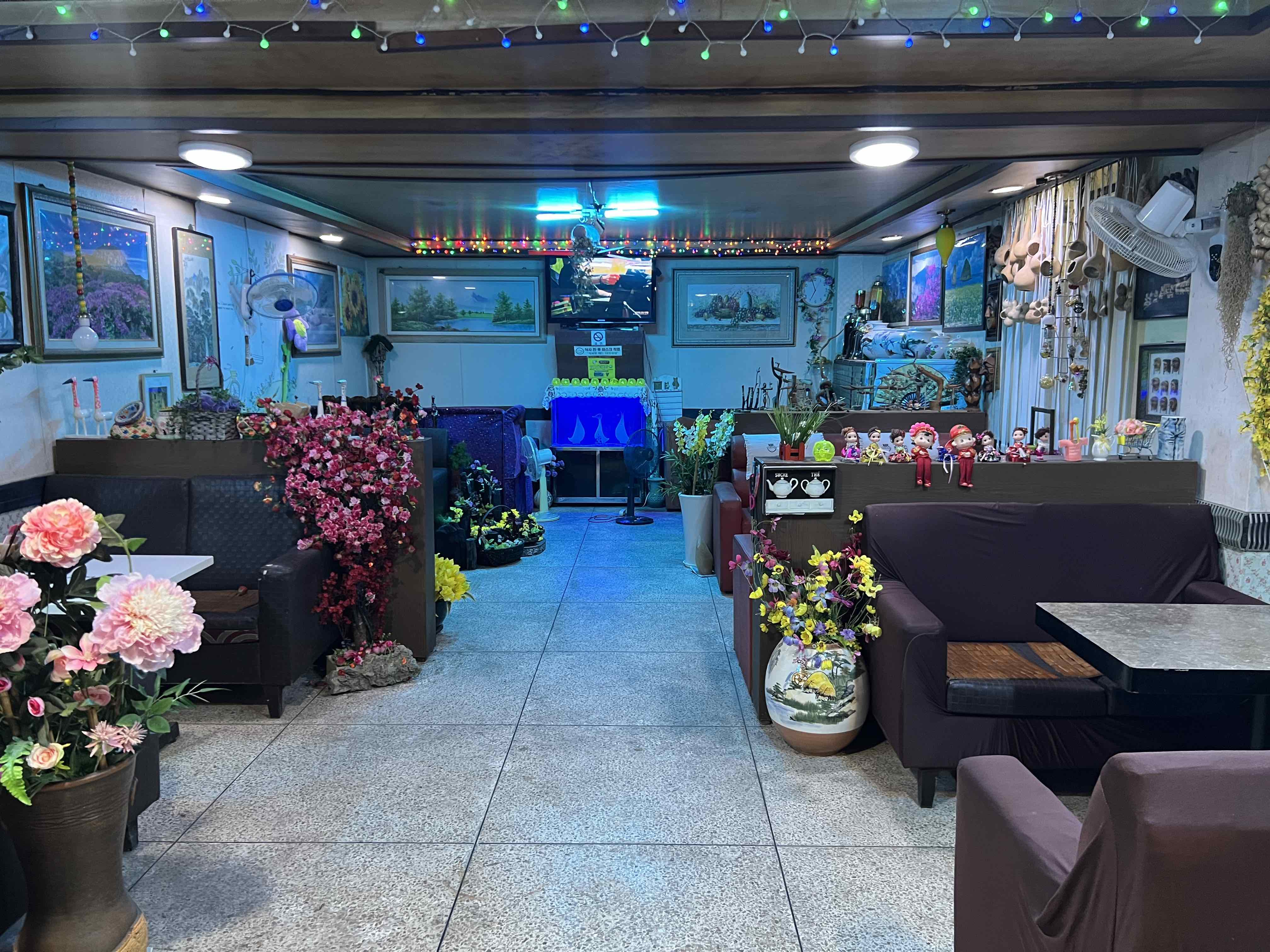
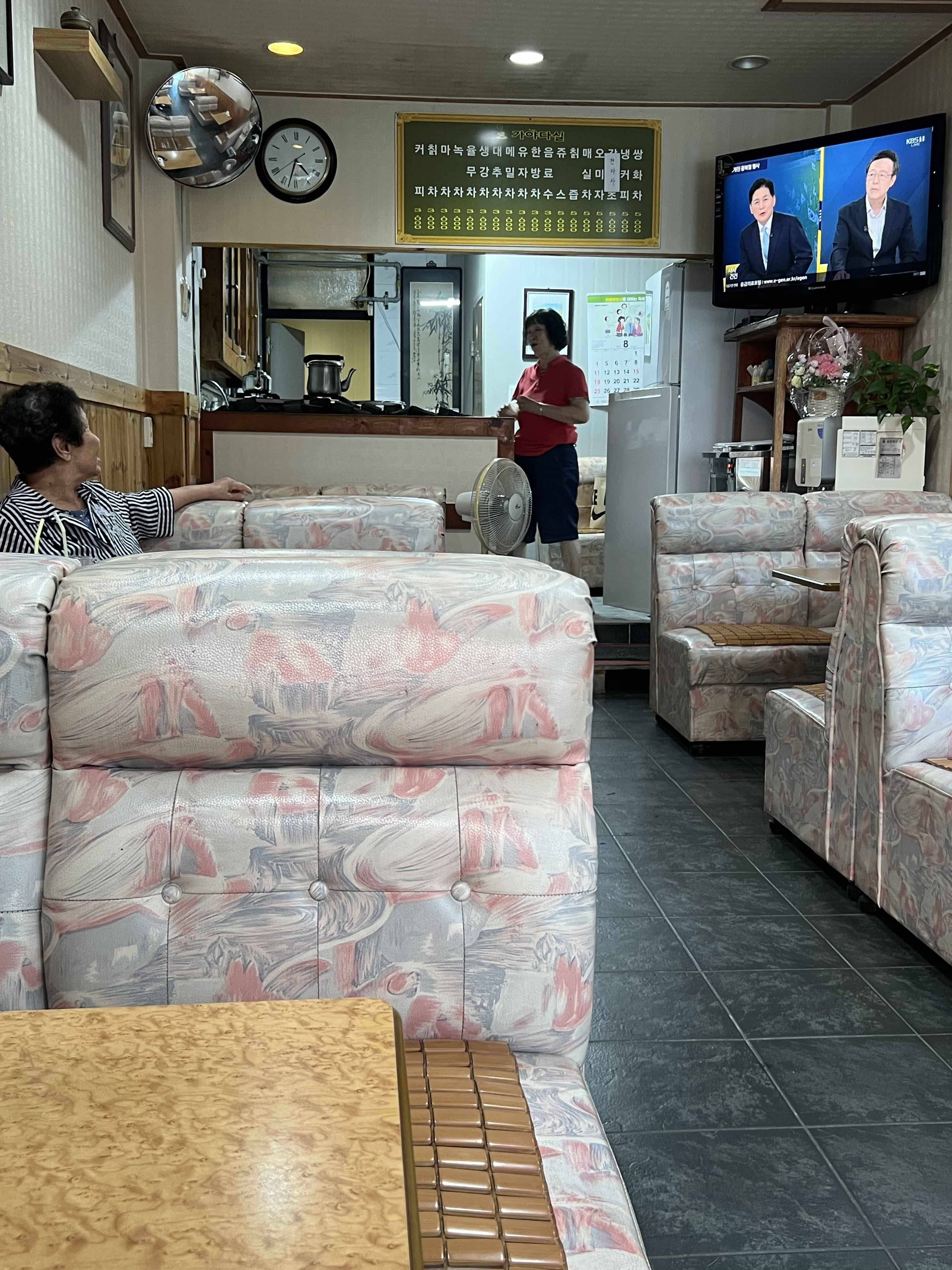
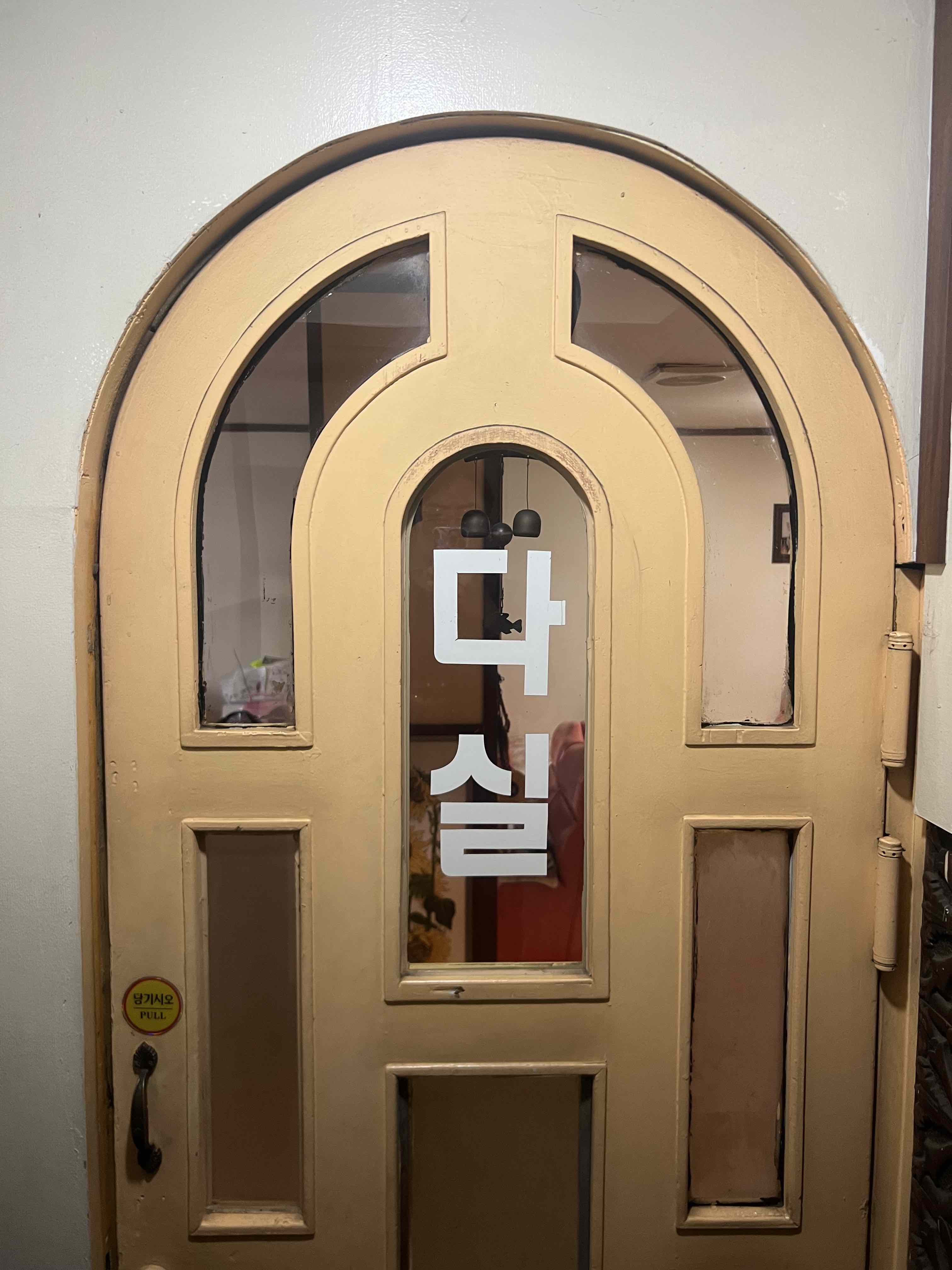
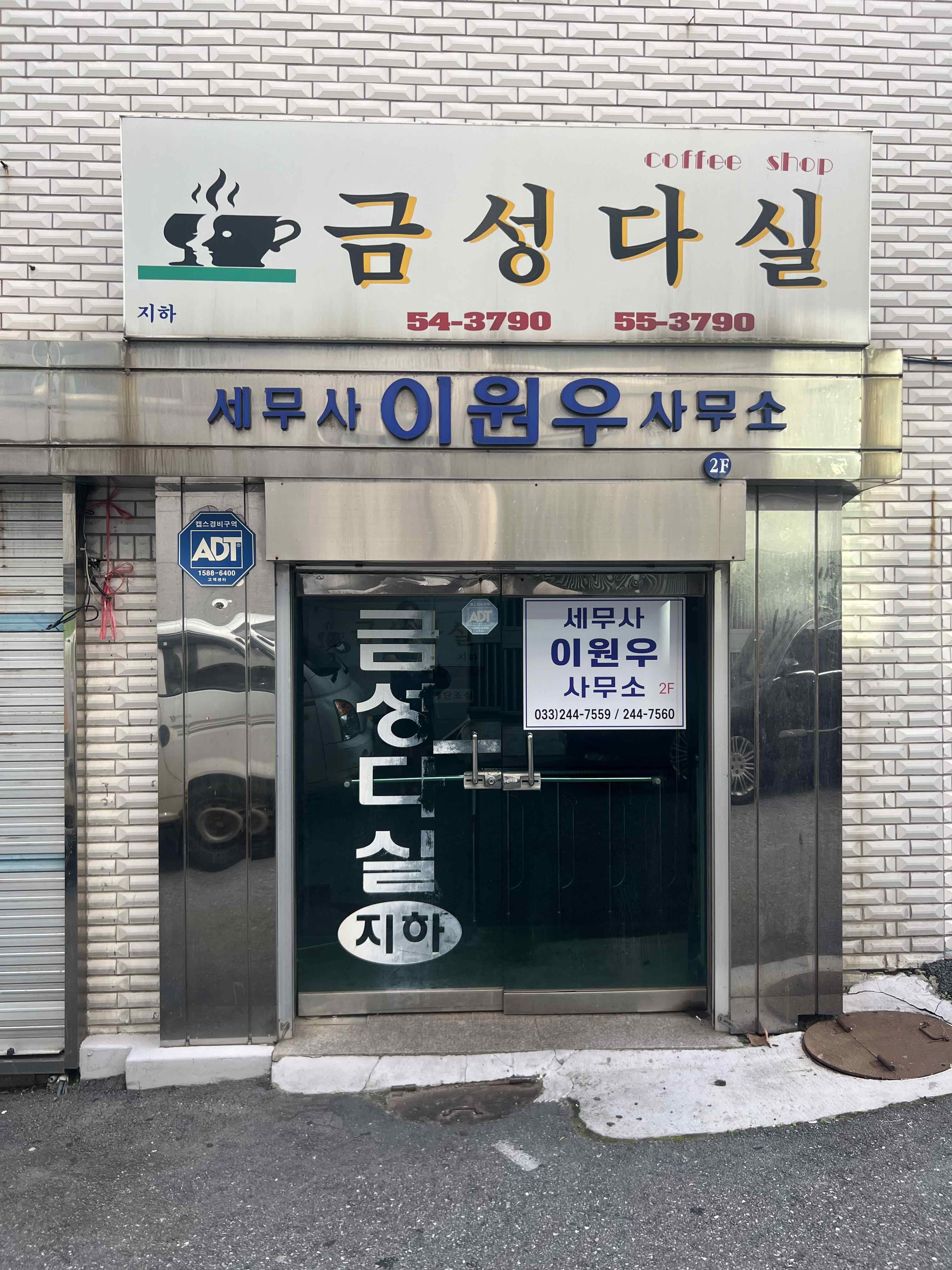
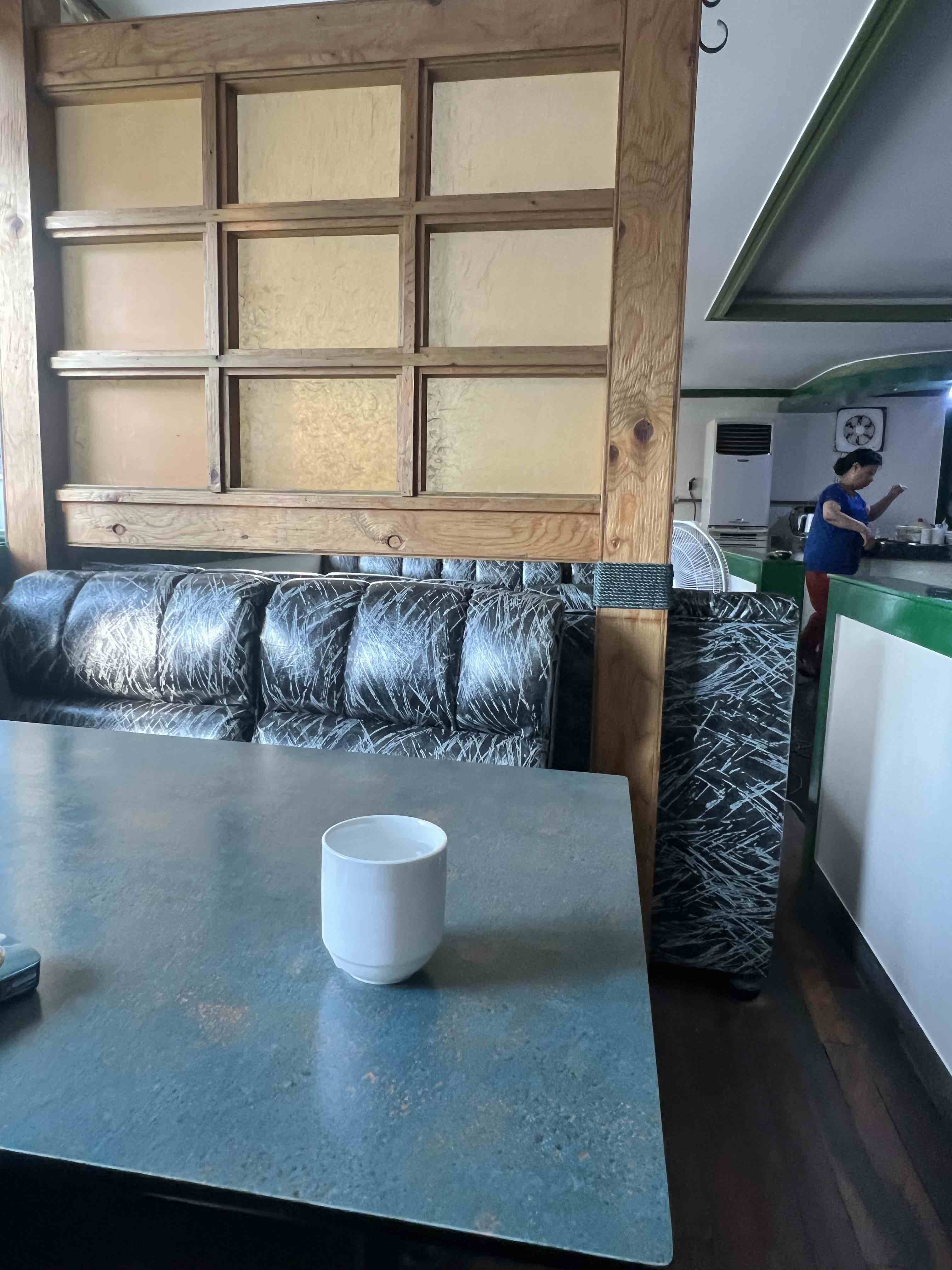
-Residency Period : July 1 ~ December 31, 2024
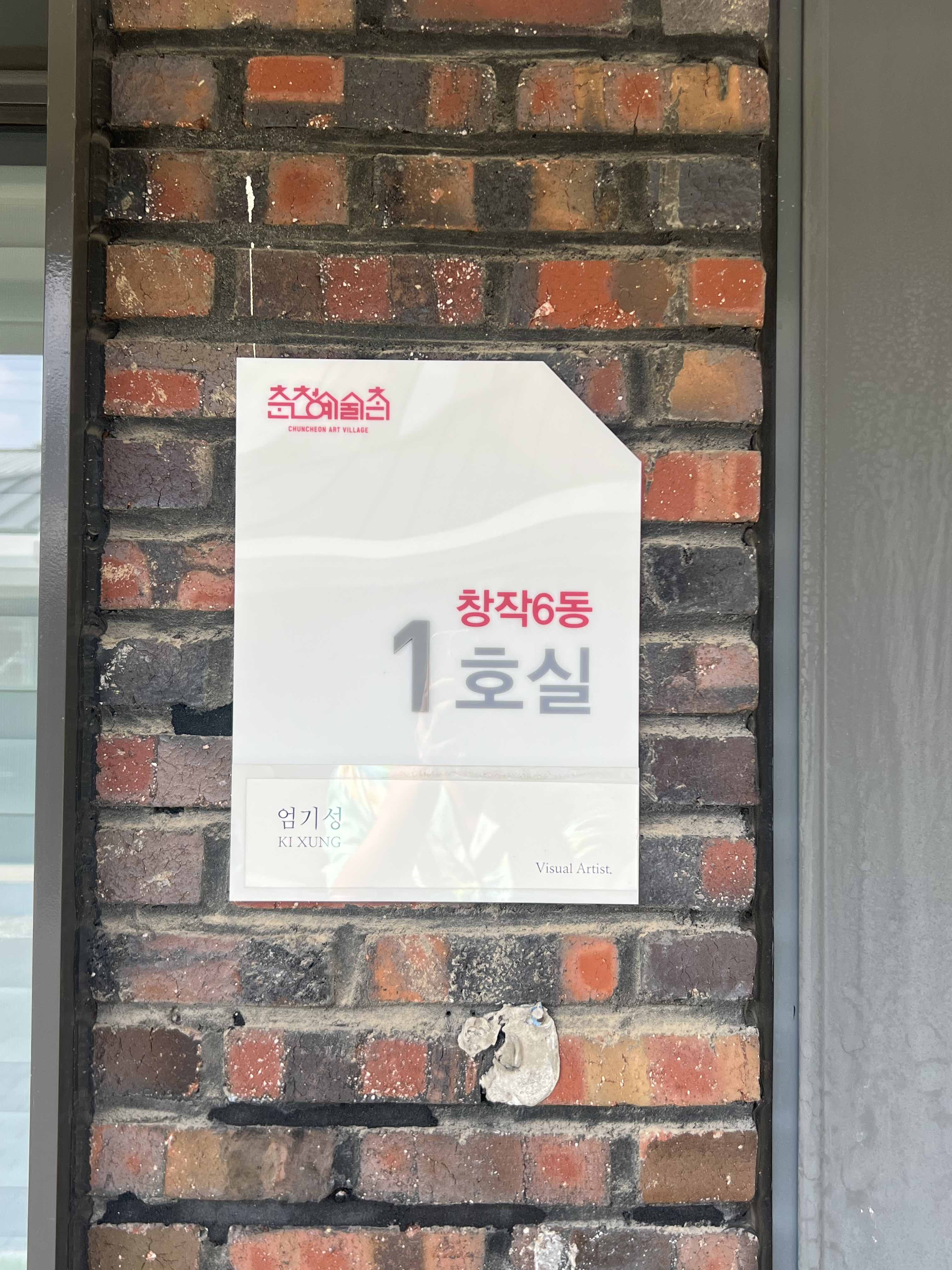
-Location : ChunCheon Art Village (46-4, Soyangro 4-ga, Chuncheon-si, Gangwon-do, Korea)
-Room No. : 6-1
-Residency Plan :
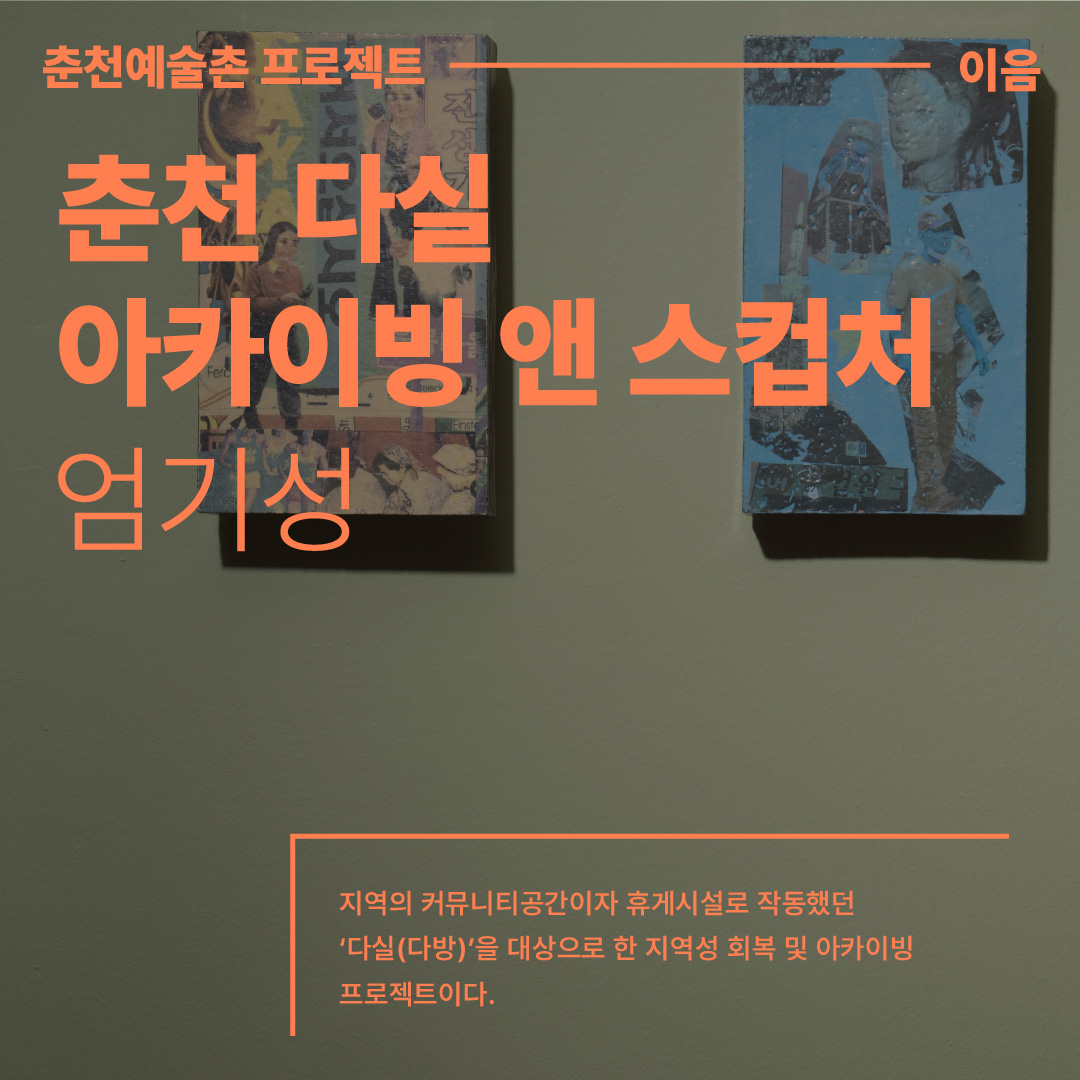
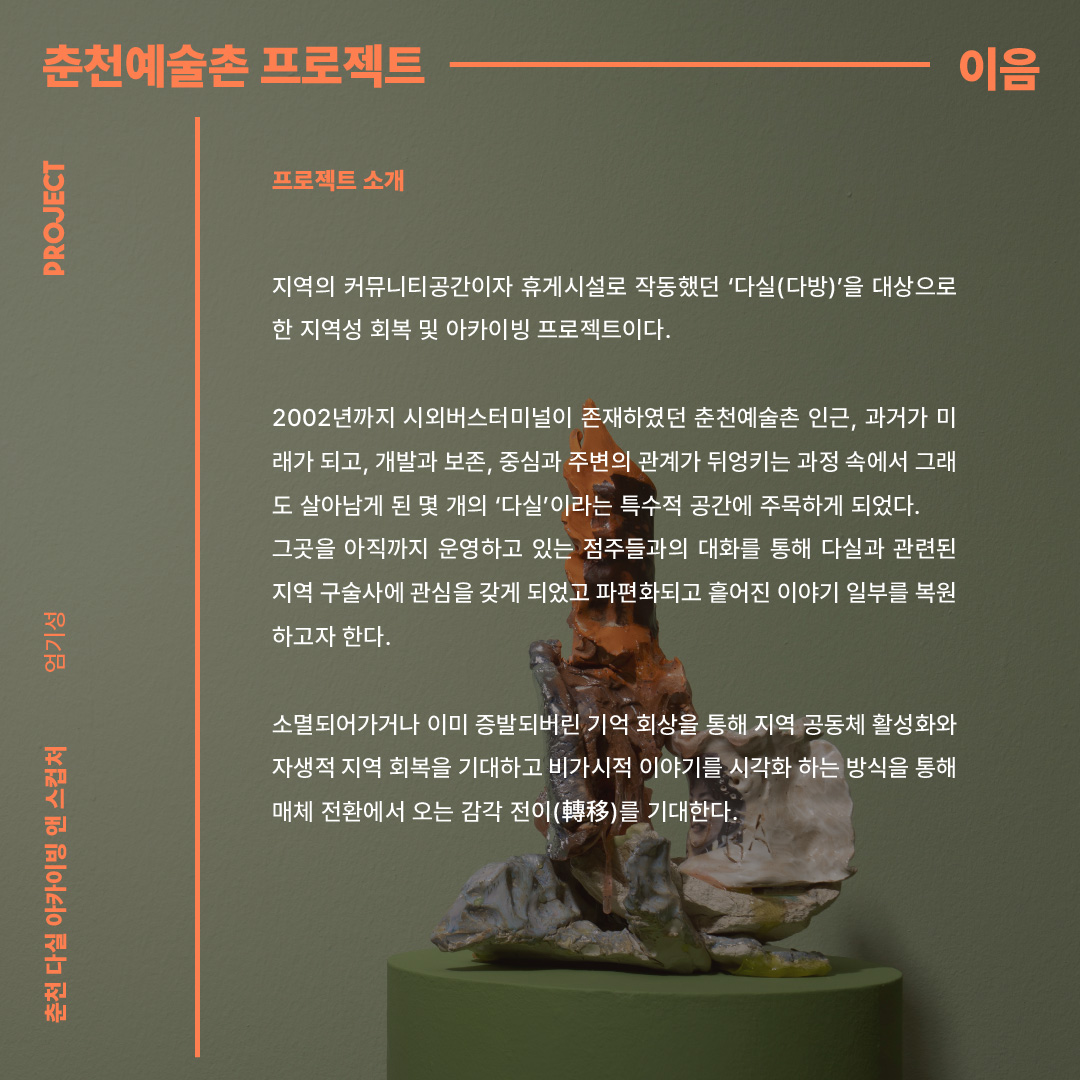
1. Local Cultural Research
2. Research and Investigation on the Unique Community 'Dabang'
3. Sculptural Composition of Collected Narrative Fragments
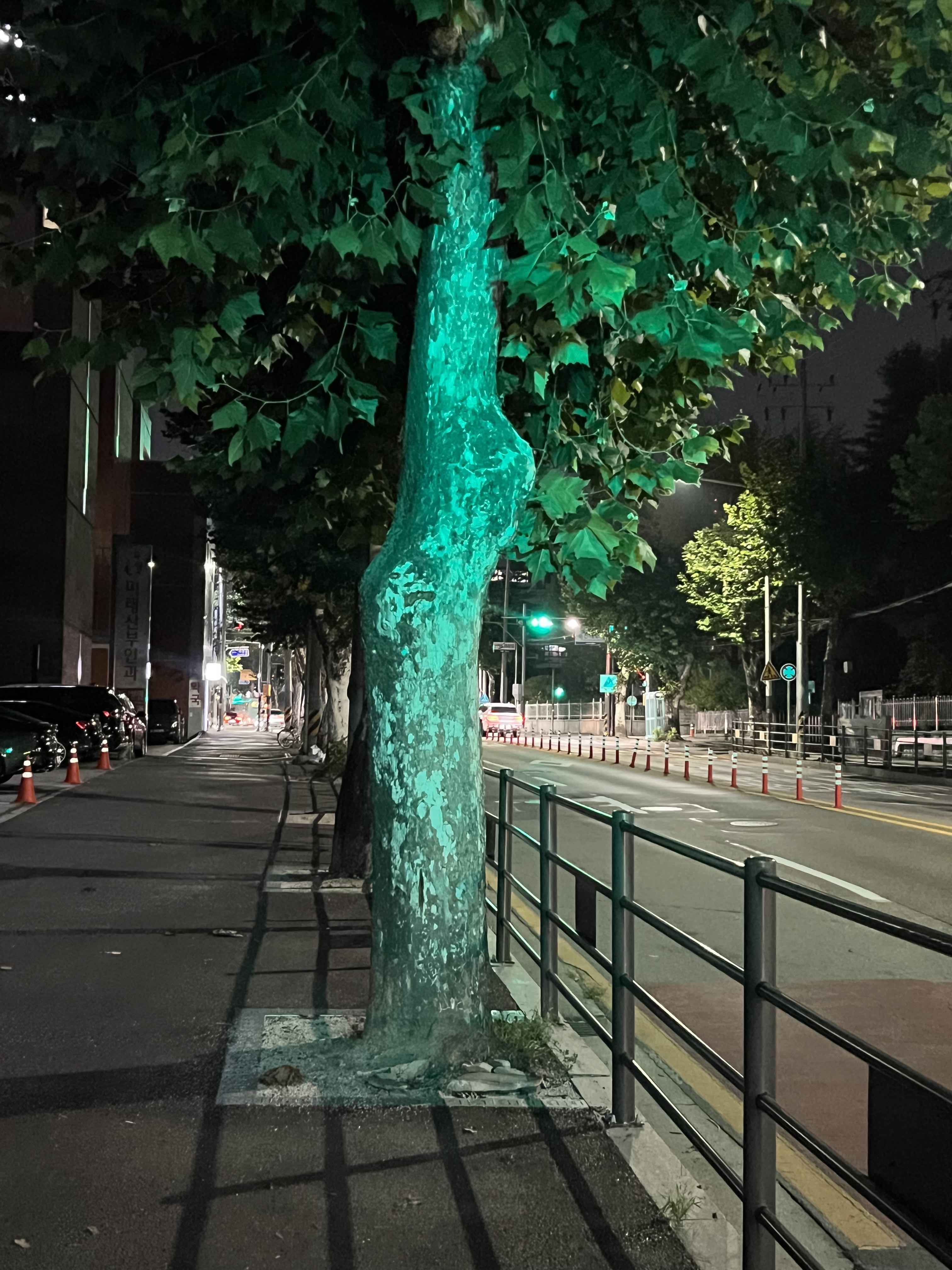
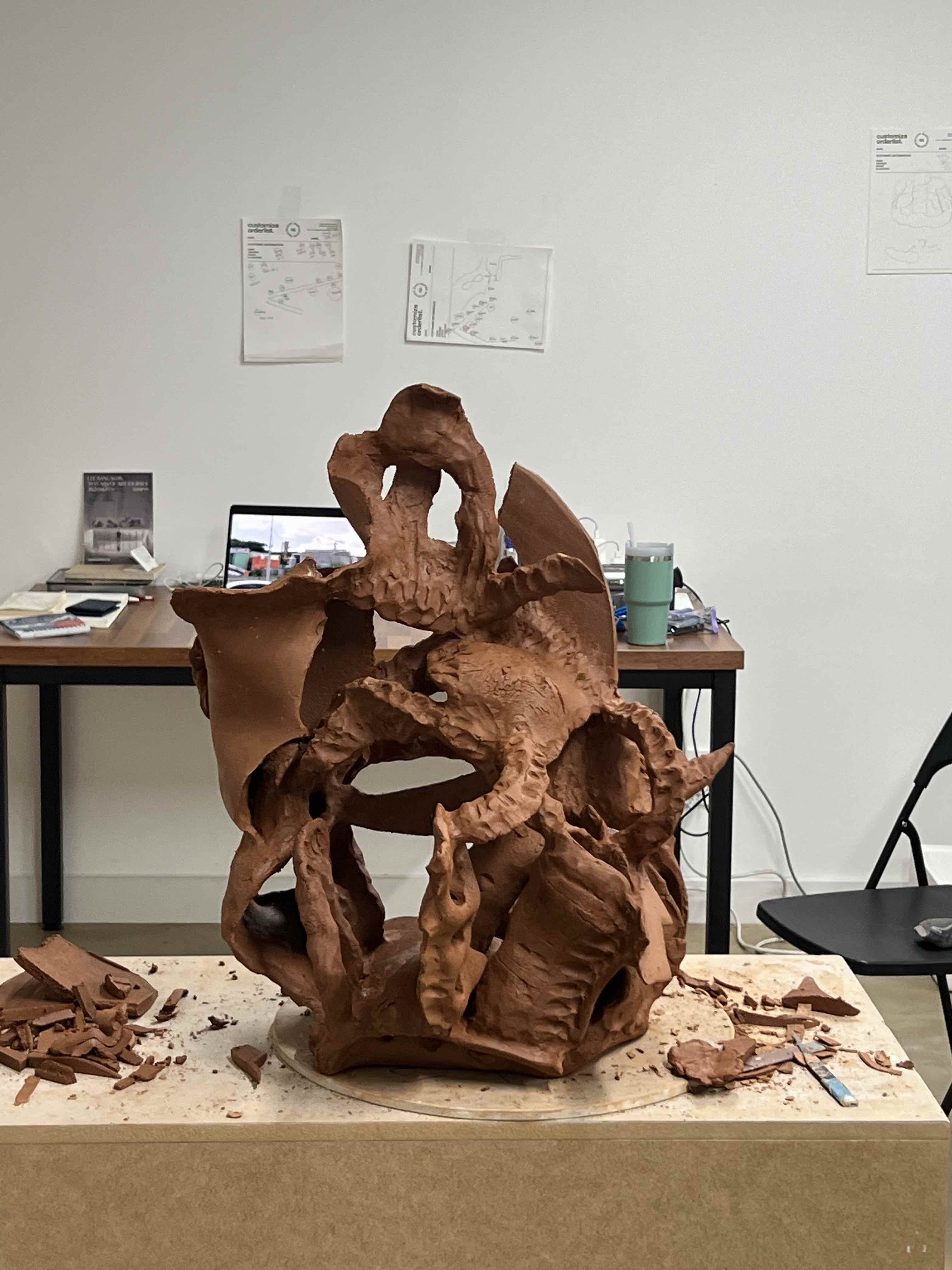
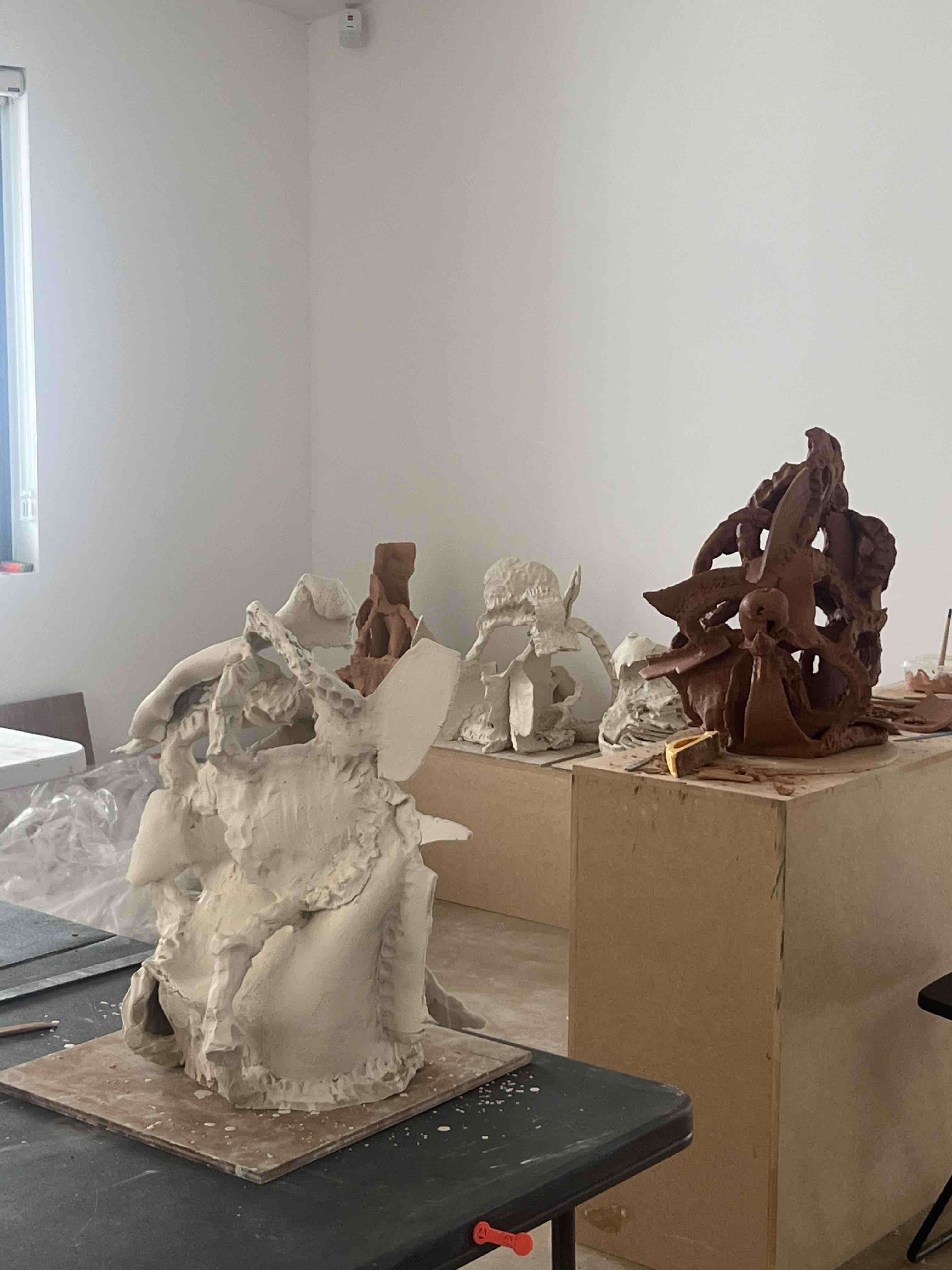
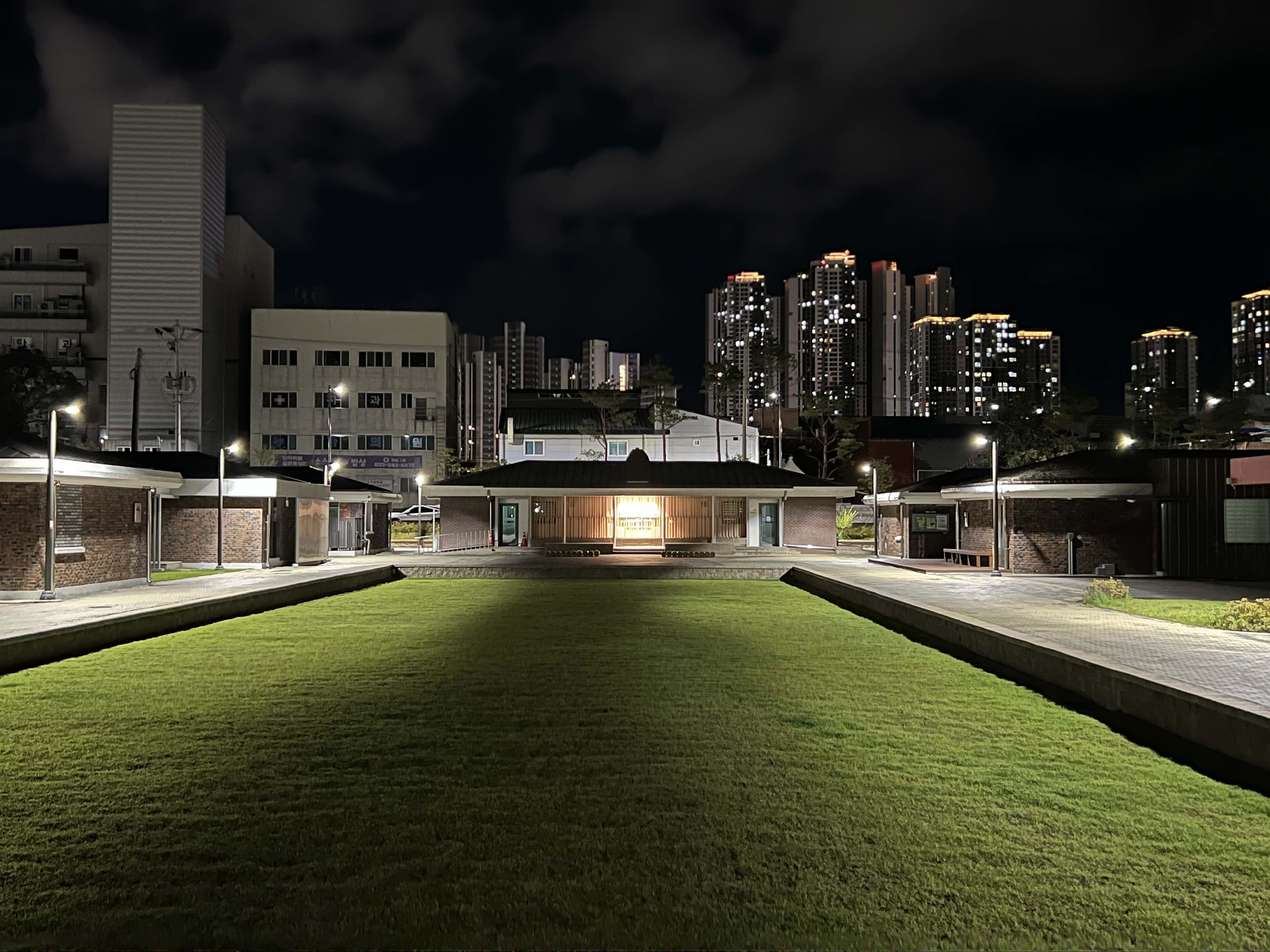
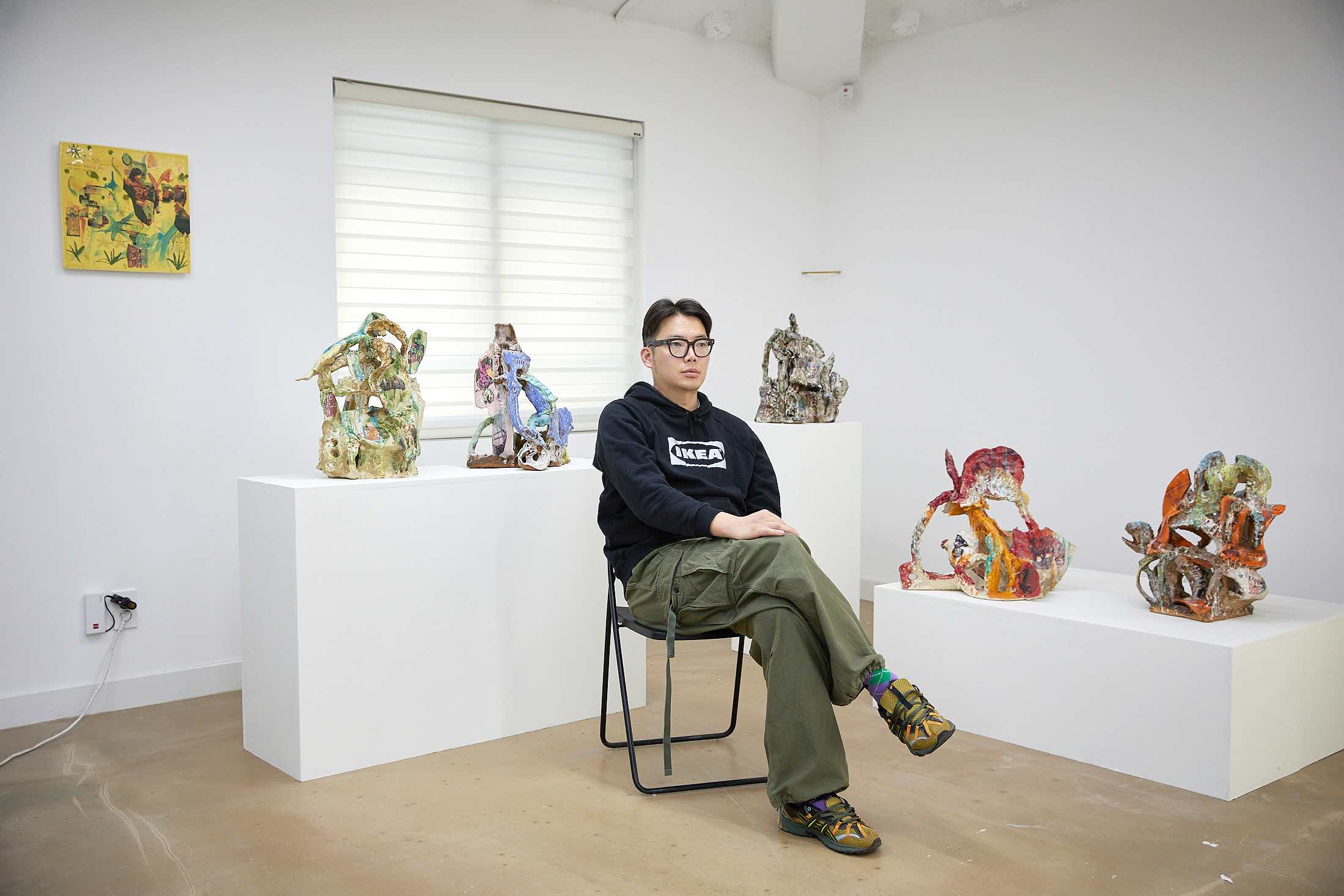
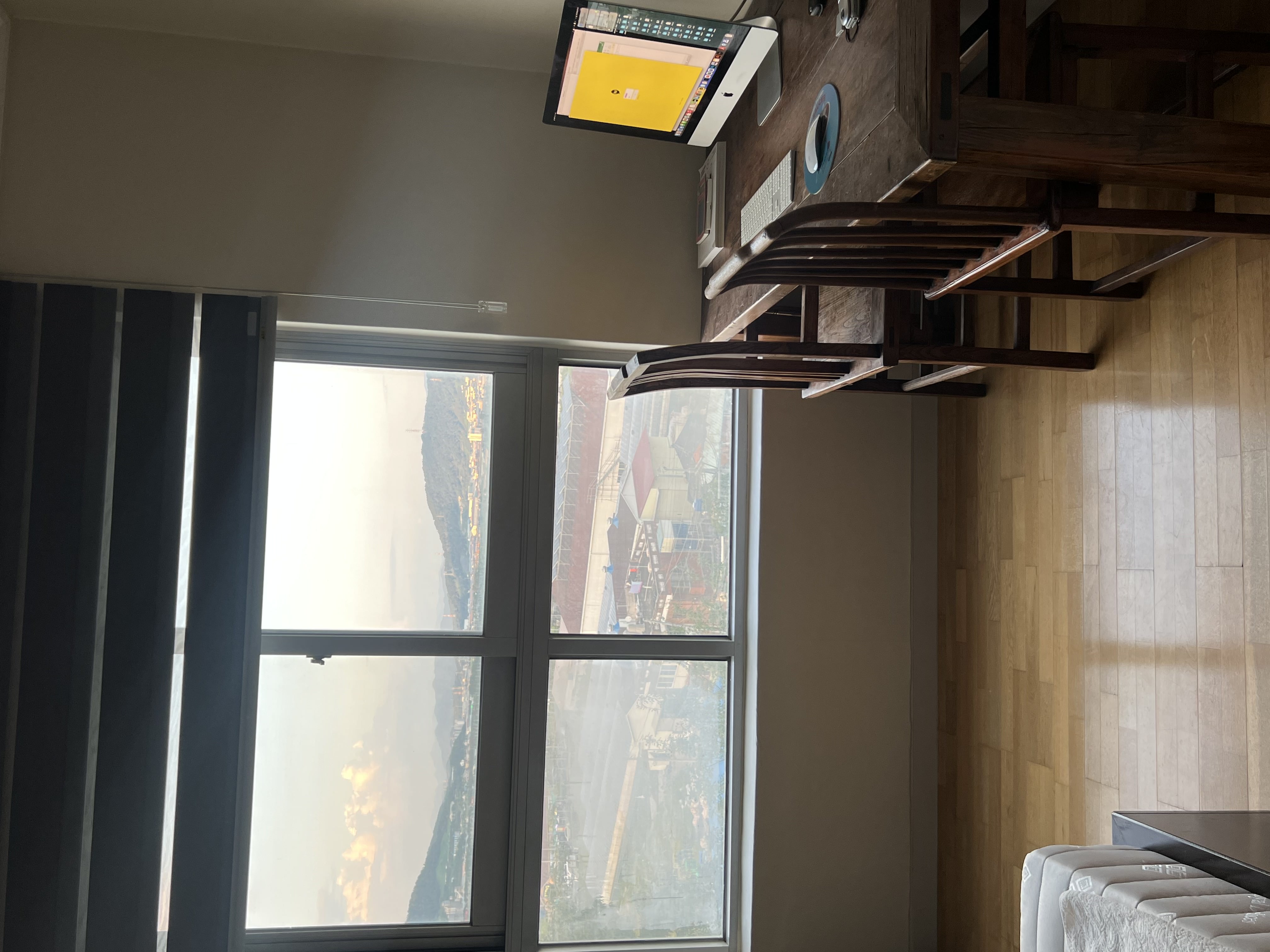
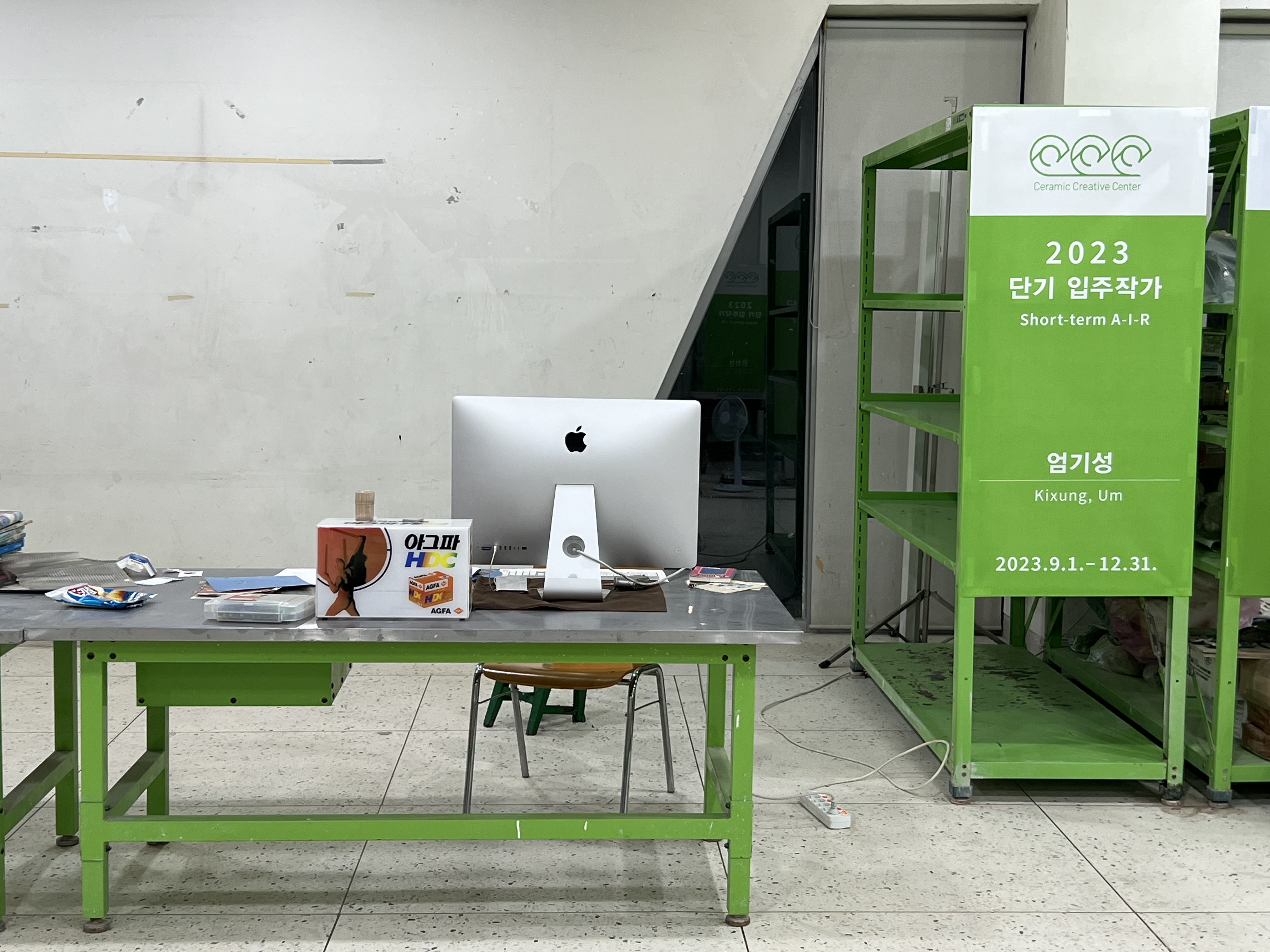
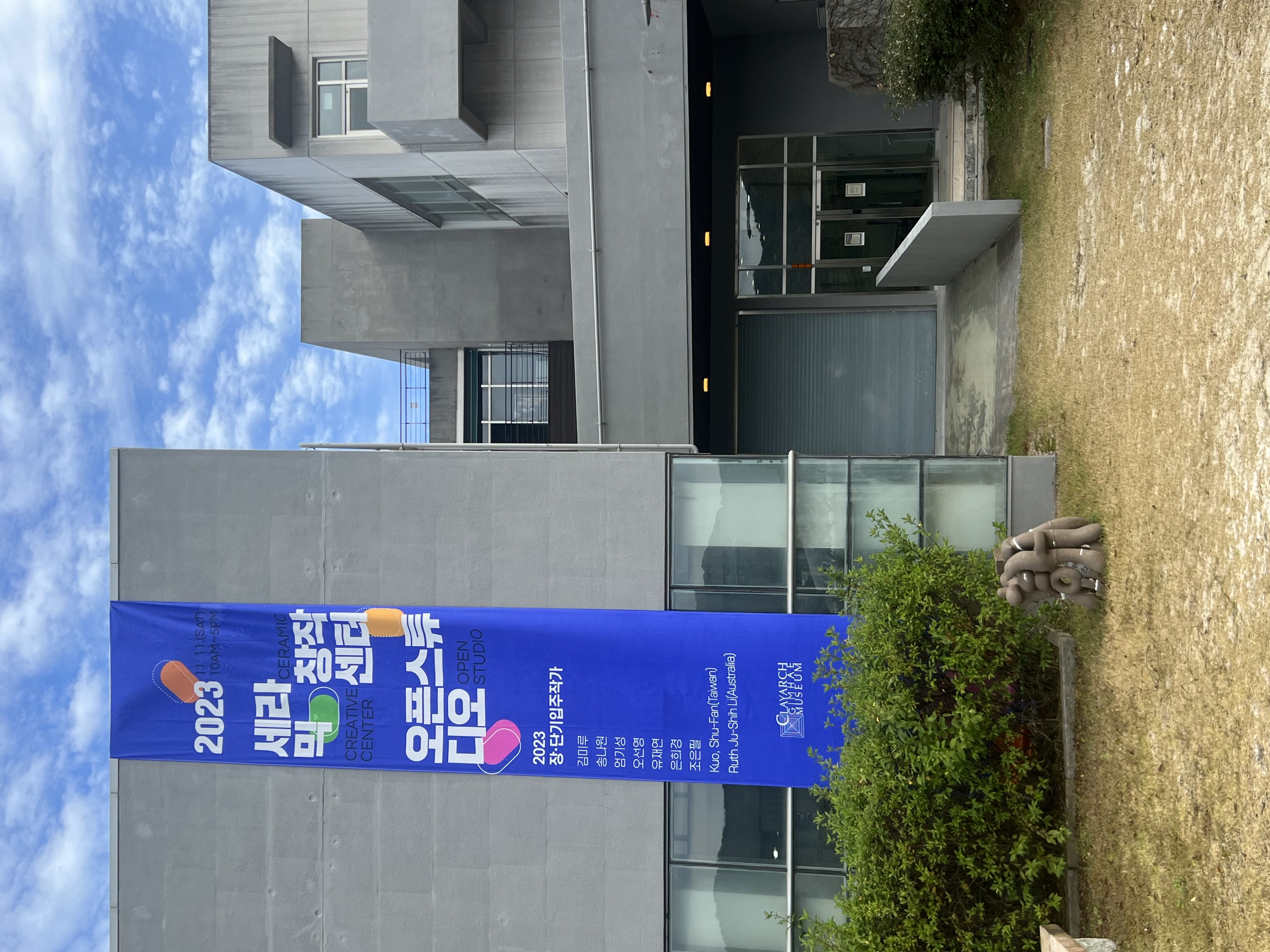
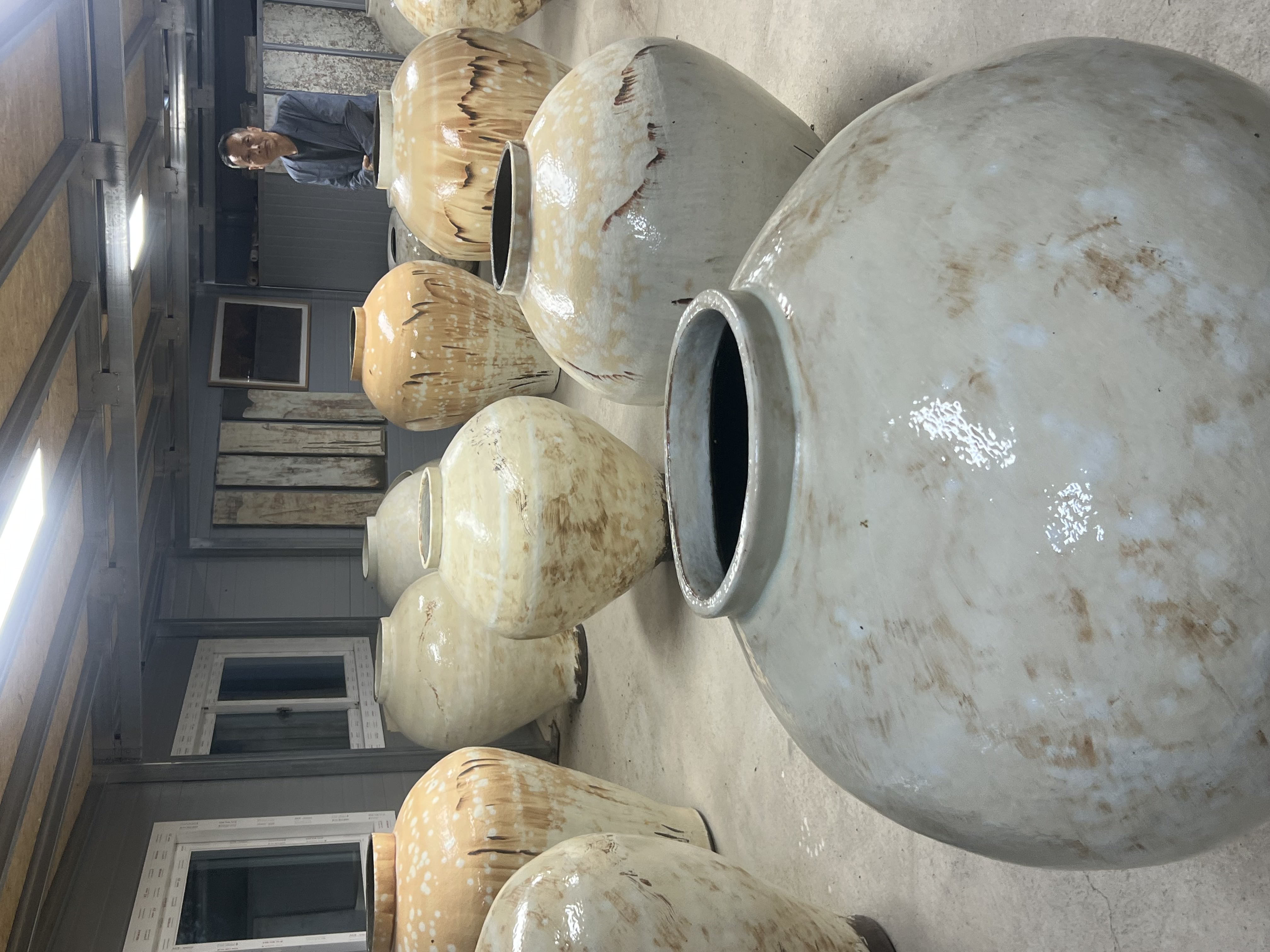
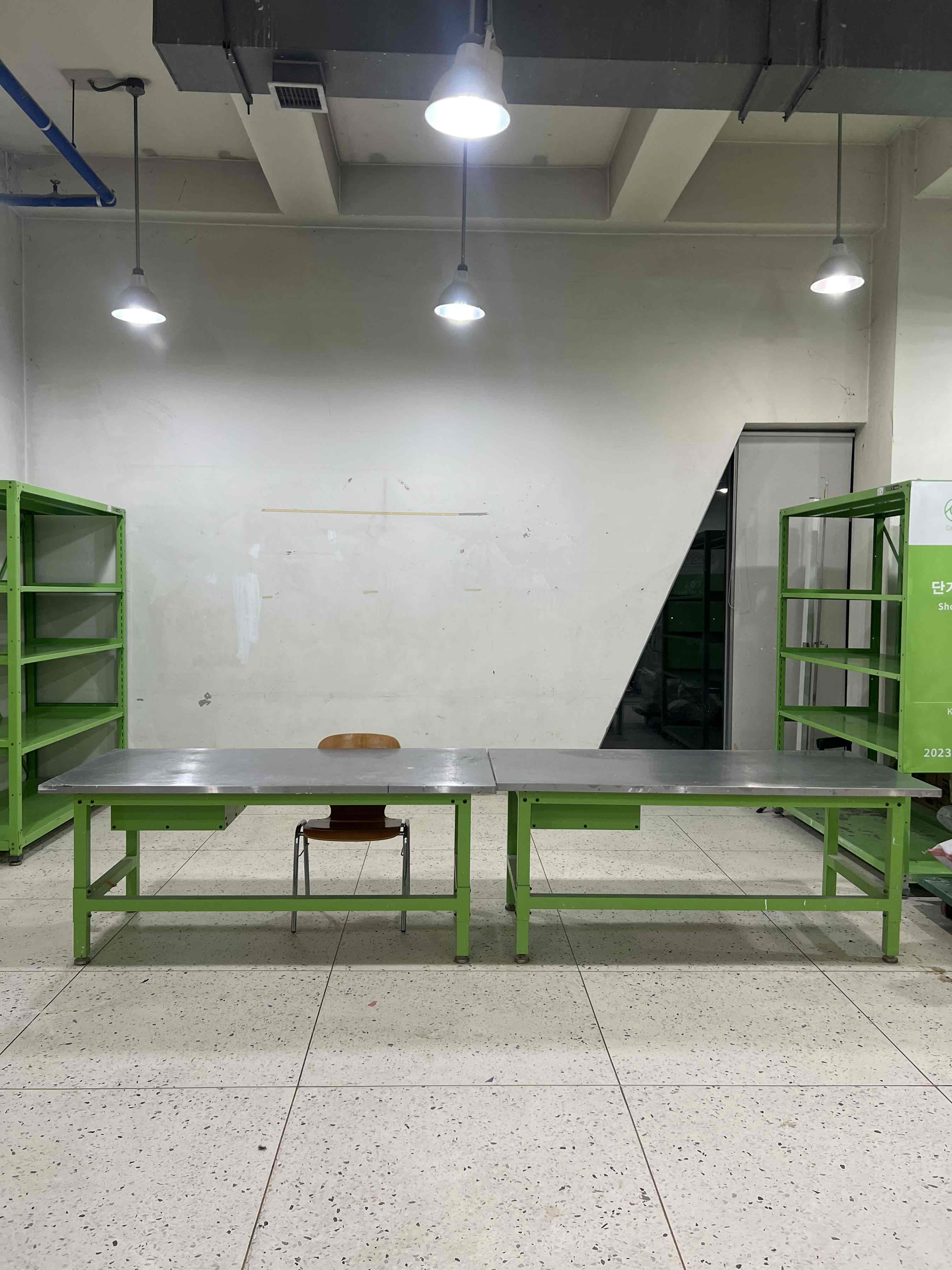
-Residency Period : September 1 ~ December 31, 2023
-Location : Clayarch Gimhae Museum (25, Buncheong-ro, Jillye-myeon, Gimhae-si, Gyeongsangnam-do, Korea)
-Room No. : 301
-Residency Plan :
1. Local Cultural Research
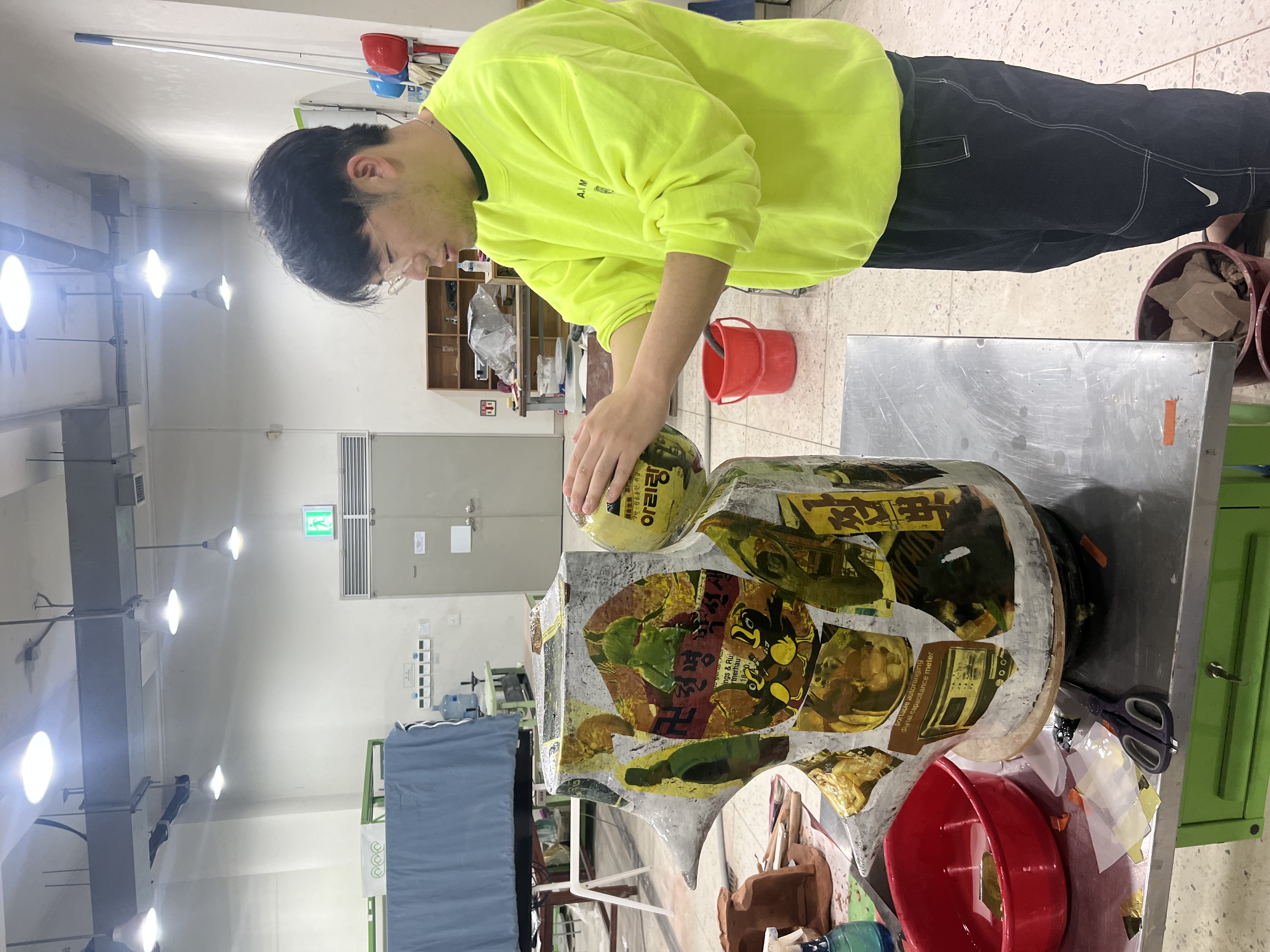
2. Fostering Contemporary Discourse - Producing a Series of Works: 'Collected Image Pieces'
3. Expressing Physical and Psychological Numbness from Frequent Mobility as Déjà Vu
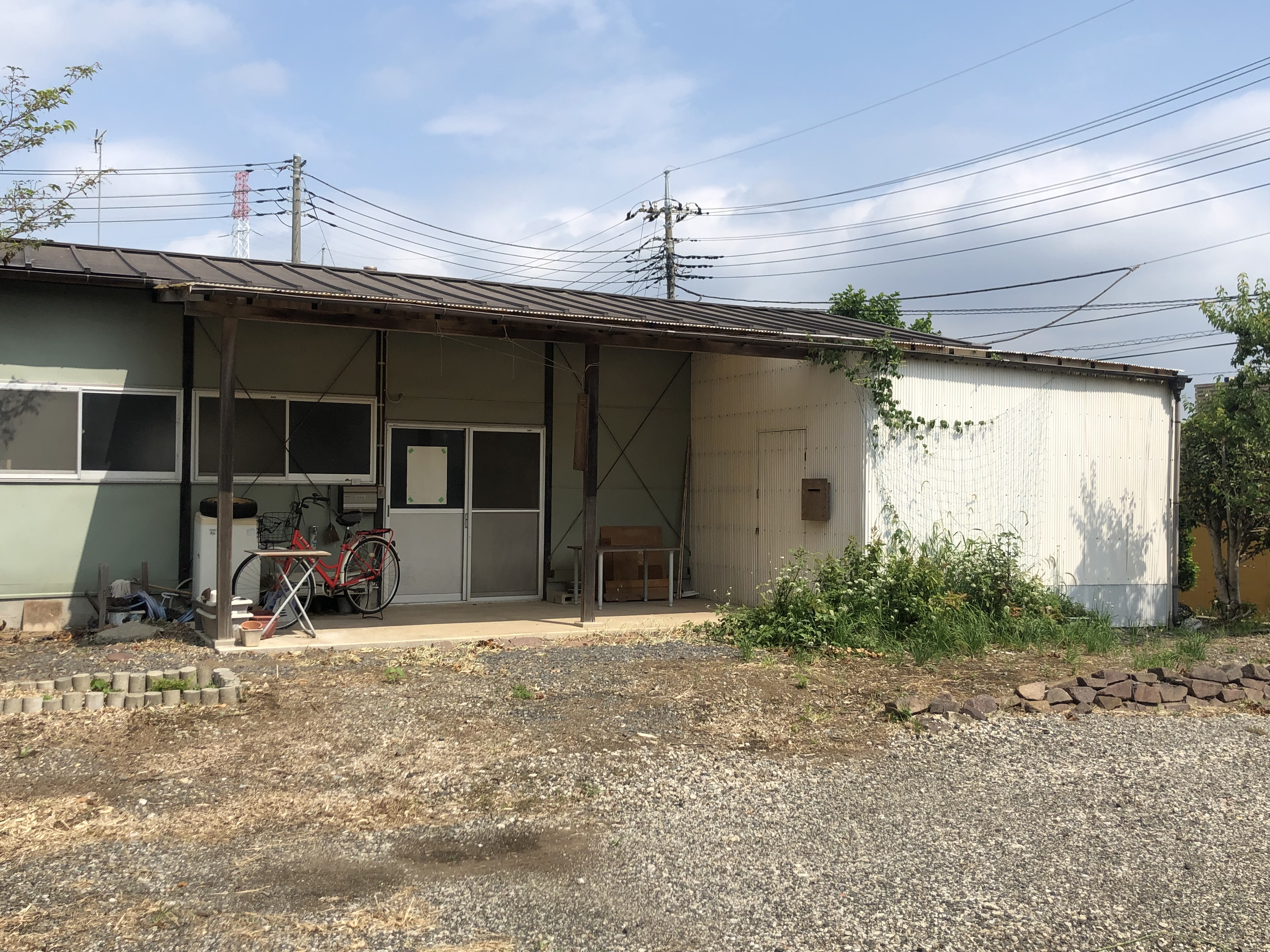
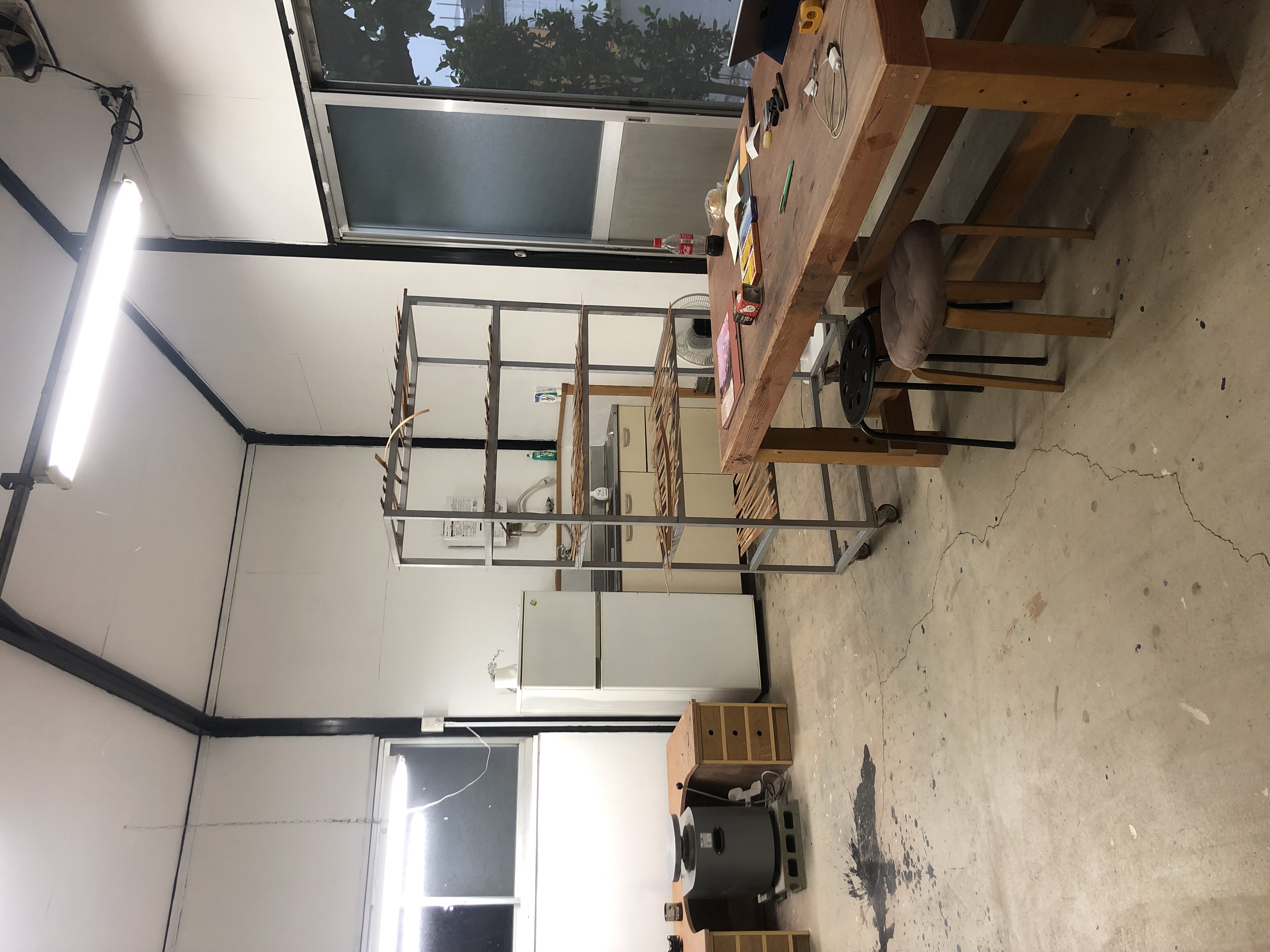
-Residency Period : September 8 ~ December 5, 2019
-Location : Marunuma Art Park (493-1 Kamiuchimagi, Asaka, Saitama, Japan)
-Residency Plan :
1. Local Cultural Research
2. Discovering Objects Filled with Personal Nostalgia - Producing a Series of Works: 'Unbalanced Harmony'
3. 1 Drawing 1 Day
-Year : 2025
-Sponsor : Incheon Foundation for Arts & Culture (IFAC)
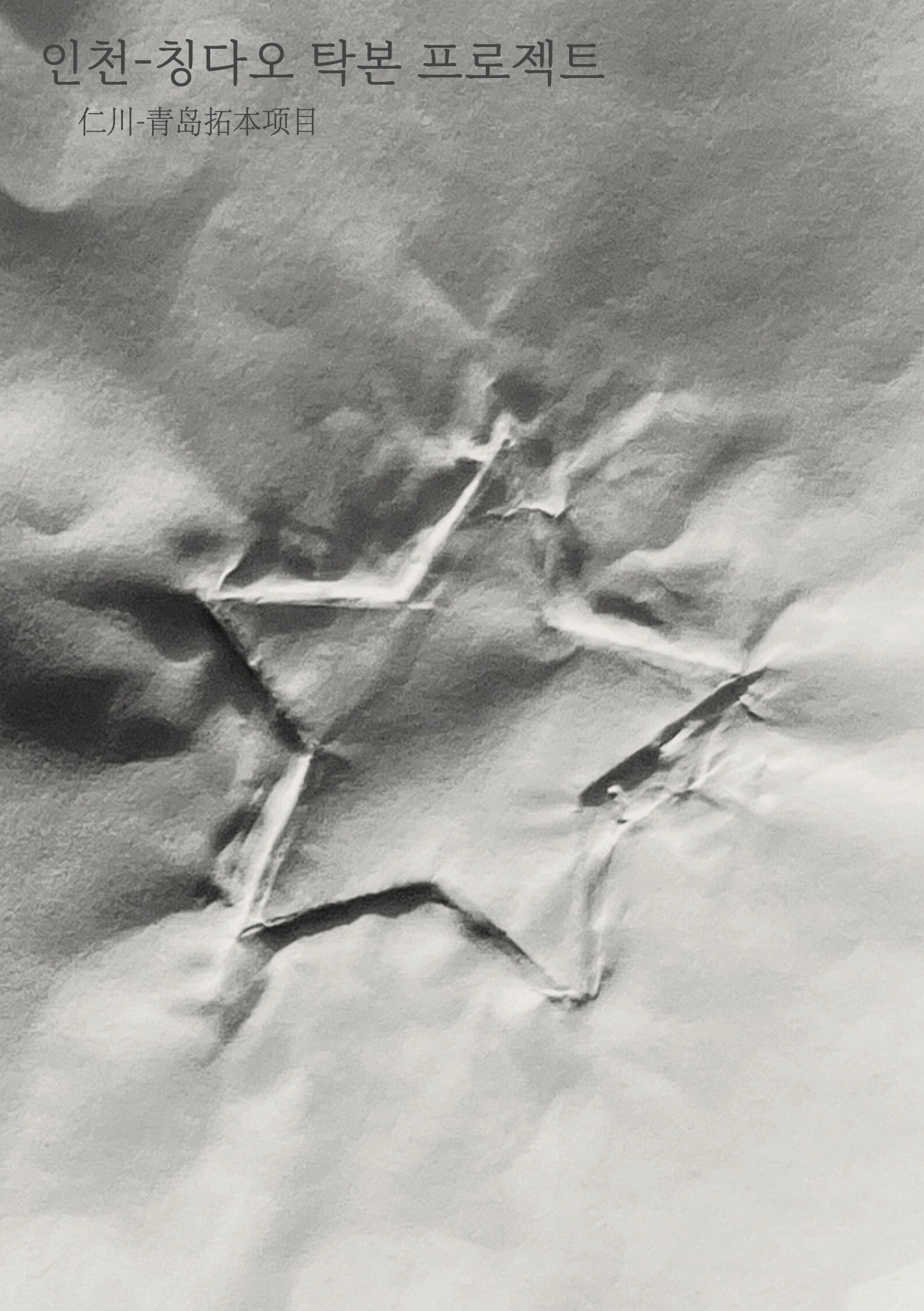
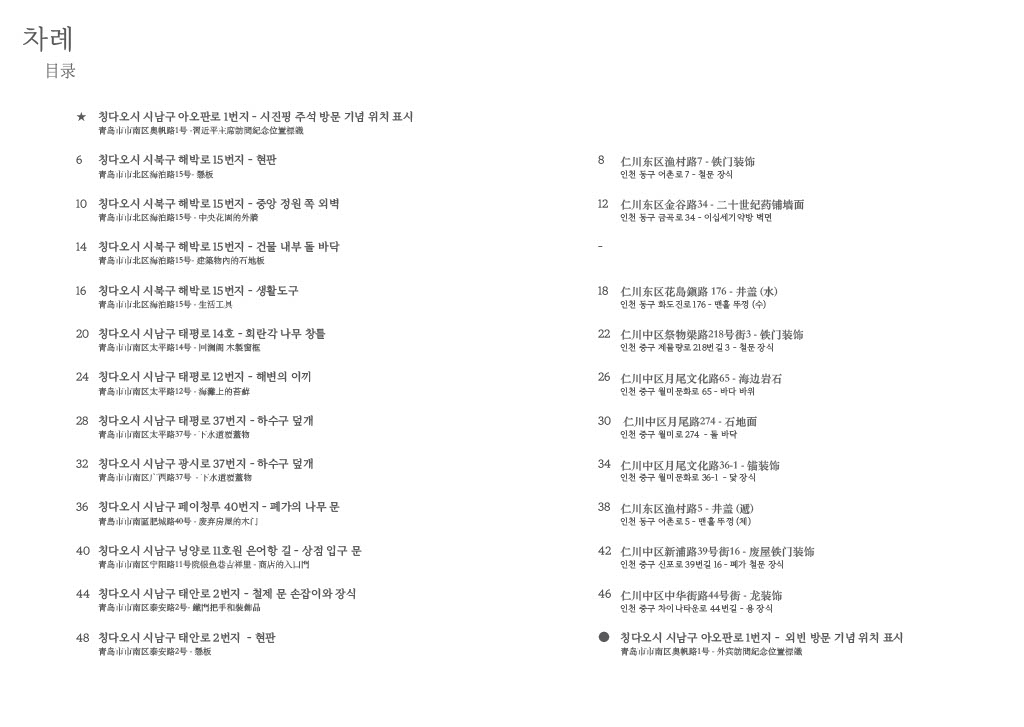
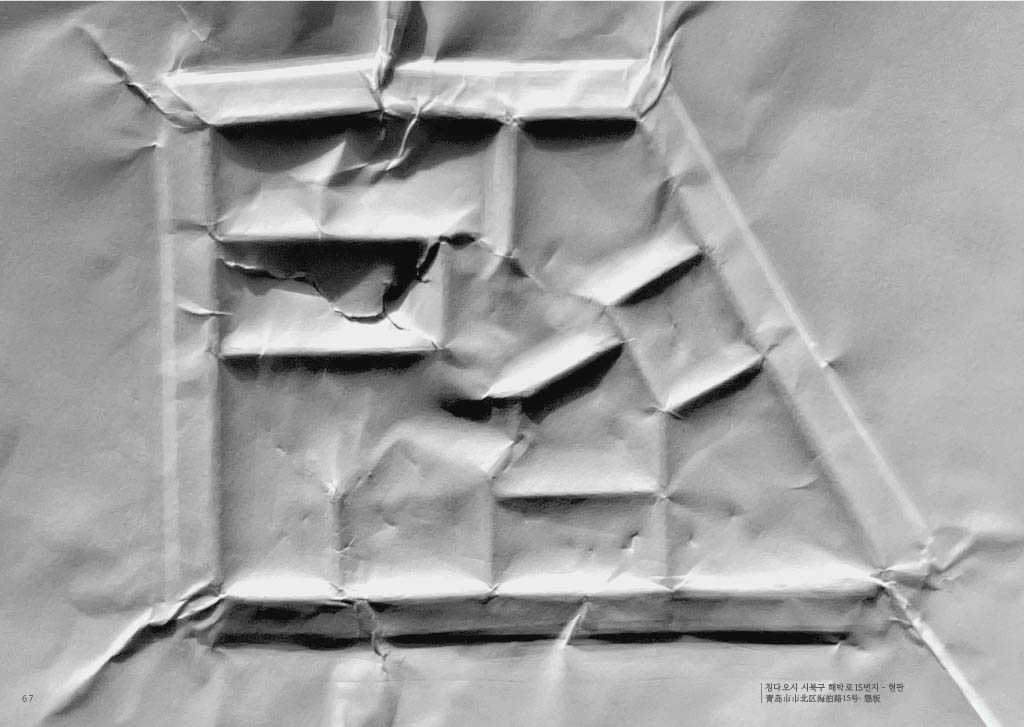
-Artist : Eum Kixung, Son Wonhyuk, Nam Gahyun, Park Mina (032)
-Year : 2025
-Organizer : Eum Kixung
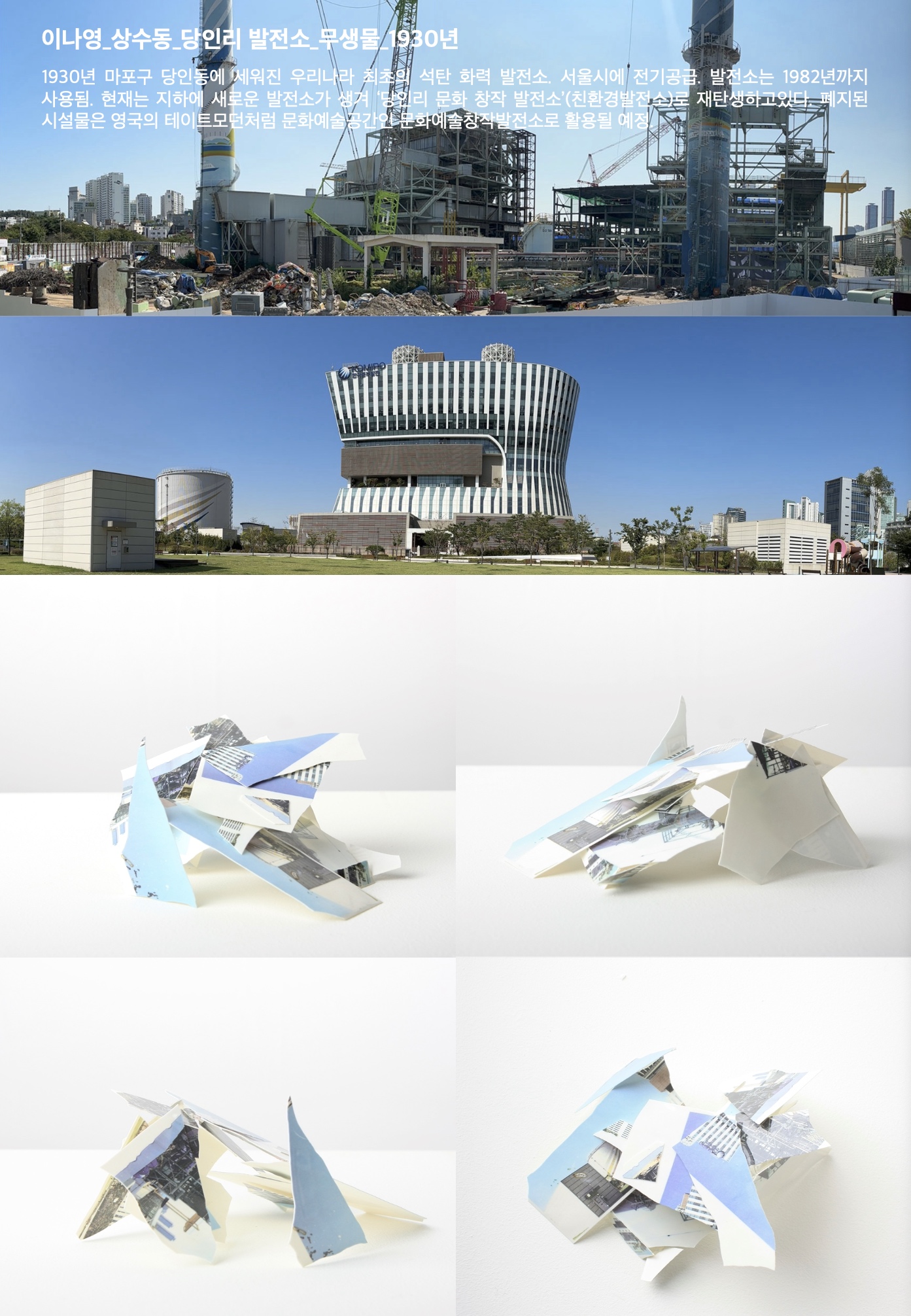
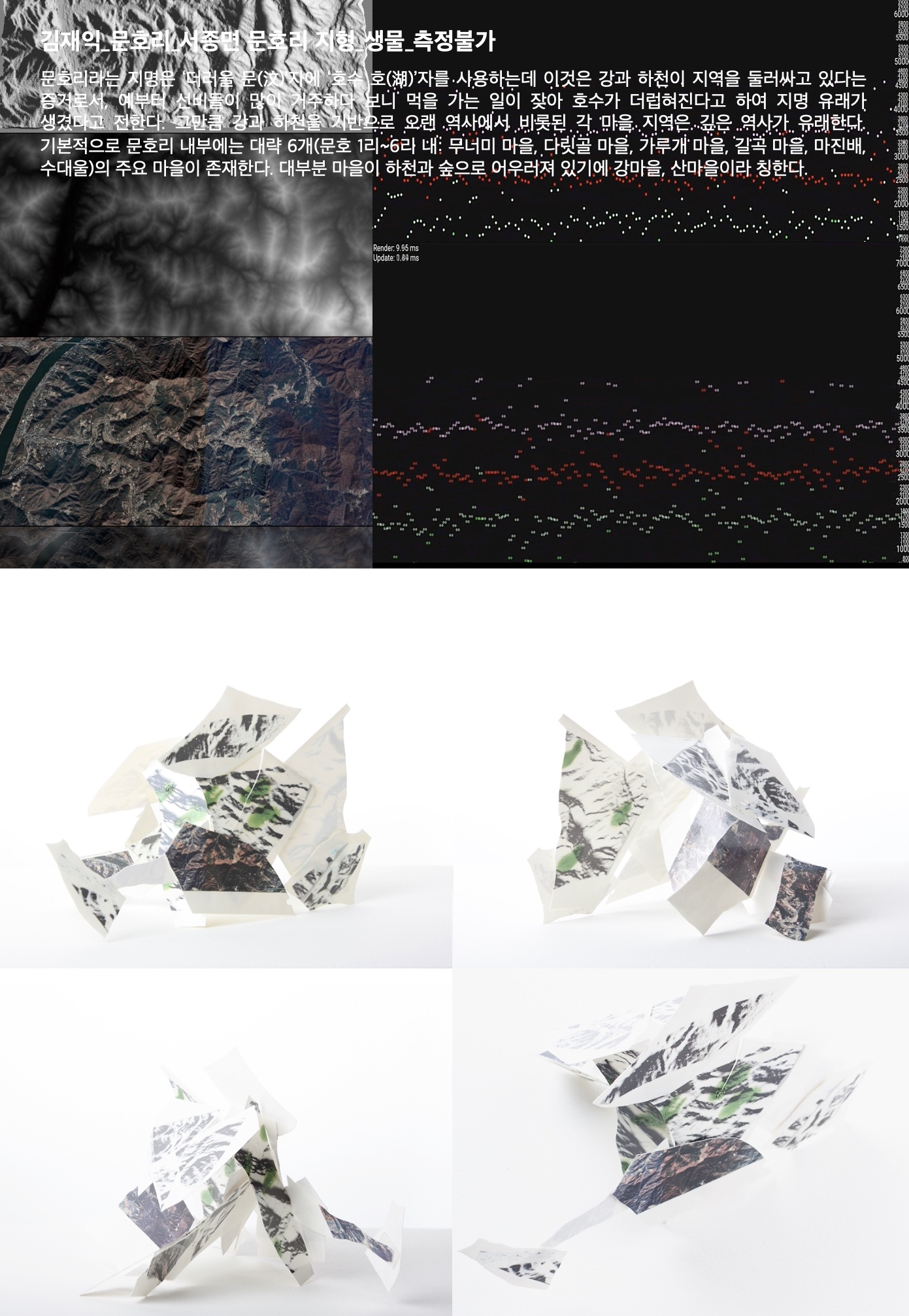
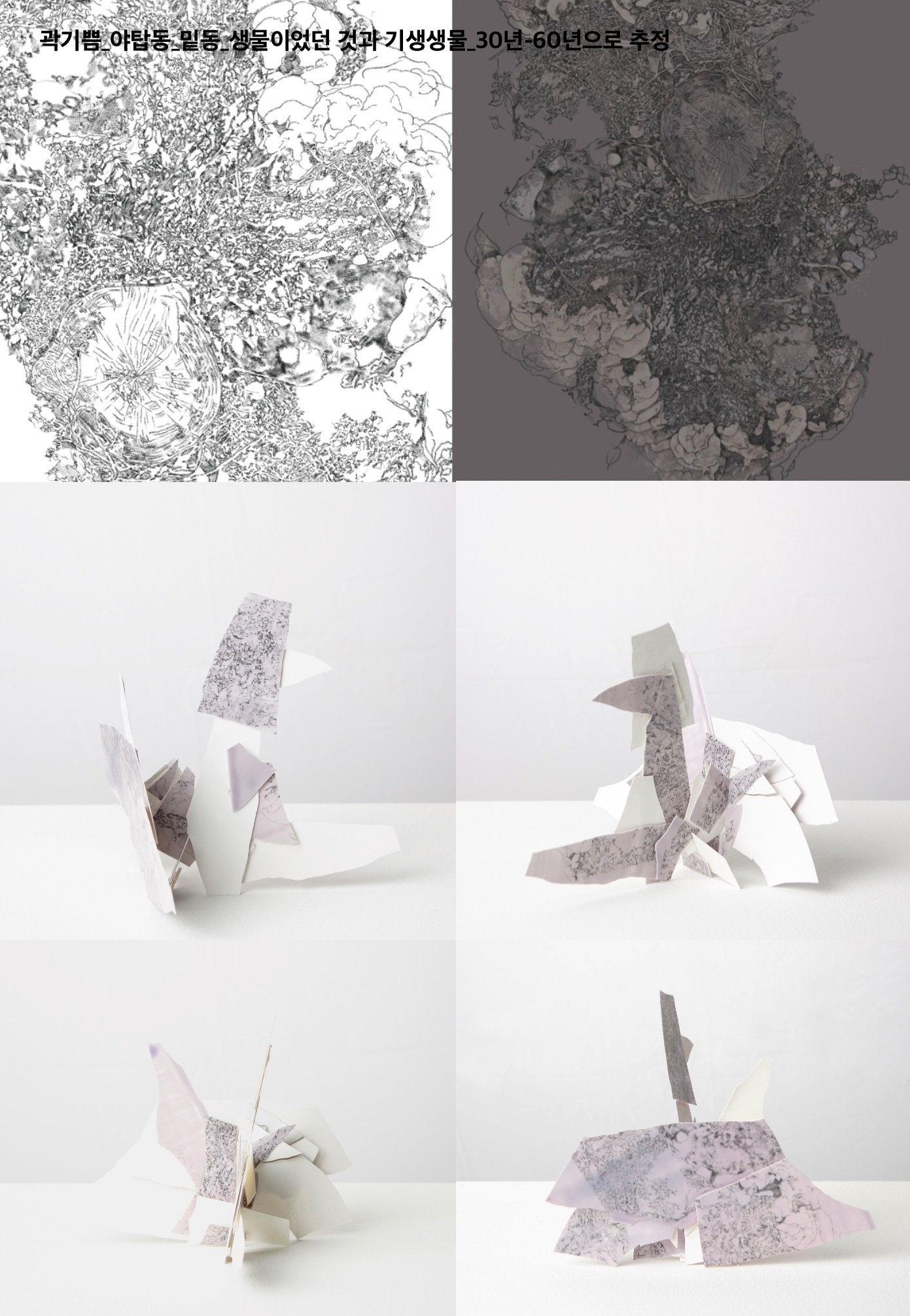
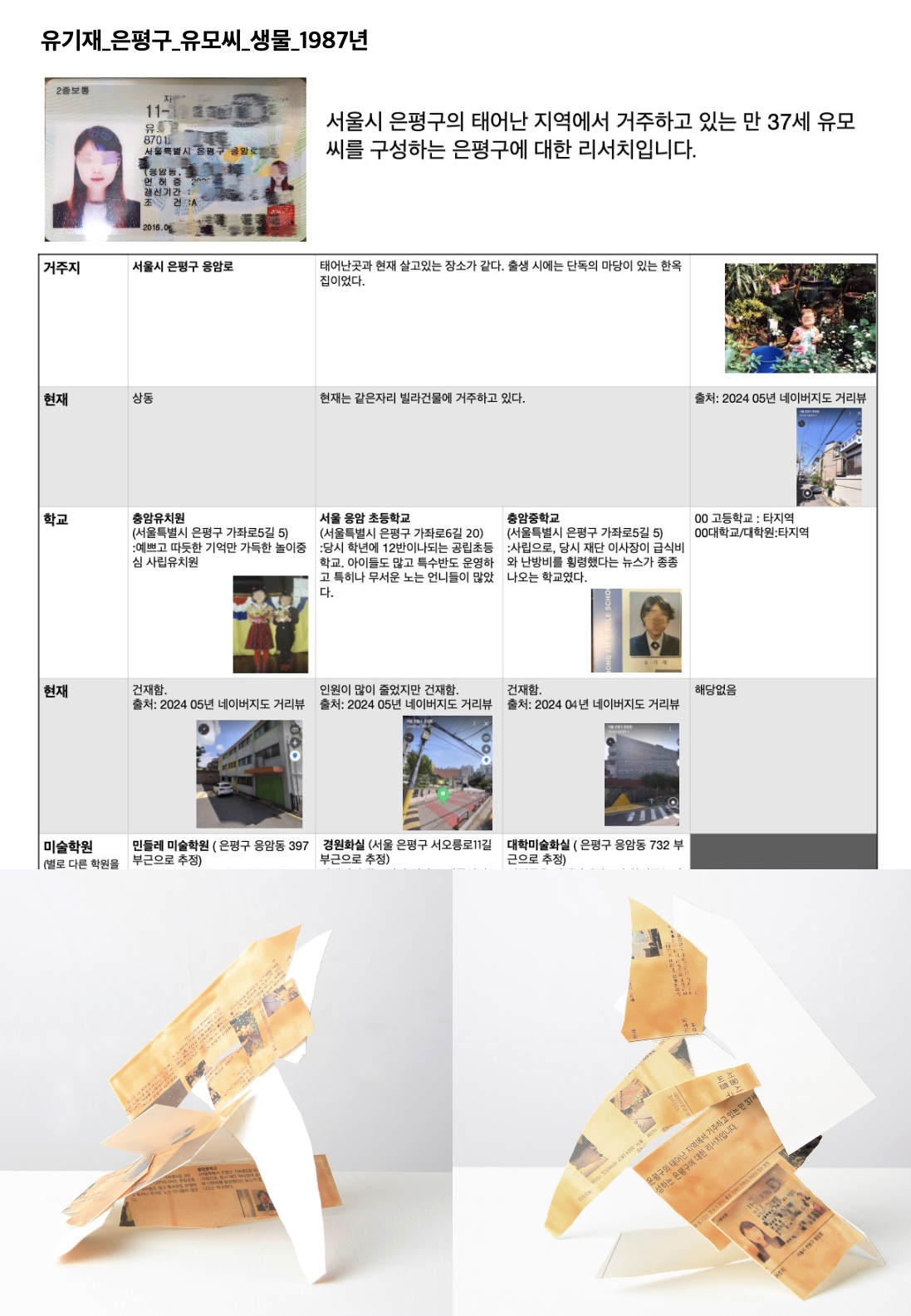
-Artist : Eum Kixung, Gwak Gippeum, Kim Jaeik, Lee Nayoung, Yoo Gijae, Cho Hyeongyun
-Year : 2024
-Artist : Eum Kixung

What constitutes the foundation of the city are, in ideological terms, clearly composed of structures of both the upper and lower strata. As such, together with the forces that shape its environment, such as technology, capital, and history (and the cultural conditions that emerge from them), the city continuously generates its own material and conceptual transformations. At the micro level of lived reality, the lives of citizens who constitute the city are typically organized as subordinate components within the broader framework of the macro level of urban design. Yet it is rather paradoxical to recall that the very emergence of the city originally placed its purpose in the happiness of these individuals. This is perhaps because once the vast structure of the city is set in motion, its initial justification quickly evaporates, and its original purpose is gradually submerged in the self-reproduction of the urban system itself. Ultimately, as all such aspirations converge toward a logic of maintenance, the reality of the city unfolds within a kind of entropic cycle—where actions arise, fade away, and arise again—repeating similar trajectories while, in the process, somewhat indifferently losing sight of the very existence that should matter most. Such circumstances simultaneously demonstrate the rigidity of reality and reveal how the structures of the city organize everyday life. The problem, then, is that under these conditions individual lives are still assumed to be determined by the city as a kind of a priori proposition. Yet it is axiomatic that the urban system will persist, and the lives of citizens will continue to share their fate with that of the city. This raises a further question: if the so-called class of citizens is conceived as a subject, what meanings might they reclaim as their own foundation within a reflexive context? This question, in turn, gestures toward a more expanded form of public proposition addressed to us all. As Henri LEFEBVRE observed, "specialists who have studied urban reality" can "hardly go without a synthesis, settling for a quantity of knowledge, of dividing and splitting urban reality"1. He continues: "More often, they conceptualize the city (and society) as an organism. Historians have frequently linked these entities to an 'evolution' or to an 'historical development'"1. This line of critique becomes productive insofar as it redirects attention to the secondary effects that arise when the city is fixed as an object of rational analysis. In this context, EUM Kixung's aesthetic practice re-presents the city as a living form in progress, through a documentary practice that constructs from the residual traces left behind.
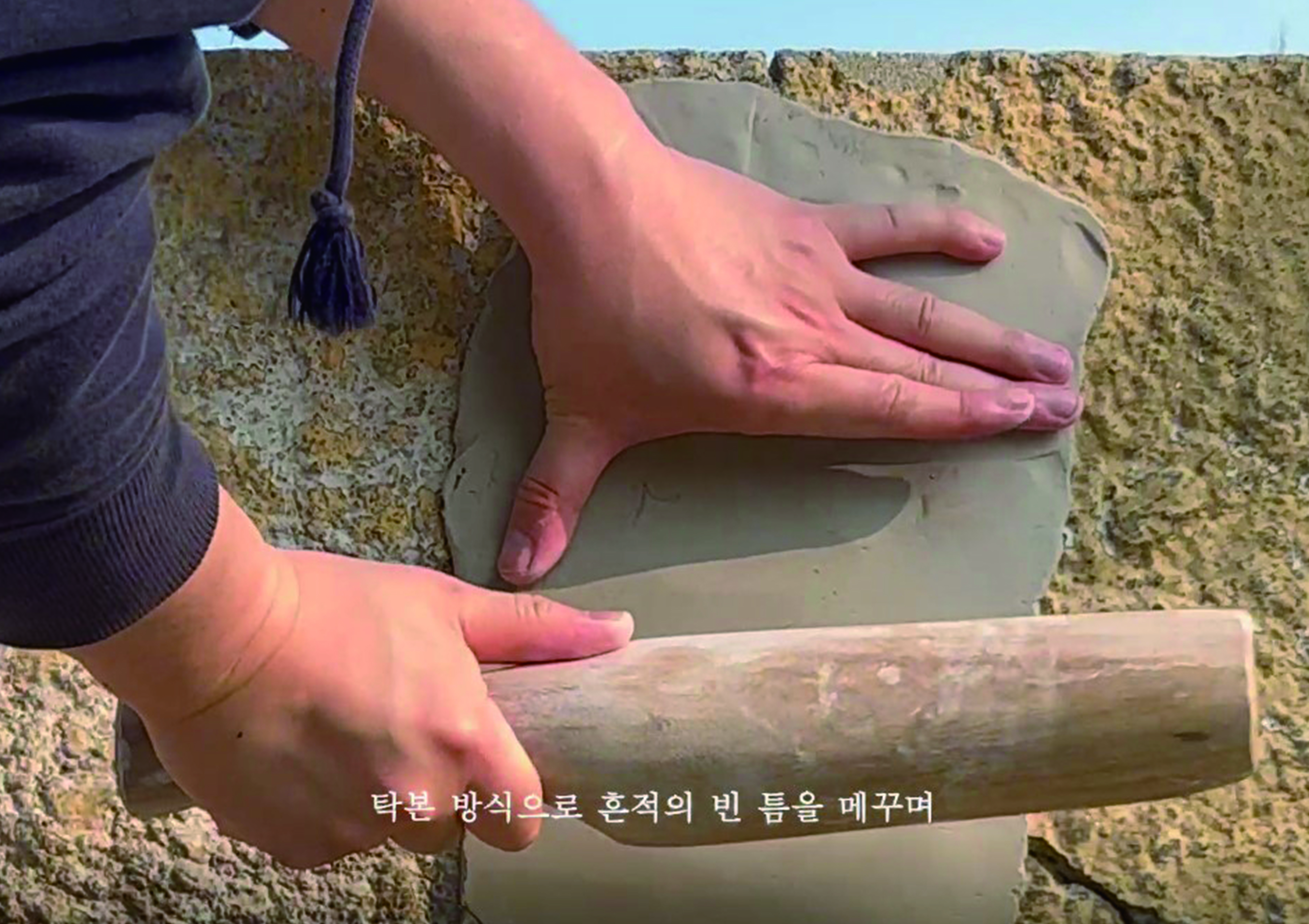
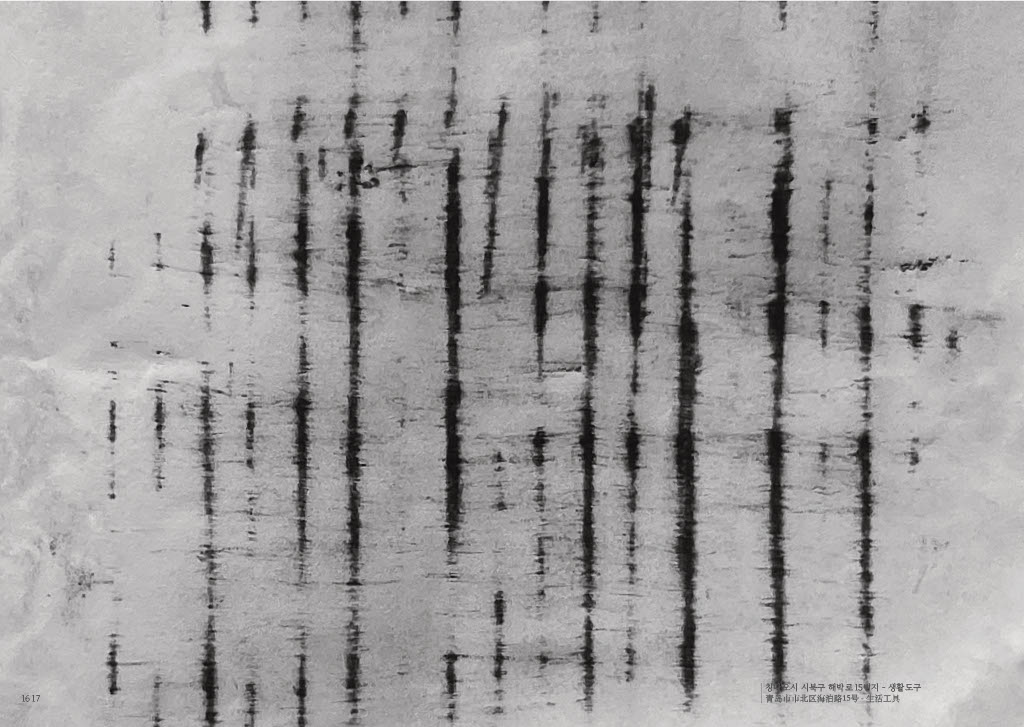
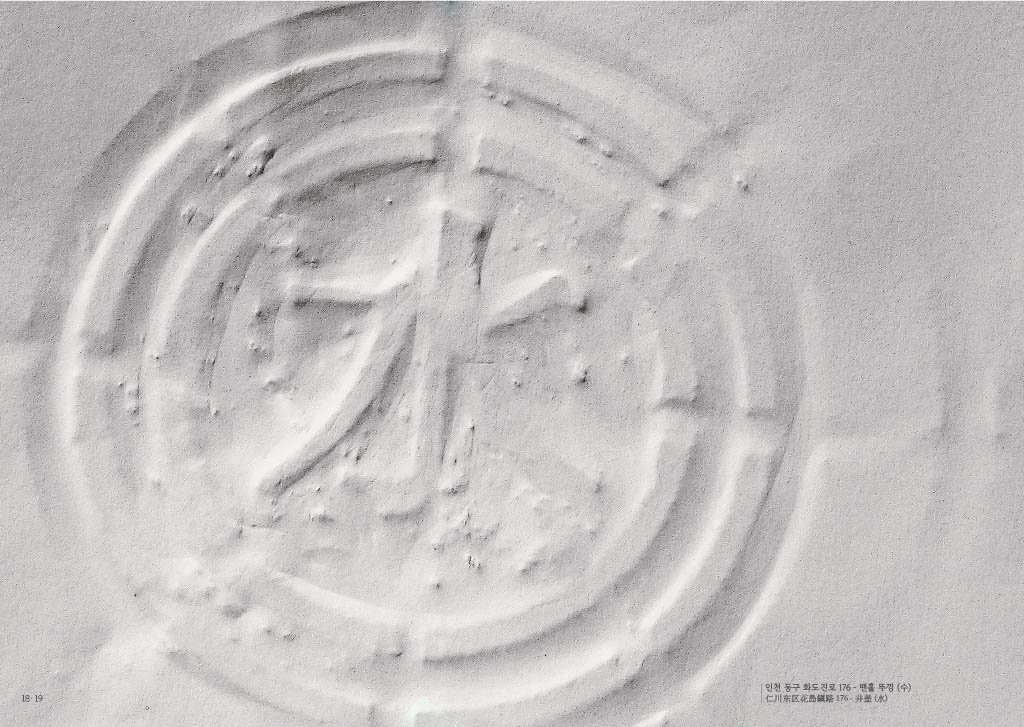
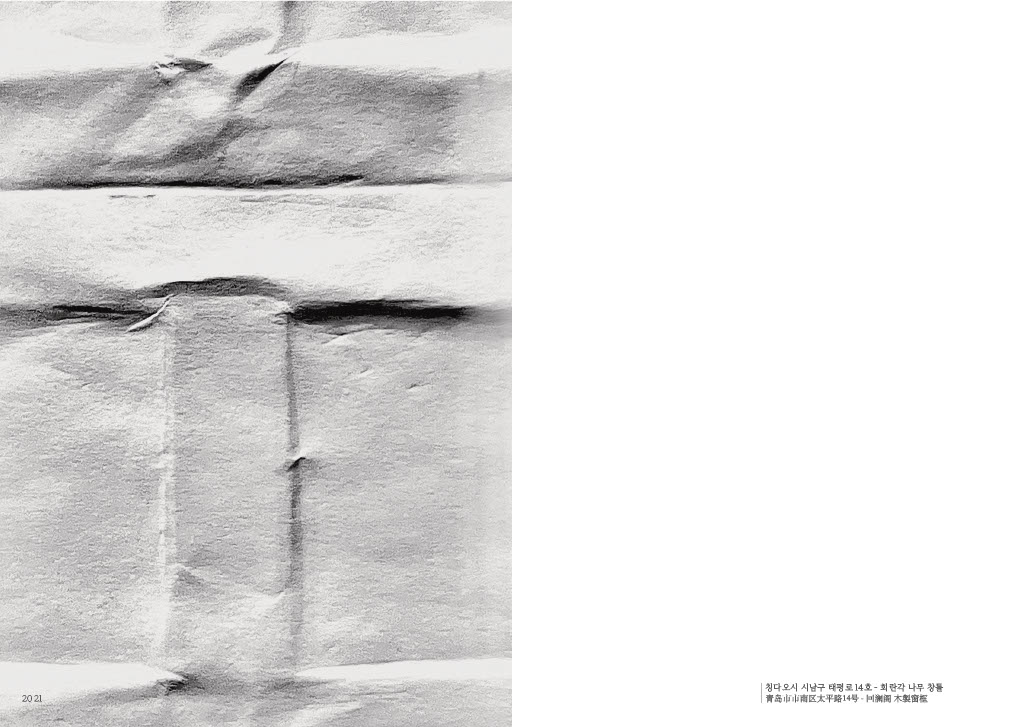
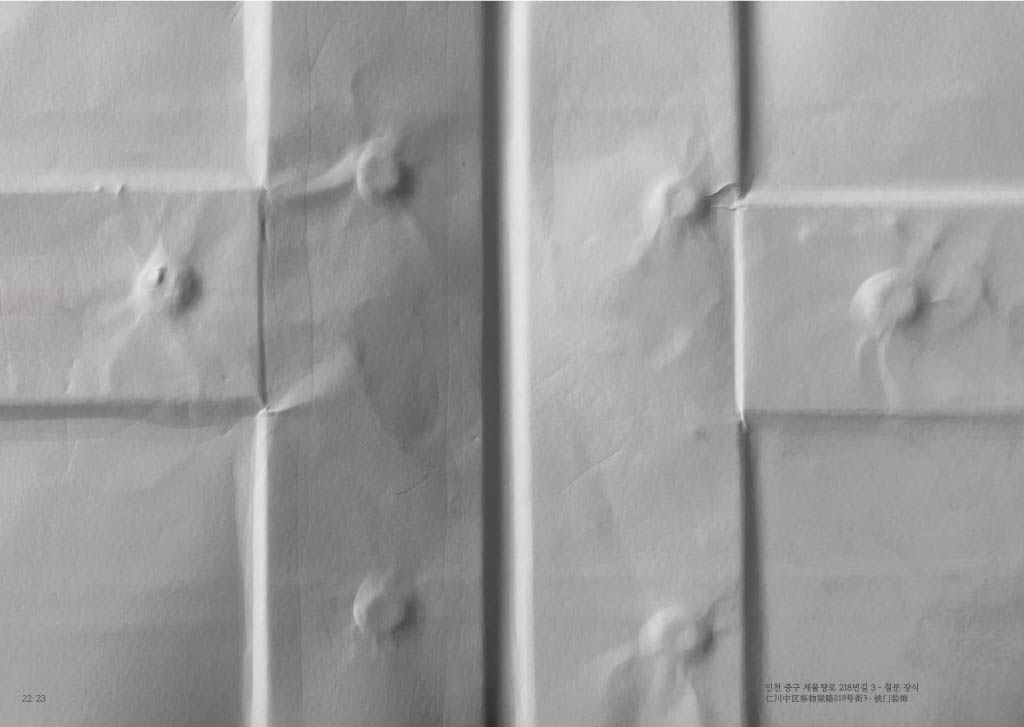
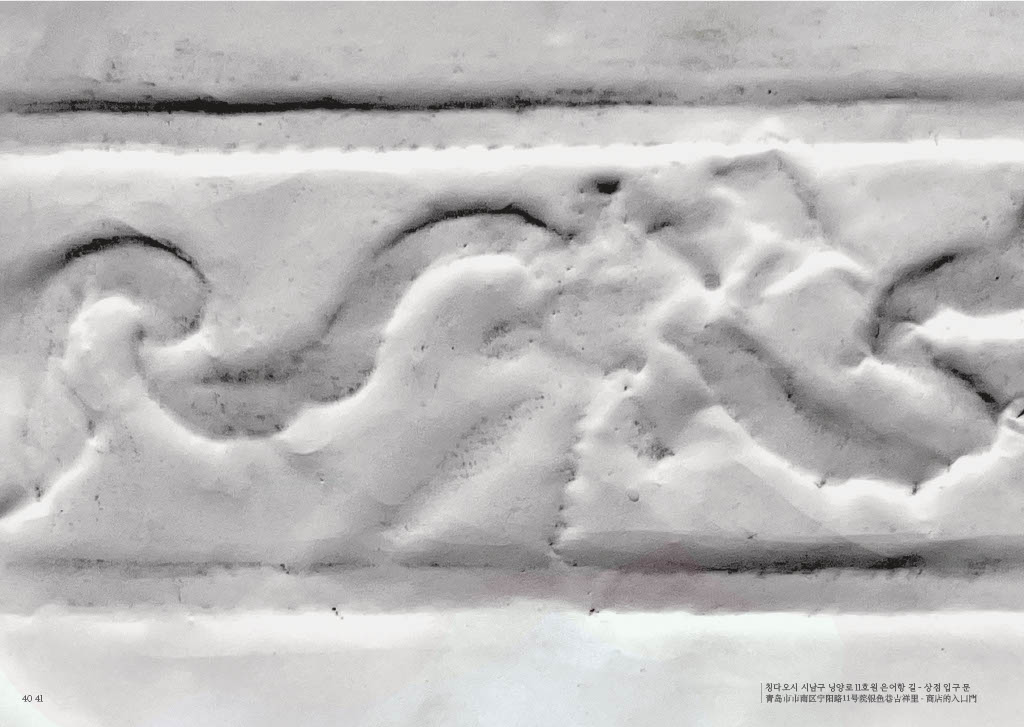
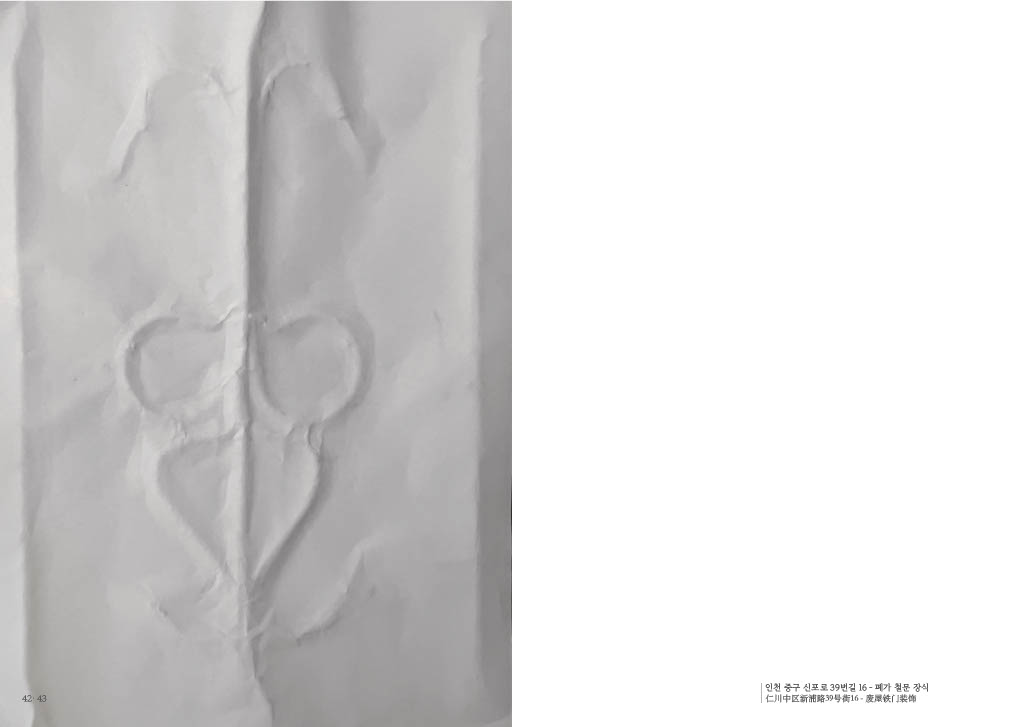
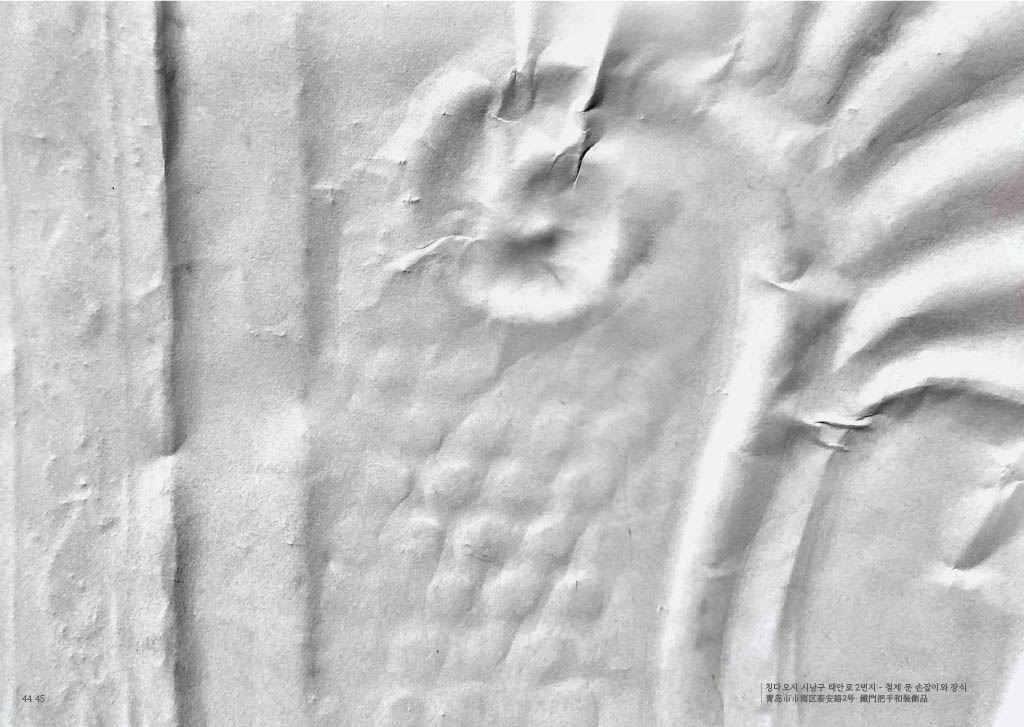
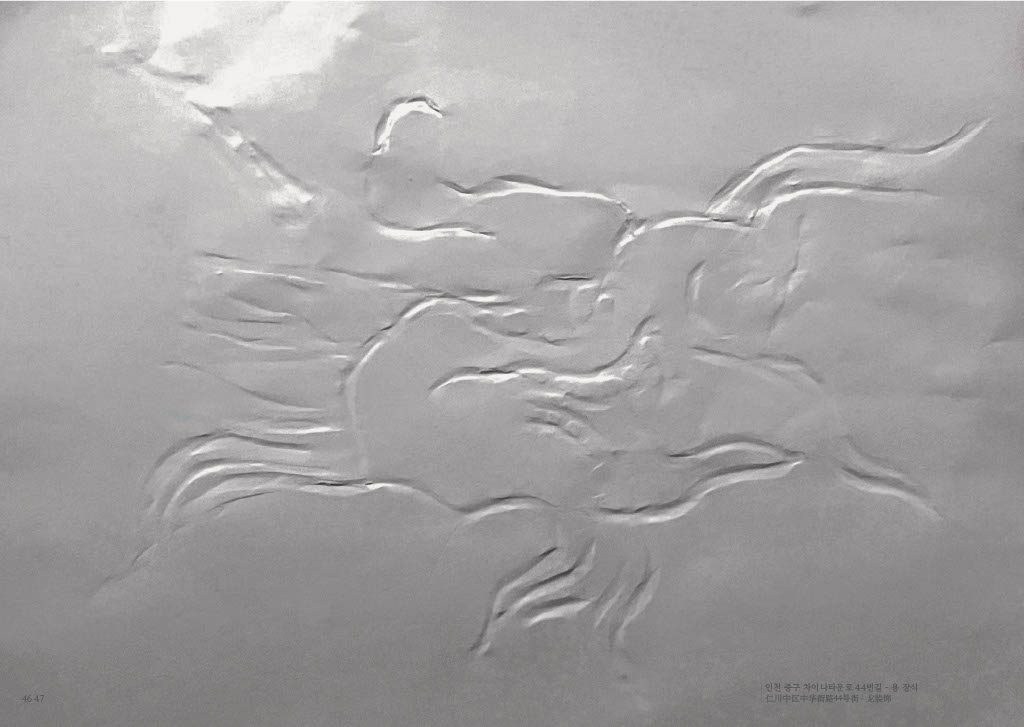
Taking this dynamic structure into account, EUM Kixung's so-called Urban Image Scrap series may be understood as an attempt to focus on constructing an archive through a distinctive act of collecting. His archives, on a material level (regardless of the desires of the subjects who inhabit the city) depict the conditions of a particular era held in suspension. The series of procedures that constitute this act of recording—put more concretely and in commonplace terms, the act of casting the captured city—may, within the institutional context of the modern narrative of development, be reduced merely to the sentimental residue of nostalgia. Yet at the level of private identity grounded in personal memory, it can also transform into an occasion for a different mode of meaning, inscribing the contemporary value of inevitable fractures. Furthermore, the artist's rubbing practice does not aim primarily at realizing the conventional principles of preservation. Rather, it emerges from an effort to painstakingly accumulate, from within localized worlds, the political legitimacy of the urban realization of the structures we call reality. In this sense, EUM's work may be understood not simply as the construction of monumental representation, but as an expression of ignition—a practice that genuinely questions the present function of such structures. Such a process summons the elements that urban planning has excluded—those pushed beyond the boundaries of official categories. The rubbings that unfold along the outer surfaces of buildings render the image of the city as fragments of sensation through a process of direct contact. In discovering and arranging these traces, the artist blurs the hierarchies among the elements that constitute the city. The minor images of urban components he captures no longer remain background or peripheral details; instead, they acquire equal standing as formal units. Rather than placing vague hopes for improvement in the outwardly radiating energies generated by the collisions of massive structures, EUM turns to the opposite point: the implosive processes that unfold almost imperceptibly through the small accumulations of everyday life. From this inward dynamic, he cracks open the seemingly stable order of purposive systems. In particular, the formal language of his work is situated within the category of craft grounded in ceramics. Through this medium, the fragments of memory left incomplete during the process of on-site casting and image collection are hardened through the plastic transformation of firing, thereby elevating their status into markers of record. In this way, craft produces reality not at the level of commerce but at that of the public, and not at the level of abstract concept but within everyday life. The concrete act thus sinks deeper precisely through its fragmentation. Accordingly, the position of the artist evolves—from attention to creation, from witnessing to reportage, and from reception to the articulation of a standpoint. EUM's Urban Image Scrap series recognizes the scale by which meaningful information of the present era may be measured. At the same time, it inscribes subjective propositions related to that information into the level of objective indices, while elevating them into a form akin to pseudo-artifacts or quasi-ruins. Fragments of reality transcribed in this manner function, within the artist’s practice, to reveal overlapping strata of history. In other words, his transcription (jeonsa) operates as an image-skin surrounding the urban system, through which the implications of the surface transcend the layered strata of other signifiers that once displaced its outward extension. Incomplete urban sites, such as renovation or demolition areas and aging city centers, are thus repositioned by the artist from the margins into visibility. Within the alternative time and space of the exhibition, these ‘shadowed’ places are brought into the ‘light’, prompting a reconsideration of the lines of management and control that have governed the operation of the city.
The sculptural forms thus constructed by EUM seem to suggest a certain threshold, suspended between past and present and between elapsed time and spaces yet to arrive, linking the city’s history to its unfolding future. As members of a society who inevitably live within the structures of the city, the attempt to reconsider the proper purposes by which such structures should operate recalls the mode of sovereignty exercised through relationships established by contract. In other words, the functioning of a vast artificial persona such as the community itself3. In this sense, the artist’s work reveals the possibility of restoring the crowd—once constituted as a collective body of citizens—to its original density. It thus proposes that the city must mediate citizens and their lives not merely as objects of management and control, but as genuine manifestations of subjectivity and as plural ends in themselves. The space of everyday life derives its force precisely from exposing the stark differences in positions regarding the organization of an ideal locality. The construction of meaning, therefore, should begin from the recognition of a variable totality woven from the accumulation of multiple generations—erasing the attribute of a singular, monumental unity, or alternatively rendering it opaque. In this way, the meaning of the contemporary city, marked by the keyword of disappearance, must be rewritten as the very process through which its values are constituted. It is precisely this rewriting that EUM Kixung’s work calls for.
1 LEFEBVRE, Henri, "The Right to the City" in LEFEBVRE, Henri, Writings on Cities, translated by Eleonore KOFMAN and Elizabeth LEBAS (Oxford: Blackwell, 1996).
2 Interview with EUM Kixung, Incheon Art Platform, October 26, 2025.
3 The concepts of social contract, sovereignty, and community formation are taken from Leviathan, or The Matter, Forme and Power of a Common-Wealth Ecclesiastical and Civil by Thomas HOBBES.
Eum-Kixung’s solo exhibition, "Afterimages of Blurred Boundaries" (2025), stems from an inquiry into the possibilities of contemporary ceramics. Rooted in traditional ceramic practice, his work explores methods to resonate with the contemporary condition by departing from a vessel-centric (gi, 器) orientation. This departure intersects with the transformation of Hannam-dong Zone 3 (encompassing Itaewon-dong, Bogwang-dong, and Hannam-dong)—where the artist resided for a long time—following the announcement of a massive New Town redevelopment project. The promise of urban development reduces a place from a site of lived existence into a strange arithmetic calculated solely by capital gain. Yet, a home—a space of living—is an extraordinary fabric woven from community memories and relationships that can never be replicated by advanced technology, far transcending mere economic value. The artist began documenting the dissolution of this sanctuary, so densely interwoven with traces of survival. His mode of documentation is remarkably literal, mediated through clay. As if mapping a place that has vanished or is destined to disappear, he manipulates what might be termed the abject. Mediated by clay, he assembles distinct fragments that have been reduced to debris—an assemblage that strikes the viewer as profoundly absurd. Because time is irreversible, the artist's process of re-shaping clay to piece together mismatched bodily fragments (membres) becomes neither a representation nor a restoration, but reaches a ritualistic dimension. The artist interprets this series of processes as a "boundary of memory." Boundaries are ambiguous. Occupying a space of "neither here nor there," boundaries are inherently unstable; they invite cold stares, become "othered," and are pushed to the margins. Eum-Kixung poses a question to himself: What does this absurd practice truly seek?
Community and Mourning
An artist’s map need not perfectly mimic physical reality. Eum’s map is a psychological cartography, evoking the détournement (rerouting) aesthetics of the Situationist International—a tactic that subverts the logic of development driven by capital and power. Rerouting is a way of inhabiting the city differently from prescribed conventions; it is at once subversively radical and deeply poetic. We live in an era where rituals are fading. Some might dismiss them as meaningless traditions. Just as Walter Benjamin anticipated the loss of ritualistic aura with the advent of photography, rituals in our contemporary world are growing increasingly faint. The philosopher Byung-Chul Han interprets the existence of community through the lens of velocity, noting that "communication without community is accelerated" (The Disappearance of Rituals, p. 24). Furthermore, the collapse of community leads to the demise of narrative. Within a community, narratives circulate iteratively. Rather than being reduced to mere information, narratives prompt discourse among community members through added anecdotes and layered interpretations. Today, however, in the absence of community, narratives are fragmented or turned into zombie-like memes, rapidly consumed and erased across social media networks. A true narrative demands a process of agonizing, questioning, regretting, doubting, and overcoming fear. In contrast, contemporary narratives are merely provocative and spectacular. The Situationist International maintained a critical distance from the spectacle of the city. Though perhaps unintentional, Eum-Kixung contemplates the city in his own distinct manner, discovering a new cartography—a new mode of urban usage. Through his wandering (dérive), he gathers abject materials stripped of their original meanings and collects symbols representing the local terrain. In doing so, he reminds us that "here and now," the ground we inhabit consists of more than just achievement-oriented subjects and real estate values. Yet, for anyone casting a skeptical gaze upon this naturalized present, it is obvious how arrogant and delusional it is to assume that a meticulously planned future will inevitably be superior to the past. As Eum articulates in his internal monologue, he remembers and mourns—in his own visual language—the undefined, fallen entities and marginalized existences indiscriminately forgotten under the grand ideology of progress.
Paradoxical Creation
Rather than forcing his background in ceramics to fit neatly into contemporary art, Eum-Kixung seems to ponder how "the ceramic" (l'élément céramique) can acquire contemporary relevance. Today, disciplinary boundaries serve less as obstacles to entering the art world; instead, emphasis is placed on how effectively both specialists and non-specialists can pose valid questions through their own medium and language. Moreover, a theoretical foundation—particularly an anthropological methodology—opens a "hole" through which one can pierce the borderlessness of the globalized era. Over the past three to four years, Eum has continuously immersed himself in sensing the anthropological material of clay, the craft of ceramics, the contemporary issue of site-specificity, and the disappearance and traces of place caused by developmentalism. Art today is no longer interpreted or evaluated solely according to pre-given formats. Of course, a counterargument is possible: no matter how much the world changes, formalist value judgments cannot be completely discarded. What we must consider is that contemporary art should neither blindly reject conservatism nor assume that radical attempts serve as an absolute manual for contemporary practice. Eum extracts images of the forgotten from amidst that which is disappearing to create ceramic rubbings (takbon). The artist attaches significant meaning to this process. Regarding the signs of collapse accelerated by development, he notes that he "discovered fragments of layered memories deposited beneath the homogeneous layers of concrete." By executing rubbings of these memory-laden images, he continues an experiment that bridges past and present, oscillating between two-dimensionality and three-dimensionality, and traversing fine art and craft (quoted from Eum-Kixung’s exhibition statement). Expanding on this, during his residency at the Incheon Art Platform, he archived the Fairytale Village in Songwol-dong, Incheon, using a methodology similar to his work in Yongsan.
Infiltrating the World
In the case of the map of Yongsan Redevelopment Zone 3, although I have not personally visited the physical site, I could easily discern moments where the artist’s subjectivity as a resident vividly surfaced. For instance, in the process of intentionally deconstructing and reassembling his ceramic works, one could empathize with a certain underlying rage, regardless of the artist's explicit intent. This felt deeply ambivalent: a sense of catharsis derived from destroying one's own work on one hand, and the manifestation of the artist's will or desire toward a transition into "contemporary art" on the other. The book he referenced, Hyperart Thomasson, is a text I also read with great fascination. Here, "Hyperart" encompasses objects that, despite falling outside conceptual frameworks defined by the world, still possess an artistic aura. To that extent, contemporary art has become a domain of the indistinguishable. The philosophy of the French philosopher Jacques Rancière is particularly noteworthy here. Rancière emphasizes that art and life are by no means separated. How, then, should we understand this ambiguity? He posits that this very ambiguity constitutes the political possibility of art. The world has long been governed by rules, maintaining order through the distribution of shares. However, this "share" carries a dual meaning. It implies either dividing the whole equally or allocating distinct shares to each entity. The former means possessing an equal portion of the whole, whereas the latter emphasizes that while each share is distributed, they remain separated from one another. The French word partager thus holds this twin sense: to share together as a community, and to divide/distribute sensibilities to individuals. The concepts of Hyperart and Rancière's perspective closely align. Rancière argues that our world was originally equal, but this equality suffered a crisis due to "bad politics." Bad politics, rather than sharing all sensible experiences, fragmented them to produce status and power. Good politics envisioned an original world where everything could be shared; yet this world was partitioned by bad politics. While the task ahead should be to stitch these divisions back together, the world continues to fragment at an accelerated pace, leaning toward bad politics that institutionalize power.
It is precisely here that the politicality of art emerges. The will to look back upon that which is inevitably omitted when everyone rushes forward—compassion, strangeness, fragile and easily collapsing entities—is the intrinsic power of art. This necessarily stands in opposition to the neoliberal worldview that divides the world into hierarchical ranks. This point bears repeating: the world of art was originally horizontal. Fine art and craft, technology and art, along with countless unnamed existences, were all original members of this world. Rather than agonizing over the hierarchies of art constructed by human power, Eum-Kixung presents a moment to imagine how dynamically and compellingly this fascinating realm of ceramics can navigate the contemporary terrain.
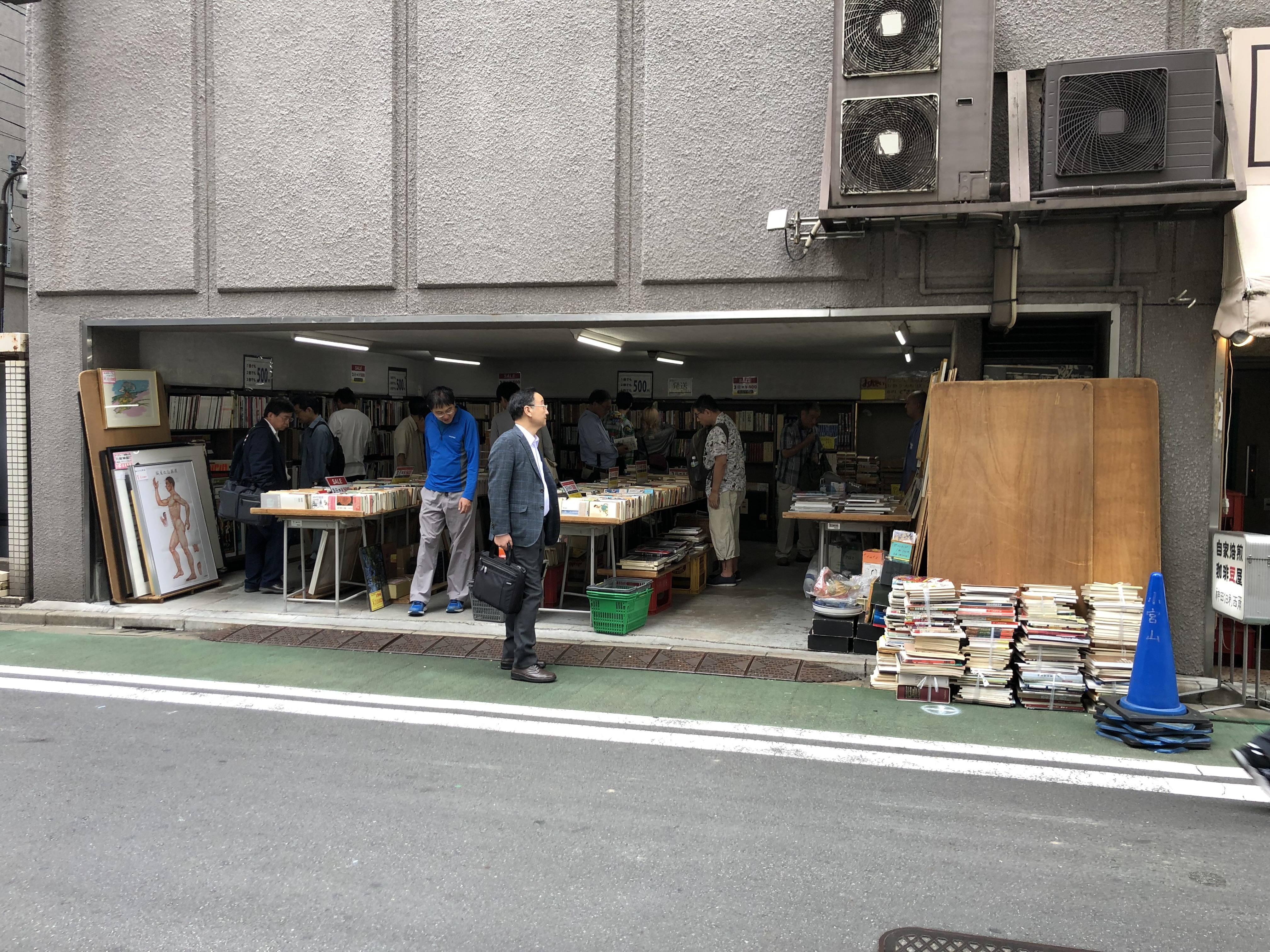
Where some people see certain things as simply junk that’s been thrown away, there are others who see items that can be resold and in that way gain value. This is the case for most stuff found at flea markets. Some may see those things as only useless trash, but to others who know their value, no place could be more fascinating. Rummaging through piles of old vintage items is like a treasure hunt. If you go to a flea market or vintage goods shop in Europe, you might get really lucky and come upon something rare and unexpected. On top of that, many of the things found in such vintage markets are inspiring in themselves, perhaps because of the sort of energy that is concentrated within old objects.
Is the idea that objects possess spirits or souls just a spooky myth that thrilled us as children? I would argue it is not. Just because this unfathomable, obscure energy cannot be proven scientifically doesn’t mean we can simply shrug it off, when the sense that it exists is so clearly undeniable. The uncanny feeling this gives us also confers a sense of déjà vu. Again, where some see an object that has outlived its usefulness and no longer has any value, others see a precious object filled with cherished memories. As such, value can be defined through many different measures, from a variety of perspectives, since items’ personal and social value is determined through diverse criteria.
For such objects to find a new use in the language of art is already a familiar trope. It is well known in the sphere of art that the ‘found object’ (Objet Trouvé) has transformed the artist’s role in the act of production. Another implication is that the artistic techniques for representation have been replaced by acts of the intellect. When Marcel Duchamp showed his work “Fountain,” he set in motion the presentation of existing prefabricated objects as works of art, widely used by Dadaists and Surrealists under the moniker of ‘readymades’. The act of “selecting” an industrial product, or some existing object that has already been made, was transposed into an act of artistic creation.
And now, today, in an age when most ready-made prefabricated products are easily produced, easily used, and easily discarded, what about the image? In the present day where there is a glut of virtually everything, images are likewise no exception. For artists, whose main material is the image, the abundance of both online and offline images become effective materials and motifs. Think of selecting an image that has already been created, or choosing certain “ones” from among a flood of images and objects. Even if the artist isn’t aware of it, borrowing images in this way, even for partial use, is tantamount to a modern take on the methodology of using readymades and found objects. Kixung Eum is no exception.
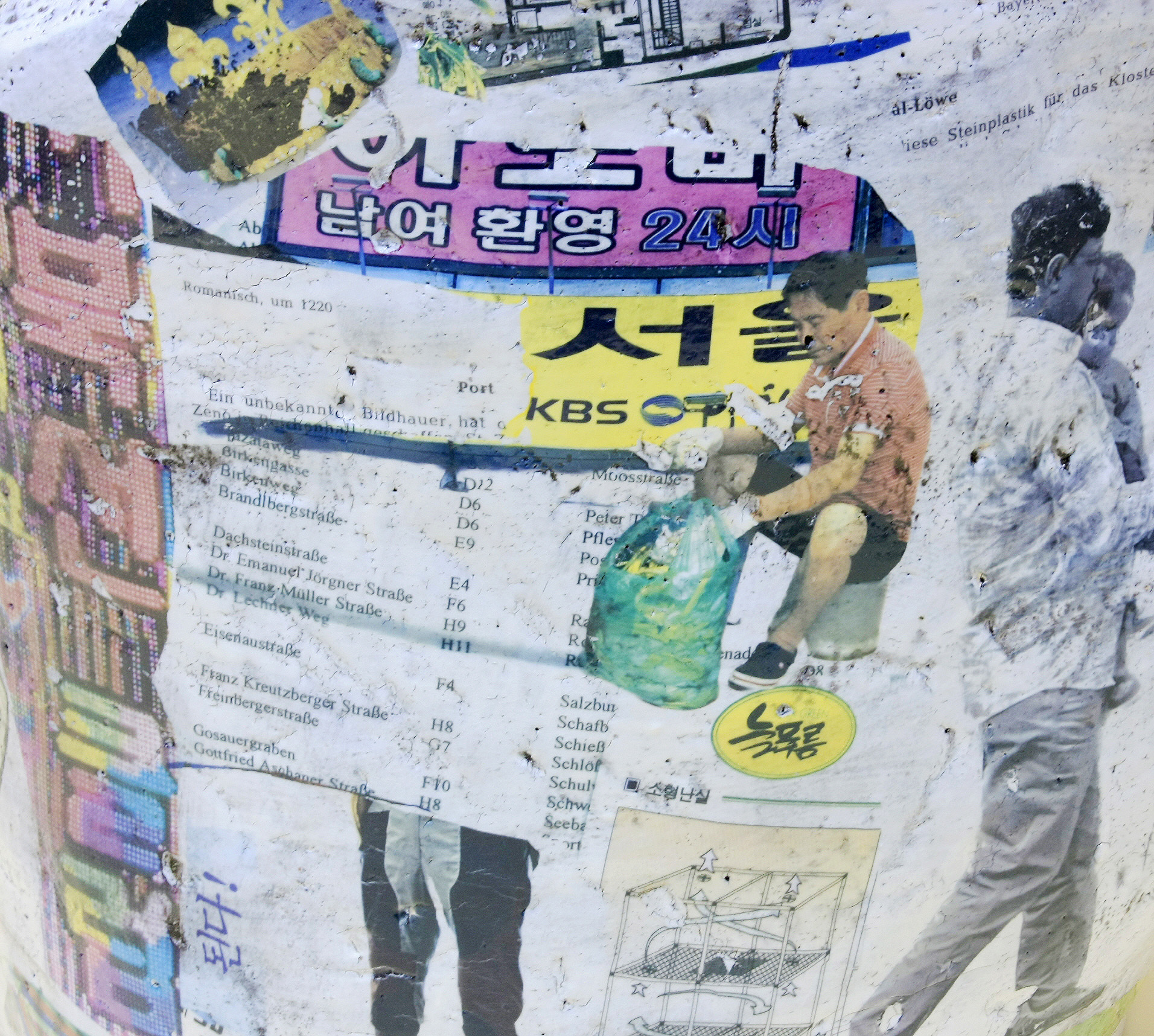
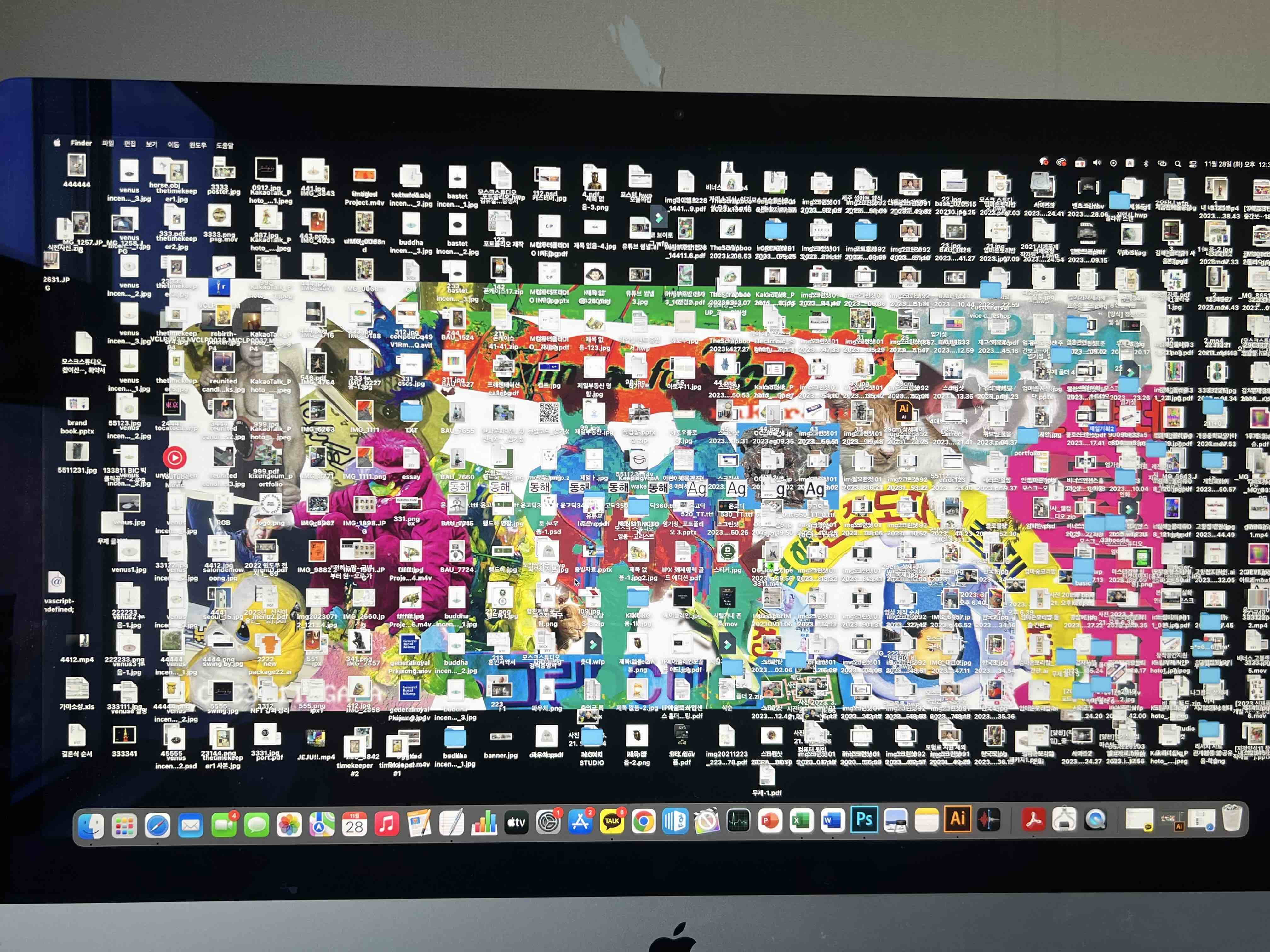
The three-dimensional sculptures produced by Eum are collages made up of ‘found images’ collected by the artist. Fragmented images are overlapped and juxtaposed together to create something enigmatic, and then resin is poured over it to refine the form. The hardened resin gives the individual sheets of paper the physicality of a three-dimensional object. The sources consist of advertisements from old magazines bought in secondhand shops, random flyers and leaflets found around the city, and pictures from old photo albums with no connection to the artist. All of them represent a certain time, or the life of some individual, but like a wandering spirit, no one can say where they’re from. Taking a close look at the artist’s series “The Scrapbook” (2023), you’ll find magazine ads featuring models wearing clothes that were once fashionable, pictures of military items that could be from anywhere, jumbled-up newspaper articles in Korean, Japanese, English, and French, and mixed in with all this, illegal advertising cards and flyers like you might have seen lying around in a public restroom the other day. In the sense that the word ‘scrapbook’ refers to a collection of purposefully selected and organized items, these three-dimensional sculptures composed of haphazard combinations of mixed images belie the series title, conversely seeming to represent the jumbled-up nature of contemporary society.
Walking around unfamiliar neighborhoods and alleyways, the artist collected all sorts of completely different everyday images he came across in different areas and locations. Afterwards, he edited and reworked his choices. Eum said that the fleeting experiences that happen to him when he’s in a completely different place can sometimes feel unreal. That sensation of déjà vu also occurs when you see certain objects. For example, an abandoned doll or toy, or discarded household item, reminds you of a familiar and commonplace time, while at the same time feeling strange and unfamiliar. That “uncanny” feeling of finding something both familiar and strange at the same time is a sensation that happens to us more often than we might think.
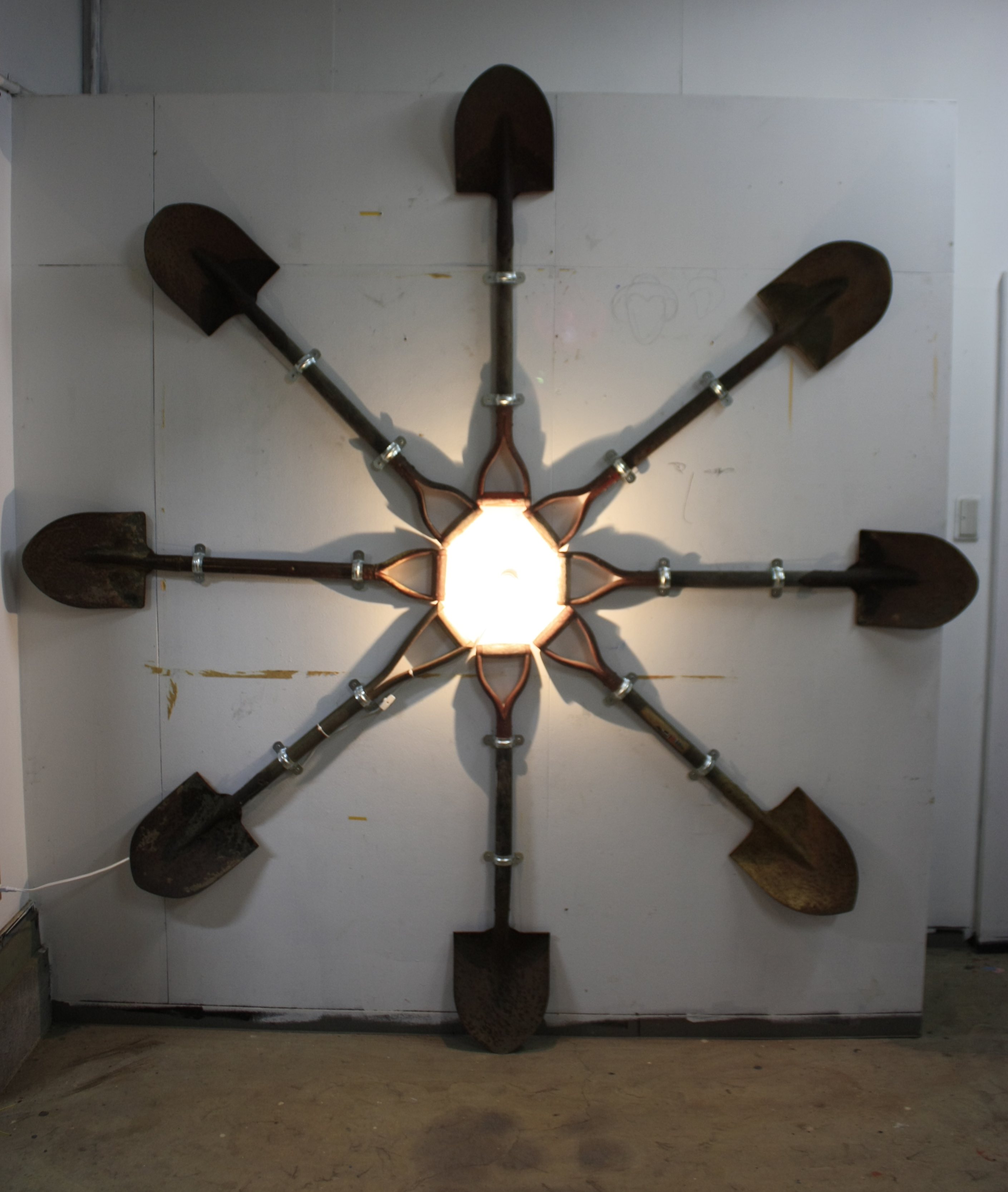
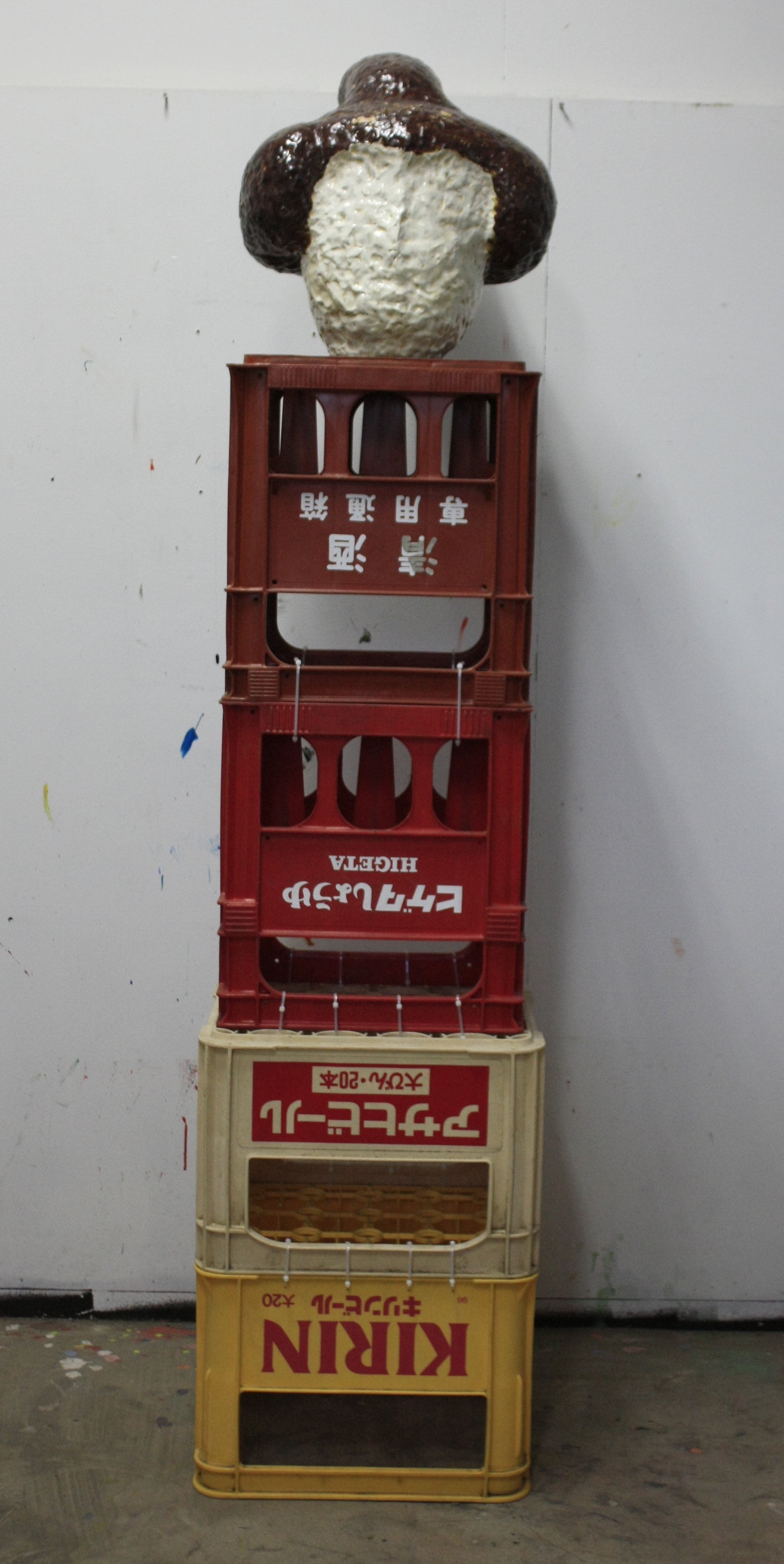
In this way, the resulting amassments of fragmented images are deployed as a single piece. So it is with “Unknown” (2022) and “The Time Keeper” (2021-2022), as well. In “The Time Keeper,” the artist has put together various objects he collected and then poured resin over them, seemingly preserving time intact, as its title suggests. Things like cassette tapes, toys, and somebody’s house keys are all part of a convoluted tangle of ownerless stuff that feels old and worn-out, but is conversely also suggestive of some pop culture phenomenon, giving off a retro vibe. Creating combinations of images or objects that started off with the act of fanatical collecting is the definition of kitsch itself. The artist breaks his found objects and images into pieces and puts them back together again to create new objects. However, these new objects have no purpose or utility. What verges even more on kitsch is the artist’s desire to display these objects as things in themselves. Kitsch has become an established pop culture phenomenon for the reason that the definition of ‘high art’, its ostensible opposite, has become ambiguous. But it is also because the sort of lowbrow art and B-level content represented by kitsch contain their own distinct characteristics and aesthetic features.
Just as trends come and go and everything old becomes new again, with vintage and retro looks in vogue, Eum’s works containing overlapping traces of many different time periods preserve the sense of déjà vu in old objects intact. The mania for retro objects that kindle nostalgia is driven not by a wish to go back to earlier times, but rather by a desire to fondly recall and reminisce about the past. The past itself reverts to memory, so objects embodying a given time period will be valued differently, depending on the individual. And as for Eum’s sculptures, constructed on this basis -how will they be interpreted? What’s left after retro? Reminiscing about the past does not necessarily mean wanting to go back to those days. The retro phenomenon may just be empty repetitions of earlier fads, but that does not mean it is meaningless. More than anything, it reveals the character of the times of the public consuming it.
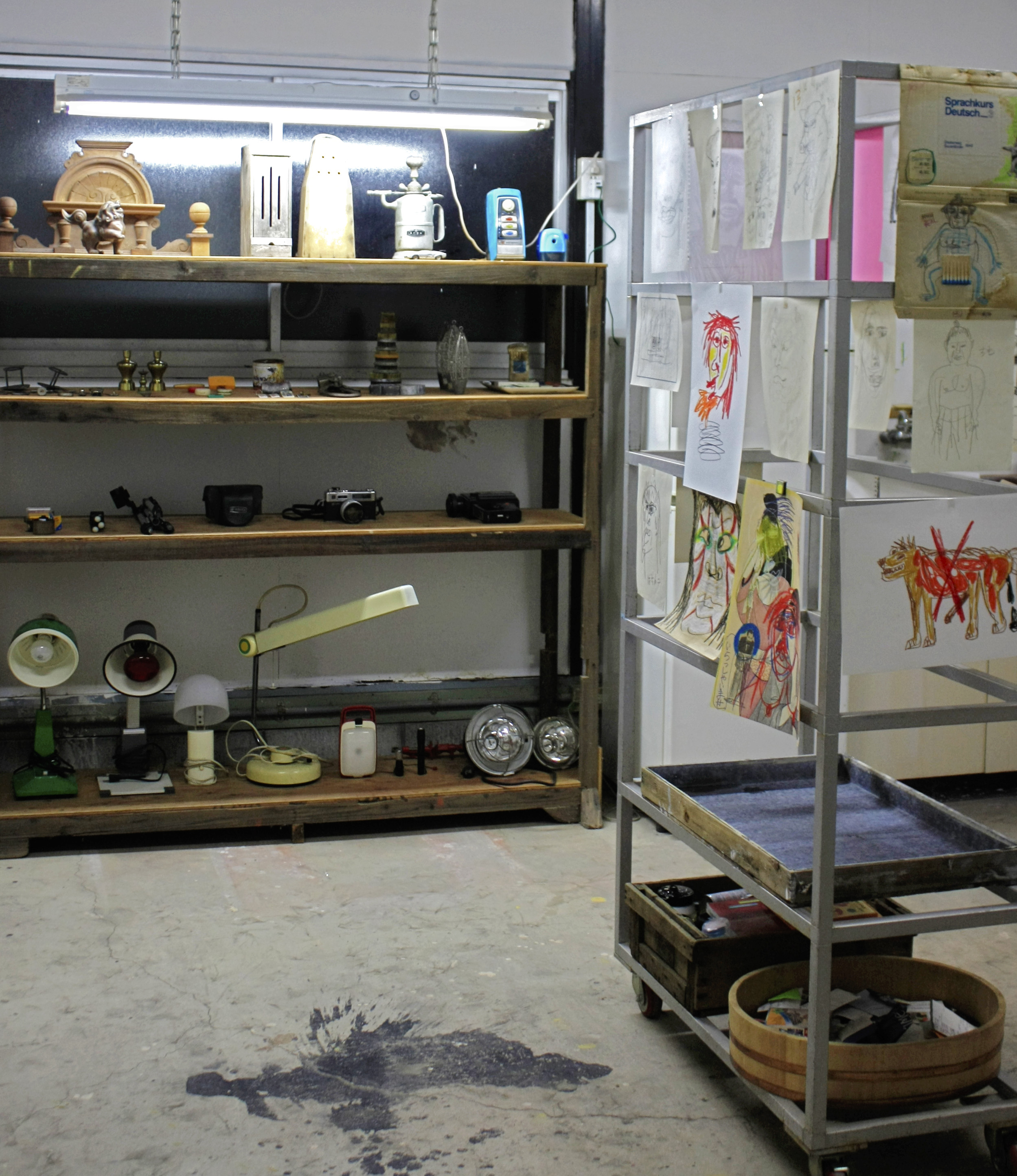
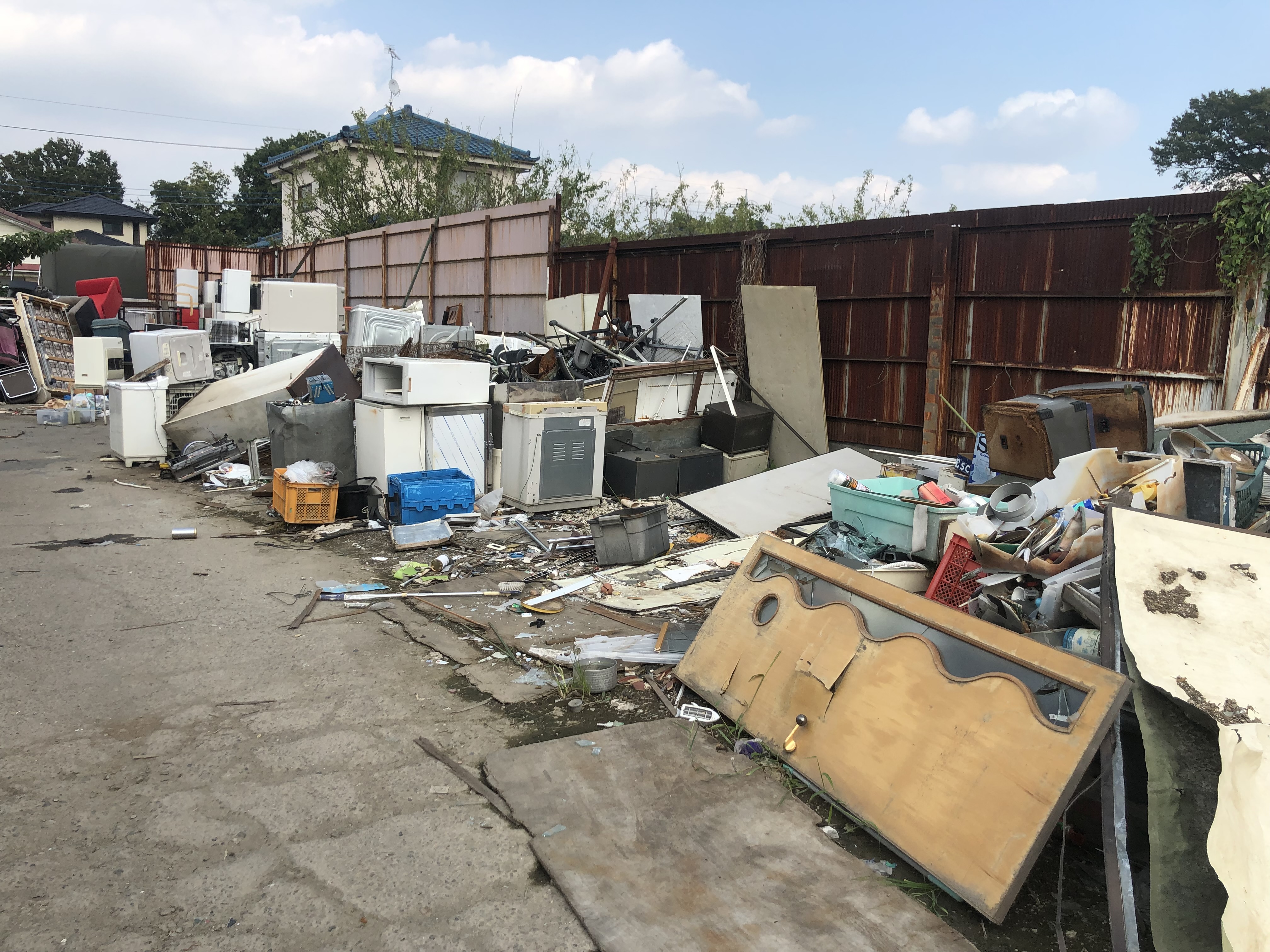
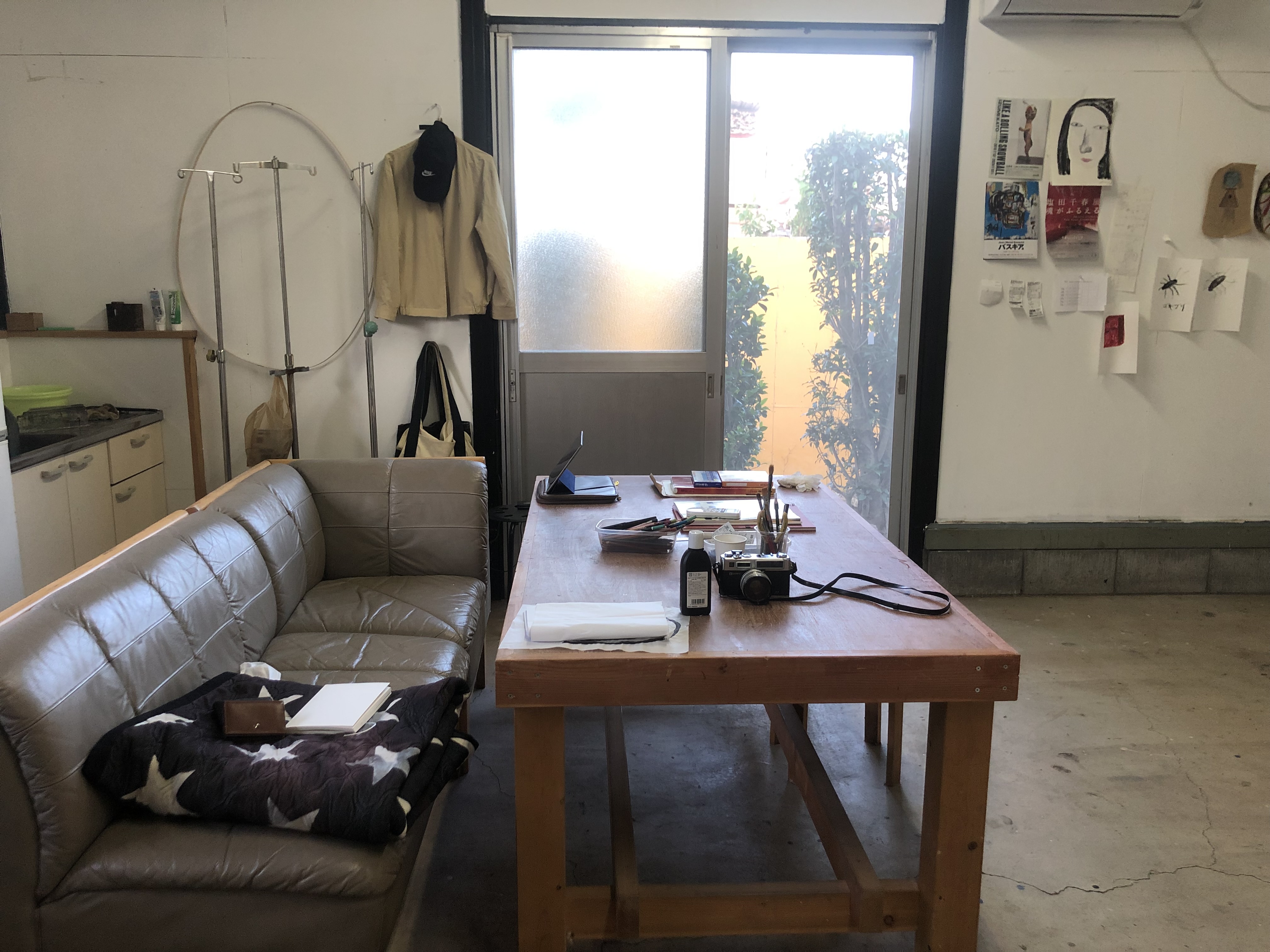
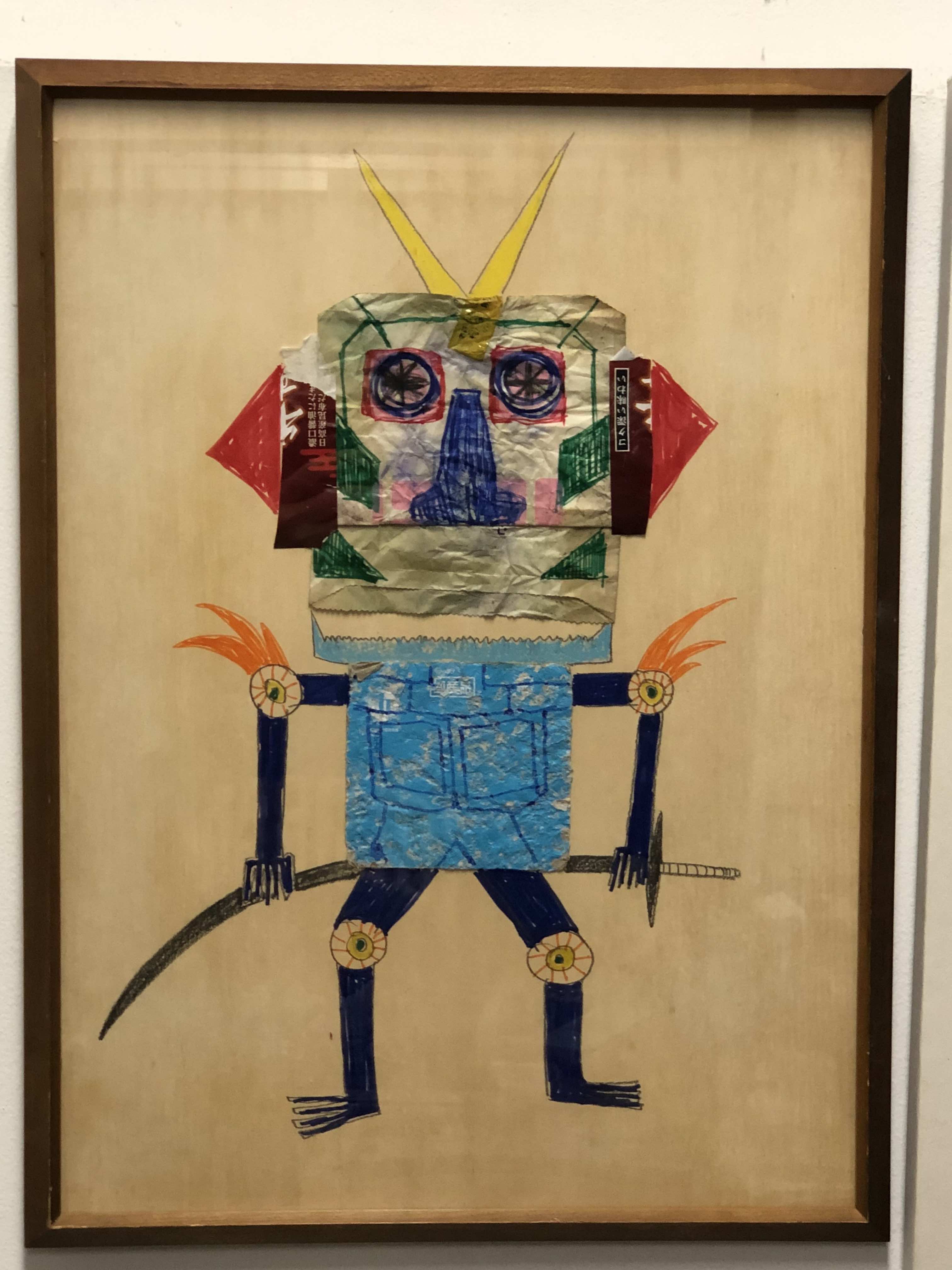
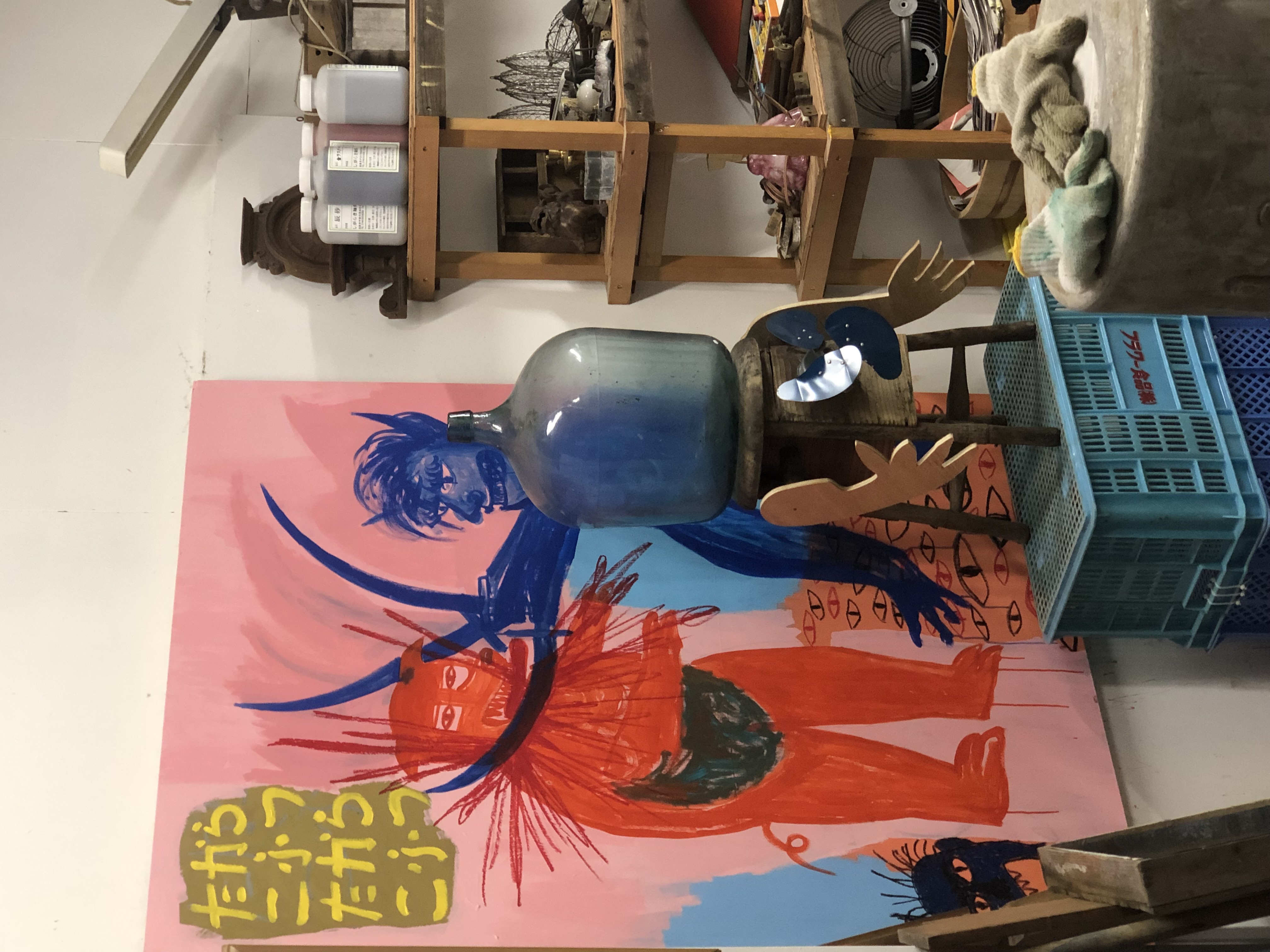
Just as some old wines simply go bad while others come with a vintage label, the value of an object also depends on the accumulation of time. Eum’s objects manifest transparent threads intertwining traces of many nationalities, various time periods, and any number of individuals. His personal tastes are on full display in a mix of elements, including but not limited to religious icons, the head of Venus, and graffiti-like scrawls in apparent imitation of Basquiat. Meanwhile, in one corner of the artist’s studio are large boxes and shelves filled with photos he has collected, dusty old books, antiques or pieces of junk, household trash, and vintage items. This is the stockpile from which Eum sources his materials. When it comes to evaluating his bizarre hybrid objects, as the famous Internet meme asks, are they “dead stock or vintage”? It all depends on whoever recognizes their value, like being able to spot treasure among heaps of old stuff.